

P2610 on 2007-2021 Toyota Tundra: Internal Engine Off Timer Causes and Fixes
On 2014-2018 Tundras, this code is almost always caused by a software glitch fixed by a dealer ECU update, possibly under the 8-year/80,000-mile Federal Emissions Warranty. On 2007-2013 models, it more often points to a failing Engine Control Module (ECM). Always perform a load test on the battery first, as low voltage can also trigger this code across all years.
- For 2014-2018 Tundras, P2610 is most likely a software issue fixed by a dealer update (TSB T-SB-0336-17).
- For 2007-2013 Tundras, P2610 usually indicates a failed Engine Control Module (ECM).
- Always load test the battery and check its connections before proceeding with more complex diagnostics.
- This code will not affect how the truck drives, but it will cause an automatic failure of an emissions test.
- The software update may be covered under the 96-month/80,000-mile Federal Emissions Warranty.
What's Unique About the 2007-2021 Toyota Tundra
For the Toyota Tundra, the cause of P2610 is highly dependent on the model year. On 2014-2018 models, Toyota issued a Technical Service Bulletin (TSB) acknowledging the original ECM software logic was too sensitive and could falsely trigger the code. For these trucks, the problem is a known software quirk, not a hardware failure, and the TSB explicitly states the ECM should NOT be replaced as part of the repair. On older, pre-2014 Tundras, the code is more likely to indicate a genuine internal failure of the ECM itself, as was the common diagnosis before the software issue was identified and addressed.
Generation note: The 2007-2021 range covers the second generation Tundra (2007-2013) and its major refresh (2014-2021). There is a significant difference in how to approach this code between them. For 2014-2018 models, a software update is the most likely fix, as per TSB T-SB-0336-17. For 2007-2013 models, a failing ECM is a more probable cause, often requiring replacement.
Symptoms You May Notice
- Check Engine Light is illuminated.
- Inability to pass state emissions inspection due to readiness monitors not setting.
- No noticeable change in drivability or engine performance.
- Rarely, may be preceded by stalling at stops or a dead battery, though these may be related to the underlying cause (like a bad battery) rather than a symptom of the timer fault itself.
- Replacing the ECM on a 2014-2018 Tundra before checking for a software update. Many owners could pay for an expensive new computer when all they needed was a 1-hour software reflash at the dealer, which may be covered by warranty.
- Assuming the ECM is bad without first performing a proper load test on the 12V battery. A weak battery is a known cause of this code.
Most Likely Causes
- Outdated ECM Software Logic 🔴 High Probability Applies specifically to 2014-2018 models. Toyota officially identified that the original software calibration was too sensitive and released TSB T-SB-0336-17 to correct it. This issue is widespread across many Toyota and Lexus models of the same era.
How to confirm: A Toyota dealer or a qualified shop with access to Toyota's Techstream software can check the current calibration ID of the ECM and compare it against the updated IDs listed in TSB T-SB-0336-17. They can also check for an 'Authorized Modifications Label' (P/N 00451-00001-LBL) under the hood, which indicates a previous reflash has been performed.
Typical fix: Update (reflash) the ECM with the latest software calibration. This must be done by a dealer or a shop with the proper equipment and a stable power supply (13.5V) during the process. The cost is typically one hour of labor ($100-$250) if not covered by warranty.
Est. part cost: $0 - Failing Engine Control Module (ECM) 🟡 Medium Probability → Shop Engine Control Module (ECM) This is the most likely cause on 2007-2013 models, or on newer models if the software update has already been performed and the code returns. Toyota's own service literature for older models states that this code indicates an internal ECM problem requiring replacement. Forum discussions from owners of 2013 and older models confirm ECM replacement as the common fix.
How to confirm: This is a diagnosis of exclusion. If the battery is good, all connections are clean and tight, and (for 2014+ models) the software is up to date, the ECM itself is the likely culprit. For some older models, the official diagnostic procedure simply states 'ECM replacement is required' if P2610 is present.
Typical fix: Replace the Engine Control Module. The new ECM will need to be programmed to the vehicle's VIN. Used ECMs can be sourced from sites like eBay, but must have the exact same part number to be plug-and-play. 🎬 Watch: How to locate and remove your Tundra's ECM.
Est. part cost: $250-$1400 - Weak or Failing 12V Battery ⚪ Low Probability → Shop Vehicle Battery A weak battery can cause unpredictable behavior in various electronic modules. If the battery's voltage drops significantly after shutdown or during startup, it can disrupt the ECM's ability to maintain its internal clock, potentially triggering the P2610 code. This is a common trigger across many vehicle brands.
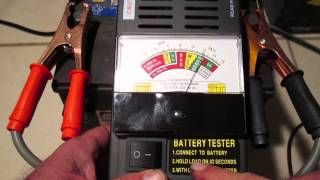
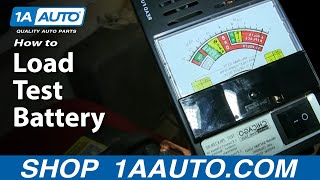
How to confirm: Perform a load test on the battery. A simple voltage check is not sufficient. 🎬 See how to perform a proper battery load test. Resting voltage should be above 12.2V, and the charging system should provide 13.5-14.5V when running. Many auto parts stores can perform a load test for free.
Typical fix: Replace the vehicle's 12V battery and ensure the terminals are clean and tight. After replacement, clear the code and perform a drive cycle to see if it returns.
Est. part cost: $150-$300
Rare But Worth Checking
- Poor Electrical Connection: Check the simple things first. Before suspecting the expensive ECM, inspect the battery terminals for corrosion and ensure the ground straps from the battery to the chassis and engine are clean and tight.
- Faulty Engine Coolant Temperature (ECT) Sensor: In some systems, the ECM uses the ECT sensor signal to help determine the engine-off soak time by comparing it to the ambient air temperature. A faulty ECT sensor could theoretically contribute to this code, but it would almost always be accompanied by other ECT-specific trouble codes.
Diagnosis Steps
- Check Model Year: If your Tundra is a 2014-2018 model, the primary suspect is the ECM software.
- Check Battery Health: Regardless of year, have the 12V battery professionally load-tested. A weak battery can cause this code. Ensure resting voltage is >12.2V.
- Inspect Connections: Clean any corrosion from the battery terminals and ensure they are tight. Inspect the main engine and chassis ground connections for corrosion or looseness.
- Inquire about TSB T-SB-0336-17 (for 2014-2018 models): Contact a Toyota dealer with your VIN. Ask if this Technical Service Bulletin applies and if the software update has been performed. This service may be covered under the Federal Emissions Warranty (96 months/80,000 miles). The dealer can check the ECM calibration ID with a Techstream tool to confirm if the update is needed.
- Suspect ECM (Primarily for pre-2014 models): If the battery is strong, connections are good, and (on 2014+ models) the software is up-to-date, the Engine Control Module is the most likely failed component.
- Clear Code and Monitor: After any repair attempt (like replacing a battery or updating software), clear the DTC and drive the vehicle for several days to see if the code returns.
Parts You'll Likely Need
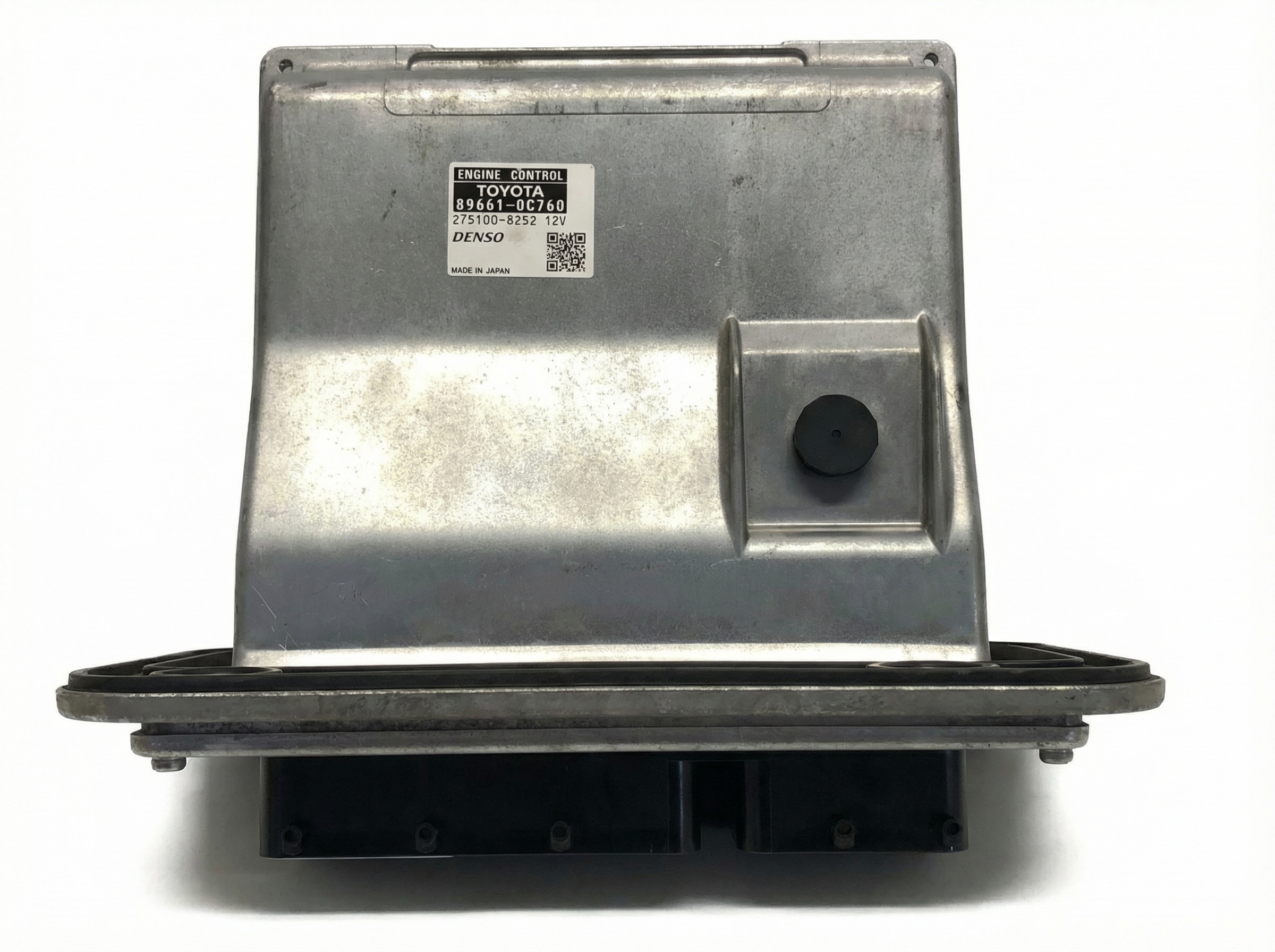
- Engine Control Module (ECM)
(OEM #Varies by year/configuration (e.g., 89661-0CG43, 89661-0CF81 for 2010 models))— This is the direct cause of the code if software and battery issues are ruled out, especially on pre-2014 models.
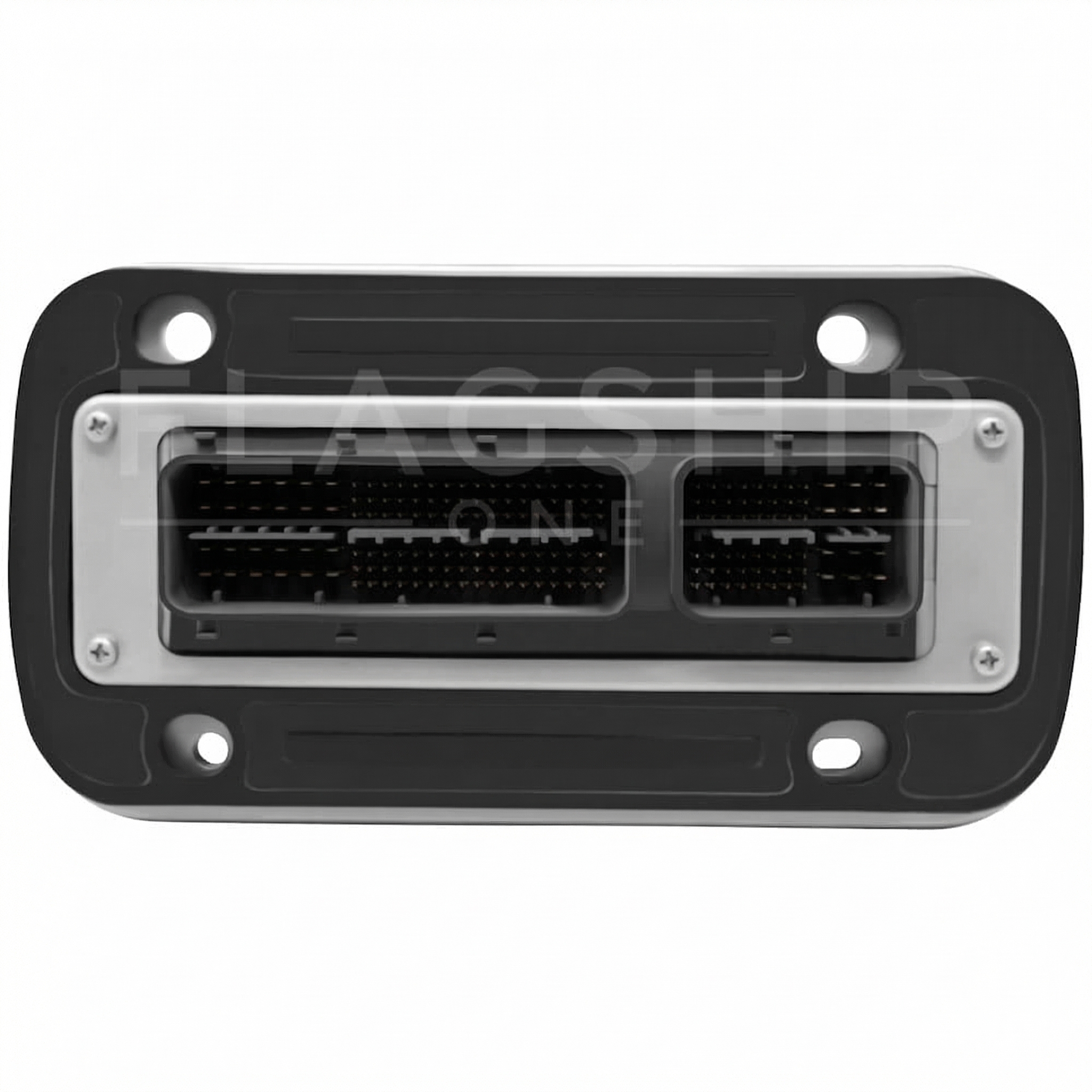
Trusted brands: Denso (OEM), Flagship One (Remanufactured), Cardone (Remanufactured), SIA Electronics (Repair Service)
OEM price range: $850-$1400
Aftermarket price range: $250-$600 - Vehicle Battery — A weak battery is a potential, though less common, cause. It is a crucial first diagnostic step before replacing more expensive components.
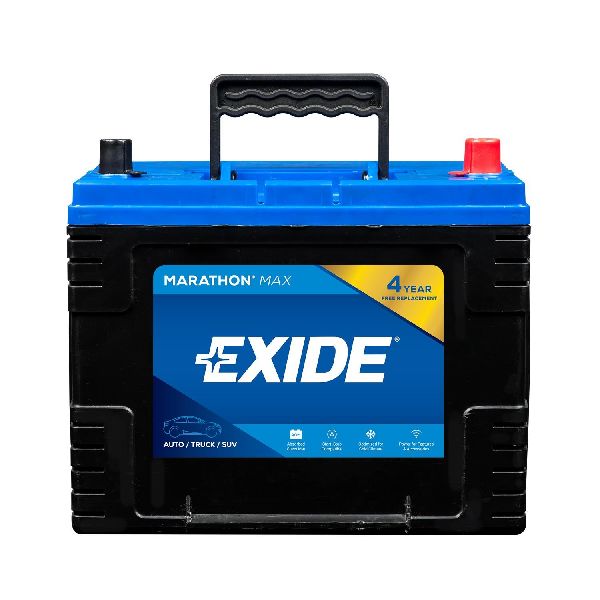
Trusted brands: Toyota TrueStart, Interstate, DieHard, Duralast
OEM price range: $200-$350
Aftermarket price range: $150-$300
Technical Service Bulletins (TSBs) & Recalls
- T-SB-0336-17 (December 21, 2017): Titled 'MIL "ON" DTC P2610', this bulletin states that for some 2014–2018 Toyota vehicles (including Tundra), the ECM logic has been modified to reduce the possibility of this condition. The fix is a software update (reprogramming) of the ECM.
Platform-Specific Known Issues
- A known software glitch on 2014-2018 models causes this code to appear when no actual hardware has failed, as documented in Toyota TSB T-SB-0336-17.
- The Federal Emissions Defect Warranty covers the ECM for 8 years or 80,000 miles, making the software reflash a no-cost repair for many owners of affected 2014-2018 models.
- On older 2007-2013 models, forum discussions show a higher likelihood of actual ECM hardware failure, with owners successfully resolving the issue by replacing the unit.
Mechanic-Grade Diagnostic Values
- ECM Internal Clock Synchronization Check — expected: When the main CPU clock counts 10 minutes, the internal soak timer should measure between 7 and 13 minutes.. Failure: A measurement of less than 7 minutes or more than 13 minutes indicates an internal ECM malfunction.
- Power Supply Voltage During ECM Reflash — expected: 13.5 Volts (stable). Failure: Voltage dropping below 13.5V can cause the reflash to fail and may corrupt the ECM.
Scan Tool Commands That Help
- Toyota Techstream: Health Check / Read Calibration ID — This is the first step for a 2014-2018 model to see if the installed software version is outdated according to TSB T-SB-0336-17.
- Toyota Techstream: ECU Reprogramming (Calibration Update) — This is the specific repair function used to flash the ECM with updated software to fix the timer logic bug on 2014-2018 models.
- Toyota Techstream: Live Data List -> 'Engine Off Timer' — Can be used for advanced diagnosis to monitor the timer's behavior in real-time to see if it is functioning erratically, especially if the code returns after a software update.
- Toyota Techstream: Utility -> All Readiness -> Input DTC — Used after a repair (like a reflash or battery replacement) to check the status of the specific emissions monitor related to P2610 and confirm if the fix was successful after a drive cycle.
Wiring & Ground Locations
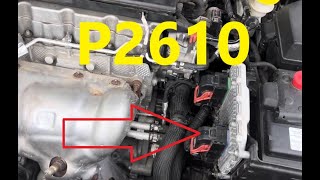
- Engine Control Module (ECM) — Located behind the glove box assembly in the passenger side of the dashboard.. This is the component that houses the internal timer. All power, ground, and communication wires terminate here, making its connectors a key inspection point for looseness or corrosion.
- ECM Power Source Fuses — In the engine room relay block (underhood fuse box).. The primary fuses for the ECM power circuit are labeled AM2, IG2 MAIN, EFI NO. 1, and IGN. A fault in this circuit could interrupt constant or switched power to the ECM, affecting its timer memory.
Real Owner Repair Stories
- Tundras.com forum user 'JustFwed' (2015 Tundra CrewMax Limited) — Check Engine Light with code P2610.
❌ Tried (didn't work) Initial diagnosis pointed towards common causes like ECM failure.
✅ What actually fixed it The user replaced a very dirty engine air filter and noticed the air filter cover had not been fully seated previously. After installing the new filter correctly, the Check Engine Light went off and did not return. This may be coincidental, or the process of fixing it (potentially involving a battery disconnect) cleared a temporary glitch.
OEM Part Supersession History
89661-0C390, 89661-0C391→89661-0C392— Standard part revision by the manufacturer.
Heads up: When replacing an ECM, especially a used one, the part number must be an exact match to the original or a direct, documented supersession to ensure compatibility with the vehicle's specific options and immobilizer system.89661-0C210, 89661-0C330, 89661-0C331→89661-0C331-84— Standard part revision by the manufacturer, often to a remanufactured unit designated by the '-84' suffix.89661-0CM10, 89661-0CM11→89661-0CM12— Part update for 4.6L models with tow package up to 08/2017.
Model Year Variations Within This Range
- 2007-2013: The official Toyota diagnostic procedure for a P2610 code on these earlier models is often a direct instruction to replace the ECM, as an internal malfunction is assumed. There are no software update TSBs for these years.
- 2014-2018: The primary cause is a known software logic flaw. TSB T-SB-0336-17 instructs technicians to perform a software update (reflash) and explicitly states NOT to replace the ECM as part of the standard repair.
Diagnostic Flowchart
Used vs. New Parts: Buying Guide for This Vehicle
When a used part is the smart pick: For pre-2014 models where ECM hardware failure is the likely cause, a used ECM from a reputable salvage yard or online seller is a very smart, cost-effective choice. For 2014+ models, this code is almost always software-related, so an ECM replacement of any kind is not the correct first step.
Donor-vehicle mileage cap: roughly under 150000 miles for the part to have meaningful remaining life.
What to inspect on the donor part:
- Part number MUST be an exact match to the original unit.
- Look for sellers that offer a short-term warranty or guarantee the part is tested and working.
- Visually inspect the connectors for any signs of corrosion, bent pins, or water damage.
- Confirm the donor vehicle was not involved in a flood.
OEM-only on this vehicle (don't cheap out):
- ECM Software Reflash: This service can only be performed by a Toyota dealer or a specialized independent shop with access to Toyota's Techstream software and calibration files.
Aftermarket brands forum-validated for this vehicle:
- Denso (OEM)
- Flagship One (Remanufactured)
- Cardone (Remanufactured)
- SIA Electronics (Repair Service)
Real Owner Stories
Aggregated from forums and TSBs cited above. Mileages and costs reflect what owners reported in those sources.
2016 Toyota Tundra 5.7L V8 — 57000 miles
Symptoms: Noticed the engine light when I started up the truck.
What fixed it: The official fix for this model year is to reprogram the Engine Control Module (ECM) with updated logic as per Toyota's Technical Service Bulletin.
Source hint: Tundra.com forum thread 'P2610 - Toyota Tundra Forum'
2013 Toyota Tundra 5.7L V8
Symptoms: The truck needed a new ECM.
What fixed it: Sourcing a used ECM with a matching part number from eBay as a cost-effective, plug-and-play solution.
Source hint: Tundras.com thread titled 'Tundra needs a new ecm, toyota wants 15k'
Lexus (Platform Mate)
Symptoms: The code appeared and the battery tested bad.
What fixed it: Replacing the vehicle's 12V battery cleared the code.
Source hint: ClubLexus.com thread about P2610
Related OBD-II Codes
Frequently Asked Questions
My 2016 Tundra has code P2610. Is this the known software glitch?
Will the Federal Emissions Warranty cover the ECM reflash for P2610 on my Tundra?
I have a 2013 Tundra with P2610. Does the software TSB apply to my truck?
How can I tell if the ECM software update for P2610 has already been performed on my truck?
The dealer quoted a very high price for a new ECM on my 2012 Tundra. Are there cheaper options?
My Check Engine Light is on for P2610, but the truck drives perfectly. Is this normal?
Could a weak battery be the cause of the P2610 code on my Tundra?
Helpful Videos
Used OEM Parts in Stock
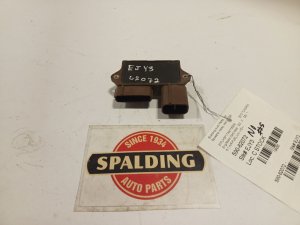
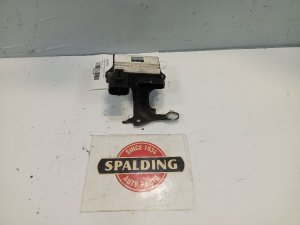
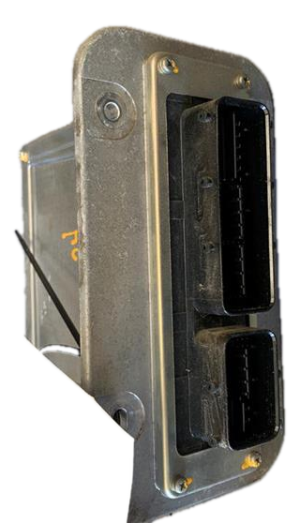
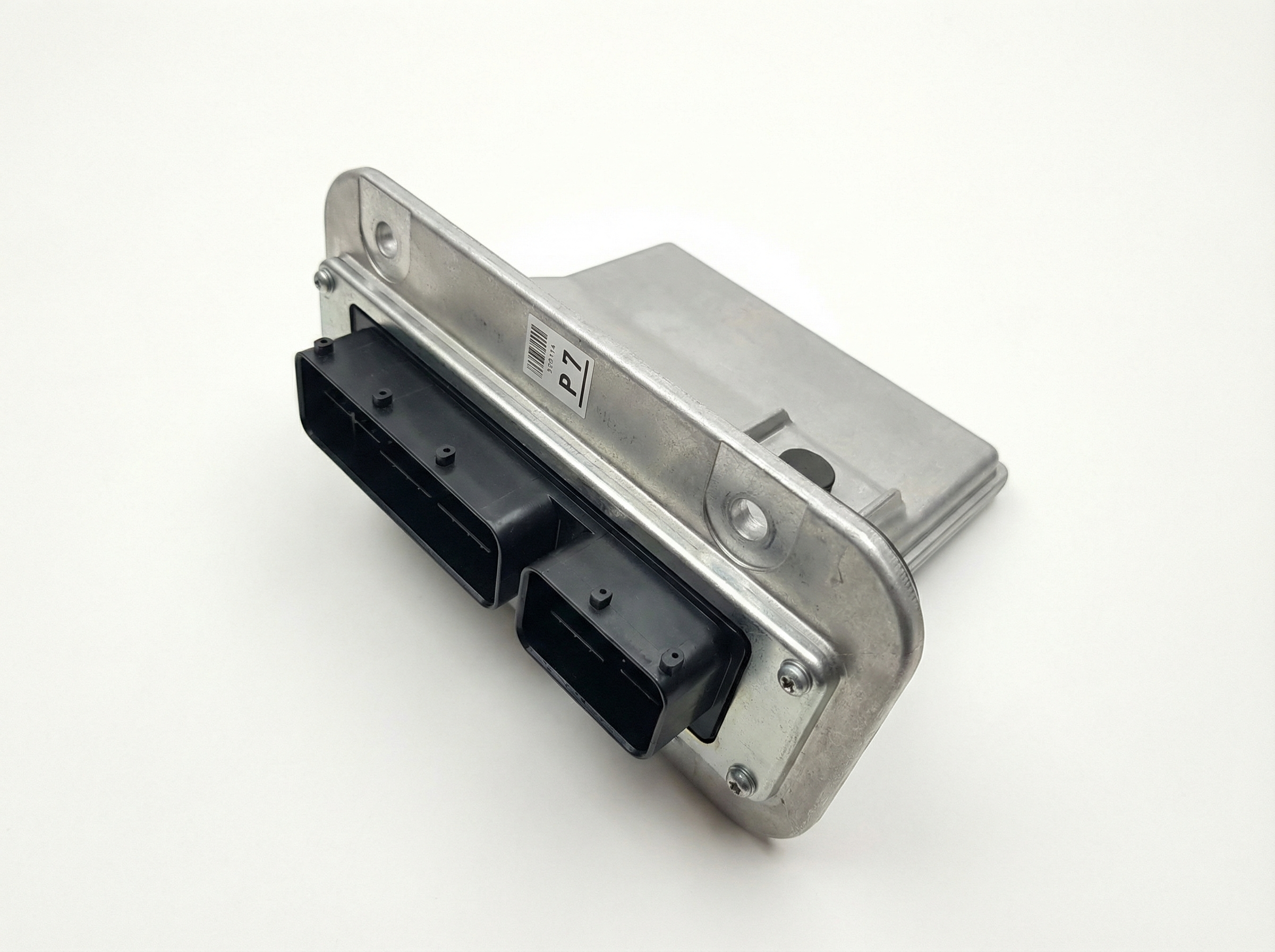
New Aftermarket Parts Available


The information in this article is provided for general reference and educational purposes only. Vehicle specifications, procedures, and part compatibility can vary by production date, trim level, and region. Always consult your vehicle's factory service manual and verify part numbers before purchasing or performing repairs. Safety-critical components such as airbags, seat belts, and braking systems should be installed by a qualified professional.
- Toyota Tundra:
- 🧭 Diagnostic Flowchart
- 🎬 Helpful Videos
- 🛍️ Shop This Part
- What's Unique About the 2007-2021 Toyota Tundra
- Symptoms You May Notice
- Most Likely Causes
- Rare But Worth Checking
- Diagnosis Steps
- Parts You'll Likely Need
- Technical Service Bulletins (TSBs) & Recalls
- Platform-Specific Known Issues
- Mechanic-Grade Diagnostic Values
- Scan Tool Commands That Help
- Wiring & Ground Locations
- Real Owner Repair Stories
- OEM Part Supersession History
- Model Year Variations Within This Range
- Used vs. New Parts: Buying Guide for This Vehicle
- Real Owner Stories
- 2016 Toyota Tundra 5.7L V8 — 57000 miles
- 2013 Toyota Tundra 5.7L V8
- Lexus (Platform Mate)
- Related OBD-II Codes
- Frequently Asked Questions
- 🎟️ Get 5% Off