

P2635 on 2016-2017 Buick Cascada: Fuel Pump Performance Causes and Fixes
On a 2016-2017 Buick Cascada, code P2635 is most often caused by a failing Fuel Pump Control Module (FPCM) or the in-tank fuel pump itself, especially in hot weather. A GM TSB (#PIP5507B) confirms that high ambient temperatures (100°F+) can cause vapor buildup in the fuel line, leading to hesitation and stalling. Replacing the FPCM is a less expensive first step (~$150-$250 part), while replacing the entire fuel pump module with an updated part number is a more involved but common and often nece
- P2635 on a Buick Cascada means the fuel pump is not providing enough fuel.
- The problem is very likely to occur in hot weather (100°F+) and cause stalling or hesitation, as documented in a manufacturer TSB.
- The two most common causes are a faulty Fuel Pump Control Module (FPCM) or a failing in-tank fuel pump assembly.
- Diagnosing whether the FPCM or the pump is the root cause can prevent unnecessary replacement of the more expensive fuel pump assembly.
- An updated fuel pump module is the official GM-recommended fix for the heat-related stalling issue per TSB 17-NA-335.
What's Unique About the 2016-2017 Buick CASCADA
The Buick Cascada, like other GM vehicles from this era using the Delta II platform, has a documented weakness in its fuel delivery system that is sensitive to high heat. A Technical Service Bulletin (TSB #PIP5507B) specifically for the 2016-2017 Cascada notes that code P2635 can appear in ambient temperatures of 100°F (38°C) or higher, leading to hesitation or stalling. This points to a specific component vulnerability to heat-induced vapor lock in the fuel lines, rather than just random failure. Another TSB, #17-NA-335, recommends replacing the fuel pump module with an updated design to correct this condition.
Diagnostic Flowchart
Tap your situation to follow the diagnostic path that matches what you're seeing on this vehicle.
Symptoms You May Notice
- Hesitation or stumbling during acceleration
- Engine stalling, especially when the weather is hot
- Reduced engine power or feeling like it's running out of gas
- Extended cranking time before the engine starts
- Illuminated Check Engine Light
- Rough idle
- Engine misfire codes (e.g., P0300-P0308) may also be present
- Replacing the fuel pressure sensor on the fuel rail. While a faulty sensor can cause incorrect readings, it's less common for it to fail than the pump or FPCM, and it often sets its own specific codes (like P018B, which can also appear with P2635).
Most Likely Causes
- Failing In-Tank Fuel Pump Module 🔴 High Probability → Shop Fuel Pump A GM TSB for the Cascada (PIP5507B) and a broader TSB for other GM vehicles (17-NA-335) point to a condition caused by vapor buildup in the fuel line in high heat. This vapor lock overworks the pump, leading to premature failure. The official fix is to replace the fuel pump module with an updated design that better handles this issue, suggesting the original pump assembly is a weak point.
How to confirm: Perform a fuel pressure test at the fuel rail to see if it meets specifications, especially when the engine is hot or under load. If pressure is low and the FPCM and wiring are confirmed to be good, the pump itself is the likely culprit. Freeze frame data from a scan tool will often show the code was set at an ambient temperature over 100°F.
Typical fix: Replace the entire in-tank fuel pump module assembly with the updated GM part.
Est. part cost: $300-$450 - Failing Fuel Pump Control Module (FPCM) 🔴 High Probability → Shop Fuel Pump The FPCM is a dedicated computer that controls the fuel pump. Like any electronic module, it is susceptible to failure from heat and vibration over time, causing it to send improper voltage to the fuel pump. On some related GM vehicles, the FPCM is located in the trunk behind trim panels, where it can be subject to temperature swings.
How to confirm: A technician can use a scan tool to monitor the commanded duty cycle from the FPCM versus the actual fuel pressure. If the module is commanding the pump to work but pressure is low, the next step is to bypass the module and power the pump directly. If the pump runs normally, the FPCM is likely faulty.
Typical fix: Replace the Fuel Pump Control Module. This part often requires programming to the vehicle's VIN.
Est. part cost: $150-$250 - Wiring or Connector Issues 🟡 Medium Probability The FPCM and fuel pump connectors can be exposed to moisture and the elements, making them susceptible to corrosion. This creates high resistance and can affect pump operation, mimicking a failing module or pump.
How to confirm: Visually inspect the wiring harness and connectors for the FPCM (often in the trunk or on the frame rail near the tank) and at the top of the fuel tank. Check for corrosion, melted plastic, or loose pins. Test for proper voltage and ground at the FPCM connector.
Typical fix: Clean or replace the corroded connector and repair any damaged wiring.
Est. part cost: $20-$100
Rare But Worth Checking
- Clogged Fuel Filter: → Shop Fuel Filter The fuel filter is integrated into the fuel pump module assembly on this vehicle and is not serviced separately. A severely clogged filter can cause the same symptoms and would necessitate replacing the entire module.
Diagnosis Steps
- Check for other stored DTCs. Pay special attention to P018B and P069E, as they are commonly associated with this issue.
- Using a scan tool, observe live data for commanded vs. actual fuel pressure. Note the ambient temperature in the freeze frame data, as temperatures over 100°F (38°C) strongly point to the TSB condition.
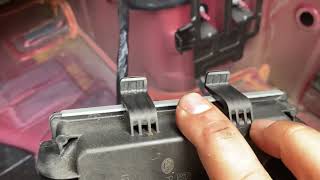
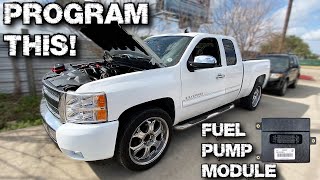
- Visually inspect the Fuel Pump Control Module (FPCM) and its electrical connector for any signs of corrosion, water intrusion, or damage. On related GM vehicles, this may be located in the trunk behind the passenger-side trim panel. 🎬 See how to access and swap the fuel pump module.
- Test for power and ground at the FPCM. Ensure the module is receiving the correct voltage from the main relay and has a solid ground connection.
- If possible, command the fuel pump on with the scan tool or by directly applying power to the pump's terminals, bypassing the FPCM. If the pump runs and produces good pressure when powered directly, the FPCM is the primary suspect.
- If the pump fails to run or runs weakly when powered directly, the in-tank fuel pump module is faulty and needs replacement.
- If TSB #PIP5507B applies (high heat condition), GM's guidance suggests that replacing the fuel pump may not fix the concern and advises on mitigation strategies like using higher octane fuel and avoiding extended idling. However, the 🎬 Watch this diagnostic guide for troubleshooting codes P069E and P2635. superseding TSB #17-NA-335 recommends replacing the pump module with an updated part.
Parts You'll Likely Need
- Fuel Pump Control Module
(OEM #84082493)— This electronic module controls the fuel pump's speed. It is a common failure point due to heat and vibration and is a less expensive part to replace than the entire pump assembly. Note: This part has several superseded numbers (e.g., 22916060, 23320820) and requires programming to the vehicle's VIN.
Trusted brands: ACDelco, GM Genuine Parts
OEM price range: $150-$250
Aftermarket price range: $100-$180 - Fuel Pump Module Assembly
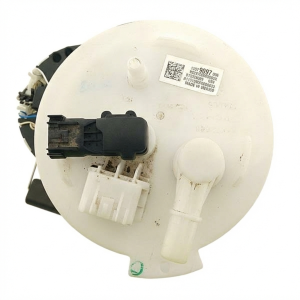
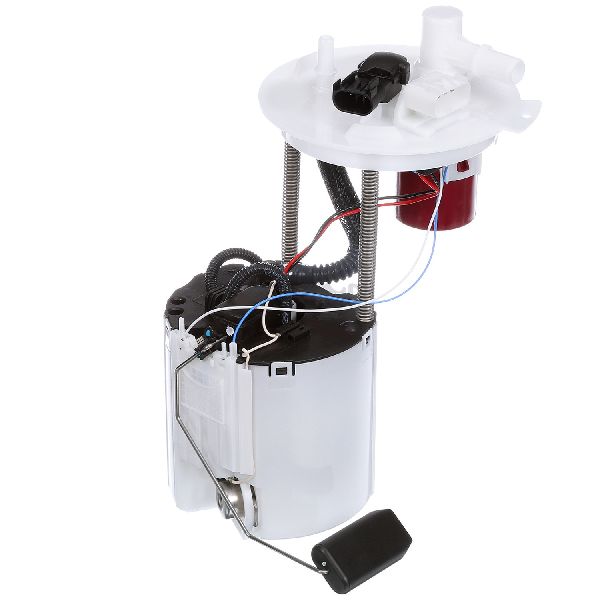
(OEM #13510671)— This is the complete in-tank unit containing the electric fuel pump and strainer. TSB #17-NA-335 indicates that an updated version of this module is the official fix for the heat-related stalling issue. This part number has also been superseded by 19541118.
Trusted brands: ACDelco (M100043), GM Genuine Parts, Spectra Premium
OEM price range: $300-$450
Aftermarket price range: $200-$350
Related Codes That Often Appear With This One
- P018B — This code for 'Fuel Pressure Sensor 'B' Circuit Range/Performance' is explicitly mentioned alongside P2635 in TSB #PIP5507B as setting under the same high-temperature conditions, caused by vapor buildup in the fuel line.
- P069E — This code means 'Fuel Pump Control Module (FPCM) Requested MIL Illumination'. It indicates the FPCM has detected a fault within its control circuit or with the pump itself and has asked the main engine computer to turn on the Check Engine Light. It often points directly to a problem with the FPCM or the pump it controls.
Technical Service Bulletins (TSBs) & Recalls
- PIP5507B: Communicates that in ambient temperatures 100F (37.7 C) degrees or higher, DTCs P2635 and/or P018B may set, causing hesitation or stalling due to vapor buildup. It confusingly states that replacing the pump will not repair the concern.
- 17-NA-335: Supersedes previous bulletins and clarifies the repair procedure. It confirms the cause is vapor buildup in high heat and explicitly recommends replacing the fuel pump module with an updated version to resolve the condition.
Platform-Specific Known Issues
- A Technical Service Bulletin for the 2016-2017 Cascada, #PIP5507B, directly addresses DTC P2635. It states that in ambient temperatures of 100°F or higher, the vehicle may set this code and experience hesitation or stalling due to vapor buildup in the fuel line.
- A broader GM TSB, #17-NA-335, which supersedes earlier bulletins, confirms the heat-related issue and recommends replacing the fuel pump module with an updated design as the definitive correction.
Mechanic-Grade Diagnostic Values
- Low-Pressure Fuel System Pressure at Idle — expected: 30-45 PSI (207-310 kPa). Failure: Pressure drops significantly under load or during high ambient temperatures.
- Fuel Pump Ground Circuit Voltage Drop — expected: Less than 0.5 Volts. Failure: A reading greater than 0.5V indicates high resistance in the ground circuit, which can under-power the pump.
- Fuel Pressure Sensor Reading during GDS2 'Fuel System Depressurize' Test — expected: Pressure PID should drop to 0 PSI as the engine stalls.. Failure: Sensor reading gets stuck at a non-zero value (e.g., 30-40 PSI), indicating a faulty sensor.
Scan Tool Commands That Help
- GDS2 (or compatible advanced scanner): Fuel Pump Enable / On — With the ignition on and engine off, this command manually activates the in-tank fuel pump. It is used to verify the pump motor runs and to allow for fuel pressure testing without starting the engine.
- GDS2: Fuel System Depressurize — Used when code P018B is also present. This function runs the engine and shuts off the pump to bleed pressure. A technician watches the fuel pressure sensor PID; if it doesn't fall to zero, the sensor is faulty.
- GDS2: Fuel Pump Module Matching / Configuration — This is a required procedure after replacing the Fuel Pump Control Module (FPCM). It allows the vehicle's main computers to learn and communicate with the new module.
Wiring & Ground Locations
- FPCM Connector — The Fuel Pump Control Module is typically located in the rear of the vehicle. On the related Buick Verano, it is in the trunk behind the passenger-side trim panel. On other GM vehicles, it can be on the frame rail near the tank.. This connector is the central point for testing power, ground, and command signals for the fuel pump. Corrosion here is a common cause of failure.
- FPCM Pin 13 (Dark Green/White wire) — At the FPCM connector.. This is the fuel pump relay control wire that receives the 'on' signal from the Powertrain Control Module (PCM). A test light on this pin should illuminate for a few seconds with key-on, or constantly during cranking, to confirm the PCM is commanding the pump to run.
- FPCM Pin 32 (RD/WH) & Pin 47 (GY) — At the FPCM connector.. These pins can be used to bypass the FPCM to test the pump directly. Jumpering Pin 32 (Battery Positive Voltage) to Pin 47 (Fuel Pump Supply Voltage) should send power directly to the pump, causing it to run if the pump itself is functional.
- Luggage Compartment Fuse Box — Located in the trunk/luggage area of the Cascada.. This panel likely contains the fuse for the Fuel Pump Control Module (FPCM). On generic GM diagrams, this is often a 20A or 25A fuse.
Real Owner Repair Stories
- All Things Mechanical YouTube Channel (2018 Chevrolet Silverado) — Extended crank times, loss of power, overall sluggishness, and code P2635.
❌ Tried (didn't work) The owner read countless stories of the 'parts cannon' being fired at trucks with this code, where replacing just the fuel pump did not solve the issue for others.
✅ What actually fixed it The dealership replaced both the in-tank fuel pump module and the active grill shutter assembly. The combination of these two repairs resolved the code and symptoms.
OEM Part Supersession History
13579908, 13579909→13510671, which was then superseded by 19541118— Part revision to address performance issues, likely related to the heat-soak problem described in TSBs.
Heads up: The newest part number (19541118) is the recommended replacement for the heat-related P2635 issue per TSB 17-NA-335.22916060, 23320820, 23365364, 23482557→84082493— Standard part consolidation and revision over time.
Heads up: This is the Fuel Pump Control Module (FPCM). It is sometimes listed under confusing names like 'Chassis Control Module' but is the correct part. This module requires programming to the vehicle's VIN after installation.
Helpful Videos

Used OEM Parts in Stock
New Aftermarket Parts Available




The information in this article is provided for general reference and educational purposes only. Vehicle specifications, procedures, and part compatibility can vary by production date, trim level, and region. Always consult your vehicle's factory service manual and verify part numbers before purchasing or performing repairs. Safety-critical components such as airbags, seat belts, and braking systems should be installed by a qualified professional.
- Buick CASCADA:
- 🧭 Diagnostic Flowchart
- 🎬 Helpful Videos
- 🛍️ Shop This Part
- What's Unique About the 2016-2017 Buick CASCADA
- Symptoms You May Notice
- Most Likely Causes
- Rare But Worth Checking
- Diagnosis Steps
- Parts You'll Likely Need
- Related Codes That Often Appear With This One
- Technical Service Bulletins (TSBs) & Recalls
- Platform-Specific Known Issues
- Mechanic-Grade Diagnostic Values
- Scan Tool Commands That Help
- Wiring & Ground Locations
- Real Owner Repair Stories
- OEM Part Supersession History
- 🎟️ Get 5% Off