

P2635 on 2016-2017 Buick Envision: Fuel Pump Performance Causes and Fixes
On a 2016-2017 Buick Envision, code P2635 often points to a fuel delivery issue, especially in high ambient temperatures, as noted in GM Technical Service Bulletin #17-NA-335. This TSB confirms the cause is vapor buildup in the fuel line. The official fix is replacing the in-tank fuel pump with an updated design. Other causes include a faulty Fuel Pump Control Module (FPCM), which may require programming upon replacement, or a faulty fuel pressure sensor.
- P2635 on a 2016-17 Envision indicates a problem with the low-pressure fuel pump's performance.
- A primary cause for this specific vehicle is a known sensitivity to high ambient temperatures (>100°F), which can cause fuel vaporization and stalling.
- Commonly replaced parts to fix this code are the in-tank fuel pump module and the Fuel Pump Control Module (FPCM).
- Before replacing parts, check if the symptoms align with the heat-related issue described in GM's service bulletins, as a specific updated fuel pump is the recommended fix.
- Driving with this code can be unsafe due to the risk of the engine stalling unexpectedly.
What's Unique About the 2016-2017 Buick ENVISION
For the 2016-2017 Buick Envision and a wide range of other GM vehicles from this era, this code is specifically addressed by GM service bulletins for issues in high ambient temperatures. TSB #17-NA-335, which supersedes earlier bulletins like #PIP5507B, states that on days hotter than 100°F (38°C), vapor can form in the fuel feed line. This vapor buildup causes a drop in fuel pressure that triggers P2635 and P018B, leading to stalling or hesitation. This indicates a specific design sensitivity to heat that was later addressed with an updated fuel pump module.
Diagnostic Flowchart
Tap your situation to follow the diagnostic path that matches what you're seeing on this vehicle.
Symptoms You May Notice
- Check Engine Light is on
- Engine hesitation or surging, especially when accelerating
- Engine stalling, particularly in very hot weather over 100°F (38°C)
- Reduced engine power or sluggish performance
- Longer than normal cranking time to start the engine
- A buzzing or whining noise from the rear of the vehicle near the fuel tank
- Replacing the high-pressure fuel pump (if equipped with the 2.0L Turbo engine), as this code typically relates to the low-pressure pump in the tank. The high-pressure system operates at much higher pressures (750-2250 PSI).
- Replacing fuel injectors without confirming proper fuel pressure from the tank first.
- Replacing the fuel pump for the high-temperature issue without using the specific 'updated design' part called for in TSB 17-NA-335, leading to a repeat failure.
Most Likely Causes
- High Ambient Temperature Causing Fuel Vaporization 🔴 High Probability As documented in GM TSB #17-NA-335 (which supersedes #PIP5507B), these vehicles have a known weakness where the original fuel pump module allows vapor to build up in the fuel line in temperatures over 100°F, leading to a drop in fuel flow.
How to confirm: The issue primarily occurs during extremely hot weather. It is almost always accompanied by code P018B. 🎬 Watch: Diagnostic and repair steps for P018B and P2635 codes. The symptoms are absent in cooler temperatures. A technician can try to replicate the conditions while monitoring fuel pressure data for drops.
Typical fix: GM released an updated fuel pump module to permanently address this condition. The TSB explicitly states to replace the fuel pump module with the new design. Short-term mitigation mentioned in older bulletins included using 91+ octane fuel and avoiding extended idling, but the pump replacement is the definitive repair.
Est. part cost: $300-$550 - Failing Fuel Pump Control Module (FPCM) 🟡 Medium Probability → Shop Fuel Pump The FPCM, also called the Fuel System Control Module, regulates voltage to the fuel pump and is a common failure point in modern GM vehicles. It can fail from age, heat, or moisture intrusion, leading to symptoms identical to a failing pump. It may also set code P069E to signal the ECM that it has detected a fault.
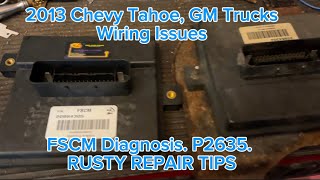
How to confirm: A technician can use a diagnostic scan tool (like GM's GDS2) to monitor the FPCM's commands and check for proper voltage output. The module is typically located in the trunk area, behind the passenger side trim panel. A visual inspection of the wiring 🎬 See how to diagnose FPCM wiring and rust issues. and connector for corrosion is also necessary. A technician can also check for 12V at the power input wire (often red/white) and check for a good ground (often black).
Typical fix: Replacement of the Fuel Pump Control Module. The replacement part (e.g., GM #23382564) may require programming and setup procedures using a GDS2 scan tool to ensure proper operation.
Est. part cost: $80-$170 - Failing In-Tank Fuel Pump 🟡 Medium Probability → Shop Fuel Pump Aside from the specific heat-related design flaw, the electric fuel pump inside the fuel tank can simply wear out over time from normal use, resulting in low flow and pressure.
How to confirm: A fuel pressure test using a mechanical gauge is the primary method. A mechanic will connect a gauge to the fuel system to measure the actual pressure and compare it to the manufacturer's specifications (typically 30-60 PSI at the low-side). If pressure drops under load, the pump is likely weak.
Typical fix: Replacement of the entire fuel pump module assembly, which is located inside the fuel tank.
Est. part cost: $250-$500 - Clogged Fuel Filter ⚪ Low Probability → Shop Fuel Filter The fuel filter is integrated into the fuel pump module on this vehicle and is not a separate service item. While not common, using poor quality fuel could lead to a prematurely clogged filter, which restricts flow and causes this code. This necessitates the replacement of the whole pump module.
How to confirm: Diagnosed by performing a fuel pressure and volume test. A significant drop in flow under load points to a restriction that isn't caused by a weak pump motor.
Typical fix: Replace the fuel pump module assembly.
Est. part cost: $250-$500
Rare But Worth Checking
- Wiring Issues: Damaged wires or corroded connectors between the FPCM and the fuel pump can cause intermittent voltage drops, mimicking a failing pump or module. A visual inspection and continuity test of the harness is required. On some GM vehicles, wiring near the drive shaft has been known to chafe.
- Faulty Fuel Pressure Sensor: → Shop Fuel Pressure Sensor As noted in GM TSB #PIP5286B for similar platforms, the fuel pressure sensor itself can fail and send incorrect readings. It may get stuck at a plausible value (e.g., 48 PSI), fooling the computer into thinking pressure is stable when it is not. A specific GDS2 scan tool test can command the system to depressurize; if the sensor reading doesn't drop to zero, it is faulty.
Diagnosis Steps
- Scan the vehicle's computer for any other stored trouble codes, paying close attention to P018B and P069E, as they are strongly linked.
- Note the ambient temperature and driving conditions when the code was set. If it's over 100°F and the car was stalling, the issue is almost certainly the one described in TSB #17-NA-335.
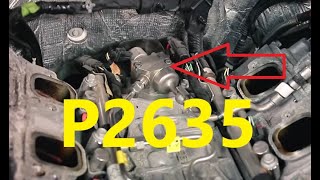
- Using a capable scan tool (like GDS2), monitor live data for commanded vs. actual fuel rail pressure 🎬 Watch this breakdown of common P2635 causes and fixes. and the duty cycle of the fuel pump control module. A healthy low-side pressure should fluctuate between 30-60 PSI.
- If the fuel pressure reading on the scan tool seems stuck, perform the diagnostic test from TSB #PIP5286B: with the engine cold, use the GDS2 'Fuel System Depressurize' command. The pressure reading should drop to 0 PSI. If it doesn't, the sensor is faulty.
- Inspect the wiring and connectors for the Fuel Pump Control Module (FPCM). The FPCM is located in the trunk behind the passenger side trim panel. Check for any signs of damage, corrosion, or looseness.
- If pressure is low and the wiring is good, the fault is likely with the FPCM or the in-tank fuel pump itself. Use the scan tool's 'Fuel Pump Enable' command to verify the pump activates.
- If the issue is confirmed to be temperature-related, verify with a dealer's parts department using the VIN that the updated fuel pump module specified in TSB #17-NA-335 is being ordered and installed.
- If the FPCM is replaced, a 'Fuel Pump Driver Control Module Configuration' or self-learning procedure may be required using a GDS2 scan tool.
Parts You'll Likely Need
- Fuel Pump Module (Updated Design) — This is the complete in-tank unit. It is the direct and official fix for the heat-related vapor lock issue described in TSB #17-NA-335. It is also the fix for a worn-out pump or a clogged integrated filter. The specific part number for the updated module must be verified against the vehicle's VIN in the GM Electronic Parts Catalog.
Trusted brands: ACDelco (Genuine GM)
OEM price range: $350-$550
Aftermarket price range: $250-$400 - Fuel Pump Control Module (FPCM)
(OEM #23382564)— This module controls the fuel pump's operation and is a common failure point. It can cause low fuel flow if it malfunctions internally. It is a less expensive part to replace than the fuel pump, so it should be properly diagnosed first. Note: This part supersedes earlier numbers (like 13594538) and requires programming/setup procedures.
Trusted brands: ACDelco, Dorman
OEM price range: $95-$170
Aftermarket price range: $70-$130
Related Codes That Often Appear With This One
- P018B — This code for 'Fuel Pressure Sensor 'B' Circuit Range/Performance' is almost always set alongside P2635 during the high-temperature-related incidents described in GM's service bulletins.
- P069E — This code for 'Fuel System Control Module Requested MIL Illumination' acts as a messenger. It means the FPCM has detected an internal fault or a problem with a circuit it controls (like the fuel pump) and has asked the main engine computer (ECM) to turn on the Check Engine Light. A scan tool that can read FPCM-specific codes is needed for further diagnosis.
Technical Service Bulletins (TSBs) & Recalls
- 17-NA-335: The definitive bulletin that supersedes previous versions. It identifies 'vapor buildup in fuel feed line' as the cause for hesitation, surging, and stalling with DTCs P2635/P018B in high ambient temperatures and directs technicians to replace the fuel pump module with an updated version.
- PIP5507B: An earlier bulletin that first communicated the link between high ambient temperatures (100°F+), codes P2635/P018B, and stalling. It is now superseded by 17-NA-335.
- PIP5286B: A bulletin for related platforms that provides a specific diagnostic procedure for a faulty fuel pressure sensor that may be stuck, causing P2635 and P018B.
Platform-Specific Known Issues
- A known issue, documented in TSB #17-NA-335, causes P2635 and P018B to set in ambient temperatures over 100°F. This is due to 'vapor buildup in fuel feed line,' leading to hesitation and stalling. The official fix is to install an updated fuel pump module.
Mechanic-Grade Diagnostic Values
- Low-Side Fuel Pressure (Engine On) — expected: Fluctuating between 30-60 PSI. Failure: Pressure drops significantly under load or during a stall event. A reading that is completely static (e.g., stuck at 48.7 PSI) may indicate a faulty sensor.
- Low-Side Fuel Pressure Sensor Test (GDS2) — expected: Using the 'Fuel System Depressurize' command on a cold engine, the pressure reading on the scan tool should drop to 0 PSI.. Failure: The engine stalls, but the pressure reading on the scan tool remains stuck at a higher value (e.g., 30-40 PSI), indicating a faulty sensor.
- High-Pressure Fuel System (2.0L Turbo Engine) — expected: ~750 PSI at idle, up to 2,250 PSI at wide-open throttle.. Failure: N/A for P2635, which refers to the low-pressure pump 'A'. This value is for differentiation purposes.
Hidden / Shadow Codes Worth Checking
- P069E: Fuel System Control Module (FPCM) Requested MIL Illumination. This is a 'messenger' code set by the ECM. The actual, more specific fault code is stored within the FPCM itself and must be read from that module. (see via An advanced scan tool (like GM's GDS2) that can communicate directly with the Fuel Pump Control Module, not just the Engine Control Module.)
Scan Tool Commands That Help
- GDS2: Fuel System Depressurize — Used with a cold engine to test the fuel pressure sensor's ability to return to zero. This is a key step in diagnosing a stuck sensor as described in TSB #PIP5286B.
- GDS2: Fuel Pump Enable — With the engine off, this command manually activates the in-tank fuel pump. It helps verify if the pump motor runs and if the fuel pressure sensor reading changes accordingly, isolating a dead pump from a control module or wiring issue.
- GDS2: Fuel Pump Driver Control Module Configuration / Matching — After replacing the Fuel Pump Control Module (FPCM), this function may be required to make the new module communicate correctly with the vehicle's other computers.
Wiring & Ground Locations
- FPCM Location — In the trunk area, located behind the passenger's side trim panel.. This is the location of the control module that directly commands the fuel pump. Access is required for visual inspection, electrical testing, and replacement.
- F11 Fuse — In the engine compartment fuse block.. This fuse supplies power to the fuel pump circuit. A blown fuse will cause a no-start and can indicate a short circuit in the wiring or a seized pump.
- FPCM Connector — On the FPCM module itself. Key wires on similar GM models are power (Red/White), ground (Black), and the command signal from the ECM (Dark Green/White).. This connector is the primary point for testing power, ground, and signal to the FPCM. Corrosion or damage here is a common cause of failure.
Real Owner Repair Stories
- chevytraxforum.com user report (2015 Chevrolet Trax (shares TSB #17-NA-335 with the Envision)) — Stalling at red lights in 100°F+ heat, codes P2635 and P018B.
❌ Tried (didn't work) Not specified, owner went to dealer.
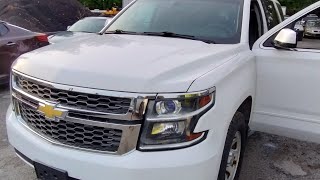
✅ What actually fixed it The dealer replaced the in-tank fuel pump under TSB #17-NA-335, which resolved the problem in subsequent hot weather. - YouTube user 'EJmegz Car Vlog' (2014-2020 GM Truck (e.g., Silverado, Tahoe)) — Engine stalling while driving, codes P2635 and P018B.
❌ Tried (didn't work) Initial diagnosis pointed to a general fuel delivery issue.
✅ What actually fixed it The owner replaced the fuel pressure sensor located on the fuel line under the truck (Part No. 13516496). This was a $40 part and a 5-minute fix that resolved the codes and stalling.
When the Usual Fixes Don't Work
- While the TSB for high-temperature stalling points directly to replacing the entire fuel pump module, there are documented cases on similar GM platforms where the issue was resolved by only replacing the much cheaper and more accessible fuel pressure sensor located on the fuel line. This suggests that for a vehicle outside of warranty, diagnosing the sensor separately before committing to a full pump replacement could be a cost-effective step, especially if the symptoms are not strictly limited to 100°F+ weather.
OEM Part Supersession History
13594538 (and others)→23382564— Standard part evolution and updates by the manufacturer.
Heads up: The original part (13594538) was often considered plug-and-play. The superseding part (23382564) explicitly requires programming and/or special setup procedures with a GM scan tool to function correctly.
Helpful Videos

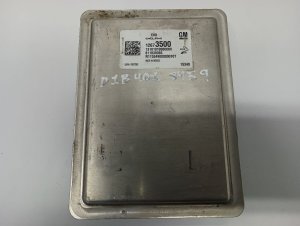
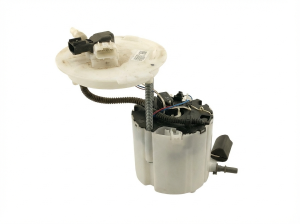
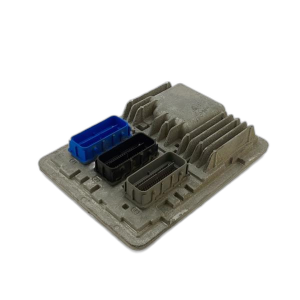
Used OEM Parts in Stock
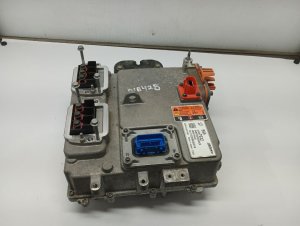
New Aftermarket Parts Available
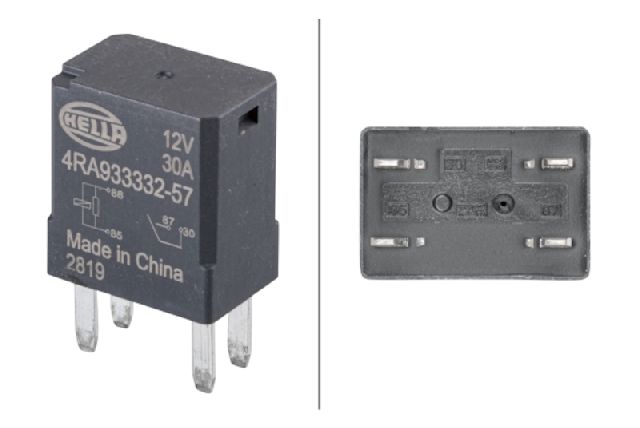




The information in this article is provided for general reference and educational purposes only. Vehicle specifications, procedures, and part compatibility can vary by production date, trim level, and region. Always consult your vehicle's factory service manual and verify part numbers before purchasing or performing repairs. Safety-critical components such as airbags, seat belts, and braking systems should be installed by a qualified professional.
- Buick ENVISION:
- 🧭 Diagnostic Flowchart
- 🎬 Helpful Videos
- 🛍️ Shop This Part
- What's Unique About the 2016-2017 Buick ENVISION
- Symptoms You May Notice
- Most Likely Causes
- Rare But Worth Checking
- Diagnosis Steps
- Parts You'll Likely Need
- Related Codes That Often Appear With This One
- Technical Service Bulletins (TSBs) & Recalls
- Platform-Specific Known Issues
- Mechanic-Grade Diagnostic Values
- Hidden / Shadow Codes Worth Checking
- Scan Tool Commands That Help
- Wiring & Ground Locations
- Real Owner Repair Stories
- When the Usual Fixes Don't Work
- OEM Part Supersession History
- 🎟️ Get 5% Off