

P2635 on 2013-2017 Buick Verano: Fuel Pump Performance and Hot Weather Stalling
This code means the fuel pump isn't delivering enough fuel. On the Verano, it's often triggered by hot weather (over 100°F) causing fuel vapor issues, leading to stalling or hesitation. Before replacing the pump, consider the specific GM Technical Service Bulletin which suggests using higher octane fuel and avoiding extended idles in the heat.
- P2635 on a Verano is strongly linked to stalling or hesitation in very hot weather (100°F+).
- This issue is documented by GM in TSB #PIP5507B, which points to fuel vaporization, not necessarily a bad part.
- Before replacing the fuel pump, try GM's suggestions: use high-octane (91+) fuel and avoid long idles in extreme heat.
- If the problem occurs in cooler weather, then a weakening in-tank fuel pump is a more likely cause, which can be confirmed with a fuel pressure test (spec is 55-60 psi).
- The code is often accompanied by P018B, confirming the fuel-pressure-related issue.
- The Chevrolet Cruze is a direct platform mate that also suffers from this exact hot-weather stalling issue.
What's Unique About the 2013-2017 Buick VERANO
For the 2013-2017 Buick Verano and its platform mates like the Chevrolet Cruze, this code has a very specific and well-documented cause related to high temperatures. General Motors issued a Technical Service Bulletin (TSB #PIP5507B) acknowledging that P2635 can be triggered by high ambient temperatures, typically above 100°F (37.7°C). In these conditions, fuel in the feed line can vaporize, leading to a temporary drop in fuel flow that causes hesitation, stalling, and sets this code. This is a known characteristic and not necessarily a sign of a failed fuel pump. The TSB explicitly states that replacing the fuel pump will not fix this specific heat-related concern.
Diagnostic Flowchart
Tap your situation to follow the diagnostic path that matches what you're seeing on this vehicle.
Symptoms You May Notice
- Hesitation or stumbling during acceleration.
- Engine stalling, particularly in very hot weather.
- Reduced engine power and poor engine performance.
- Extended cranking time before the engine starts.
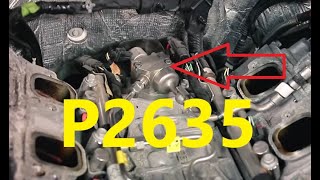
- Check Engine Light is on. 🎬 Watch: A breakdown of common causes and fixes for P2635
- Engine may not start at all.
- Replacing the fuel pump without considering the high-temperature TSB. If the problem only happens on very hot days, a new pump may not solve the issue. This is a common point of frustration for owners who replace parts without success.
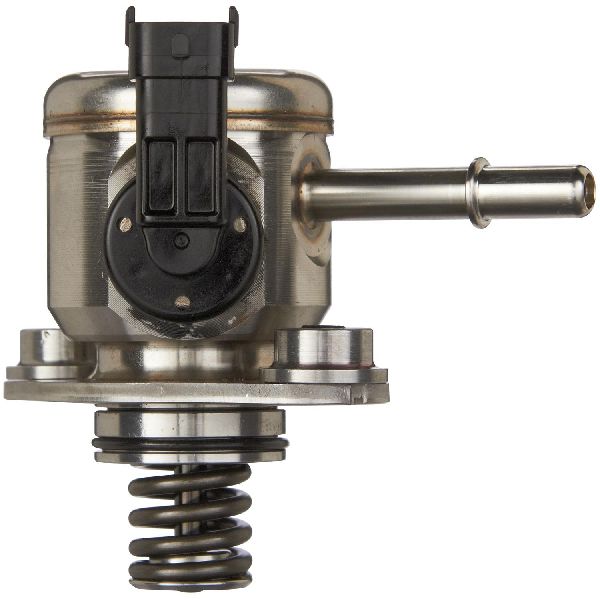
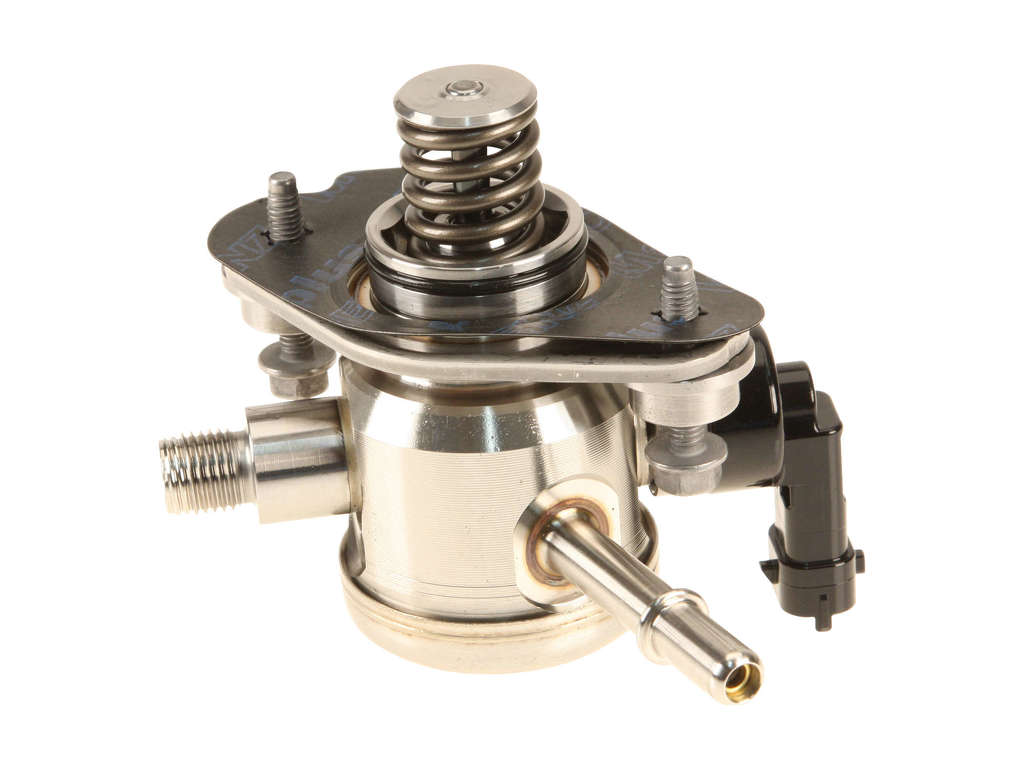
- Mistaking the low-pressure fuel system code (P2635) for an issue with the high-pressure fuel pump (HPFP) that is also present on these direct-injection engines. P2635 specifically refers to 'Fuel Pump A', the in-tank pump.
Most Likely Causes
- High Ambient Temperature Fuel Vaporization 🔴 High Probability As documented in GM TSB #PIP5507B, the fuel system on this platform is susceptible to creating vapor in the fuel line during sustained high temperatures, which mimics the symptoms of a failing pump. This issue is noted to primarily affect vehicles in hot states like TX, AZ, UT, NV, CA, and NM, but can occur anywhere with extreme heat.
How to confirm: The issue primarily occurs during ambient temperatures of 100°F (37.7°C) or higher and may not be present in cooler weather. The code P018B (Fuel Pressure Sensor 'B' Circuit Range/Performance) is often present at the same time.
Typical fix: GM's recommendation is to use fuels with an octane rating greater than 91, avoid extended idling periods, and park in a covered area when possible. The TSB explicitly states that replacing the fuel pump will not fix this specific heat-related concern. Another TSB, PIP5411E, addresses a similar issue on other GM vehicles and involves replacing the in-tank fuel pump with a new design, but PIP5507B directs technicians to follow its advice if the pump has already been replaced or if the vehicle isn't covered by PIP5411.
Est. part cost: $0 - Failing In-Tank Fuel Pump 🟡 Medium Probability → Shop Fuel Pump Like any vehicle, the electric in-tank fuel pump can weaken over time due to wear on its internal components like brushes and bearings. This is a common failure part on many modern vehicles.
How to confirm: A mechanic can perform a fuel pressure test. For GM vehicles of this era, the 'Key On' prime pressure should be between 55-65 psi. A pressure reading below specification confirms a low-flow condition. This test should be done when the problem is occurring, if possible.
Typical fix: Replace the in-tank fuel pump module. This is the correct fix if the issue is not related to the high-temperature TSB.
Est. part cost: $200-$400 - Clogged Fuel Filter ⚪ Low Probability → Shop Fuel Filter The fuel filter is integrated into the fuel pump module assembly and is not serviced separately. While designed to last the life of the pump, it can become restricted by contaminants in the fuel, leading to low flow.
How to confirm: Diagnosing a clogged filter usually involves ruling out other components first. A significant pressure drop during a fuel pressure test under load can point to a restriction. The most definitive test is to replace the fuel pump module, which includes a new filter.
Typical fix: Replace the fuel pump module, which includes the filter.
Est. part cost: $200-$400
Rare But Worth Checking
- Faulty Fuel Pump Control Module (FPCM): → Shop Fuel Pump The FPCM, also called the fuel pump driver module, regulates the voltage to the fuel pump to control its speed. On the Verano, it is located in the trunk behind the passenger side trim panel. A faulty module can fail to send the correct power, causing low flow. In some cases, communication loss between the ECM and FPCM can also trigger P2635.
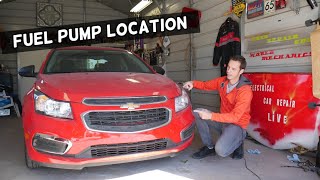
- Damaged Wiring or Connectors: Corrosion or damage to the wiring for the fuel pump or FPCM can cause an intermittent loss of power or signal, leading to low fuel flow. A visual inspection of the harness, especially at the FPCM in the trunk and at the top of the fuel tank, is a key 🎬 See this video to find the fuel pump location diagnostic step.
Diagnosis Steps
- Check the ambient temperature. If it's over 100°F, suspect the heat-related issue described in TSB #PIP5507B and consider the recommended operational changes (high octane fuel, etc.).
- Scan for other codes. Note if P018B is also present, as this strongly points to the TSB condition.
- If the issue occurs in cooler weather, the next step is to check fuel pressure. Connect a fuel pressure gauge and verify that the 'Key On' prime pressure meets the OEM specification of 55-65 psi.
- Inspect the wiring and connectors at the Fuel Pump Control Module (FPCM), located in the trunk behind the passenger-side trim panel, for any signs of damage or corrosion.
- Check the wiring and connector at the in-tank fuel pump itself. Check for proper voltage (should be 12.0-12.6V with ignition on) and ground.
- If fuel pressure is consistently low and not related to heat, the in-tank fuel pump module is the most likely culprit.
- If fuel pressure is good but the code persists, further diagnosis of the FPCM or a potential communication issue between the ECM and FPCM may be needed.
Parts You'll Likely Need
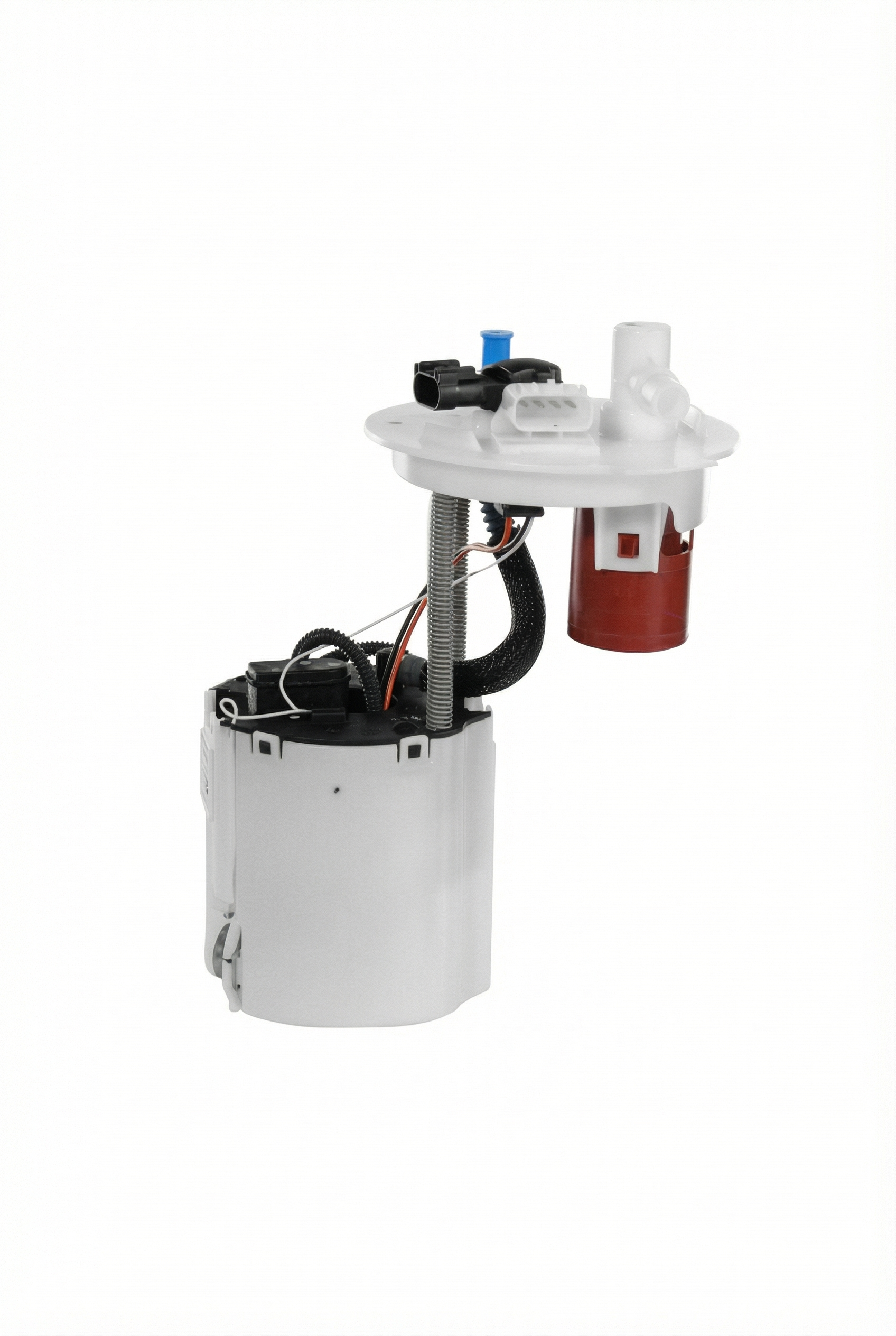
- Fuel Pump Module Assembly
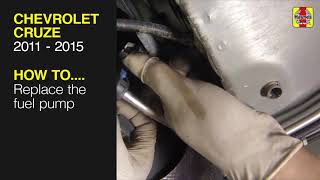
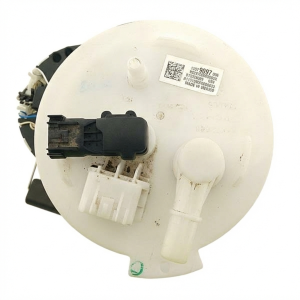
(OEM #13594522 (ACDelco M100153))— If the cause is not heat-related vaporization, a weakening fuel pump is the most common mechanical failure for this code. The module typically includes the pump, sending unit, and filter. This part number is a common replacement for the 2.4L Verano, but always verify with VIN. 🎬 Watch: Step-by-step guide to replacing the in-tank fuel pump
Trusted brands: ACDelco, Delphi
OEM price range: $300-$450
Aftermarket price range: $180-$300
Related Codes That Often Appear With This One
- P018B — This code for 'Fuel Pressure Sensor 'B' Circuit Range/Performance' is often set alongside P2635, as noted in TSB #PIP5507B. They are both related to the same fuel delivery issue under high heat.
- U0074 — This code indicates a loss of communication with the Fuel Pump Control Module (FPCM). If the ECM cannot communicate with the FPCM, it cannot control fuel pressure, which can lead to P2635 being set.
- P069E — This code, 'Fuel Pump Control Module Requested MIL Illumination', often accompanies P2635 and indicates the FPCM has detected a fault and has asked the main engine computer to turn on the Check Engine Light.
Technical Service Bulletins (TSBs) & Recalls
- PIP5507B: States that in ambient temperatures of 100°F or higher, DTCs P2635 and/or P018B may set, accompanied by hesitation or stalling due to vapor buildup in the a fuel line. Recommends using high octane fuel and advises that replacing the fuel pump will not fix this concern.
- PIP5411E: An related TSB for other GM trucks and SUVs with the same codes, which recommends replacing the fuel pump with an updated design. TSB PIP5507B serves as a follow-up if this new pump is already installed and the issue persists.
Platform-Specific Known Issues
- TSB #PIP5507B documents that stalling, hesitation, and codes P2635/P018B can occur in ambient temperatures over 100°F due to fuel vaporization. The bulletin applies to 2013-2017 models across all GM brands and suggests that replacing the fuel pump will not solve this specific issue.
- Owners on forums for platform-mate vehicles like the Chevrolet Camaro have reported chasing this code for months, replacing multiple fuel system components (pump, FPCM, tank) under warranty, only for the code to return in hot weather, confirming the TSB's assertion that it's a condition and not always a failed part.
Mechanic-Grade Diagnostic Values
- Low-Side Fuel Pressure (at fuel rail) — expected: 55-65 PSI (Key On, Engine Off prime or under load). Failure: Pressure is consistently below 55 PSI or drops significantly under load.
- Scan Tool: Fuel Pump Control Module - Actual vs. Desired Fuel Pressure — expected: Actual pressure should track desired pressure closely, within 60 kPa (8.7 PSI) at a 400 kPa (58 PSI) request.. Failure: Actual pressure deviates significantly from desired pressure.
- FPCM Power Supply Voltage (at FPCM connector) — expected: 12.0V - 12.6V with ignition on.. Failure: Voltage is below 12.0V, indicating a supply or wiring issue.
- FPCM Ground Circuit Resistance — expected: Less than 0.2 Ω between the FPCM ground pin and a clean chassis ground.. Failure: Resistance is higher than 0.2 Ω, indicating a poor ground connection.
- FPCM Command Signal (at FPCM connector, Dark Green/White wire) — expected: Test light illuminates for 3-6 seconds with key on, or constantly while cranking.. Failure: No signal from the PCM, indicating a wiring break or faulty PCM.
Scan Tool Commands That Help
- GDS2 (GM Tech Tool): Fuel Pump Control / Fuel Pressure Control — Allows a technician to manually command the FPCM to increase or decrease fuel pump duty cycle. This is used to verify if the FPCM and fuel pump respond to commands, helping to isolate the fault between the control module, the pump itself, or the PCM's request signal.
- GDS2 (GM Tech Tool): FPCM Programming/Setup — Required after replacing the Fuel Pump Control Module. The new module must be programmed with the vehicle's VIN and specific calibration file to function correctly.
Wiring & Ground Locations
- Fuel Pump Control Module (FPCM) — In the trunk, located behind the passenger side trim panel.. This is the brain that controls the fuel pump. Its location in the trunk makes it susceptible to moisture if there are any water leaks, and its connector is a primary point for diagnostic testing.
- FPCM Connector (at module) — On the FPCM module itself.. This connector is where all power, ground, and signal tests are performed. Key pins on common GM modules are: Pin 1 (Black wire) for Ground, Pin 13 (Dark Green/White wire) for the command signal from the PCM, Pin 32 (Red/White wire) for battery power, and Pin 47 (Gray wire) for voltage output to the fuel pump.
- FPCM Ground — The FPCM is often grounded through its mounting bolts to the chassis, and may also have a dedicated ground wire in its harness (Pin 1, Black).. A poor ground connection is a common cause of intermittent and difficult-to-diagnose FPCM issues. The mounting surface must be clean and free of corrosion for a solid ground path.
Real Owner Repair Stories
- YouTube channel 'Burnin Gas' (2012 Chevrolet Silverado 1500 (similar GM fuel control logic)) — P2635, fuel pressure dropping to 38-40 PSI on acceleration, misfiring under light throttle up a hill.
❌ Tried (didn't work) Replaced the in-tank fuel pump with an expensive OEM part., Replaced the Fuel Pump Control Module (FPCM).
✅ What actually fixed it The Mass Airflow (MAF) sensor was removed and found to be covered in oil residue and black dirt. Cleaning the MAF sensor with brake cleaner resolved all symptoms and the P2635 code did not return. The vehicle never set a MAF-specific trouble code.
"I Checked Everything" — The Actual Cause
- In a documented case on a similar GM truck, all fuel system diagnostics for P2635 pointed towards a bad pump or module, both of which were replaced without fixing the issue. The actual cause was a dirty Mass Airflow (MAF) sensor that was providing incorrect airflow data to the engine computer. This caused the computer to misinterpret the fuel needs and incorrectly flag the fuel pump's performance, even though the fuel system itself was operating as commanded. The MAF sensor never threw its own code, making it a hidden cause.
When the Usual Fixes Don't Work
- While P2635 almost always directs diagnosis towards the low-pressure fuel pump, its control module (FPCM), or wiring, there are confirmed cases where the root cause is entirely outside the fuel system. One notable example involved a dirty Mass Airflow (MAF) sensor. The contaminated sensor caused the engine computer to incorrectly calculate engine load and demand more fuel than necessary. When the fuel pump delivered the *correct* amount of fuel for the *actual* engine conditions, the computer saw this as a performance failure because it didn't match the erroneously high demand it had calculated. This triggered a P2635 code without ever setting a code for the MAF sensor itself, leading to the unnecessary replacement of the fuel pump and FPCM before the true, non-fuel-system-related cause was found.
OEM Part Supersession History
Original square 4-pin fuel pump module connector→Updated flat 4-pin fuel pump module connector— The original connector used small contacts that were susceptible to corrosion and failure. The updated design uses larger, more robust connecting pins to prevent this.
Heads up: When replacing the fuel pump module on an older vehicle, it will likely come with the new flat connector. A pigtail adapter harness must be spliced into the vehicle's factory wiring to adapt the old square plug to the new flat one. Do not match wire colors; match pin locations (A, B, C, D) based on the instructions provided with the part.
Helpful Videos
Used OEM Parts in Stock
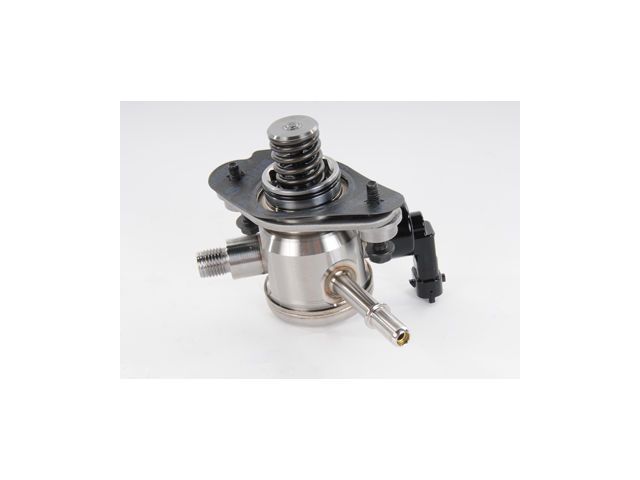
New Aftermarket Parts Available



The information in this article is provided for general reference and educational purposes only. Vehicle specifications, procedures, and part compatibility can vary by production date, trim level, and region. Always consult your vehicle's factory service manual and verify part numbers before purchasing or performing repairs. Safety-critical components such as airbags, seat belts, and braking systems should be installed by a qualified professional.
- Buick VERANO:
- 🧭 Diagnostic Flowchart
- 🎬 Helpful Videos
- 🛍️ Shop This Part
- What's Unique About the 2013-2017 Buick VERANO
- Symptoms You May Notice
- Most Likely Causes
- Rare But Worth Checking
- Diagnosis Steps
- Parts You'll Likely Need
- Related Codes That Often Appear With This One
- Technical Service Bulletins (TSBs) & Recalls
- Platform-Specific Known Issues
- Mechanic-Grade Diagnostic Values
- Scan Tool Commands That Help
- Wiring & Ground Locations
- Real Owner Repair Stories
- "I Checked Everything" — The Actual Cause
- When the Usual Fixes Don't Work
- OEM Part Supersession History
- 🎟️ Get 5% Off