

P2635 on 2014-2016 Cadillac ELR: Fuel Pump Performance and High-Temp Stalling Fixes
On a 2014-2016 Cadillac ELR, code P2635 means the fuel pump for the gas engine isn't providing enough flow. This is often triggered by high ambient temperatures (over 100°F), causing vapor buildup in the fuel line. This issue is shared with its platform-mate, the Chevrolet Volt. While a failing fuel pump is possible, the issue is often environmental, as noted in GM Technical Service Bulletin PIP5507B, which states a pump replacement will not fix the environmental cause.
- P2635 on an ELR indicates low fuel flow from the gas engine's fuel pump.
- Before replacing parts, check if the problem only occurs in extreme heat (100°F+), as it could be a known vapor lock issue that a new pump won't fix.
- If the pump has failed, replacement is a difficult and hazardous job that requires dropping the fuel tank and is best left to a professional.
- Code P018B frequently appears with P2635, pointing strongly to a fuel delivery problem, especially one related to high temperatures.
- Using high-octane fuel (91+) may help mitigate the high-temperature stalling issue.
What's Unique About the 2014-2016 Cadillac ELR
The Cadillac ELR is a range-extended electric vehicle (EREV) based on the first-generation Chevrolet Volt platform, sharing the same powertrain and fuel system. Its gasoline engine and fuel system may operate infrequently. A key issue, documented in GM Technical Service Bulletin #PIP5507B, is that high ambient temperatures above 100°F (37.7°C) can cause vapor buildup in the fuel line, triggering code P2635 and causing stalling or hesitation, even with a perfectly functional fuel pump. This sensitivity to heat is a known characteristic of this platform and its sibling, the Chevy Volt.
Diagnostic Flowchart
Tap your situation to follow the diagnostic path that matches what you're seeing on this vehicle.
Symptoms You May Notice
- Hesitation or stumbling during acceleration when the gas engine is running.
- Engine stalling, particularly in very hot weather.
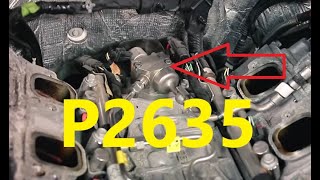
- Check Engine Light is on. 🎬 Watch: A breakdown of P2635 causes and common fixes.
- Reduced engine power.
- Longer cranking time for the gasoline engine to start.
- Engine surging.
- Replacing the fuel pump when the actual cause is high ambient temperatures causing vapor lock, as noted in TSB PIP5507B.
Most Likely Causes
- High Ambient Temperatures Causing Fuel Vapor Lock 🔴 High Probability As documented in TSB #PIP5507B, the fuel system on this platform is susceptible to vapor buildup in the fuel feed line in temperatures over 100°F (37.7°C), particularly in states like AZ, CA, NV, NM, TX, and UT.
How to confirm: Check the freeze frame data with an OBD-II scanner to see the ambient temperature when the code was set. If it was over 100°F and the symptoms match, this is the likely cause. The issue is intermittent and directly tied to heat.
Typical fix: GM advises using fuel with an octane rating over 91, avoiding extended idling, and parking in a covered area during extreme heat. The TSB explicitly states that replacing the fuel pump will not repair this specific environmental concern.
Est. part cost: $0 - Failing Fuel Pump Module 🟡 Medium Probability → Shop Fuel Pump The fuel pump can fail like in any vehicle. The module includes the pump motor, fuel level sender, and sometimes a fuel pressure sensor. Some GM vehicles received an updated fuel pump design with a one-way breather valve to better handle vapor buildup, though TSB PIP5507B for the ELR/Volt advises against replacement for the high-temp issue.
How to confirm: A mechanic can perform a fuel pressure test by connecting a gauge to the fuel rail. If the pressure is below the manufacturer's specification (typically 55 psi under load), the pump is likely weak.
Typical fix: Replace the entire in-tank fuel pump module. This requires dropping the pressurized fuel tank.
Est. part cost: $230-$350 - Faulty Fuel Pump Control Module (FPCM) ⚪ Low Probability → Shop Fuel Pump
How to confirm: Requires advanced diagnostics to test the communication and output signals from the FPCM to the fuel pump. A professional scan tool is needed to command the pump and monitor its response.
Typical fix: Replace the Fuel Pump Control Module. It may require programming to the vehicle's VIN.
Est. part cost: $100-$200
Rare But Worth Checking
- Clogged Fuel Filter: → Shop Fuel Filter The fuel filter is typically integrated into the fuel pump module assembly on this vehicle. While not a separate part to replace, a blockage within the original module can cause low flow.
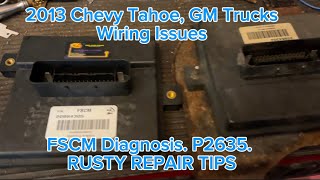
- Damaged Wiring or Connectors: Corrosion or damage to the wiring harness leading to the fuel pump module can cause intermittent power loss and trigger this code. A visual inspection of the harness is necessary. 🎬 See how to diagnose FPCM wiring and corrosion issues.
- Faulty Fuel Pressure Sensor: → Shop Fuel Pressure Sensor While less common, a faulty fuel pressure sensor can send incorrect data to the ECM, causing it to believe there is a flow problem when there isn't one. This often sets other codes, like P018B, alongside P2635.
Diagnosis Steps
- Connect an OBD-II scanner to read the code and check for any other related codes, like P018B.
- Review the freeze frame data to identify the conditions when the code was set, paying close attention to the ambient air temperature.
- If the temperature was above 100°F (37.7°C), consider the possibility of vapor lock as described in TSB PIP5507B. Follow the TSB's advice before replacing parts.
- Inspect the wiring and connectors for the fuel pump module and Fuel Pump Control Module (FPCM) for any signs of damage, corrosion, or loose connections.
- Perform a fuel pressure test using a mechanical gauge connected to the fuel rail. Compare the readings at idle and under load to the manufacturer's specifications.
- If fuel pressure is low and the high-temp TSB does not apply, the fuel pump module is the primary suspect.
- If fuel pressure is normal but the code persists, further diagnosis of the FPCM and its circuit is required 🎬 Watch: Troubleshooting a persistent P2635 code on GM platforms. using an advanced scan tool.
Parts You'll Likely Need
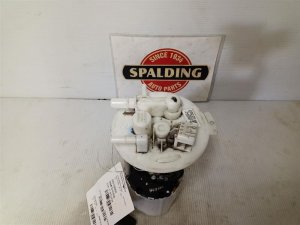
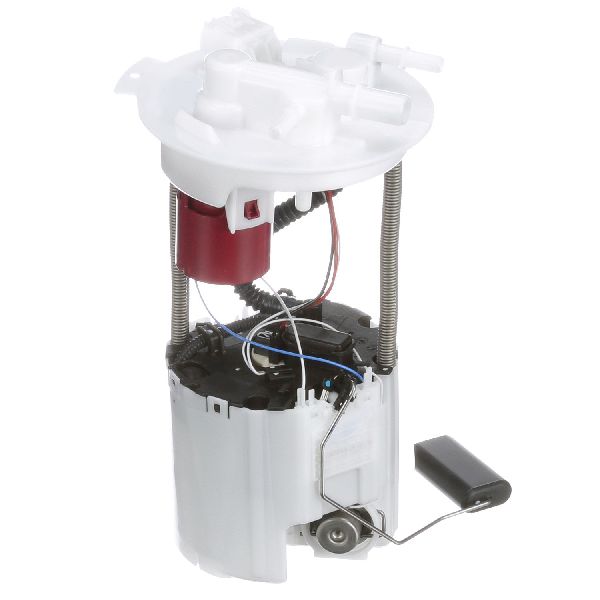
- Fuel Pump Module Assembly
(OEM #13595835)— This is the most common hardware failure for code P2635 when it is not caused by the high-temperature environmental issue. It contains the pump motor, which can wear out, and the integrated fuel filter, which can clog.
Trusted brands: ACDelco, Delphi
OEM price range: $230-$280
Aftermarket price range: $150-$220
Related Codes That Often Appear With This One
- P018B — This code for 'Fuel Pressure Sensor 'B' Circuit Range/Performance' is often set alongside P2635, especially during high-temperature events, as they are both related to the fuel delivery system's performance. TSB PIP5507B explicitly mentions both codes occurring together.
Technical Service Bulletins (TSBs) & Recalls
- PIP5507B: Stalling - Hesitation - Lack Of Performance P018B And/Or P2635 Setting In High Ambient Temperatures. This TSB explains that vapor buildup in the fuel line can cause these symptoms and codes in very hot weather, and that replacing the pump won't fix it. It recommends using higher octane fuel and avoiding extended idling.
- 17-NA-335: This TSB supersedes a previous one (PIP5411F) and, for other GM models with similar issues, recommends replacing the fuel pump module with an updated version to address vapor buildup. However, PIP5507B remains the primary guidance for the ELR/Volt high-temp scenario, advising against pump replacement.
Platform-Specific Known Issues
- A known issue documented in TSB #PIP5507B is the setting of codes P2635 and P018B in ambient temperatures over 100°F (37.7°C), leading to hesitation or stalling due to vapor buildup in the fuel line. The bulletin notes that replacing the fuel pump will not fix this specific environmental issue.
- This issue is not unique to the ELR and is also documented for its platform-mate, the Chevrolet Volt, as well as other GM vehicles from the same era.
Mechanic-Grade Diagnostic Values
- Low-side fuel pressure (Key On, Engine Off) — expected: 55-60 psi during the initial prime pulse.. Failure: Pressure significantly below 55 psi indicates a weak in-tank pump or leak.
- Voltage at fuel pump power feed (at FPCM) — expected: 12.0–12.6 V with ignition on.. Failure: A drop below 11.5 V suggests a problem with the wiring or FPCM voltage regulation.
- Resistance on fuel pump power or ground wires — expected: Close to 0 Ω.. Failure: Values above 0.2 Ω indicate excessive resistance from corrosion or a poor connection.
- Fuel pressure sensor reading after cold engine depressurization command — expected: Should drop to zero PSI and the engine will stall.. Failure: If the sensor reading remains stuck at a value like 30-40 PSI after the engine stalls, the sensor itself is faulty.
Scan Tool Commands That Help
- GDS2 / Tech2: Fuel System Depressurize — Used with a cold engine to test if the fuel pressure sensor is stuck and not reading down to zero, which can falsely trigger P2635 and P018B.
- GDS2 / Tech2: Fuel Pump Duty Cycle Command — To command the FPCM to operate the pump at various speeds and verify the module is responding correctly to ECM requests.
- GDS2 / Tech2: Fuel Pump Driver Control Module Configuration — This programming function may be required after replacing the Fuel Pump Control Module (FPCM) to ensure it communicates correctly with the vehicle.
Wiring & Ground Locations
- Fuel Pump Control Module (FPCM) — Typically mounted to the driver's side frame rail, often near the rear of the vehicle, sometimes above the spare tire area.. This is the central control unit for the fuel pump. Its connector is the primary point for testing power from the main fuse box, ground integrity, and the command signal from the ECM. Corrosion at this location is a common cause of failure.
Real Owner Repair Stories
- gm-volt.com forum community (2011-2015 Chevrolet Volt (shared platform)) — Engine stalling or hesitation when the gasoline engine kicks on, but only during very hot summer days (typically >100°F). Check engine light with codes P2635 and P018B.
❌ Tried (didn't work) Replacing the fuel pump (dealers sometimes attempt this before being aware of the TSB)., Replacing the fuel pressure sensor.
✅ What actually fixed it The issue is environmental and related to fuel vapor buildup as described in TSB PIP5507B. Owners report the problem disappears entirely when ambient temperatures drop. The most common 'fixes' are managing the environmental factors: using 91+ octane fuel, parking in the shade, and avoiding long idles in extreme heat. No part replacement permanently solves this specific heat-related trigger.
OEM Part Supersession History
13578102, 13580932, 13583979, 13584323, 13594163→13595835— Standard part consolidation and potential minor revisions over the production life of the vehicle platform.
Heads up: While other GM platforms received an updated pump design specifically for vapor lock issues (per TSB 17-NA-335), the guidance for the ELR/Volt's high-temp issue (TSB PIP5507B) is to NOT replace the pump, as it will not fix the environmental cause.
Model Year Variations Within This Range
- 2014-2016: No significant variations in the fuel pump or control system are documented for the Cadillac ELR within its short production run. The same fuel pump module (13595835) is specified for all years.
Helpful Videos
Used OEM Parts in Stock
New Aftermarket Parts Available




The information in this article is provided for general reference and educational purposes only. Vehicle specifications, procedures, and part compatibility can vary by production date, trim level, and region. Always consult your vehicle's factory service manual and verify part numbers before purchasing or performing repairs. Safety-critical components such as airbags, seat belts, and braking systems should be installed by a qualified professional.
- Cadillac ELR:
- 🧭 Diagnostic Flowchart
- 🎬 Helpful Videos
- 🛍️ Shop This Part
- What's Unique About the 2014-2016 Cadillac ELR
- Symptoms You May Notice
- Most Likely Causes
- Rare But Worth Checking
- Diagnosis Steps
- Parts You'll Likely Need
- Related Codes That Often Appear With This One
- Technical Service Bulletins (TSBs) & Recalls
- Platform-Specific Known Issues
- Mechanic-Grade Diagnostic Values
- Scan Tool Commands That Help
- Wiring & Ground Locations
- Real Owner Repair Stories
- OEM Part Supersession History
- Model Year Variations Within This Range
- 🎟️ Get 5% Off