

P2635 on 2013-2017 Chevrolet Captiva: Fuel Pump Performance Causes and Fixes
On a 2013-2017 Chevrolet Captiva, code P2635 typically indicates a problem with the fuel pump's performance, often triggered by high ambient temperatures over 100°F (37.7°C). The most common causes are a failing in-tank fuel pump or a faulty Fuel Pump Control Module (FPCM). The definitive GM-recommended fix for the heat-related issue is to replace the fuel pump module with an updated part per TSB 17-NA-335.
- P2635 on a Captiva is a serious code indicating a fuel flow problem that can cause stalling, posing a safety risk.
- Check if the problem occurs primarily in very hot weather (100°F+), as this points to a known issue described in TSB 17-NA-335.
- The official fix for the heat-related problem is to replace the in-tank fuel pump module with an updated part, not just to use higher octane fuel.
- The Fuel Pump Control Module (FPCM) is another likely culprit and requires programming if replaced.
- This issue is also common on the Chevrolet Equinox, GMC Terrain, and Saturn Vue.
What's Unique About the 2013-2017 Chevrolet CAPTIVA
The Chevrolet Captiva (sold in the U.S. as the Captiva Sport, a rebadged Saturn Vue) and its platform mates like the Chevy Equinox and GMC Terrain have a well-documented issue with this code. General Motors issued Technical Service Bulletin 17-NA-335, which supersedes older bulletins like PIP5507B. This TSB confirms that in high ambient temperatures, vapor can build up in the fuel feed line, causing the pump to underperform and leading to hesitation or stalling. The official correction is to replace the fuel pump module with an updated design, making this a specific design sensitivity rather than a random part failure.
Diagnostic Flowchart
Tap your situation to follow the diagnostic path that matches what you're seeing on this vehicle.
Symptoms You May Notice
- Hesitation or surging during acceleration.
- Engine stalling, especially when hot or idling.
- Reduced engine power, particularly under load.
- Extended cranking time before the engine starts.
- Check Engine Light is on. 🎬 Watch this video for a quick overview of P2635 causes.
- Replacing the high-pressure fuel pump (for GDI engines) when P2635 on this platform specifically relates to the low-pressure in-tank pump.
- Replacing the fuel pressure sensor without first verifying that the fuel pump itself can supply adequate pressure and volume, especially under hot conditions.
- Following the outdated advice in TSB PIP5507B (using high-octane fuel) instead of the updated fix in TSB 17-NA-335, which is to replace the fuel pump module.
Most Likely Causes
- Failing In-Tank Fuel Pump 🔴 High Probability → Shop Fuel Pump As outlined in TSB 17-NA-335 (which supersedes PIP5507B), high heat can cause vapor buildup in the fuel line that the original pump design cannot handle, leading to performance loss and eventual failure. The official fix is to replace the entire module with an updated part designed to prevent this vapor lock.
How to confirm: Use a scan tool to monitor commanded vs. actual low-side fuel pressure during the event. A significant pressure drop during hesitation, especially in hot weather, points to the pump. 🎬 Watch a professional diagnostic of this low fuel pressure code. A technician can also bypass the FPCM to send full power to the pump; if pressure does not rise to specification (e.g., ~80 psi), the pump is weak.
Typical fix: Replace the in-tank fuel pump module assembly. It is critical to use the updated part number specified by GM to permanently resolve the high-temperature performance issue.
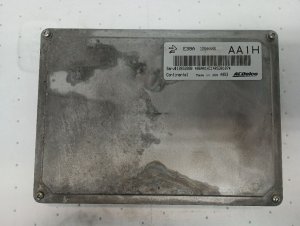
Est. part cost: $150-$350 - Faulty Fuel Pump Control Module (FPCM) 🟡 Medium Probability → Shop Fuel Pump The FPCM regulates voltage to the fuel pump. On many GM vehicles of this era, these modules are known to fail due to age, heat, or moisture, causing them to send incorrect signals or insufficient voltage to the pump. Its location in the rear of the vehicle can expose it to the elements.
How to confirm: With a scan tool, check for communication with the FPCM and look for any FPCM-specific trouble codes. Inspect the module and its connector (often located in the left rear compartment area, near the fuel tank) for corrosion or damage. A technician can command the pump on/off via the scan tool to test the module's function.
Typical fix: Replace the Fuel Pump Control Module. This part requires programming and/or special setup 🎬 See how to replace and inspect the fuel pump module. procedures to the vehicle's VIN to ensure proper operation.
Est. part cost: $80-$150 - Clogged Fuel Filter ⚪ Low Probability → Shop Fuel Filter The fuel filter is integrated into the fuel pump module assembly. While not a separate failure point, a prematurely clogged filter due to poor fuel quality or tank contamination will restrict flow and trigger this code, presenting the same symptoms as a weak pump.
How to confirm: This is typically diagnosed by observing low fuel pressure during a pressure test, even if the pump motor sounds like it's working hard. It's often discovered during the fuel pump replacement.
Typical fix: The entire fuel pump module assembly must be replaced, as the filter is not serviced separately.
Est. part cost: $150-$350
Rare But Worth Checking
- Wiring Issue: Damage to the wiring harness for the fuel pump or FPCM can cause intermittent power loss or signal issues, mimicking a component failure. Check for chafed or corroded wires, especially near the FPCM connector.
- Chafed Engine Wiring Harness: On platform mates like the Equinox, TSB PIT5203A documents a specific issue where the engine wiring harness can rub against the engine or valve cover. This can cause an electrical short, potentially blowing a fuse and setting code P2635 along with other electrical codes like P06A3 or P2122.
Diagnosis Steps
- Check for Technical Service Bulletins (TSBs). Specifically, review TSB 17-NA-335, which supersedes PIP5507B and recommends replacing the fuel pump module for high-heat conditions.
- Connect a scan tool and check for any other stored codes, paying close attention to P018B, which strongly indicates the known heat-related issue.
- Review the freeze frame data to see the conditions (especially ambient temperature) when the code was set. Temperatures at or above 100°F (37.7°C) are a key indicator.
- Use the scan tool's live data function to monitor commanded fuel pressure versus actual low-side fuel pressure. A significant discrepancy during a hesitation or stalling event points to a flow problem.
- Inspect the Fuel Pump Control Module (FPCM) and its wiring harness for any signs of physical damage, corrosion, or loose connections. On the Captiva Sport, it is often in the left rear compartment.
- If possible, use the scan tool to command the fuel pump to test the FPCM's ability to control the pump.
- If the module and wiring appear okay, perform a manual fuel pressure and volume test to confirm if the fuel pump is weak. This test is most effective if it can be performed when the vehicle is experiencing the symptom (i.e., when hot).
- If the pump fails the test, it requires replacement with the updated GM part. If it passes, the issue is more likely with the FPCM or wiring.
Parts You'll Likely Need
- Fuel Pump Module Assembly
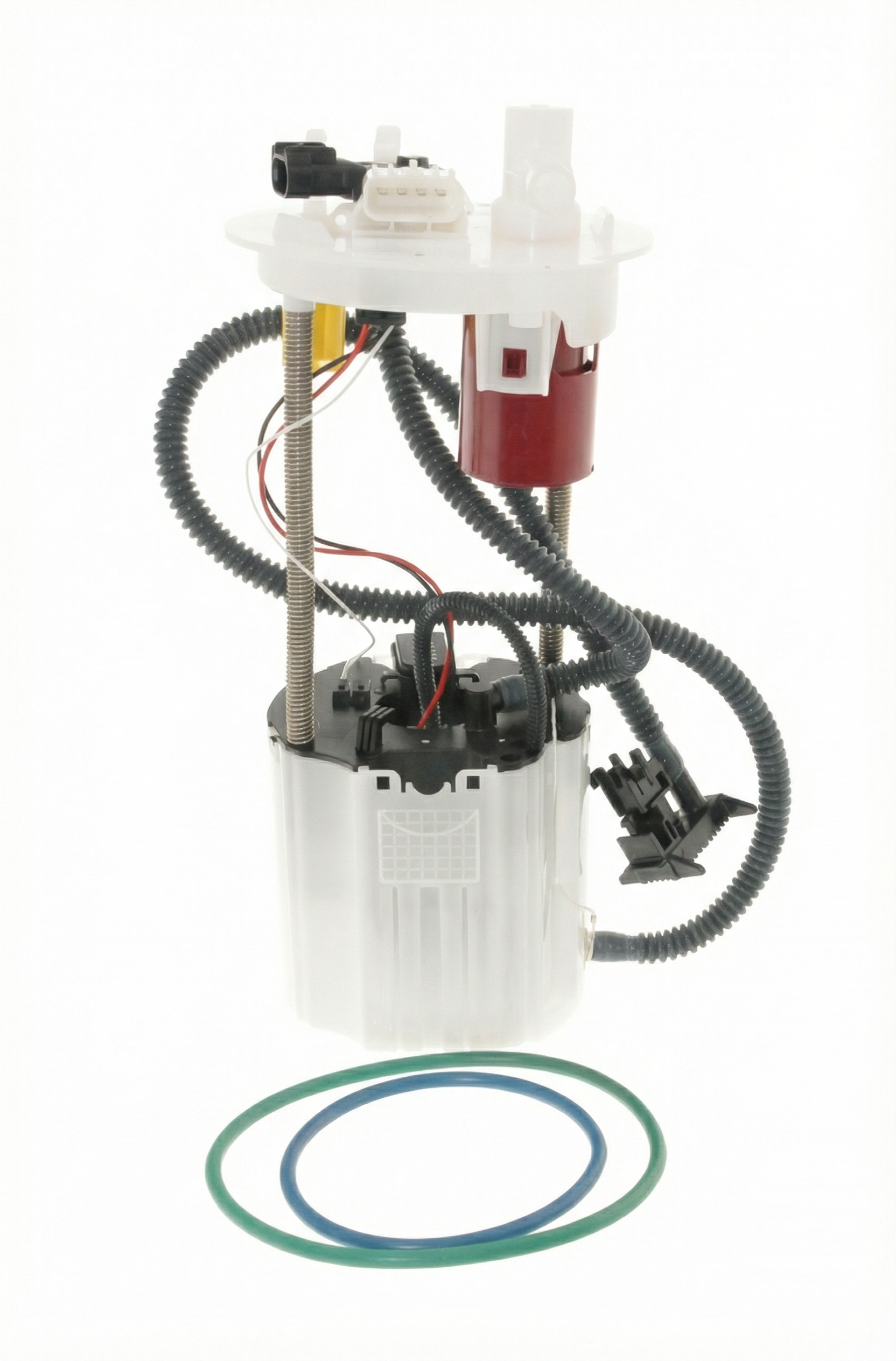
(OEM #MU2130)— This is the most common fix, as it contains the pump, level sensor, and integrated filter. TSB 17-NA-335 for the high-heat issue recommends replacing this part with an updated version to resolve the vapor lock problem.
Trusted brands: ACDelco, Delphi
OEM price range: $250-$350
Aftermarket price range: $150-$250 - Fuel Pump Control Module (FPCM)
(OEM #23482933)— This module controls the fuel pump and is a known failure point on many GM vehicles, leading to incorrect pump operation. A replacement requires programming. This part number supersedes 23103795, 23172742, and 23200138.
Trusted brands: ACDelco, GM Genuine Parts
OEM price range: $100-$150
Aftermarket price range: $80-$120
Related Codes That Often Appear With This One
- P018B — This code for 'Fuel Pressure Sensor 'B' Circuit Range/Performance' is explicitly mentioned in TSBs PIP5507B and 17-NA-335 as appearing alongside P2635 under high-temperature conditions, as they both relate to the same fuel delivery fault.
Technical Service Bulletins (TSBs) & Recalls
- 17-NA-335: Malfunction Indicator Lamp Illuminated (MIL) - DTC P2635 and/or P018B Set In High Ambient Temperatures With Hesitation, Surging and Stalling
- PIP5507B: Stalling - Hesitation - Lack Of Performance P018B And/Or P2635 Setting In High Ambient Temperatures.
- PIP5411F: SES light with DTC's P2635 and/or P018B setting in high ambient temperatures
Platform-Specific Known Issues
- TSB 17-NA-335: Definitive Fix for High-Temperature Stalling: This bulletin supersedes previous TSBs like PIP5507B and PIP5411F. It confirms that in ambient temperatures of 100°F (37.7°C) or higher, the vehicle may set DTCs P2635 and/or P018B, accompanied by hesitation or stalling. The cause is confirmed as vapor buildup in the fuel feed line. Unlike earlier bulletins that suggested workarounds, 17-NA-335 directs technicians to replace the fuel tank fuel pump module with an updated version as the official correction.
Mechanic-Grade Diagnostic Values
- Low-pressure fuel system pressure (Key On, Engine Off) — expected: 402-418 kPa (58.3-60.6 psi). Failure: Pressure below 402 kPa (58.3 psi) indicates a weak in-tank pump or leak.
- Voltage at fuel pump power feed (Ignition On) — expected: 12.0–12.6 V. Failure: A drop below 11.5 V suggests a wiring or FPCM voltage regulation problem.
- Wiring harness resistance — expected: Below 0.2 Ω. Failure: Values above 0.2 Ω may indicate a poor connection or corrosion in the fuel pump or FPCM circuit.
Scan Tool Commands That Help
- GDS2 (Global Diagnostic System 2): Fuel Pump Control Module Programming — This function is required after replacing the FPCM to load the correct calibration software for the vehicle's VIN. Failure to program the new module will result in improper fuel system operation.
- GDS2 (Global Diagnostic System 2): Output Control > Fuel Pump Relay — To manually command the fuel pump on to test the functionality of the FPCM and the pump itself without starting the engine. This helps isolate whether the fault is with the component or the command signal.
- GDS2 (Global Diagnostic System 2): Fuel Pump Self Learning Process — After replacing the fuel pump or FPCM, this function clears old fuel pump data and allows the ECM to learn the parameters of the new module, ensuring accurate fuel delivery.
Wiring & Ground Locations
- FPCM (Fuel Pump Control Module) — Typically located in the rear of the vehicle, near the spare tire area or under the rear seat/carpet.. This is the control center for the low-pressure fuel pump. Its location makes it susceptible to corrosion and wiring damage, which are common causes for P2635.
- GX402 — Ground connection located in the right side of the luggage compartment.. This is a key ground point for the body harness, which includes the fuel pump and FPCM circuits. A poor connection here can cause intermittent power loss and trigger P2635.
- X304 — A 12-pin black connector for the Fuel Sender and Body harness, located below the right 'C' pillar.. This connector is a critical junction for the fuel pump assembly wiring. Corrosion or a loose pin within this connector can interrupt the power or signal for the fuel pump, leading to a P2635 code.
- ECM Connector X1, Pin 20 — At the Engine Control Module (ECM).. Pin 20 (Gray wire) provides the 5-Volt Reference for the fuel pump pressure sensor. A fault in this circuit can cause incorrect pressure readings, leading to a P2635 code.
Real Owner Repair Stories
- YouTube video, channel 'Best Car Fixes' (2016 Chevrolet Tahoe (platform mate with similar fuel system design)) — Engine cuts off while driving.
❌ Tried (didn't work) Initial diagnosis showed intermittent codes P018B and P2635.
✅ What actually fixed it The technician replaced the in-tank fuel pump module with a new design. The video notes the original pump had a two-way breather, while the updated part has a one-way valve to prevent vapor buildup, directly addressing the cause described in GM's TSBs.
OEM Part Supersession History
23103795, 23172742, 23200138→23482933— GM regularly updates service parts to integrate new materials, technologies, or fix known issues.
Heads up: The new part number (23482933) is the correct service replacement for the older numbers on vehicles like the Captiva, Equinox, and Terrain. Always requires programming after installation.
Helpful Videos
![Easy Fix for Common Chevy Problem [Fuel Pump Control Module]](https://img.youtube.com/vi/38Xeo1uLBoU/mqdefault.jpg)
We Have This Part in Stock

The information in this article is provided for general reference and educational purposes only. Vehicle specifications, procedures, and part compatibility can vary by production date, trim level, and region. Always consult your vehicle's factory service manual and verify part numbers before purchasing or performing repairs. Safety-critical components such as airbags, seat belts, and braking systems should be installed by a qualified professional.
- Chevrolet CAPTIVA:
- 🧭 Diagnostic Flowchart
- 🎬 Helpful Videos
- 🛍️ Shop This Part
- What's Unique About the 2013-2017 Chevrolet CAPTIVA
- Symptoms You May Notice
- Most Likely Causes
- Rare But Worth Checking
- Diagnosis Steps
- Parts You'll Likely Need
- Related Codes That Often Appear With This One
- Technical Service Bulletins (TSBs) & Recalls
- Platform-Specific Known Issues
- Mechanic-Grade Diagnostic Values
- Scan Tool Commands That Help
- Wiring & Ground Locations
- Real Owner Repair Stories
- OEM Part Supersession History
- 🎟️ Get 5% Off