

P2635 on 2014-2017 Chevrolet SS: Fuel Pump Performance Causes and Fixes
On a 2014-2017 Chevrolet SS, P2635 is most often caused by vapor buildup in the fuel line in hot weather, as outlined in a GM Technical Service Bulletin. The fix is an updated fuel pump module. Other causes include a failing fuel pump, control module, or wiring.
- For the 2014-2017 Chevy SS, P2635 is strongly linked to a factory-acknowledged issue with fuel vaporization in hot weather (over 100°F).
- The official and definitive fix for this common hot-weather issue is to replace the fuel pump module with an updated part from GM, as per TSB 17-NA-335.
- If the problem does not occur in high heat, standard diagnostics for a failing fuel pump, faulty control module, or wiring issues should be performed.
- Don't immediately replace the Fuel Pump Control Module (FPCM); it's a commonly misdiagnosed part for this code, and early TSB advice was confusing. The updated pump is the primary solution.
What's Unique About the 2014-2017 Chevrolet CHEVEROLET SS
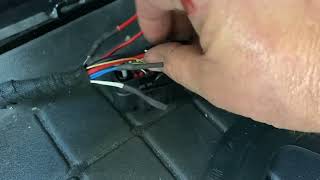
For the Chevrolet SS, this code is specifically linked to high ambient temperatures. General Motors issued a series of Technical Service Bulletins (TSBs) acknowledging that in temperatures over 100°F, these vehicles can experience fuel vapor buildup. This vapor issue prevents the pump from delivering liquid fuel effectively, triggering the P2635 code and causing engine hesitation or stalling. While an early TSB (PIP5507B) gave conflicting advice, the final, superseding bulletin (17-NA-335) 🎬 Watch: Diagnosing P2635 and P018B codes on GM vehicles confirms the definitive fix is to replace the fuel pump module with an updated design.
Diagnostic Flowchart
Tap your situation to follow the diagnostic path that matches what you're seeing on this vehicle.
Symptoms You May Notice
- Hesitation or stumbling on acceleration
- Engine stalling, especially in hot weather
- Reduced engine power
- Surging
- Check Engine Light illuminated
- Extended cranking time before the engine starts
- Replacing the Fuel Pump Control Module (FPCM) without proper diagnosis. Diagnostic documents often warn against replacing the FPCM for a P2635 code alone, as the fuel pump or a wiring issue is more common.
- Replacing the fuel pump without using the updated part number specified in TSB 17-NA-335, leading to a repeat failure in hot weather.
Most Likely Causes
- Fuel Vapor Lock in High Ambient Temperatures 🔴 High Probability A known design flaw documented by GM in TSBs #PIP5507B and the superseding #17-NA-335. In temperatures above 100°F (37.7°C), fuel can vaporize in the feed line, causing a loss of fuel pressure. This issue is also seen in its platform-mate, the Holden Commodore, and other GM vehicles from the era.
How to confirm: The issue primarily occurs in very hot weather, often after the car has been sitting for a short period (heat soak). It will be accompanied by DTC P2635 and, frequently, P018B. The symptoms (hesitation, stalling) will be most noticeable during these high-temperature conditions.
Typical fix: Replace the in-tank fuel pump module with the updated version specified by GM in TSB 17-NA-335. This is a complex job that requires dropping the fuel tank, and on the SS/Commodore, may require lowering the rear subframe for access.
Est. part cost: $300-$600 - Failing Fuel Pump 🟡 Medium Probability → Shop Fuel Pump Aside from the specific vapor lock issue, the fuel pump is a mechanical wear item that can fail over time.
How to confirm: Perform a fuel pressure test with a mechanical gauge to verify if the pressure is below specification, even in cooler weather. Listen for a whining noise from the fuel tank area, which can indicate a failing pump motor.
Typical fix: Replace the in-tank fuel pump assembly.
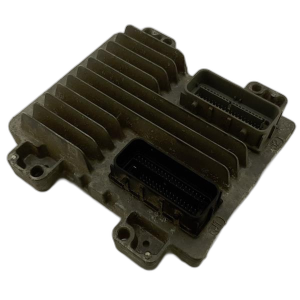
Est. part cost: $300-$600 - Faulty Fuel Pump Control Module (FPCM) ⚪ Low Probability → Shop Fuel Pump
How to confirm: Requires advanced diagnostics to check for communication with the FPCM and to monitor its commands to the fuel pump via a scan tool. This is often diagnosed after ruling out the pump itself.
Typical fix: Replace the Fuel Pump Control Module. It must be programmed to the vehicle upon installation. A common OEM part number is ACDelco 22872266, but always verify with VIN.
Est. part cost: $100-$250 - Wiring or Connector Issues ⚪ Low Probability
How to confirm: Visually inspect the wiring harness and connectors between the FPCM and the fuel pump for any signs of damage, corrosion, or loose connections. Check for proper voltage and ground at the fuel pump connector using a multimeter.
Typical fix: Repair or replace the damaged section of the wiring harness or the connector.
Est. part cost: $20-$100
Rare But Worth Checking
- Clogged Fuel Tank Vent: → Shop Fuel Tank
Diagnosis Steps
- Check for Technical Service Bulletins (TSBs). Note that TSB #17-NA-335 is the definitive bulletin that supersedes all previous ones and specifically addresses P2635 on this vehicle in high heat.
- Scan the vehicle for any other stored DTCs. Note if P018B is present, which strongly points to the TSB condition.
- If operating in high ambient temperatures (over 100°F), and P018B is also present, the vapor lock issue is the primary suspect. The fix is to replace the fuel pump module with the updated part.
- If not in high heat, connect a fuel pressure gauge to the fuel rail to measure actual fuel pressure. Compare the reading to the manufacturer's specifications.
- Use a scan tool to monitor the fuel pump control module commands and the feedback from the fuel pressure sensor. Check fuel trim values for signs of the engine compensating for low fuel delivery.
- Inspect the wiring and connectors for the fuel pump and Fuel Pump Control Module for any visible damage, corrosion, or loose connections.
- If fuel pressure is consistently low (regardless of temperature) and wiring is intact, the fuel pump is the likely culprit.
- If fuel pressure is erratic and doesn't respond correctly to FPCM commands, and the pump and wiring have been ruled out, suspect the FPCM itself.
Parts You'll Likely Need
- Fuel Pump Module
(OEM #Varies; must verify by VIN. (e.g., ACDelco M100291 for SS/Camaro, 13512934 for related SUVs))— This is the official fix for the most common cause of P2635 on this vehicle, which is vapor lock in high temperatures, per GM TSB #17-NA-335. It is also the primary component responsible for delivering fuel. TSBs explicitly state to use the updated part number found by looking up the vehicle's VIN in the official parts catalog.
Trusted brands: ACDelco (GM Genuine)
OEM price range: $400-$600
Aftermarket price range: $300-$500 - Fuel Pump Control Module (FPCM)
(OEM #22872266 (Verify by VIN))— Though less common, the module that controls the fuel pump can fail, leading to incorrect pump operation and triggering this code. It is a common misdiagnosis, so the pump should be ruled out first. Requires programming.
Trusted brands: ACDelco, Dorman
OEM price range: $150-$250
Aftermarket price range: $100-$180
Related Codes That Often Appear With This One
- P018B — This code for 'Fuel Pressure Sensor 'B' Circuit Range/Performance' is almost always set alongside P2635 in high ambient temperatures, as noted in GM's TSBs #PIP5507B and #17-NA-335.
Technical Service Bulletins (TSBs) & Recalls
- 17-NA-335: The final, superseding bulletin that confirms the cause is vapor buildup in high heat and the fix is to replace the fuel pump module with an updated design.
- PIP5507B: An earlier bulletin that describes the same symptoms but contains confusing advice, suggesting workarounds and stating a pump replacement won't fix the issue. This advice was superseded by 17-NA-335.
- PIP5411F: A predecessor to 17-NA-335 that also recommended replacing the fuel pump module and listed part numbers for other affected GM vehicles like trucks and SUVs.
Platform-Specific Known Issues
- A series of Technical Service Bulletins culminating in #17-NA-335 were issued for 2014-2017 Chevrolet SS models that experience DTC P2635 and/or P018B in ambient temperatures of 100°F or higher. The condition causes hesitation or stalling attributed to fuel vapor buildup. The recommended repair is to install an updated fuel pump module.
- The repair is labor-intensive. On the Holden Commodore platform mate, replacing the in-tank fuel pump requires dropping the rear subframe and fuel tank for access, making it a difficult job for the average DIYer.
Mechanic-Grade Diagnostic Values
- Fuel Pressure (Low-Pressure System) — expected: Constant 400 kPa (approx. 58-60 PSI). On some tunes, pressure may be commanded to drop to ~48-51 PSI at high RPM.. Failure: Pressure dropping significantly below 58 PSI under load (unless commanded by the tune) or pressure that is erratic.
- Scan Tool Fuel Pressure vs. Desired Fuel Pressure — expected: The actual fuel pressure reading should remain within 60 kPa (8.7 PSI) of the desired fuel pressure when requested pressure is 400 kPa (58 PSI).. Failure: A discrepancy greater than 60 kPa (8.7 PSI) between the desired and actual pressure readings under various engine loads.
- Fuel Pump Voltage at Connector — expected: 12.0 - 12.6 V with the ignition on.. Failure: Voltage below 11.5 V suggests a wiring or power supply issue upstream of the pump.
Scan Tool Commands That Help
- GDS2 (GM Global Diagnostic System 2): Fuel Pump Control Module Matching / Self Learning Process — After replacing the Fuel Pump Control Module (FPCM), this function may be required to clear old data and allow the ECU to learn the new module's parameters.
- GDS2 (GM Global Diagnostic System 2): Fuel Pump On/Off Bidirectional Control — To manually command the fuel pump on to check for operation (audible noise from tank) and to build pressure for leak testing without starting the engine. This helps isolate a failed pump from a control-side issue.
- GDS2 (GM Global Diagnostic System 2): Fuel System Pressure Test — This automated test likely commands the pump to various duty cycles while monitoring the fuel pressure sensor to verify the pump and sensor are responding correctly across the operating range.
Wiring & Ground Locations
- K38 Fuel Pump Control Module (FPCM) — Located under the battery tray in the trunk of the 2014-2017 Chevrolet SS.. This is the control unit for the fuel pump. All power and control signals for the pump pass through this module. It is also a pass-through node on the GM-LAN (CAN bus), meaning if it is unplugged without bypassing the data lines, other vehicle modules will lose communication and set numerous codes.
- FPCM GM-LAN Data Wires — At the FPCM connector. There are two pairs of data wires (typically blue and white) that pass through the module.. If the FPCM is being bypassed for an aftermarket fuel system, these wires must be spliced together (blue-to-blue, white-to-white) to maintain the integrity of the vehicle's data bus and prevent widespread communication faults.
- Fuel Pump Power and Ground Wires — At the FPCM connector. The gray wire is the power supply from the FPCM to the fuel pump, and there is a corresponding ground wire.. These wires can be tested for voltage and continuity to diagnose whether a failure is in the wiring between the FPCM and the pump itself.
Real Owner Repair Stories
- YouTube video by 'Chevy ss sedan' (2014 Chevrolet SS) — Stalling in hot weather, accompanied by codes P2635 and P018B.
❌ Tried (didn't work) The owner did not report trying other fixes first, as they were aware of the TSB.
✅ What actually fixed it The owner identified the cause as the known vapor lock issue described in GM TSBs. The video shows the difference between the old fuel pump design and the new, updated design which features a one-way breather bulb to prevent vapor buildup. Replacing the fuel pump module with the new design resolved the issue.
OEM Part Supersession History
22916060, 23320820, 23365364, 23482557→84082493— These are part numbers for the Fuel Pump Control Module (FPCM) that have been superseded over time. The latest number is typically the most revised and reliable version.
Heads up: While physically interchangeable, replacing the FPCM requires programming to the vehicle's VIN. Some aftermarket suppliers offer pre-programmed modules.Varies by VIN→Updated part per TSB 17-NA-335— The original fuel pump module design was susceptible to vapor lock in high temperatures. The updated module has a revised one-way breather valve to mitigate this.
Heads up: Using an old stock or non-updated pump will not fix the hot weather stalling issue. The correct, updated part must be sourced by VIN through an official GM parts catalog.
Helpful Videos
Used OEM Parts in Stock
New Aftermarket Parts Available




The information in this article is provided for general reference and educational purposes only. Vehicle specifications, procedures, and part compatibility can vary by production date, trim level, and region. Always consult your vehicle's factory service manual and verify part numbers before purchasing or performing repairs. Safety-critical components such as airbags, seat belts, and braking systems should be installed by a qualified professional.
- Chevrolet CHEVEROLET SS:
- 🧭 Diagnostic Flowchart
- 🎬 Helpful Videos
- 🛍️ Shop This Part
- What's Unique About the 2014-2017 Chevrolet CHEVEROLET SS
- Symptoms You May Notice
- Most Likely Causes
- Rare But Worth Checking
- Diagnosis Steps
- Parts You'll Likely Need
- Related Codes That Often Appear With This One
- Technical Service Bulletins (TSBs) & Recalls
- Platform-Specific Known Issues
- Mechanic-Grade Diagnostic Values
- Scan Tool Commands That Help
- Wiring & Ground Locations
- Real Owner Repair Stories
- OEM Part Supersession History
- 🎟️ Get 5% Off