

P2635 on 2015-2017 Chevrolet City Express: Fuel Pump Low Flow Causes and Fixes
On a 2015-2017 City Express, code P2635 almost always indicates a failing fuel pump, especially in hot weather. A GM Technical Service Bulletin confirms this issue is due to vapor buildup in the fuel line. Replacing the fuel pump assembly with an updated part is the most common and manufacturer-recommended fix, costing between $200 and $450 for the part.
- P2635 on a City Express strongly points to a fuel pump problem, not just a sensor.
- The issue is very likely to appear or worsen in hot weather, a fact documented by GM TSB #17-NA-335 which identifies the cause as fuel vapor buildup.
- The most reliable fix is to replace the entire fuel pump
What's Unique About the 2015-2017 Chevrolet CITY EXPRESS
The Chevrolet City Express is a rebadged Nissan NV200, sharing its 2.0L MR20DE engine and fuel system. A key issue for this platform, documented in GM Technical Service Bulletin #PIP5507B and its successor #17-NA-335, is that the fuel pump can fail to perform correctly in high ambient temperatures (above 100°F/38°C). This heat-related failure, caused by vapor buildup in the fuel feed line, is a very common cause for the P2635 code on this specific vehicle. GM recommends replacing the fuel pump module with an updated version to correct the condition.
Diagnostic Flowchart
Tap your situation to follow the diagnostic path that matches what you're seeing on this vehicle.
Symptoms You May Notice
- Hesitation, surging, or stalling, especially during acceleration or in hot weather.
- Check Engine Light is on.
- Engine is hard to start or takes longer to crank before firing.
- Reduced engine power and poor acceleration, especially when going uphill.
- Engine may shut off while driving or idling.
- Replacing the fuel pressure sensor. While a faulty sensor can cause incorrect readings, TSB #17-NA-335 for this vehicle points directly to a mechanical/thermal pump issue, especially when symptoms are heat-related. The TSB even mentions that if an updated pump is already installed, it should not be replaced again, shifting focus away from the pump in those cases.
Most Likely Causes
- Failing Fuel Pump Assembly 🔴 High Probability → Shop Fuel Pump GM TSB #17-NA-335 explicitly states this condition may be caused by vapor buildup in the fuel feed line in high ambient temperatures and instructs technicians to replace the fuel pump module with an updated version. This supersedes the earlier TSB #PIP5507B. The issue is common to its platform-mate, the Nissan NV200.
How to confirm: Perform a fuel pressure test. While a mechanical gauge can be used, a scan tool monitoring desired vs. actual fuel pressure is more effective. If the FPCM is commanding the pump but pressure is low or erratic (especially under heat/load), the pump is faulty. The typical pressure range is 30-80 PSI depending on the system, but a drop below the specified range (e.g., 35 PSI) triggers the code.
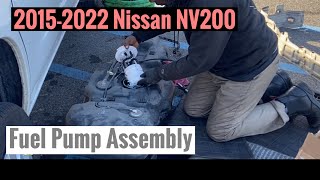
Typical fix: Replace the entire fuel pump module assembly located in the fuel tank. 🎬 Watch this step-by-step guide on replacing the fuel pump assembly. It is critical to use the updated part number specified by GM/Nissan to permanently resolve the heat-related issue. The corresponding Nissan part number is 17040-3LM0E, which supersedes several previous versions (3LM0A, 3LM0B, etc.).
Est. part cost: $200-$450 - Faulty Fuel Pump Control Module (FPCM) ⚪ Low Probability → Shop Fuel Pump
How to confirm: Using a scan tool, command the fuel pump on and monitor the output voltage from the FPCM to the pump. If the FPCM receives the correct input command from the ECM but does not send the correct voltage to the pump, the module is likely bad. This is an uncommon failure on this platform compared to the pump itself.
Typical fix: Replace the Fuel Pump Control Module. This module may require programming to the vehicle's VIN.
Est. part cost: $80-$150 - Clogged Fuel Filter or Strainer ⚪ Low Probability → Shop Fuel Filter
How to confirm: A low fuel pressure reading can also be caused by a restriction. However, the fuel strainer is integrated into the fuel pump assembly and is not serviced separately.
Typical fix: The strainer is replaced as part of the fuel pump assembly. It is not typically the primary point of failure for this specific code and vehicle.
Est. part cost: $0 (included with pump)
Rare But Worth Checking
- Wiring Harness Damage: Check the wiring and connector leading to the Fuel Pump Control Module and the fuel pump itself for any signs of corrosion, chafing, or damage, which can cause intermittent low voltage and trigger the code.
Diagnosis Steps
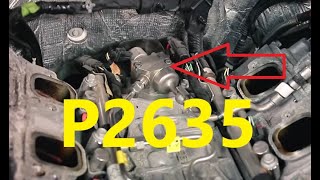
- Confirm the P2635 code is present using an OBD-II scanner. 🎬 Watch this breakdown of common causes for the P2635 code. Note if any other codes, especially P018B, are stored.
- Check for relevant Technical Service Bulletins. TSB #17-NA-335 is the most current and directly addresses this code, superseding PIP5507B.
- If symptoms occur in hot weather (above 100°F/38°C), try to replicate the conditions, as this strongly points to the issue described in the TSB.
- Connect a fuel pressure gauge or, preferably, a scan tool to monitor desired vs. actual fuel pressure. 🎬 See how a pro diagnoses a fuel pump start-stall issue. Compare readings to manufacturer specifications.
- If fuel pressure is low or drops out, inspect the wiring and connectors at the Fuel Pump Control Module (FPCM) and the fuel pump assembly for damage or corrosion.
- Using an advanced scan tool, verify the FPCM is receiving power, ground, and the proper command signal from the ECM.
- If the FPCM has proper inputs and commands but fuel pressure remains low, the fuel pump assembly is the confirmed cause of failure and should be replaced with the updated part number.
Parts You'll Likely Need
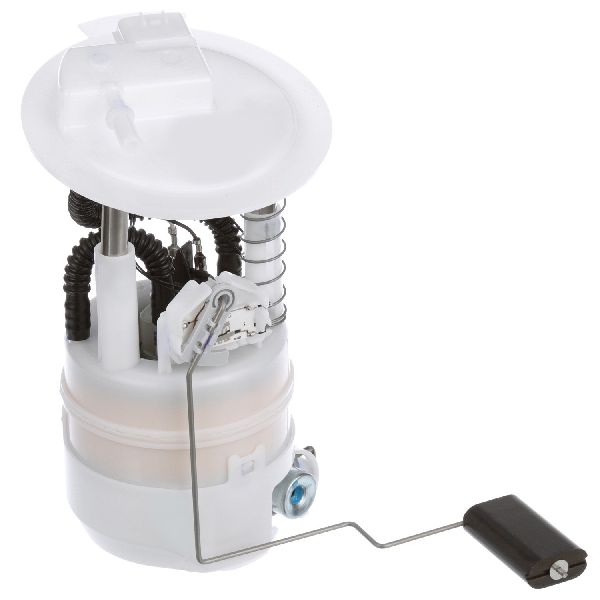
- Fuel Pump Module Assembly
(OEM #17040-3LM0E (Nissan))— This is the most common failure point for code P2635 on this vehicle, especially when symptoms appear in hot weather, as confirmed by manufacturer TSB #17-NA-335. This Nissan part number is the updated version that supersedes previous iterations like 17040-3LM0A, 17040-3LM0B, etc.
Trusted brands: ACDelco (GM Genuine), Nissan (OEM), Delphi, Bosch
OEM price range: $270-$410
Aftermarket price range: $200-$350 - Fuel Tank Seal / O-Ring
(OEM #17342-1HJ0A (Nissan))— This seal is located between the fuel pump module and the fuel tank. It is highly recommended to replace it anytime the fuel pump is removed to prevent fuel leaks and evaporative emissions (EVAP) system codes. It is almost always sold separately.
Trusted brands: Nissan (OEM)
OEM price range: $2-$25
Aftermarket price range: $2-$15
Related Codes That Often Appear With This One
- P018B — This code for 'Fuel Pressure Sensor 'B' Circuit Range/Performance' is explicitly mentioned alongside P2635 in TSBs #PIP5507B and #17-NA-335, as both can be triggered by the same fuel delivery issue (vapor buildup) in high temperatures.
Technical Service Bulletins (TSBs) & Recalls
- PIP5507B: Preliminary bulletin noting that DTCs P2635 and/or P018B may set in ambient temperatures of 100°F or higher, potentially causing hesitation or stalling.
- 17-NA-335: Supersedes PIP5507B. Confirms the cause is vapor buildup in the fuel line and directs technicians to replace the fuel pump module with an updated version to correct the concern.
Platform-Specific Known Issues
- Per TSB #17-NA-335, these vehicles are prone to setting P2635 in ambient temperatures of 100°F (37.7°C) or higher, which can cause hesitation, surging, or stalling due to vapor buildup in the fuel feed line.
- The official GM fix is to replace the fuel pump module with an updated version designed to mitigate this vapor buildup issue.
- The TSB also notes that if the updated pump has already been installed, it should not be replaced again, suggesting diagnosis should then focus elsewhere if the problem persists.
Mechanic-Grade Diagnostic Values
- Fuel pressure (Key On, Engine Off) for post-2003 Nissan returnless systems — expected: Approximately 51 PSI. Failure: Significantly lower pressure indicates a weak pump or leak.
- Fuel pressure leak-down test — expected: Pressure should not drop below 30 PSI within 30 minutes of turning the engine off.. Failure: A rapid drop in pressure indicates a faulty check valve in the fuel pump assembly or a leaking injector.
- Voltage at FPCM power supply wire (Pin 32, Red/White on some GM applications) — expected: 12.0 - 12.6 Volts with key on.. Failure: Voltage below 11.5V or no voltage points to a wiring or fuse issue before the module.
- Resistance at FPCM ground wire (Pin 1, Black on some GM applications) to chassis — expected: Less than 0.2 Ω. Failure: High or infinite resistance indicates a bad ground connection, which can cause the module to malfunction.
Scan Tool Commands That Help
- Nissan CONSULT-II / CONSULT-III Plus: Fuel Pump Active Test — To manually command the fuel pump on and off. This is used to verify if the pump runs when commanded directly by the scan tool, which helps isolate the problem between the pump itself and the control side (FPCM, wiring, ECM).
- GM GDS2: Fuel System Depressurize — This function is used when diagnosing a suspected faulty fuel pressure sensor (often with code P018B). Running this test at idle should cause the pressure reading to drop to zero as the engine stalls; if the reading stays high, the sensor is likely faulty.
Wiring & Ground Locations
- FPCM Connector (Nissan) — The Fuel Pump Control Module (FPCM) is typically mounted on the driver's side frame rail near the fuel tank.. The FPCM grounds through its metal case to the chassis. A poor mounting connection or corrosion between the case and frame can create a bad ground, causing intermittent pump operation and P2635, even if the module itself is good.
- FPCM Signal Wire (GM-based) — Pin 13 (Dark Green/White wire) on some GM FPCM connectors.. This is the command signal wire from the ECM. Verifying a signal here (often a 3-6 second pulse at key-on) confirms the ECM is trying to turn the pump on. No signal here points to an ECM or wiring issue upstream of the FPCM.
- Fuel Pump Ground Control Wire — The white wire from the fuel pump assembly to the FPCM.. The FPCM controls pump speed by modulating the ground path. Manually grounding this white wire at the FPCM connector should cause the pump to run at full speed. This is a definitive test: if the pump runs when grounded here, the pump motor is good, and the fault lies with the FPCM or its inputs.
Real Owner Repair Stories
- YouTube channel 'RasTFar-I' (2015 Nissan NV200) — Failing gas pump, owner wanted it changed.
✅ What actually fixed it The fuel pump assembly was replaced by dropping the fuel tank. The video documents the entire process, showing access to the pump, disconnection, and installation of the new unit, which resolved the issue.
OEM Part Supersession History
17040-3LM0A, 17040-3LM0B, 17040-3LM0C, 17040-3LM0D→17040-3LM0E— The original fuel pump module design was prone to failure, particularly in high ambient temperatures, leading to vapor buildup as noted in TSBs. The updated part number reflects a revised design to mitigate this issue.
Heads up: While older parts may physically fit, they carry the original design flaw. Using only the latest part number (17040-3LM0E) is critical for a permanent repair.
Helpful Videos
We Have This Part in Stock

The information in this article is provided for general reference and educational purposes only. Vehicle specifications, procedures, and part compatibility can vary by production date, trim level, and region. Always consult your vehicle's factory service manual and verify part numbers before purchasing or performing repairs. Safety-critical components such as airbags, seat belts, and braking systems should be installed by a qualified professional.
- Chevrolet CITY EXPRESS:
- 🧭 Diagnostic Flowchart
- 🎬 Helpful Videos
- 🛍️ Shop This Part
- What's Unique About the 2015-2017 Chevrolet CITY EXPRESS
- Symptoms You May Notice
- Most Likely Causes
- Rare But Worth Checking
- Diagnosis Steps
- Parts You'll Likely Need
- Related Codes That Often Appear With This One
- Technical Service Bulletins (TSBs) & Recalls
- Platform-Specific Known Issues
- Mechanic-Grade Diagnostic Values
- Scan Tool Commands That Help
- Wiring & Ground Locations
- Real Owner Repair Stories
- OEM Part Supersession History
- 🎟️ Get 5% Off