

P2635 on 2013-2017 Chevrolet Corvette: Fuel Pump Performance Issues and Fixes
On a 2013-2017 Corvette, code P2635 almost always points to a failing low-pressure fuel pump or a faulty Fuel Pump Control Module (FPCM). This is especially common in high ambient temperatures (over 100°F), leading to hesitation or stalling. Expect to replace the in-tank fuel pump module with an updated GM part to resolve the issue.
- P2635 on a C6/C7 Corvette points to a problem with the low-pressure fuel pump in the tank, not the high-pressure pump on the engine.
- The issue is strongly linked to hot weather, as documented in a GM Technical Service Bulletin.
- The most likely fix is replacing the in-tank fuel pump module with an updated ACDelco part.
- Before replacing the pump, it's wise to check the Fuel Pump Control Module (FPCM) and its wiring, as it's a cheaper and easier part to replace if faulty.
- If you have a 2014-2017 model and smell fuel, check if your vehicle is covered by Special Coverage 17469 for a cracked fuel pump flange.
What's Unique About the 2013-2017 Chevrolet CORVETTE
The 2013-2017 Corvette, spanning the end of the C6 and the beginning of the C7 generation, is known for a specific fuel system vulnerability. General Motors Technical Service Bulletin #17-NA-335 directly links P2635 to hesitation and stalling in ambient temperatures over 100°F (37.7°C). This heat-soak issue can cause vapor buildup in the fuel feed line, which the system interprets as a performance fault. Furthermore, some 2014-2017 C7 models were built with fuel pump modules known to have flange cracking issues, which led to a special coverage warranty extension (17469) for fuel odors and leaks.
Diagnostic Flowchart
Tap your situation to follow the diagnostic path that matches what you're seeing on this vehicle.
Generation note: The specified range covers the final year of the C6 generation (2013) and the early years of the C7 generation (2014-2017). The primary TSB for this issue, #17-NA-335 (which supersedes PIP5507B and PIP5411F), explicitly covers models from 2013 onward, indicating the problem affects both generations. A separate special coverage (17469) for cracked fuel pump flanges specifically applies to 2014-2017 C7 models.
Symptoms You May Notice
- Check Engine Light is on
- Engine hesitation or stumbling on acceleration.
- Engine stalling, particularly when it's hot outside or after a hot restart.
- Surging sensation while driving.
- Reduced engine power, especially under boost in supercharged models (Z06), where the car may feel like it 'falls on its face'.
- Long crank time before the engine starts.
- Car cuts out and blows black smoke under boost (reported on a Z06).
- High-Pressure Fuel Pump (HPFP)
- Fuel Pressure Sensor
Most Likely Causes
- Failing Low-Pressure Fuel Pump 🔴 High Probability → Shop Fuel Pump GM TSB #17-NA-335 identifies a condition where vapor buildup in the fuel line in high heat can cause this code, and the official fix is to replace the fuel pump module with an updated part. Forum discussions overwhelmingly confirm the low-pressure pump is the most frequent failure point causing P2635, with many owners resolving the issue after replacement.
How to confirm: Monitor low-side fuel pressure using a scan tool. Desired pressure should be around 72 PSI at WOT and can be around 50 PSI during normal driving. If the actual pressure drops significantly below the desired pressure, especially under load or when hot, the pump is weak. In one forum post, a user noted pressure dropping to 30-32 PSI under load, confirming a weak pump.
Typical fix: Replace the in-tank fuel pump module assembly (driver's side). GM released an updated part (ACDelco M10235 / GM 23487529) to address the high-temperature issue. This is a labor-intensive job as it requires dropping the rear cradle and fuel tank.
Est. part cost: $300-$600 - Faulty Fuel Pump Control Module (FPCM) 🟡 Medium Probability → Shop Fuel Pump The FPCM, located in the rear driver's side wheel well, controls the voltage to the fuel pump. These modules can fail from heat, age, or internal faults, causing them to send incorrect signals and reduce pump output. Some owners have replaced the FPCM to fix fluctuating fuel pressure issues, though it's less common than the pump itself.
How to confirm: Requires a capable scan tool like GDS2 to check for communication codes (like P069E) with the FPCM and monitor its commands to the pump. A diagnostic check of power and ground circuits at the module is also necessary. A technician can command pump duty cycle and observe the response.
Typical fix: Replace the Fuel Pump Control Module and have it programmed to the vehicle. The OEM part number is often cited as GM 23466543.
Est. part cost: $60-$150 - Clogged Fuel Filter/Strainer ⚪ Low Probability → Shop Fuel Filter The fuel filter is integrated into the fuel pump module assembly. While not a separate failure point, contamination in the fuel tank (e.g., from running E85 without a proper setup) can clog the strainer, restricting flow and leading to premature pump failure.
How to confirm: This is typically discovered during the replacement of the fuel pump module. A visual inspection of the old unit's strainer will show dark-colored debris or sediment.
Typical fix: The filter is replaced as part of the entire fuel pump module assembly.
Est. part cost: $300-$600
Rare But Worth Checking
- Cracked Fuel Pump Module Flange: → Shop Fuel Pump This was common enough on 2014-2017 models that GM issued a special coverage (17469) for 10 years/120,000 miles. While it usually causes a fuel smell or visible leak, it can also introduce air into the system or affect pressure, potentially contributing to a P2635 code, especially when the fuel tank is less than half full.
- Wiring Issues: A damaged wire or poor connection to the FPCM or the fuel pump itself can cause intermittent low voltage, leading to reduced pump performance. This is less common than component failure but should be checked before replacing expensive parts, especially on modified vehicles.
- Auxiliary Fuel System Issues (Modified Vehicles): On Corvettes with aftermarket secondary fuel systems (e.g., for high-horsepower or E85 conversions), a bad check valve in the auxiliary pump can allow fuel to flow back into the tank, causing a pressure drop and triggering P2635. This is a specific issue for tuned cars.
Diagnosis Steps
- Connect a professional scan tool to read the freeze frame data and see the conditions (especially ambient temperature) under which the code was set.
- Monitor both desired and actual low-side fuel pressure in the live data stream. A significant and persistent discrepancy points to a flow problem.
- If possible, try to replicate the conditions from TSB 17-NA-335: operate the vehicle in temperatures over 100°F to see if symptoms worsen and the code reappears.
- Inspect the wiring and connectors at the Fuel Pump Control Module (FPCM), located in the driver's side rear wheel well behind the liner, for any signs of damage, corrosion, or looseness.
- Using a scan tool like GDS2, command the fuel pump on and observe the pressure response. A slow or weak response suggests a failing pump.
- Before replacing the pump, check if an updated design is already installed. TSB 17-NA-335 warns not to replace an updated pump that is meeting pressure specs.
- If the pump and wiring seem okay, investigate the FPCM. Check for proper power and ground at the module and look for related codes like P069E.
- If a fuel smell is present, inspect the top of the driver's side fuel tank for cracks on the fuel pump module flange, as described in special coverage 17469.
Parts You'll Likely Need
- Fuel Pump Module Assembly (Low Pressure)
(OEM #23487529 (ACDelco M10235))— This is the most common failure part for code P2635 on this vehicle, especially in relation to the heat-soak issue described in GM's TSB 17-NA-335.
Trusted brands: ACDelco (GM Original Equipment)
OEM price range: $400-$600
Aftermarket price range: $300-$500 - Fuel Pump Control Module (FPCM)
(OEM #23466543)— This module commands the fuel pump. If it fails, it can starve the engine of fuel and trigger a P2635 code. It's a less common but significant cause, sometimes replaced alongside the pump.
Trusted brands: ACDelco, Dorman
OEM price range: $80-$150
Aftermarket price range: $60-$100
Related Codes That Often Appear With This One
- P018B — This code for 'Fuel Pressure Sensor 'B' Circuit Range/Performance' is often set alongside P2635. TSB 17-NA-335 explicitly mentions that these two codes may set together under high ambient temperatures due to the same root cause of fuel flow disruption.
- P069E — This code indicates a fault was logged within the Fuel Pump Control Module itself. It often appears with P2635 when the FPCM is the source of the problem or when it detects the low flow from the pump.
Technical Service Bulletins (TSBs) & Recalls
- 17-NA-335 (Supersedes PIP5507B, PIP5411F): Hesitation or stall in high ambient temperatures with DTC P2635 and/or P018B.
Platform-Specific Known Issues
- TSB #17-NA-335: Addresses P2635 and/or P018B setting in ambient temperatures of 100°F or higher, causing hesitation or stalling due to vapor buildup. The fix is to replace the fuel pump module with an updated part.
- Special Coverage #17469: Covers cracks on the fuel pump module flange on 2014-2017 Corvettes, which can cause fuel leaks and odors. This is covered for 10 years/120,000 miles from the vehicle's in-service date.
Mechanic-Grade Diagnostic Values
- Low-Side Fuel Pressure (Normal Driving) — expected: ~50 PSI. Failure: Significant drops or fluctuations below the target pressure.
- Low-Side Fuel Pressure (Wide Open Throttle) — expected: ~72 PSI. Failure: Pressure drops significantly under load, for example to 30-32 PSI, or fails to reach the target.
- High-Pressure Fuel Rail (for context, not the cause of P2635) — expected: Varies from 300-600 PSI at idle to over 2,900 PSI under load.. Failure: Failure to reach commanded pressure, often caused by a starving low-pressure system.
Scan Tool Commands That Help
- GDS2: Fuel Pump On/Off Command — To manually activate the low-pressure fuel pump to check for basic operation and to perform pressure tests without the engine running. This helps isolate the pump from the FPCM's variable commands.
- GDS2: Fuel System Tests — GDS2 has automated tests that can run the fuel pump through various duty cycles to check its performance against expected flow and pressure metrics, which is more comprehensive than a simple on/off test.
- GDS2: Enter 'Service Only Mode' — To perform diagnostic commands like activating the fuel pump, the vehicle must be in the correct power mode. This is achieved by pressing the start button for over 5 seconds with your foot OFF the brake. The check engine light will be illuminated.
Wiring & Ground Locations
- Fuel Pump Control Module (FPCM) — Located in the driver's side rear wheel well, behind the plastic liner.. This is the primary control unit for the low-pressure pump. All power and control signals pass through it, making its connectors and ground a critical point for diagnosis.
- FPCM Fuses — A 10A fuse (#31 in some model years) in the underhood fuse panel and a 25A fuse (#30 in some model years) in the rear (luggage compartment) fuse panel feed the FPCM.. A blown fuse will cut power to the FPCM, disabling the fuel pump and causing a P2635 and likely a P069E.
- FPCM Power and Ground Wires — At the FPCM connector, Pin 32 (Red/White) is battery positive voltage, and Pin 1 (Black) is the ground.. These pins must be tested for correct voltage and a solid ground path before condemning the FPCM itself. A poor ground or intermittent power will cause the same symptoms as a failed module.
Real Owner Repair Stories
- CorvetteForum user 'cencal z' (2015 Chevrolet Corvette Z06) — As soon as the car gets into boost, it cuts out, blows black smoke, and sets code P2635. High-pressure pump was dropping off completely.
❌ Tried (didn't work) Replaced the high-pressure fuel pump (HPFP), Reflashed the computer
✅ What actually fixed it The low-pressure fuel pump was the ultimate cause. After further tests, the shop replaced the in-tank low-pressure pump, which resolved the issue. - CorvetteForum user 'Dave@CPR' (C7 Corvette with an aftermarket secondary fuel system) — Fluctuating fuel pressure at idle (24-57.9 PSI) and code P2635.
❌ Tried (didn't work) Replacing the stock in-tank fuel pump, Replacing the Fuel Pump Control Module (FPCM)
✅ What actually fixed it The problem was traced to the aftermarket fuel system. A bad check valve on the secondary pump was allowing fuel to flow back into the tank, causing the pressure drop. - CorvetteForum user 'joelbob' (C7 Corvette Z06 (new ownership)) — Gas gauge stopped working, then Check Engine Light came on. Car sputtered, lost power, and stalled. Code P2635 was present.
❌ Tried (didn't work) Clearing codes (car would restart but then not start later)
✅ What actually fixed it The user was towed to the dealership. While the final fix isn't explicitly stated by the original poster, another user commented that these exact symptoms can happen when the connector for the fuel pump becomes loose or disconnects.
OEM Part Supersession History
Unknown→23487529 (ACDelco M10235)— Updated design to address high-temperature hesitation and stalling issues outlined in TSB 17-NA-335.
Model Year Variations Within This Range
- 2014-2019: The diagnostic software transitioned fully from Tech2 to GDS2 in the 2014 model year. All C7 Corvettes in this range require GDS2 and an MDI/VCI tool for full diagnostic capability, including bidirectional controls for the fuel system.
- 2014-2017: These specific C7 model years are subject to Special Coverage #17469 for cracked fuel pump module flanges, a potential (though less common) contributor to fuel pressure issues.
Used OEM Parts in Stock
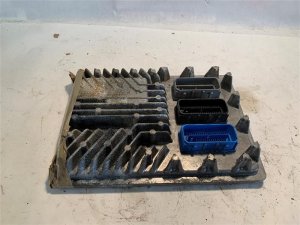
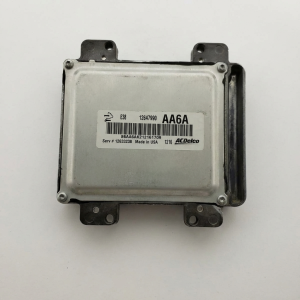
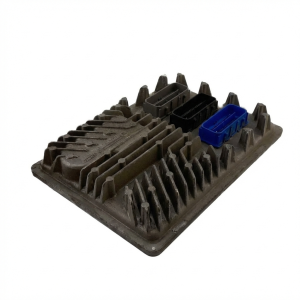
New Aftermarket Parts Available
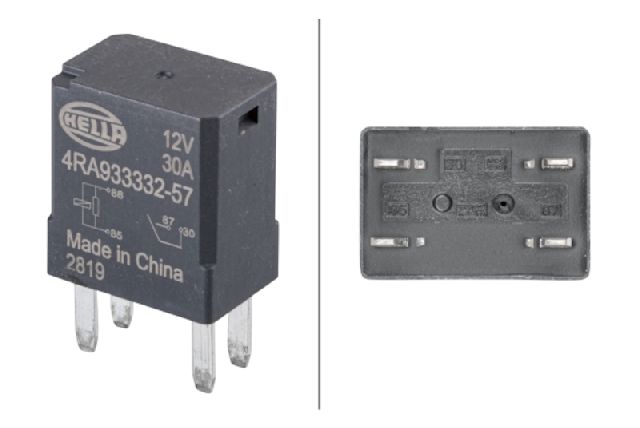

The information in this article is provided for general reference and educational purposes only. Vehicle specifications, procedures, and part compatibility can vary by production date, trim level, and region. Always consult your vehicle's factory service manual and verify part numbers before purchasing or performing repairs. Safety-critical components such as airbags, seat belts, and braking systems should be installed by a qualified professional.
- Chevrolet CORVETTE:
- 🧭 Diagnostic Flowchart
- 🛍️ Shop This Part
- What's Unique About the 2013-2017 Chevrolet CORVETTE
- Symptoms You May Notice
- Most Likely Causes
- Rare But Worth Checking
- Diagnosis Steps
- Parts You'll Likely Need
- Related Codes That Often Appear With This One
- Technical Service Bulletins (TSBs) & Recalls
- Platform-Specific Known Issues
- Mechanic-Grade Diagnostic Values
- Scan Tool Commands That Help
- Wiring & Ground Locations
- Real Owner Repair Stories
- OEM Part Supersession History
- Model Year Variations Within This Range
- 🎟️ Get 5% Off