

P2635 on 2013-2017 Chevrolet Equinox: Fuel Pump Flow Performance Causes and Fixes
On a 2013-2017 Equinox, P2635 is most often caused by either a chafed engine wiring harness shorting out or a failing fuel pump/control module, especially in high heat. A third possibility, particularly in southern states, is fuel vapor lock, which is not fixed by replacing the pump. Always inspect the wiring harness at the back of the engine before replacing the expensive fuel pump.
- Always inspect the engine wiring harness for chafing at the back of the engine before buying any parts. This is a known issue and a free check.
- If the code appears primarily in very hot weather, the in-tank fuel pump or its control module is the most likely culprit.
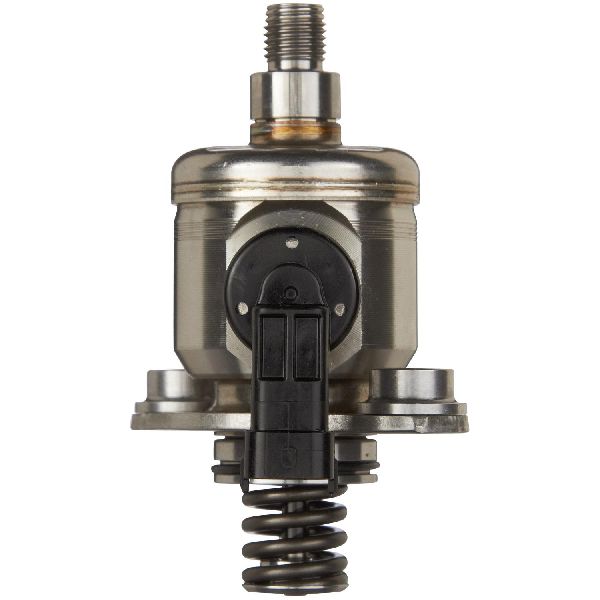
- This code (P2635) refers to the low-pressure in-tank fuel pump, not the expensive high-pressure fuel pump on the engine.
- Check the 20-amp F12DA fuse in the under-hood fuse box. A blown fuse strongly indicates a wiring short.
What's Unique About the 2013-2017 Chevrolet EQUINOX

The 2013-2017 Equinox and its platform-mate, the GMC Terrain, are unique for this code because they have three distinct and well-documented failure paths. One is a purely electrical issue where the engine wiring harness rubs through on the back of the engine cover, causing a short. The second is a fuel delivery component failure, where the fuel pump or its control module fails. The third, outlined in TSB PIP5507B, is a fuel vaporization (vapor lock) issue in ambient temperatures over 100°F, which is not resolved by replacing parts but by using higher octane fuel. This makes a visual inspection of the wiring harness and consideration of ambient temperatures critical first steps before assuming the fuel pump is bad.
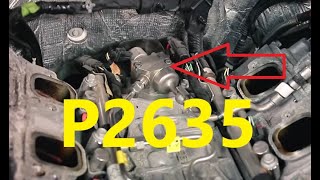
🎬 Watch: Overview of common causes and fixes for code P2635Diagnostic Flowchart

Tap your situation to follow the diagnostic path that matches what you're seeing on this vehicle.
Symptoms You May Notice

- Engine stalling or hesitation, especially in hot weather.
- Check Engine Light is on
- "Reduced Engine Power" message displayed
- "Service StabiliTrak" message may appear with Reduced Engine Power
- Rough or unstable idle
- Difficulty starting the engine or extended cranking time.
- Poor acceleration.
- Engine surging.
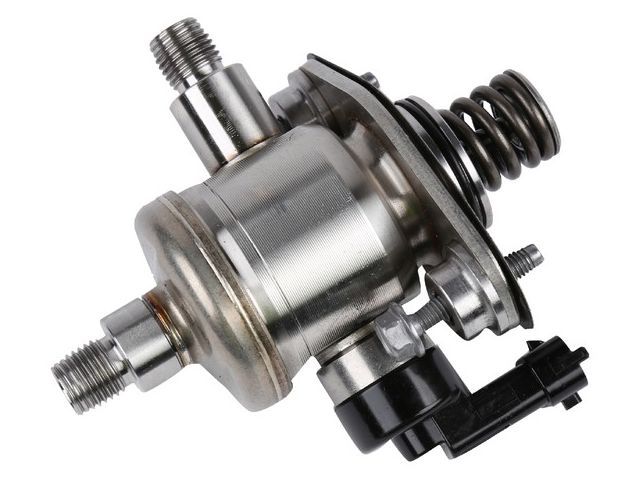
- Replacing the high-pressure fuel pump (HPFP). P2635 specifically relates to the low-pressure in-tank pump ('Pump A'). While a failing low-pressure pump can cause symptoms that seem related to the HPFP, replacing the HPFP will not fix this code. A user on a forum replaced the HPFP and many other parts without resolving the P2635 and P0191 codes.
- Replacing the fuel pump without first inspecting the wiring harness. Many owners have spent hundreds on a new fuel pump only to find the issue was a simple wiring short that could be fixed for a fraction of the cost.
- Replacing the fuel pump for a high-temperature stalling issue. Per TSB PIP5507B, if the issue is vapor lock from extreme heat, a new pump will not solve the problem.
Most Likely Causes

- Chafed Engine Wiring Harness 🔴 High Probability A specific GM Technical Service Bulletin (#PIT5203A) identifies a design flaw where the main engine harness can rub against the right rear corner of the engine or valve cover, causing wires to short.
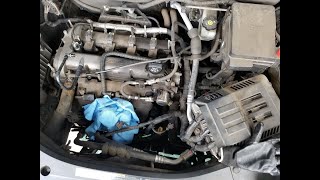
How to confirm: Visually inspect the wiring harness loom at the back of the engine, near the firewall on the passenger side. Look for rub marks, exposed wires, or electrical tape that looks melted or damaged. Check if the 20-amp fuse F12DA in the under-hood fuse box is blown. The presence of codes like P06A3, P2122, and U18A2 alongside P2635 strongly points to this cause.
Typical fix: Repair the damaged wires and re-route or protect the harness with additional conduit to prevent future contact. Replace the blown fuse.
Est. part cost: $5-$25 - Failing In-Tank Fuel Pump or Fuel Pump Control Module (FPCM) 🟡 Medium Probability → Shop Fuel Pump As documented in TSB #PIP5507B and #17-NA-335, these components can fail under high thermal load. Sustained ambient temperatures above 100°F can cause a weak pump or faulty control module to stop providing adequate pressure, leading to stalling. GM released an updated fuel pump module to address this.
How to confirm: A technician can monitor the low-side fuel pressure using a scan tool. If the pressure drops significantly below the desired value, especially when the symptoms occur (e.g., in high heat), it points to the pump or FPCM. Diagnosing the FPCM may require checking for communication errors or performing voltage tests at the module connector.
Typical fix: Replace the in-tank fuel pump assembly and/or the Fuel Pump Control Module. The pump is often replaced as a complete module inside the fuel tank. Per TSB 17-NA-335, an updated fuel pump module should be used.
Est. part cost: $200-$450 - Fuel Vapor Lock in High Ambient Temperatures ⚪ Low Probability TSB #PIP5507B explicitly states that in ambient temperatures over 100°F, a vapor buildup can occur in the fuel feed line, causing the same symptoms and codes (P2635 and P018B). This is more common in southern states like TX, AZ, UT, NV, and CA.
How to confirm: This cause is confirmed by exclusion. If the symptoms only occur in extreme heat (100°F+), and both the wiring harness and fuel pressure tests (when cool) check out, vapor lock is the likely culprit. The TSB notes that replacing the fuel pump will not fix this specific concern.
Typical fix: GM advises customers to use fuels with an octane level greater than 91, avoid extended idling, and park in a covered garage when possible. No parts replacement is recommended for this specific condition.
Est. part cost: $0
Rare But Worth Checking
- Clogged Fuel Filter: → Shop Fuel Filter The fuel filter is integrated into the fuel pump module assembly. If it becomes severely clogged, it can restrict flow and trigger P2635. This is less common than pump or wiring failure but is resolved by replacing the fuel pump module.
- Faulty Fuel Pressure Sensor: → Shop Fuel Pressure Sensor While less common, a faulty low-pressure fuel sensor can send incorrect readings to the FPCM, triggering P2635 even if the pump is working correctly. This is often accompanied by code P018B. TSB PIP5286B (not directly for this vehicle but relevant) provides diagnostic procedures for this scenario.
Diagnosis Steps
- Scan for all DTCs. Note if P018B, P06A3, P2122, or U18A2 are present, as they point to specific known issues.
- Check the 20-amp fuse F12DA in the under-hood fuse block. If it's blown, a short circuit from a chafed harness is highly likely.
- Perform a thorough visual inspection of the engine wiring harness, focusing on the right rear (passenger side) of the engine bay where it may contact the engine/valve cover, per TSB #PIT5203A.
- If the fuse and wiring are intact, consider the ambient temperature. If symptoms only occur above 100°F, the issue may be vapor lock as described in TSB #PIP5507B.
- If wiring and temperature are not the cause, connect a scan tool to monitor live data for 'Low Side Fuel Pressure' or a similar PID.
- Observe the fuel pressure while driving or attempting to replicate the conditions that trigger the code. Compare the actual pressure to the desired pressure.
- If fuel pressure drops significantly below the commanded pressure, the issue lies with the in-tank fuel pump or the Fuel Pump Control Module (FPCM).
- Further diagnosis involves testing the FPCM for power, ground, and communication, and testing the voltage supplied to the fuel pump. A technician may jump the pump to test its maximum output pressure directly.
Parts You'll Likely Need

- Fuel Pump Module Assembly
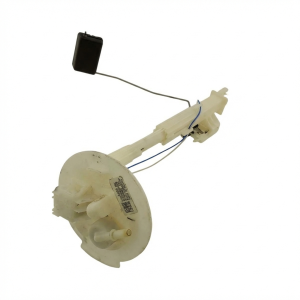
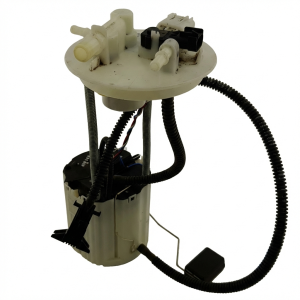
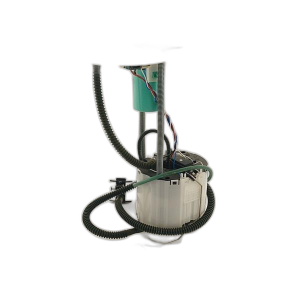
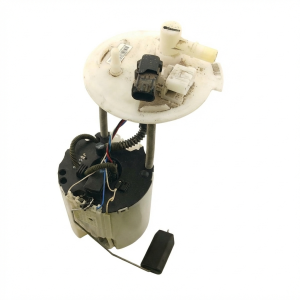
(OEM #ACDelco M100153 (cross-references to GM 13592648))— This is the most likely part to fail if the cause is not wiring-related or vapor lock. It contains the electric fuel pump, level sender, and filter. Failure is often triggered by high heat.
Trusted brands: ACDelco, Delphi, Bosch
OEM price range: $300-$450
Aftermarket price range: $150-$280 - Fuel Pump Control Module (FPCM)
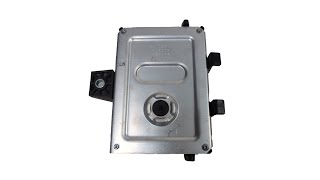
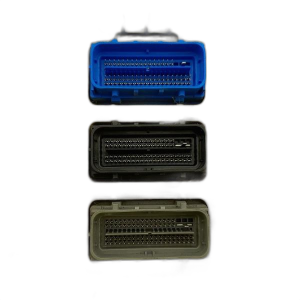
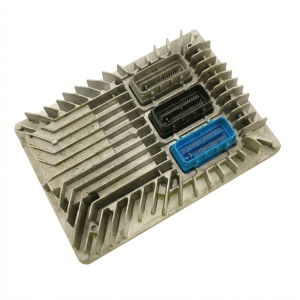
(OEM #ACDelco 23487338 (Superseded, verify with VIN))— This module controls the voltage and speed of the in-tank fuel pump. It can fail, causing low flow and setting P2635. Note: Part number 23487338 appears to be an incorrect cross-reference in some databases and may relate to brake components; always verify the FPCM part number with the vehicle's VIN.
Trusted brands: ACDelco, Dorman
OEM price range: $80-$150
Aftermarket price range: $50-$100 - Wiring Repair Supplies — If the cause is the common chafing issue, you will need wire, connectors, electrical tape, and/or protective wire loom to fix the harness.
OEM price range: $10-$25
Aftermarket price range: $5-$20
Related Codes That Often Appear With This One
- P018B — This code for 'Fuel Pressure Sensor 'B' Circuit Range/Performance' often appears with P2635 during high-temperature failures, as noted in TSB #PIP5507B and TSB #17-NA-335.
- P06A3, P2122, U18A2 — These codes for electrical and communication faults are commonly seen with P2635 when the cause is the chafed wiring harness, as documented in TSB #PIT5203A.
- P0191 — This code for 'Fuel Rail Pressure Sensor Performance' can appear alongside P2635 because the low-pressure pump's failure to supply the high-pressure pump can cause erratic readings on the fuel rail.
- P069E — This code, 'Fuel Pump Control Module Requested MIL Illumination', is a companion code indicating the FPCM has detected a fault (like the low flow of P2635) and has asked the main computer to turn on the Check Engine Light.
Technical Service Bulletins (TSBs) & Recalls
- PIP5507B: Addresses stalling/hesitation and codes P2635/P018B in ambient temperatures over 100°F due to vapor lock, advising use of higher octane fuel and stating a new pump will not fix this specific issue.
- PIT5203A: Details an issue where the engine wiring harness chafes on the engine, causing an open fuse and setting codes P2635, P06A3, P2122, and U18A2.
- 17-NA-335: Supersedes a previous TSB and recommends replacing the fuel pump module with an updated version to correct hesitation, surging, or stalling in high ambient temperatures that set codes P2635 and/or P018B.
Platform-Specific Known Issues
- A known issue documented in TSB #PIT5203A involves the engine wiring harness rubbing against the engine/valve cover, causing a short circuit and blowing the F12DA fuse.
- A second known issue, documented in TSB #PIP5507B and #17-NA-335, is vehicle hesitation or stalling in ambient temperatures of 100°F or higher. This can be caused by either a heat-sensitive fuel pump requiring an updated part, or a fuel vapor lock condition that is not fixed by a new pump.
Mechanic-Grade Diagnostic Values
- Low-Side Fuel Pressure (Scan Tool or Gauge) — expected: 30-45 PSI at idle, 55-65 PSI under load.. Failure: Pressure is consistently below specifications or drops significantly under load or during a hot-soak condition.
- Scan Tool Fuel Pressure vs. Desired Fuel Pressure — expected: Actual pressure should be within 45 kPa (6.5 PSI) of desired pressure at a 300 kPa (43.5 PSI) request, or within 60 kPa (8.7 PSI) at a 400 kPa (58 PSI) request.. Failure: The variance between actual and desired pressure exceeds the specified kPa/PSI thresholds, indicating a flow problem.
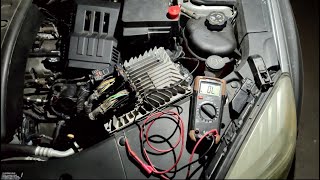
- FPCM Power Supply Voltage — expected: 12.0V - 12.6V with ignition on.. Failure: A voltage drop below 11.5V suggests a wiring, ground, or FPCM internal issue.
- PCM Ground Circuit Resistance — expected: Approximately 0.2 Ω. A technician video showed a good reading at 0.9 Ω.. Failure: Resistance values significantly higher than 0.2-0.9 Ω indicate a poor ground connection, which can cause various powertrain control issues.
- Fuel Pump Module Resistance (Sender) — expected: Approximately 40 Ohms (empty) to 250 Ohms (full).. Failure: Readings outside this range indicate a faulty fuel level sender, which is part of the module, but this test does not diagnose the pump motor itself.
Scan Tool Commands That Help
- GDS2 / Professional Scan Tool: Fuel Pump On/Off & Speed Control — This bidirectional test allows a technician to manually command the fuel pump on and vary its speed. It helps determine if the FPCM, wiring, and pump motor are capable of responding to commands, isolating a control-side issue from a mechanical pump failure.
- GDS2 / Professional Scan Tool: Fuel Pump Trim Reset — After replacing the fuel pump or FPCM, this function must be performed. It clears the long-term learned values stored in the ECM, allowing the system to recalibrate to the new component's flow characteristics.
Wiring & Ground Locations
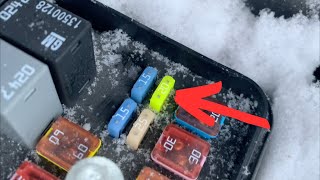
- F12DA (or F52DA) — In the under-hood fuse block. TSB PIT5203A specifies F12DA (20A), while other sources mention fuse 52 (25A) for the FPCM.. This fuse powers the fuel pump circuit. If the engine harness chafes and shorts to ground as described in TSB PIT5203A, this fuse will blow, cutting power to the pump and setting P2635.
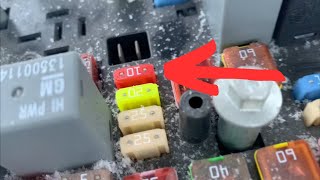
- F46 — In the under-hood fuse block.. This is a 10A fuse also listed for the Fuel Pump Control Module, likely powering the control/logic side of the module.
- G112 — On the engine block/transmission case area.. This is a main ground point for the Powertrain Control Module (PCM). A poor connection here can cause erratic PCM behavior and various powertrain codes, including fuel system faults.
- Fuel Pump Control Module (FPCM) — On earlier models, it is located under the rear of the vehicle, near the spare tire. On later models, it is often found in a more protected location under the rear seat, accessible from inside the cabin by lifting the spare tire cover.. This is the module that directly controls the fuel pump. Its location is critical for inspection of its connector for corrosion (especially on under-vehicle mounts) and for performing voltage/ground tests.
- Engine Harness Chafe Point — The right rear corner of the engine or cam/valve cover.. This is the specific location identified in TSB PIT5203A where the harness rubs through, causing a short circuit that blows the fuel pump fuse and triggers P2635.
Real Owner Repair Stories
- Chevy Equinox Forum (2014 Chevrolet Equinox 2.4L with 115,103 miles) — Car enters limp mode ('Service StabiliTrak') after stopping. Codes P0191, P2635, and P0172 present.
❌ Tried (didn't work) Replaced spark plugs, Replaced both oxygen sensors, Replaced VVT sensor, Replaced MAF sensor, Replaced fuel rail pressure sensor, Replaced throttle body, Replaced high-pressure fuel pump (HPFP), Replaced PCV hose
✅ What actually fixed it The user had replaced nearly every component related to the high-pressure fuel system and air intake without success. The combination of P2635 (Low-pressure pump performance) and P0191 (High-pressure rail performance) strongly suggests the low-pressure in-tank pump was failing to supply the HPFP, causing both codes. The resolution, though not explicitly stated as a final post, points toward the yet-unreplaced low-pressure fuel pump or FPCM as the root cause.
OEM Part Supersession History
13589300→13592648 (also cross-references to ACDelco M100153)— The original fuel pump module design could be susceptible to the high-temperature vapor lock issue described in TSBs. The updated design often includes a revised breather valve to mitigate this.
Heads up: Using an old-stock pump with the original design (13589300 or equivalent) will not resolve the high-temperature stalling/hesitation issue. The updated part number should be used for a permanent fix.
Model Year Variations Within This Range
- 2016-2017: The 2016 model year received a mid-cycle refresh with updated front and rear fascias, new headlamps, and interior changes including a standard 7-inch touchscreen on lower trims. While the core powertrain and fuel system remained the same, these changes can affect disassembly procedures for accessing wiring or components in the front of the vehicle.
Helpful Videos

Used OEM Parts in Stock
New Aftermarket Parts Available


The information in this article is provided for general reference and educational purposes only. Vehicle specifications, procedures, and part compatibility can vary by production date, trim level, and region. Always consult your vehicle's factory service manual and verify part numbers before purchasing or performing repairs. Safety-critical components such as airbags, seat belts, and braking systems should be installed by a qualified professional.
- Chevrolet EQUINOX:
- 🧭 Diagnostic Flowchart
- 🎬 Helpful Videos
- 🛍️ Shop This Part
- What's Unique About the 2013-2017 Chevrolet EQUINOX
- Symptoms You May Notice
- Most Likely Causes
- Rare But Worth Checking
- Diagnosis Steps
- Parts You'll Likely Need
- Related Codes That Often Appear With This One
- Technical Service Bulletins (TSBs) & Recalls
- Platform-Specific Known Issues
- Mechanic-Grade Diagnostic Values
- Scan Tool Commands That Help
- Wiring & Ground Locations
- Real Owner Repair Stories
- OEM Part Supersession History
- Model Year Variations Within This Range
- 🎟️ Get 5% Off