

P2635 on 2015-2019 Chevrolet Express: Fuel Pump Performance, Causes, and Fixes
On a 2015-2019 Chevy Express, code P2635 typically points to a failing in-tank fuel pump or a faulty Fuel Pump Control Module (FPCM). This is especially common in extreme hot or cold weather. The official GM fix for hot weather stalling is an updated fuel pump module designed to prevent vapor buildup. Expect to pay $800-$1600+ for a shop to replace the fuel pump.
- P2635 on a 2015-2019 Chevy Express indicates a problem with fuel pump performance, not just a sensor.
- Symptoms like stalling and hesitation are especially common in extreme hot or cold weather, as confirmed by GM service bulletins.
- The most likely fix is replacing the entire in-tank fuel pump module assembly.
- A faulty Fuel Pump Control Module (FPCM) is another possible cause and may require programming upon replacement.
- Due to the risk of stalling, it is highly recommended to diagnose and repair this issue promptly.
What's Unique About the 2015-2019 Chevrolet EXPRESS
The Chevrolet Express and its GMC Savana twin show a specific vulnerability to this code under extreme ambient temperatures. Manufacturer Technical Service Bulletins (TSBs) confirm that P2635 can be triggered by stalling in very cold weather (below 20°F) due to potential fuel gelling, or hesitation and stalling in very hot weather (above 100°F) due to vapor buildup in the fuel line. TSB 17-NA-335 explicitly recommends replacing the fuel pump module with an updated version to correct the hot weather issue.
Diagnostic Flowchart
Tap your situation to follow the diagnostic path that matches what you're seeing on this vehicle.
Symptoms You May Notice
- Check Engine Light is on
- Engine hesitation or stumbling, especially during acceleration.
- Loss of engine power
- Engine stalls, particularly in very hot or cold weather.
- Vehicle fails to start or has a long crank time. 🎬 Watch this step-by-step fuel system diagnosis for a crank-no-start condition.
- Sputtering or surging sensations while driving.
- Audible whining noise from the fuel tank area, especially in cold weather before a stall.
- Replacing the fuel pressure sensor when the issue is with the pump or control module.
- Assuming the vehicle is out of fuel due to a faulty fuel level sender, which is part of the same in-tank assembly. It's a common mistake to not verify the actual fuel level before beginning diagnosis.
- For cold weather stalls, blaming the fuel pump itself when the issue is actually fuel gelling (waxing) from an improper winter fuel blend. TSB 18-NA-103 advises warming the vehicle to see if the problem resolves before replacing parts.
Most Likely Causes
- Failing Fuel Pump Module 🔴 High Probability → Shop Fuel Pump As documented in TSBs #17-NA-335 and #18-NA-103, the fuel pump assembly in these vans is known to falter in extreme temperatures. In heat, it can lead to vapor lock; in cold, fuel gelling can cause a stall. TSB 17-NA-335 specifies that vapor buildup is the cause for the hot-weather stalls and mandates replacement with an updated pump module.
How to confirm: Perform a fuel pressure test with a mechanical gauge at the fuel rail. Compare the actual pressure to the specified pressure while the engine is running. Pressure that is low or drops under load indicates a weak pump. In hot weather, the issue may only appear after the vehicle has been running for a while.
Typical fix: Replace the in-tank fuel pump module. This involves dropping the fuel tank for access. 🎬 Watch a mechanic demonstrate how to replace the fuel pump module. For hot weather issues, it is critical to use the updated part number specified by GM to resolve the vapor buildup problem.
Est. part cost: $120-$550 - Faulty Fuel Pump Control Module (FPCM) 🟡 Medium Probability → Shop Fuel Pump The FPCM, often located on the frame rail near the spare tire, is exposed to the elements, making it susceptible to corrosion and moisture intrusion. It regulates voltage to the fuel pump, and failure from heat, vibration, or internal faults can lead to incorrect pump speed, triggering P2635.
How to confirm: A professional scan tool can check for communication with the FPCM and monitor its commanded output versus the actual fuel pressure. A technician may also test the power and ground circuits at the module, checking for corrosion on the connectors. 🎬 See how rust and wiring issues can damage the control module.
Typical fix: Replace the Fuel Pump Control Module. A new module must be programmed to the vehicle's VIN using GM's service software.
Est. part cost: $80-$200 - Clogged Fuel Filter ⚪ Low Probability → Shop Fuel Filter The fuel filter is integrated into the fuel pump module on these vans. While not a separate part to service, a prematurely clogged filter screen can restrict flow and cause the same symptoms as a failing pump, especially if poor quality fuel has been used.
How to confirm: This is typically confirmed during fuel pump replacement. If fuel pressure is low but the pump motor seems to be running hard or whining loudly, a restriction is likely.
Typical fix: The filter is part of the fuel pump module, so the entire module must be replaced.
Est. part cost: $120-$550 - Wiring Issues ⚪ Low Probability
How to confirm: Visually inspect the wiring harness and connectors between the FPCM and the fuel pump for any signs of corrosion, chafing, or loose pins. Pay close attention to the FPCM connector on the frame and the main connector on top of the fuel tank.
Typical fix: Repair the damaged section of the wiring harness or replace the faulty connector.
Est. part cost: $10-$50
Rare But Worth Checking
- Faulty Active Grill Shutter System (on other GM Trucks):
Diagnosis Steps
- Verify the "Check Engine Light" is on and scan for P2635 and any other related codes. Note any codes like P0087 or P018B.
- Check the fuel level and ensure the vehicle has an adequate amount of fuel. Do not trust the gauge if other fuel system codes are present.
- Note the ambient temperature. If below 20°F, consider the possibility of fuel gelling as per TSB 18-NA-103. If above 100°F, suspect vapor lock as per TSB 17-NA-335.
- Connect a fuel pressure gauge to the service port on the fuel rail. Start the engine and observe the pressure. It should meet the manufacturer's specification (typically 55-62 PSI for these GM gasoline engines at idle).
- Slightly increase engine RPM and monitor the fuel pressure. It should remain steady or increase slightly. A significant drop indicates a flow problem.
- Inspect the wiring and connectors at the Fuel Pump Control Module (FPCM), often on the frame rail, and the fuel tank for any visible damage, corrosion, or looseness.
- Using an advanced scan tool like GM's GDS2, command the fuel pump on and monitor the FPCM duty cycle, commanded vs. actual fuel pressure, and fuel pressure sensor voltage.
- If fuel pressure is consistently low despite the FPCM commanding a high duty cycle, and the wiring is intact, the fuel pump is the most likely cause.
- If the FPCM is not responding, its output is erratic, or there are communication codes stored, the module itself is likely faulty.
Parts You'll Likely Need
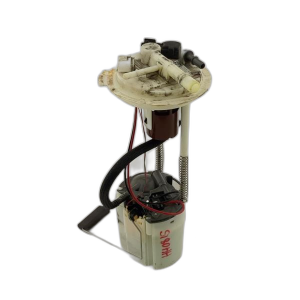
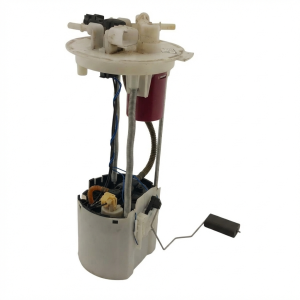
- Fuel Pump Module Assembly — This is the most common failure part for code P2635, especially considering the TSBs that point to performance issues in extreme temperatures. TSB 17-NA-335 recommends an 'updated version' for hot climate issues. The assembly includes the pump, sending unit, and filter.
Trusted brands: ACDelco, Delphi
OEM price range: $250-$500
Aftermarket price range: $120-$300 - Fuel Pump Control Module (FPCM)
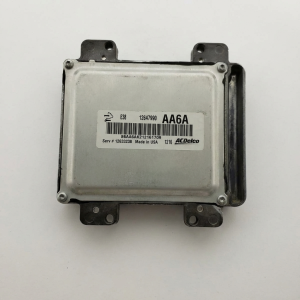
(OEM #23382215 (supersedes 20856290, 23184800, 23199128, 23482843))— This module controls the fuel pump's voltage and can fail, causing incorrect fuel flow. It's a common secondary cause if the pump itself is not faulty. This part requires programming to the vehicle.
Trusted brands: ACDelco, Dorman
OEM price range: $80-$150
Aftermarket price range: $70-$120
Related Codes That Often Appear With This One
- P0087 — This code means "Fuel Rail/System Pressure - Too Low," which is a direct consequence of the low flow condition described by P2635. It is cited alongside P2635 in TSB #18-NA-103.
- P018B — This code for "Fuel Pressure Sensor 'B' Circuit Range/Performance" often appears with P2635, especially in high heat, as noted in TSBs #17-NA-335 and PIP5507B. It indicates the sensor is reading pressure outside its expected range, likely due to the pump's poor performance or vapor in the lines.
- P228A — This code for "Fuel Pressure Regulator 1 Control Circuit/Open" can be set when the fuel system cannot build or maintain pressure, which is a direct symptom of a P2635 fault. It is also mentioned in TSB #18-NA-103.
- P228B — Meaning "Fuel Pressure Regulator 1 Control Circuit Performance," this code is another related fault mentioned in TSB #18-NA-103 that points to the system's inability to control fuel pressure correctly.
Technical Service Bulletins (TSBs) & Recalls
- 18-NA-103: Addresses start/stall, no start, and loss of power in extreme cold, associated with P2635.
- 17-NA-335: Supersedes earlier bulletins on hot-weather stalling. Identifies cause as vapor buildup and directs technicians to install an updated fuel pump module.
- PIP5507B: (Superseded by 17-NA-335) Addresses hesitation or stalling in extreme heat, associated with P2635 and P018B.
- PIP5411F: (Superseded by 17-NA-335) Also addressed high-temp stalling and mentioned replacing the fuel pump with a 'new design part' as a fix.
Platform-Specific Known Issues
- Bulletin #18-NA-103 documents instances where these vehicles may experience a start and stall, no start, or loss of power in temperatures below 20°F (-6°C), which sets code P2635 among others. The cause is identified as potential fuel gelling, and the recommended procedure is to warm the vehicle before replacing parts.
- Bulletin #17-NA-335 (which supersedes PIP5507B) addresses customer complaints of hesitation, surging, or stalling in ambient temperatures of 100°F (37.7°C) or higher. It states the cause is vapor buildup in the fuel feed line and the official fix is to replace the fuel pump module with an updated version.
Mechanic-Grade Diagnostic Values
- Low-Pressure Fuel System (Gasoline Engines) — expected: 55 - 62 PSI at idle. Failure: Pressure below this range, or pressure that drops significantly under load, indicates a fuel delivery problem (pump, filter, FPCM).
- Low-Side Fuel Pressure (Scan Tool Data) — expected: Desired and actual fuel pressure readings should match closely at idle and under load.. Failure: If the actual pressure drops significantly below the desired pressure during a throttle snap (e.g., desired 72 PSI, actual drops to 27 PSI), it strongly indicates a weak fuel pump.
- FPCM Fuel Pump Command (Scan Tool Data) — expected: The duty cycle command should vary with engine load.. Failure: A command near 100% at idle suggests the FPCM is working at maximum capacity just to maintain minimum pressure, pointing to a weak pump or a significant restriction.
Scan Tool Commands That Help
- GDS2 (GM Global Diagnostic System 2): Fuel Pump ON/OFF Command — Used to verify the FPCM and fuel pump are responding to commands from the ECM. A technician can command the pump on and listen for it to run, or use a test light on the pump circuit to see if it's receiving voltage.
- GDS2 (GM Global Diagnostic System 2): Data Display > Fuel System — To monitor live data parameters like 'Desired Fuel Pressure' vs. 'Fuel Pressure', 'Fuel Pump Command', and 'Fuel Pump Current'. Comparing desired vs. actual pressure is the primary method for diagnosing P2635.
- GDS2 (GM Global Diagnostic System 2): Module Diagnostics > FPCM > Control Functions — To access specific bidirectional controls for the Fuel Pump Control Module to test its functionality independently.
Wiring & Ground Locations
- FPCM Location — Typically mounted to the driver's side frame rail, often near or above the spare tire.. This location exposes the module and its connector to road salt, moisture, and debris, making corrosion a common cause of failure for the FPCM or its wiring.
- FPCM Connector (at module) — The main electrical connector plugging into the Fuel Pump Control Module.. Specific pins must be tested for power, ground, and signal. For example, on a common GM FPCM, the Dark Green/White wire (Pin 13) is the command signal from the ECM, while heavier gauge wires are the power input and the output to the pump.
- Chassis Ground — A primary ground cable runs from the battery's negative terminal to the engine block, and another strap often connects the block to the chassis/frame.. A corroded or loose ground for the FPCM or the main engine-to-chassis ground can cause intermittent and incorrect operation of the entire fuel system, leading to low flow performance codes.
Real Owner Repair Stories
- YouTube channel 'American Diesel Tech' (2021 Chevrolet Silverado 2500 with 6.6L L8T Gas Engine) — Vehicle dies on the highway after 15-20 minutes of driving. Code P2635 was present.
❌ Tried (didn't work) The diagnosis went straight to scan tool data, no parts were replaced unnecessarily.
✅ What actually fixed it Scan tool data showed the desired fuel pressure was 72 PSI during a throttle snap, but the actual pressure dropped to 27 PSI. The FPCM was commanding the pump at nearly 100% at idle. This data was sufficient to condemn the in-tank low-pressure fuel pump, which was then replaced to fix the issue.
When the Usual Fixes Don't Work
- While TSB PIP5507B initially suggested that for high-temperature stalling with P2635, replacing the fuel pump would *not* repair the concern, this was later superseded by TSB 17-NA-335. The final, authoritative fix from GM for the hot-weather vapor buildup issue is, in fact, to replace the fuel pump module with an updated design.
Model Year Variations Within This Range
- 2014+: Starting around 2014, GM began phasing out the Tech2 scanner in favor of the Global Diagnostic System 2 (GDS2) software, used with an MDI or MDI2 interface. Diagnosing a 2015-2019 Express requires GDS2 for full bidirectional control and module communication.
Helpful Videos
Used OEM Parts in Stock
New Aftermarket Parts Available


The information in this article is provided for general reference and educational purposes only. Vehicle specifications, procedures, and part compatibility can vary by production date, trim level, and region. Always consult your vehicle's factory service manual and verify part numbers before purchasing or performing repairs. Safety-critical components such as airbags, seat belts, and braking systems should be installed by a qualified professional.
- Chevrolet EXPRESS:
- 🧭 Diagnostic Flowchart
- 🎬 Helpful Videos
- 🛍️ Shop This Part
- What's Unique About the 2015-2019 Chevrolet EXPRESS
- Symptoms You May Notice
- Most Likely Causes
- Rare But Worth Checking
- Diagnosis Steps
- Parts You'll Likely Need
- Related Codes That Often Appear With This One
- Technical Service Bulletins (TSBs) & Recalls
- Platform-Specific Known Issues
- Mechanic-Grade Diagnostic Values
- Scan Tool Commands That Help
- Wiring & Ground Locations
- Real Owner Repair Stories
- When the Usual Fixes Don't Work
- Model Year Variations Within This Range
- 🎟️ Get 5% Off