

P2635 on 2017 Chevrolet Silverado: Fuel Pump Performance Causes and Fixes
On a 2017 Silverado, code P2635 indicates a problem with the low-pressure fuel pump's performance. This is often caused by a failing in-tank fuel pump, a faulty fuel pressure sensor, or a bad Fuel Pump Control Module (FPCM). The symptoms are often worse in extreme hot or cold weather, a known issue documented in GM Technical Service Bulletins. For hot weather stalling, the cause is often vapor buildup that the original pump cannot overcome.
- P2635 on a 2017 Silverado points to a low-pressure fuel system performance issue, often triggered by extreme hot or cold weather.
- Before replacing the expensive in-tank fuel pump, always diagnose the fuel pressure sensor and the Fuel Pump Control Module (FPCM) first, as they are common, cheaper failure points.
- If the code appears with hesitation or stalling in heat above 100°F, a faulty in-tank fuel pump module is the most likely cause, as per GM TSBs.
- Check for other codes. Communication codes (U-codes) should be addressed first, and the presence of P018B strongly reinforces a fuel sensor or delivery problem.
What's Unique About the 2017-2017 Chevrolet SILVERADO
For this generation of Silverado (and its K2XX platform mates like the Sierra, Tahoe, and Escalade), code P2635 is strongly linked to ambient temperature extremes. Multiple Technical Service Bulletins (TSBs) address a design flaw where the original fuel pump struggles with vapor buildup in the fuel line in heat above 100°F, causing hesitation and stalling. Conversely, TSB 18-NA-103 addresses no-start conditions and pump whining in freezing weather below 20°F. These documented patterns often point directly to specific parts like the in-tank fuel pump module or the frame-mounted fuel pressure sensor, making diagnosis more targeted.
Diagnostic Flowchart
Tap your situation to follow the diagnostic path that matches what you're seeing on this vehicle.
Symptoms You May Notice
- Check Engine Light (MIL) is on.
- Hesitation, surging, or stalling, especially in ambient temperatures over 100°F.
- Engine is hard to start or will not start, particularly in cold weather below 20°F.
- A whining noise from the fuel tank area, especially in cold weather.
- Reduced engine power or performance, may enter 'limp mode'.
- Engine stumbles or stalls under acceleration, such as when merging onto a highway.
- Replacing the fuel pump when the actual problem is a less expensive fuel pressure sensor or FPCM. Always diagnose the sensor (especially if code P018B is present) and FPCM before committing to a fuel pump replacement.
Most Likely Causes
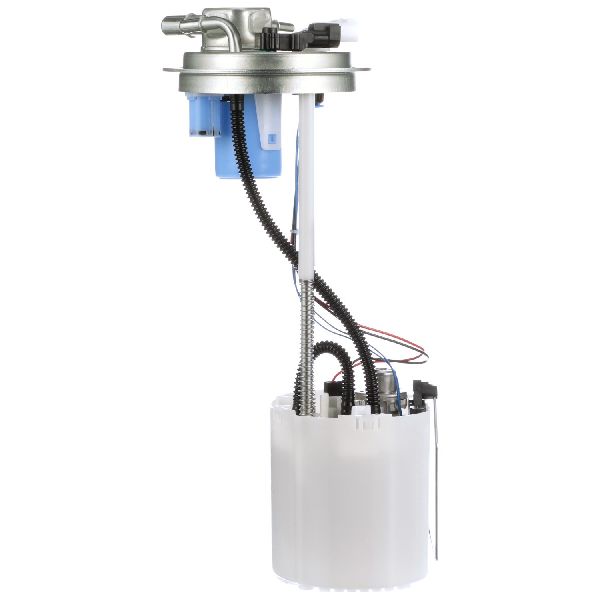
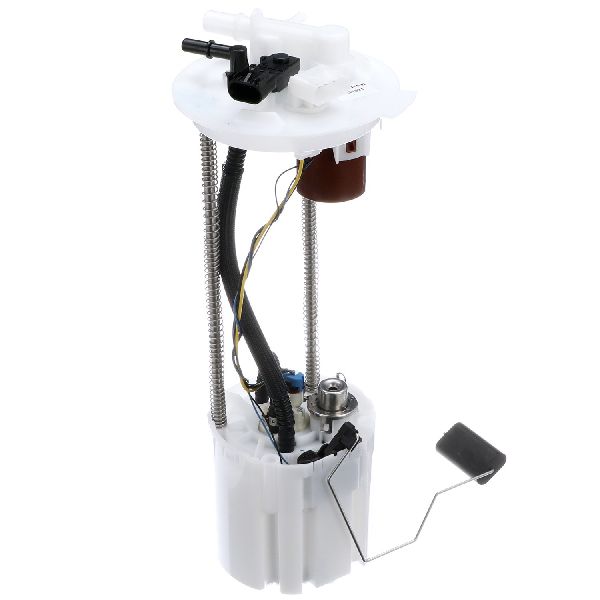
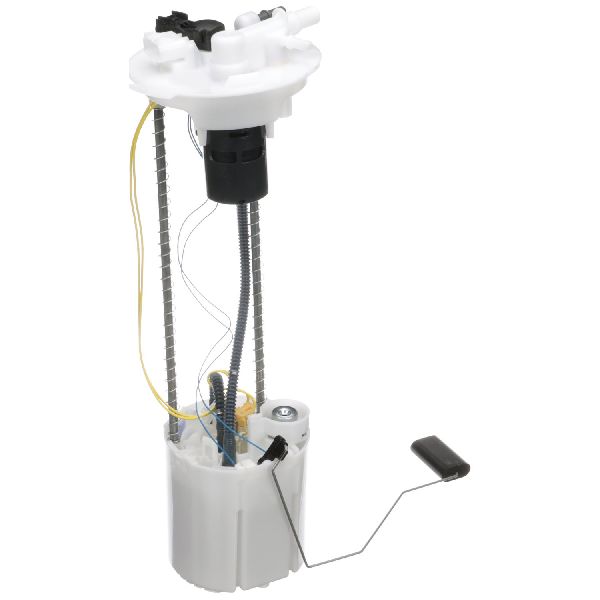
- Failing In-Tank Fuel Pump Module 🔴 High Probability → Shop Fuel Pump GM issued TSB #17-NA-335 (which supersedes #PIP5411F) for hesitation and stalling in high heat, advising replacement of the fuel pump module with an updated design to correct a 'vapor buildup in fuel feed line' issue. TSB #18NA103 also links this code to fuel pump issues in extreme cold, sometimes causing a whining noise.
How to confirm: Monitor low-side fuel pressure with a scan tool while driving under conditions that trigger the code (e.g., high heat, low tank level). If pressure drops erratically or fails to meet the desired pressure, and other components are verified as good, the pump is likely failing. The old pump design has a two-way breather, while the updated part has a one-way bulb breather to combat vapor lock.
Typical fix: Replace the in-tank fuel pump module assembly with the updated GM part. This requires either lifting the truck bed or dropping the fuel tank for access. 🎬 See this step-by-step fuel pump assembly replacement walkthrough
Est. part cost: $250-$500 - Faulty Fuel Pressure Sensor 🟡 Medium Probability → Shop Fuel Pressure Sensor TSB #PIP5286B directly mentions that a fuel pressure sensor not reading correctly can cause P2635, especially in cold weather. Owners and technicians frequently report this as the fix, making it a common misdiagnosis for a bad fuel pump.
How to confirm: Use a scan tool to observe the low-side fuel pressure sensor reading. If the value is stuck (e.g., fixed at 48.7 PSI) and does not fluctuate with engine RPM or drop to zero when the system is depressurized, the sensor is faulty. The sensor is located on the fuel line on the frame rail under the driver's side of the truck.
Typical fix: Replace the fuel pressure sensor. It is relatively easy to access on the frame rail and can be replaced in minutes.
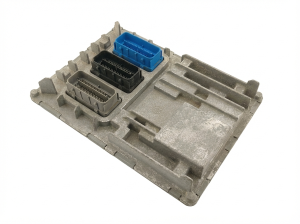
Est. part cost: $40-$80 - Faulty Fuel Pump Control Module (FPCM) 🟡 Medium Probability → Shop Fuel Pump The FPCM, located on a frame crossmember above the spare tire, is exposed to the elements and highly prone to corrosion and internal failure from road salt and moisture. TSB #PIP5427B notes that communication codes (U-codes) may appear with P2635, pointing to a module or wiring issue.
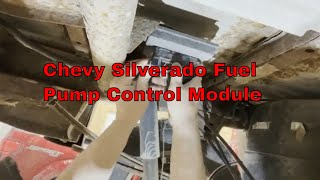
How to confirm: Visually inspect the module and its connector for green or white corrosion, or physical damage. A common diagnostic step is to check for power (Pin 32, Red/White) and ground (Pin 1, Black) at the module and verify communication with a scan tool. 🎬 Watch: How to locate and inspect the Fuel Pump Control Module If communication is lost (a U0109 code may be present), the module is a likely suspect.
Typical fix: Replace the Fuel Pump Control Module. Aftermarket brands like Dorman often do not require programming, whereas an OEM ACDelco module will need to be programmed to the vehicle's VIN by a dealer or a shop with the correct software.
Est. part cost: $80-$150 - Wiring or Connector Issue ⚪ Low Probability The wiring harnesses to the FPCM (above the spare tire) and the fuel pressure sensor (on the frame rail) are in exposed locations, making them susceptible to chafing, road debris damage, and corrosion.
How to confirm: Visually inspect the wiring harnesses and connectors for the FPCM, fuel pump, and fuel pressure sensor. Check for chafing, corrosion, or loose pins. Test for voltage and ground at the component connectors.
Typical fix: Repair the damaged section of the wiring harness or clean/replace the faulty connector.
Est. part cost: $10-$50
Rare But Worth Checking
- Binding Active Grille Shutters:
Diagnosis Steps
- Scan the vehicle for all DTCs. If any communication codes (U-codes) are present, diagnose and resolve them first as per TSB #PIP5427B.
- Using a scan tool, monitor the live data for 'Fuel Tank Fuel Pressure' and 'Desired Fuel Pressure'. Compare the actual and desired values under load.
- Check the fuel pressure sensor reading with the engine off. If it does not read 0 PSI (or is stuck at a value like 48.7 PSI), it is likely faulty.
- If symptoms are temperature-dependent (extreme heat or cold), refer to the relevant TSBs. For high-heat issues (over 100°F), TSB 17-NA-335 points to the in-tank fuel pump as the primary suspect.
- Locate the Fuel Pump Control Module (FPCM) on the frame crossmember above the spare tire. Inspect the module and its electrical connector for signs of corrosion, water intrusion, or physical damage.
- Test for proper voltage and ground at the FPCM connector.
- If the sensor and FPCM are confirmed to be good, and fuel pressure is still low or erratic, the in-tank fuel pump is the most likely cause of the problem, especially if symptoms occur in high heat.
Parts You'll Likely Need
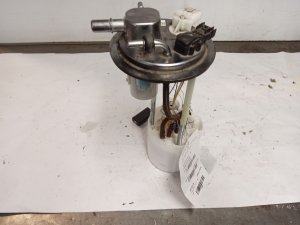
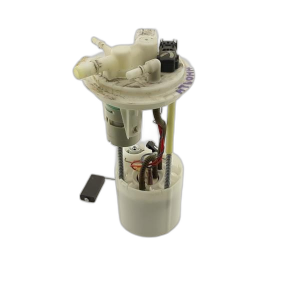
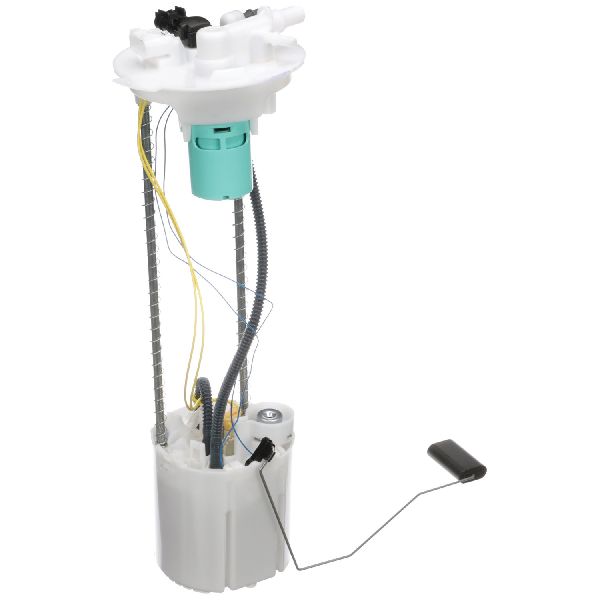
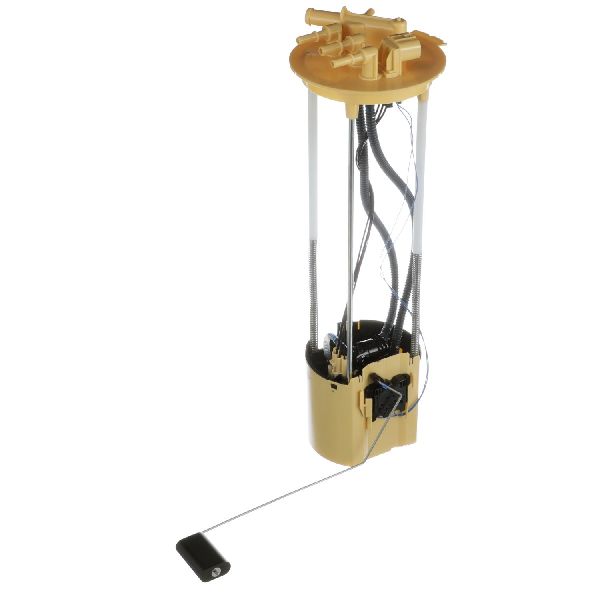
- In-Tank Fuel Pump Module Assembly
(OEM #Varies by configuration (e.g., 13513407 for Short Box Crew Cab, 13510918 for Standard Box Crew Cab per TSB PIP5411F))— This is the prescribed fix in TSB 17-NA-335 for the common hot-weather stalling issue caused by vapor lock. The updated part has a revised design.
Trusted brands: ACDelco (GM OE), Delphi
OEM price range: $350-$500
Aftermarket price range: $250-$400 - Fuel Pressure Sensor
(OEM #13516496 (Supersedes 13579380))— A common failure point that can mimic a bad fuel pump. It provides the data that triggers the code, and a faulty sensor will give false readings, often getting stuck at a specific pressure.
Trusted brands: ACDelco, Bosch
OEM price range: $60-$80
Aftermarket price range: $40-$60 - Fuel Pump Control Module (FPCM)
(OEM #13554821 (Supersedes previous numbers like 13544060, 13537053))— Its location above the spare tire makes it prone to failure from corrosion. A faulty module cannot properly command the fuel pump, leading to performance issues.
Trusted brands: ACDelco, Dorman (often advertised as not requiring programming)
OEM price range: $80-$150
Related Codes That Often Appear With This One
- P018B — This code for 'Fuel Pressure Sensor 'B' Circuit Range/Performance' is frequently set with P2635, as noted in TSBs #PIP5286B, #17-NA-335, and #PIP5507B. Their presence together strongly indicates a problem with the fuel pressure reading or delivery, often pointing to the sensor itself or the pump in high heat. 🎬 Watch: Diagnosing P018B and P2635 on a Silverado V6
- P0087 — 'Fuel Rail/System Pressure - Too Low'. This code can appear with P2635, especially during cold weather start-and-stall conditions, as mentioned in TSB #18NA103.
- U0109 — 'Lost Communication With Fuel Pump Control Module'. If this code is present, it points directly to a problem with the FPCM or its wiring, which is a primary cause of P2635.
- U0074 — 'Control Module Communication Bus B Off'. TSB #PIP5427B advises diagnosing this communication code before P2635, as a network issue can trigger the fuel performance code.
Technical Service Bulletins (TSBs) & Recalls
- 17-NA-335 (supersedes PIP5411F): Addresses hesitation, surging, and stalling with P2635/P018B in high ambient temperatures, recommending replacement of the fuel pump module with an updated version to fix a vapor buildup issue.
- PIP5507B: Also addresses P2635/P018B with hesitation/stalling in temperatures over 100°F. Notes that if the updated pump is already installed, using higher octane fuel (>91) may help.
- 18-NA-103: Links P2635 to start/stall or no-start conditions and fuel pump whine in cold weather below 20°F.
- PIP5286B: Points to a potential fuel pressure sensor issue as a cause for P2635 and P018B and provides diagnostic steps.
- PIP5427B: Advises diagnosing communication codes like U0074 before P2635, as a network issue can trigger the fuel performance code.
Platform-Specific Known Issues
- High Temperature Stalling: Per TSB #17-NA-335, these trucks may hesitate, surge, or stall in ambient temperatures over 100°F, setting codes P2635 and P018B. The official cause is 'vapor buildup in fuel feed line' and the fix is to replace the in-tank fuel pump module with an updated design. Owners on forums confirm this, noting it happens more with lower fuel levels.
- Cold Temperature No-Start: TSB #18NA103 documents conditions of start-and-stall or no-start in temperatures below 20°F, accompanied by P2635 and other fuel pressure codes. This can also be accompanied by a loud whining from the fuel pump.
Mechanic-Grade Diagnostic Values
- Low-Side Fuel Pressure (Scan Tool PID, engine running) — expected: Fluctuates between 30-60 PSI (207-414 kPa) depending on demand.. Failure: Pressure is stuck at a fixed value (e.g., 48.7 PSI) or actual pressure is more than 5-10 PSI below desired pressure under load.
- Low-Side Fuel Pressure Sensor (during GDS2 'Fuel System Depressurize' command, cold engine) — expected: Pressure reading should drop to 0 PSI, and the engine should stall.. Failure: The sensor reading remains at a significant value (e.g., 30-40 PSI) after the engine has stalled.
- FPCM Power Supply Voltage (at FPCM connector) — expected: 12V+ at Pin 32 (Red/White wire) with key on or cranking.. Failure: No voltage or low voltage indicates a problem with the fuse or wiring from the underhood fuse block.
- FPCM Ground (at FPCM connector) — expected: Good ground continuity at Pin 1 (Black wire).. Failure: High resistance or an open circuit indicates a bad ground connection, which is common on the frame.
- FPCM Fuel Pump Enable Signal (at FPCM connector) — expected: 12V on the Dark Green/White wire (Pin 13) when cranking or for a few seconds after key-on.. Failure: No voltage on this wire points to an issue with the wire itself (often chafed) or the ECM.
Scan Tool Commands That Help
- GDS2 (or compatible professional scanner): Fuel System Depressurize — This is a key test from TSB #PIP5286B to diagnose a faulty fuel pressure sensor. With a cold engine, this command should cause the sensor's reading to drop to 0 PSI. If it doesn't, the sensor is bad.
- GDS2 (or compatible professional scanner): Fuel Pump Enable / On — With the engine off, this command directly activates the in-tank fuel pump. It's used to verify if the pump motor runs and can build pressure, helping to isolate a failed pump from a bad FPCM or wiring.
- GDS2: Fuel Pump Driver Control Module Configuration — This function is required after replacing the FPCM with a new OEM (ACDelco) unit to program it to the vehicle's VIN and specific configuration.
Wiring & Ground Locations
- FPCM Connector — On the Fuel Pump Control Module, mounted to the frame crossmember above the spare tire.. This is the central point for testing. Key pins are: Pin 32 (Red/White) for battery power, Pin 1 (Black) for ground, Pin 13 (Dark Green/White) for the ECM enable signal, and the Pink/Gray wires for output to the pump.
- FPCM Fuse — In the underhood fuse block. For 2017 models, this is typically fuse F21 (20A).. A blown fuse will cut all power to the FPCM, causing a no-start and P2635. This should be one of the first checks.
- Low-Pressure Fuel Pressure Sensor — On the driver's side frame rail, in the fuel line between the tank and the engine.. This sensor provides the pressure reading that triggers the P2635 code. Its connector is exposed and can corrode, and the sensor itself is a common failure point.
- Main Engine/Chassis Grounds — Multiple key locations, including a ground strap from the passenger side of the engine block to the frame, and various grounds on the frame rails.. The FPCM relies on a solid frame ground (Pin 1). Corrosion at the ground point is common and can cause intermittent FPCM operation and fuel delivery issues that mimic a failing module or pump.
Real Owner Repair Stories
- YouTube user '4 Realz' (2017 Chevrolet Silverado) — Check Engine Light with code P2635. Clearing the code would result in it returning instantly.
❌ Tried (didn't work) The owner noted that many online sources suggested numerous complex possibilities, including replacing the entire fuel pump.
✅ What actually fixed it The low-side fuel pressure sensor was the culprit. The owner replaced the sensor (original part #13579380 with updated part #13516496) located on the frame rail. The fix took about five minutes and cost around $40. - YouTube channel 'All Things Mechanical' (2018 Chevrolet Silverado) — Persistent Check Engine Light with P2635, extended crank times, loss of power, and overall sluggishness.
❌ Tried (didn't work) The owner went through a lengthy dealer diagnosis process over three months.
✅ What actually fixed it The dealership ultimately replaced both the in-tank fuel pump and the active grille shutter assembly. This combination of repairs finally resolved the P2635 code and associated symptoms.
OEM Part Supersession History
13579380→13516496— Updated design for the low-pressure fuel pressure sensor.
Heads up: The new part (13516496) is a direct replacement for the old part and is physically identical. No incompatibility issues are reported.PIP5411F (TSB)→17-NA-335 (TSB)— The newer TSB provides a more permanent solution and updated information regarding the hot-weather stalling issue.
Heads up: The fix, replacing the fuel pump module with an updated design to combat vapor lock, remains the same. The new TSB is the authoritative document.
Helpful Videos

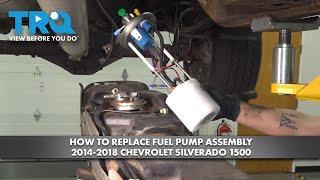
![2017 Chevy Silverado fuel pump replacement [DIY]](https://img.youtube.com/vi/fbnURjrBMTM/mqdefault.jpg)
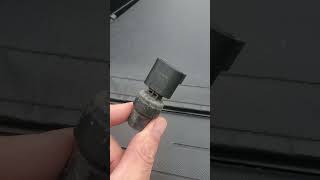
Used OEM Parts in Stock
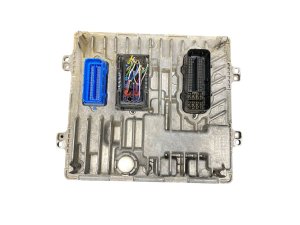
New Aftermarket Parts Available

The information in this article is provided for general reference and educational purposes only. Vehicle specifications, procedures, and part compatibility can vary by production date, trim level, and region. Always consult your vehicle's factory service manual and verify part numbers before purchasing or performing repairs. Safety-critical components such as airbags, seat belts, and braking systems should be installed by a qualified professional.
- Chevrolet SILVERADO:
- 🧭 Diagnostic Flowchart
- 🎬 Helpful Videos
- 🛍️ Shop This Part
- What's Unique About the 2017-2017 Chevrolet SILVERADO
- Symptoms You May Notice
- Most Likely Causes
- Rare But Worth Checking
- Diagnosis Steps
- Parts You'll Likely Need
- Related Codes That Often Appear With This One
- Technical Service Bulletins (TSBs) & Recalls
- Platform-Specific Known Issues
- Mechanic-Grade Diagnostic Values
- Scan Tool Commands That Help
- Wiring & Ground Locations
- Real Owner Repair Stories
- OEM Part Supersession History
- 🎟️ Get 5% Off