

P2635 on 2013-2017 Chevrolet Sonic: Fuel Pump Performance and Stalling Fixes
Code P2635 on a 2013-2017 Chevy Sonic indicates a problem with fuel pump performance. The most common cause is a failing fuel pump, especially in hot weather, which can lead to stalling. Replacing the in-tank fuel pump module is the typical fix.
- P2635 on a Chevy Sonic is a serious code that can cause dangerous stalling, especially in hot weather.
- The most probable cause is a failing in-tank fuel pump, a known issue addressed by a GM Technical Service Bulletin.
- Diagnosis should focus on confirming low fuel pressure with a scan tool, particularly when the vehicle is hot.
- The repair is moderately difficult for a DIYer but is made easier because the fuel pump is accessible under the rear seat without needing to drop the fuel tank.
- If replacing the pump doesn't fix the issue, the Fuel Pump Control Module (FPCM) is the next most likely component to fail.
What's Unique About the 2013-2017 Chevrolet SONIC
For the Chevrolet Sonic and its platform mates, code P2635 is strongly associated with high ambient temperatures. A GM Technical Service Bulletin (TSB 17-NA-335) specifically notes that this code, along with hesitation and stalling, is likely to occur when the outside temperature is 100°F (37.7°C) or higher. This points to a specific weakness in the original fuel pump design, causing it to falter under heat-soak conditions due to vapor buildup in the fuel line, a condition similar to vapor lock.
🎬 Watch: Understanding the causes and fixes for the P2635 code.Diagnostic Flowchart
Tap your situation to follow the diagnostic path that matches what you're seeing on this vehicle.
Symptoms You May Notice
- Engine stalling, especially when warm or in hot weather.
- Hesitation or sputtering during acceleration.
- Loss of engine power, especially when climbing hills or under load.
- Engine cranks but does not start, or has an extended cranking time.
- Illuminated Check Engine Light.
- Loud whining or buzzing noise from the rear of the vehicle, near the fuel tank.
- Replacing the fuel pressure sensor. While a faulty sensor can cause fuel-related codes, P2635 specifically points to a flow/performance issue detected by the FPCM, making the pump or module itself the more likely culprit.
- Assuming the FPCM is bad when the fuel pump is weak. A weak pump can cause the FPCM to operate outside its normal parameters, which can be misinterpreted as an FPCM failure.
Most Likely Causes
- Failing In-Tank Fuel Pump Module 🔴 High Probability → Shop Fuel Pump As documented in TSB 17-NA-335, the original fuel pump module is susceptible to failure in high ambient temperatures, leading to vapor buildup and loss of fuel pressure. An updated part was released to address this. Forum users report repeated failures of even replacement pumps, suggesting a persistent design vulnerability.
How to confirm: Perform a fuel pressure test using a scan tool to monitor requested vs. actual fuel pressure and fuel pump trim values. The pressure will likely drop below specification, especially when the vehicle is hot or under load. A user on Sonic Owners Forum noted that after their pump failed, they could hear it prime but the car would not start, indicating the pump was running but not building pressure.
Typical fix: Replace the entire fuel pump module assembly inside the fuel tank with the updated GM part. On the Sonic, this is accessible via a panel under the rear seat, so the fuel tank does not need to be dropped. After replacement, a Fuel Pump Trim Reset should be performed with a scan tool.
Est. part cost: $150-$350 - Faulty Fuel Pump Control Module (FPCM) 🟡 Medium Probability → Shop Fuel Pump The FPCM controls the voltage to the fuel pump. If it fails or overheats, it can mimic the symptoms of a bad pump by not providing enough power. It's a common point of failure across many GM vehicles.
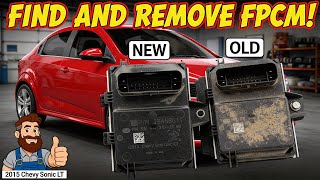
How to confirm: Use a scan tool to check for communication with the FPCM and look for any FPCM-specific codes. Check for power and ground at the module. On the Sonic hatchback, the FPCM is located behind the passenger-side rear interior trim panel. On the sedan, it may be in a similar location or in the trunk. A video guide shows the specific location and replacement process for the hatchback.
Typical fix: Replace the Fuel Pump Control Module. Some replacement modules come pre-programmed to the vehicle's VIN, while others require programming with a scan tool after installation.
Est. part cost: $50-$150 - Clogged Fuel Filter/Strainer ⚪ Low Probability → Shop Fuel Filter While possible, it's less common than outright pump failure. The fuel filter is an integrated, non-serviceable part of the fuel pump module assembly. Keeping the fuel level low can cause the pump to overheat and suck up debris from the bottom of the tank, contributing to clogs.
How to confirm: This is difficult to confirm without removing the fuel pump. It is typically diagnosed by ruling out other causes and is addressed by default when the pump module is replaced.
Typical fix: The filter is not serviced separately. The entire fuel pump module must be replaced.
Est. part cost: $150-$350 - Wiring or Connector Issue ⚪ Low Probability
How to confirm: Visually inspect the wiring harness and connectors at the FPCM and the top of the fuel pump module for any signs of corrosion, damage, or loose pins. Check the 20A fuse for the FPCM in the underhood fuse box (position F14).
Typical fix: Repair or replace the damaged section of the wiring harness or the connector.
Est. part cost: $10-$50
Diagnosis Steps
- Connect an OBD-II scanner and check for P2635 and any other stored codes, like P018B.
- Review the freeze frame data to see the conditions (engine temperature, ambient temperature, etc.) when the code was set. Note if ambient temp was high, per the TSB.
- Check that the vehicle has an adequate amount of fuel (at least 1/4 tank is recommended to ensure the pump is submerged and cooled).
- Inspect the Fuel Pump Control Module fuse (20A, position F14 in the underhood fuse box).
- Using a capable scan tool, monitor live data for 'Fuel Rail Pressure', 'Fuel Pump Speed', 'Short Term Fuel Pump Trim', and 'Long Term Fuel Pump Trim'. Compare the desired pressure with the actual pressure. A significant drop in actual pressure under load or when hot points to a pump issue.
- If scan tool data is inconclusive, inspect the wiring and connectors for the FPCM and the fuel pump module for damage or corrosion. The FPCM is behind the passenger rear trim panel on hatchbacks.
- If electrical connections are good and the FPCM is being commanded correctly but fuel pressure is low, the in-tank fuel pump module is the most likely cause and should be replaced with the updated part number.
Parts You'll Likely Need
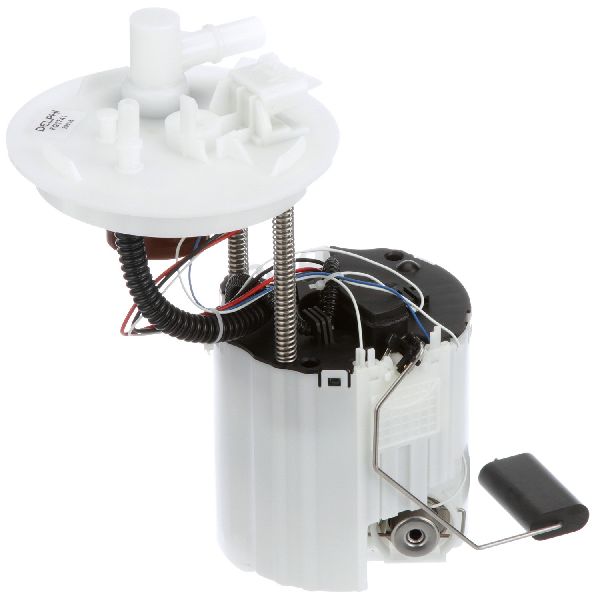
- Fuel Pump Module Assembly
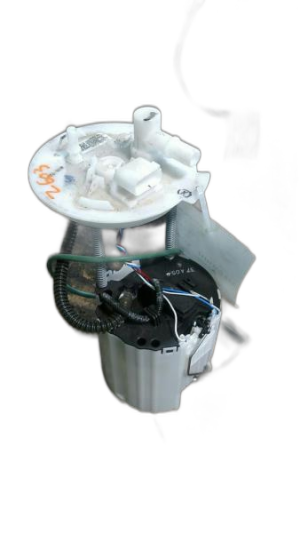
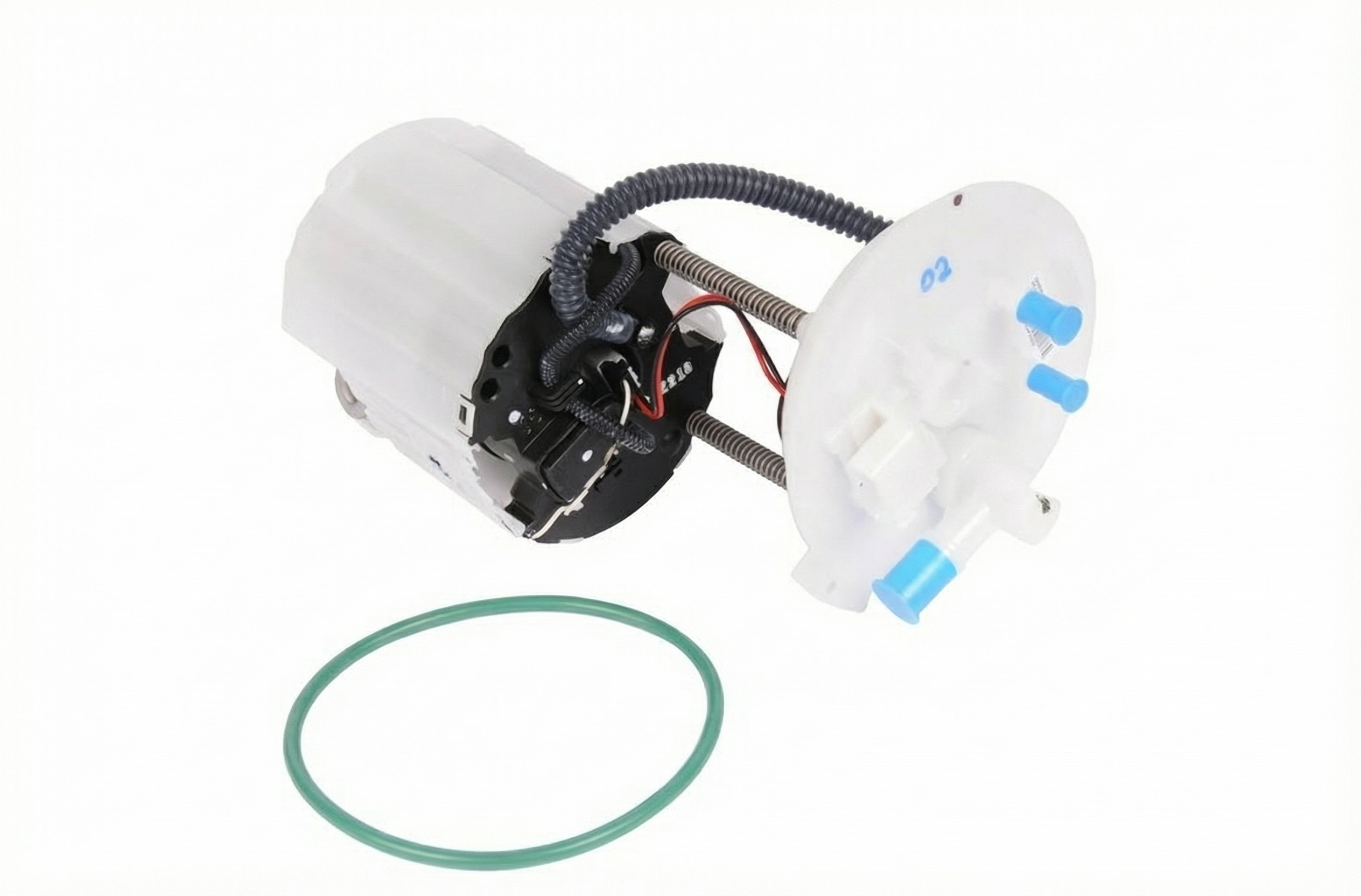
(OEM #GM 13592113 (replaces 13577818))— This is the most common failure part for this code on the Sonic, especially in hot climates, as documented by GM. The assembly includes the pump, sending unit, and integrated fuel filter. Always verify the part number with your vehicle's VIN, as multiple revisions exist.
Trusted brands: ACDelco, Delphi
OEM price range: $250-$400
Aftermarket price range: $150-$250 - Fuel Pump Control Module (FPCM)
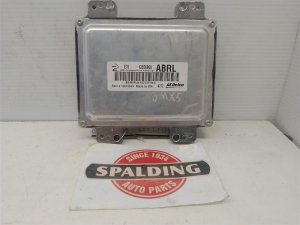
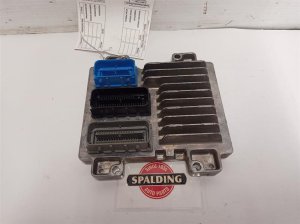
(OEM #GM 84082493 (verify with VIN))— This module controls the fuel pump and can fail, causing low flow symptoms. It's a common secondary cause if a new fuel pump doesn't resolve the issue. Note that this part requires programming to the vehicle's VIN.
Trusted brands: ACDelco, Dorman
OEM price range: $80-$150
Aftermarket price range: $50-$100
Related Codes That Often Appear With This One
- P018B — This code, for 'Fuel Pressure Sensor 'B' Circuit Range/Performance', is mentioned in the same TSB as P2635 for the high-temperature stalling issue. They often appear together as the system struggles to maintain and read fuel pressure.
Technical Service Bulletins (TSBs) & Recalls
- 17-NA-335 (replaces PIP5507B, PIP5411F): Malfunction Indicator Lamp Illuminated (MIL) - DTC P2635 and/or P018B Set In High Ambient Temperatures With Hesitation, Surging and Stalling.
Platform-Specific Known Issues
- A Technical Service Bulletin (17-NA-335, which superseded PIP5507B and PIP5411F) was issued by GM for stalling, hesitation, and surging in high ambient temperatures (100°F+), which sets codes P2635 and/or P018B. The bulletin identifies the cause as vapor buildup in the fuel feed line and instructs technicians to replace the fuel pump module with an updated version. The bulletin explicitly states that if the updated pump is already installed, it should not be replaced again.
Mechanic-Grade Diagnostic Values
- Fuel Pressure (Key On, Engine Off) — expected: 276-448 kPa (40-65 PSI). Failure: Pressure is below 40 PSI or does not build.
- Fuel Pressure Bleed-Down (Engine Off) — expected: Pressure should not decrease more than 34 kPa (5 PSI) in 1 minute.. Failure: Pressure drops more than 5 PSI in one minute, indicating a leak in the system (check valve in pump, line, or injector).
- Fuel Pressure at Idle (Normal Operating Temp) — expected: 276-324 kPa (40-47 PSI). Failure: Pressure is below 40 PSI or is erratic.
Scan Tool Commands That Help
- GDS2 / Techline Connect: Fuel Pump Enable — To manually run the fuel pump with the engine off to check for fuel pressure build-up and perform leak-down tests.
- GDS2 / Techline Connect: FPCM Fuel Pump Flow Control Module - Programming — This function, found within the Service Programming System (SPS), is required after replacing the Fuel Pump Control Module (FPCM) to load the correct calibration software for the vehicle.
- GDS2 / Capable Scan Tool: Fuel Pump Trim Reset — After replacing the fuel pump or FPCM, this resets the learned trim values, allowing the system to adapt to the new components correctly. This was noted in Pass 2 and is a critical final step.
Wiring & Ground Locations
- FPCM — Behind the passenger-side rear interior trim panel on hatchback models.. This is the physical location of the Fuel Pump Control Module, a primary suspect for code P2635. Access is required for inspection, testing, and replacement.
- G400 — Located at the right 'C' pillar.. This is a major chassis ground point located in the same area as the FPCM on hatchback models. A poor connection at G400 could cause intermittent or total failure of the FPCM, leading to P2635.
- F14 Fuse — In the underhood fuse box, position F14 (20A).. This fuse supplies power to the Fuel Pump Control Module. A blown fuse will prevent the FPCM and fuel pump from operating entirely.
Real Owner Repair Stories
- Sonic Owners Forum user (2015 Chevrolet Sonic 1.4L, 180,000 km) — Car died and would not restart, code P2635 was present. Owner could hear the fuel pump prime (make noise) but the engine would not start.
❌ Tried (didn't work) The owner was on their third fuel pump. The original GM pump was replaced at 121k km, a GM Genuine replacement lasted until 170k km (about 2 years), and a Delphi replacement failed after only a few months.
✅ What actually fixed it Replacing the failed fuel pump module was the fix. The key takeaway was the symptom pattern: the pump could be heard running but was not building any pressure, a detail that can be confusing during diagnosis. The user also noted the common wisdom to keep the fuel tank above 1/4 full to help cool the pump.
OEM Part Supersession History
13577818→13592113— Updated part to address performance issues, likely related to the high-temperature stalling condition described in TSB 17-NA-335.
Model Year Variations Within This Range
- All (2013-2017): There is a significant variation in how the in-tank fuel pump is accessed. While some Sonics have a dedicated access panel under the rear seat cushion, many do not. On models without the panel, replacing the fuel pump requires either dropping the entire fuel tank or carefully cutting a new access hole in the sheet metal under the rear seat. This is a critical factor for determining repair time and difficulty, especially for DIY repairs.
Helpful Videos
Used OEM Parts in Stock
New Aftermarket Parts Available



The information in this article is provided for general reference and educational purposes only. Vehicle specifications, procedures, and part compatibility can vary by production date, trim level, and region. Always consult your vehicle's factory service manual and verify part numbers before purchasing or performing repairs. Safety-critical components such as airbags, seat belts, and braking systems should be installed by a qualified professional.
- Chevrolet SONIC:
- 🧭 Diagnostic Flowchart
- 🎬 Helpful Videos
- 🛍️ Shop This Part
- What's Unique About the 2013-2017 Chevrolet SONIC
- Symptoms You May Notice
- Most Likely Causes
- Diagnosis Steps
- Parts You'll Likely Need
- Related Codes That Often Appear With This One
- Technical Service Bulletins (TSBs) & Recalls
- Platform-Specific Known Issues
- Mechanic-Grade Diagnostic Values
- Scan Tool Commands That Help
- Wiring & Ground Locations
- Real Owner Repair Stories
- OEM Part Supersession History
- Model Year Variations Within This Range
- 🎟️ Get 5% Off