

P2635 on 2013-2017 Chevrolet Traverse: Fuel Pump Low Flow Causes and Fixes
This code usually indicates a problem with the low-pressure fuel pump or its control module. On the Traverse, it's often triggered by a faulty Fuel Pump Control Module (FPCM), especially in high ambient temperatures, which can cause stalling. Replacing the FPCM is a common fix, but a known issue with vapor buildup in hot weather may require an updated in-tank fuel pump assembly per a GM TSB.
- P2635 on a 2013-2017 Traverse points to a problem with the in-tank, low-pressure fuel pump system.
- The most common causes are a faulty Fuel Pump Control Module (FPCM) or the fuel pump itself.
- This vehicle is known to set this code and stall in very hot weather (over 100°F), as documented in GM TSBs.
- Code P018B often appears with P2635 and points to the same underlying issue.
- Before replacing the expensive fuel pump, thoroughly inspect the FPCM and its wiring, as it is a more common and less expensive failure point.
What's Unique About the 2013-2017 Chevrolet TRAVERSE

The Chevrolet Traverse and its platform mates (Buick Enclave, GMC Acadia) are specifically called out in GM Technical Service Bulletins for setting code P2635, often with P018B, during high ambient temperatures (above 100°F / 37.7°C). This is due to a vapor buildup in the fuel feed line, which can cause hesitation, surging, and stalling. This known issue highlights a sensitivity in the fuel delivery system, often pointing towards either the Fuel Pump Control Module's performance under heat stress or the need for an updated fuel pump module designed to mitigate vapor lock.
Diagnostic Flowchart

Tap your situation to follow the diagnostic path that matches what you're seeing on this vehicle.
Symptoms You May Notice
- Check Engine Light is on
- Engine hesitation or stumbling on acceleration
- Engine stalling, especially in very hot weather or after a hot restart
- Reduced engine power
- Longer than normal engine cranking time to start
- Engine surging
- Rough idle or misfires
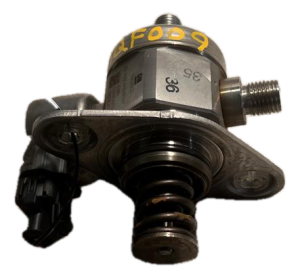
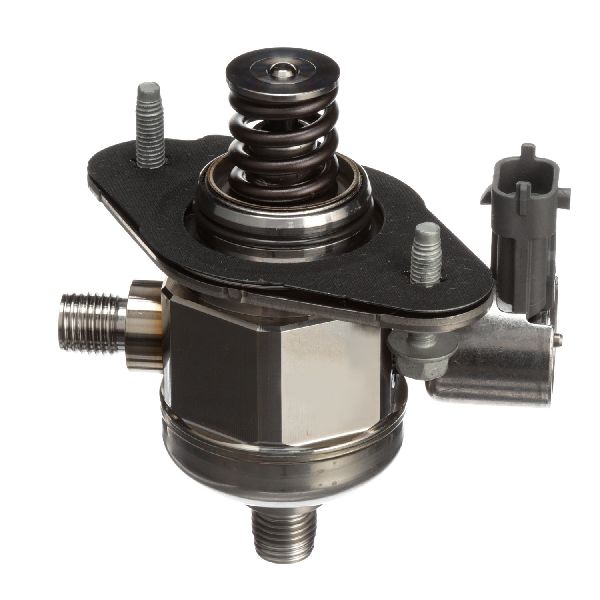
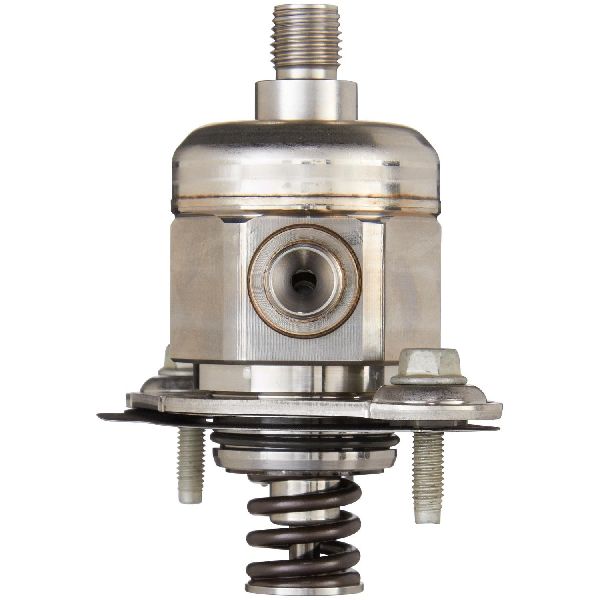
- Replacing the high-pressure fuel pump (HPFP) on the engine. P2635 specifically relates to the 🎬 Watch: A breakdown of P2635 causes and common fixes. low-pressure fuel system in the tank.
- Replacing the fuel pump when the actual fault is the Fuel Pump Control Module (FPCM), or vice-versa.
- Ignoring the possibility of a faulty fuel pressure sensor, which is a cheaper and simpler repair than a fuel pump or FPCM.
Most Likely Causes

- Failing Fuel Pump Control Module (FPCM) 🔴 High Probability → Shop Fuel Pump The FPCM on these vehicles is a very common failure point, susceptible to heat and electronic failure, leading to erratic fuel pump operation. It is mounted on the vehicle's frame, exposing it to the elements. Forum discussions and TSBs point to this module as a frequent culprit when P2635 is set.
How to confirm: A technician can use a bi-directional scan tool to monitor the commanded versus actual fuel pressure from the low-pressure system and check for communication errors with the FPCM. The module is located at the rear of the vehicle, often above the spare tire or near the rear differential, mounted to the frame. 🎬 See this video to locate the fuel pump control module. A new module requires programming to the vehicle.
Typical fix: Replace the Fuel Pump Control Module and inspect the wiring connector for corrosion or damage. The new module must be programmed by a dealer or a properly equipped independent shop. 🎬 Watch: What you need to know about programming the module.
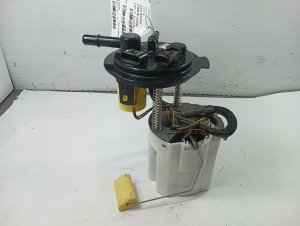
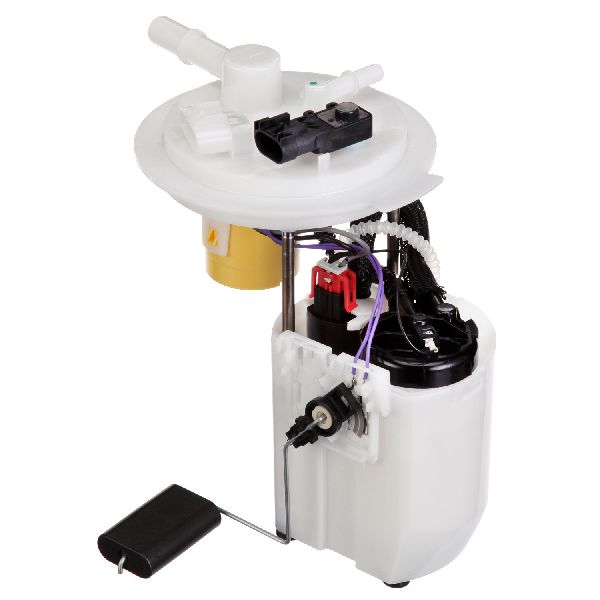
Est. part cost: $80-$150 - Weak or Failing In-Tank Fuel Pump 🟡 Medium Probability → Shop Fuel Pump As with any vehicle, the fuel pump can wear out over time. However, for the high-temperature stalling issue, GM issued TSB 17-NA-335 which specifically recommends replacing the fuel pump module with an updated version to resolve the vapor buildup problem. This suggests the original pump design was flawed.
How to confirm: Perform a fuel pressure and volume test on the low-pressure fuel system to see if it meets manufacturer specifications, especially when the symptoms are present (i.e., when the vehicle is hot). A scan tool showing low-side fuel pressure dropping significantly under load also points to a weak pump.
Typical fix: Replace the in-tank fuel pump module assembly, preferably with the updated part number specified by GM to address the TSB.
Est. part cost: $250-$500 - Clogged Fuel Filter ⚪ Low Probability → Shop Fuel Filter The fuel filter is integrated into the fuel pump module assembly. While not a separate component to fail, a prematurely clogged filter due to poor fuel quality can restrict flow and cause this code.
How to confirm: Confirmed by low results during a fuel pressure and volume test. The filter itself is not typically inspected separately.
Typical fix: Replace the entire fuel pump module assembly, as the filter is not serviced separately.
Est. part cost: $250-$500 - Faulty Fuel Pressure Sensor ⚪ Low Probability → Shop Fuel Pressure Sensor
How to confirm: Monitor the sensor's output on a scan tool. A quick test involves depressurizing the system (with the engine cold) and ensuring the pressure reading drops to zero. A sensor that is stuck or provides erratic readings is faulty. If the sensor reading on the scan tool is stuck at a single value and doesn't fluctuate at all, it is highly suspect.
Typical fix: Replace the fuel pressure sensor.
Est. part cost: $50-$100
Rare But Worth Checking
- Wiring Harness Damage: Corrosion or physical damage to the wiring for the FPCM or the fuel pump can cause intermittent power loss and trigger this code. The FPCM connector is located in an area exposed to road salt and moisture, making it a point to inspect closely.
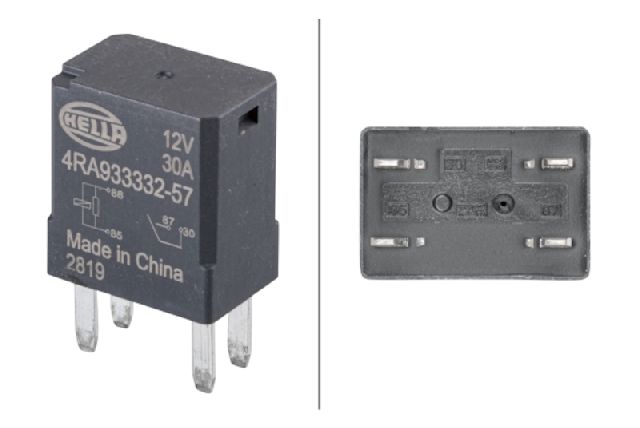
- Blown Fuse or Bad Relay: A blown fuse or a faulty relay in the fuel pump circuit can cut power to the pump or FPCM, leading to a P2635 code. This should be one of the first and easiest checks.
Diagnosis Steps
- Scan the vehicle for all diagnostic trouble codes. Note any other codes, especially P018B, as this strongly points to the TSB-related issue.
- Using a scan tool, monitor the low-side fuel pressure parameter. Compare the desired pressure with the actual pressure. A significant difference, or actual pressure dropping under load or when hot, indicates a problem.
- Inspect the Fuel Pump Control Module (FPCM) and its electrical connector for any signs of corrosion, damage, or loose connections. The FPCM is typically mounted to the frame rail near the rear of the vehicle.
- If symptoms occur primarily in high heat (above 100°F/37.7°C), reference TSB 17-NA-335. The bulletin points to vapor lock and recommends replacing the fuel pump module with an updated version as the fix.
- Perform a fuel pressure and volume test directly at the fuel line to verify the scan tool readings and confirm the output of the in-tank fuel pump.
- If the fuel pressure sensor reading is suspect (e.g., stuck at one value), test the sensor's accuracy by depressurizing the system and checking its reading.
- Check fuses and relays related to the fuel system.
- If all other components test good, the FPCM is a highly likely cause. However, remember that a new FPCM requires programming.
Parts You'll Likely Need

- Fuel Pump Control Module
(OEM #23482909 (superseded by 23382564), 20964305)— This module is a very common point of failure on this platform and is directly responsible for controlling the pump that sets this code. It is often the first part replaced.
Trusted brands: ACDelco (GM Genuine), Dorman, APDTY
OEM price range: $120-$180
Aftermarket price range: $80-$150 - Fuel Pump and Sender Assembly — If the pump itself is weak or has failed, it must be replaced. An updated pump is the official fix for the high-temperature stalling issue described in TSB #17-NA-335. The TSB advises checking the parts catalog for the latest correct part number.
Trusted brands: ACDelco, Delphi, Bosch, TYC
OEM price range: $400-$600
Aftermarket price range: $250-$450
Related Codes That Often Appear With This One
- P018B — This code, 'Fuel Pressure Sensor 'B' Circuit Range/Performance', is frequently set alongside P2635. GM issued TSBs #PIP5507B and #17-NA-335 that specifically mention these two codes appearing together, especially in high-temperature conditions due to vapor buildup.
Technical Service Bulletins (TSBs) & Recalls
- PIP5507B: Preliminary information bulletin communicating that DTCs P2635 and/or P018B may set in ambient temperatures of 100°F or higher, potentially causing hesitation or stalling.
- 17-NA-335: A later, more definitive bulletin that supersedes previous ones (like PIP5411F). It also addresses P2635/P018B in high ambient temperatures, confirms the cause as vapor buildup, and specifies the correction is to replace the fuel pump module with an updated version.
- PIP5411F: An older bulletin, now replaced by 17-NA-335, that discussed the same high-temperature stalling issue and mentioned a new design fuel pump as a 'temporary fix' while engineering worked on a permanent solution.
Platform-Specific Known Issues
- Per TSB #17-NA-335: In ambient temperatures of 100°F (37.7°C) or higher, DTCs P2635 and/or P018B may set. The vehicle may also exhibit a hesitation, surging, or stalling condition due to vapor buildup in the fuel feed line. The official correction is to replace the fuel pump module with an updated version.
- The Fuel Pump Control Module (FPCM) is mounted on the frame near the rear differential, making it susceptible to corrosion and damage from road debris and weather.
Mechanic-Grade Diagnostic Values
- Low-Side Fuel Pressure (Key On, Engine Off prime pulse) — expected: 55-60 psi (379-414 kPa). Failure: Pressure below this range indicates a weak in-tank pump or control issue.
- Low-Side Fuel Pressure (Scan tool 'Fuel Pump Enable' command) — expected: 50-100 psi (345-690 kPa). Failure: Pressure below 50 psi suggests a flow problem from the pump or a significant leak.
- FPCM Power Supply Voltage (at module connector) — expected: 12.0–12.6 V with ignition on. Failure: A drop below 11.5 V points to a wiring or power supply problem before the module.
Scan Tool Commands That Help
- GDS2 / Tech2: Fuel Pump Enable — Used to manually activate the in-tank fuel pump to test its ability to build and hold pressure without the engine running, isolating the pump's performance.
- GDS2 / Tech2: Fuel System Depressurize — Used on a cold engine to bleed down system pressure. This command helps test the fuel pressure sensor; the sensor's reading should drop to or near zero, confirming it is not stuck.
- GDS2 / TIS2Web: Fuel Pump Control Module Programming — This is a required procedure after replacing the FPCM. The new module must be programmed with the vehicle's VIN and correct software to function.
Wiring & Ground Locations
- FPCM Location — Mounted to the rear crossmember or frame rail, often above the spare tire.. This exposed location makes the module and its connector highly susceptible to corrosion and physical damage from road salt, water, and debris, which can cause intermittent operation and trigger P2635.
- G401 — A ground point related to the fuel system harness.. A GM service message for a similar platform identifies G401 as a critical ground to inspect for poor connections when diagnosing fuel system issues. A bad ground can cause insufficient power to the FPCM or pump.
- X350 — The connector between the main body harness and the fuel tank harness.. This connector is a potential point of failure for the wiring going to the in-tank fuel pump and sensor. It should be inspected for corrosion or loose terminals.
- G302 — At the base of the right-hand (passenger side) B-pillar.. A documented case on a 2015 Traverse found this ground to be loose/corroded, causing widespread, bizarre electrical issues. While not directly linked to P2635 in that instance, it serves as a known weak point in the vehicle's grounding system that could potentially affect module performance.
When the Usual Fixes Don't Work
- While replacing the Fuel Pump Control Module (FPCM) is the most common fix for P2635, it is not always the correct one. In cases where symptoms only appear in ambient temperatures over 100°F (37.7°C), GM TSB 17-NA-335 explicitly identifies the cause as vapor buildup in the fuel line. In this specific scenario, replacing the FPCM will not solve the problem. The official GM-prescribed repair is to replace the in-tank fuel pump module with an updated part designed to mitigate this vapor lock issue. Ignoring this TSB can lead to repeated, failed repair attempts by replacing the wrong component.
OEM Part Supersession History
23482909→23382564— Likely an internal revision for improved reliability or component sourcing.
Heads up: The new part number 23382564 is the correct service replacement for 23482909.20964305→N/A (Used on earlier models)— This part number is specified for 2013-2014 models, while later models use a different part series.
Heads up: While they perform the same function, using the wrong module for the model year may result in programming or communication errors. Always verify the part number against the VIN.
Model Year Variations Within This Range
- 2013-2014 vs 2015-2017: The OEM part number for the Fuel Pump Control Module (FPCM) is different. 2013-2014 models typically use part number 20964305. 2015 and later models use part number 23482909, which was later superseded by 23382564. This indicates a design or supplier change after the 2014 model year.
Helpful Videos
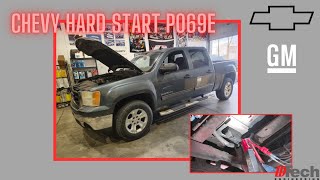

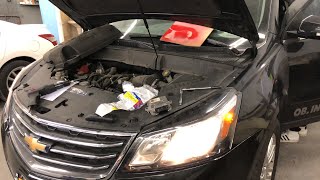
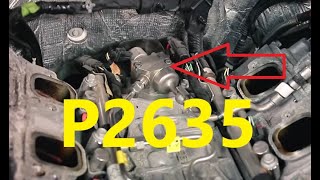
Used OEM Parts in Stock
New Aftermarket Parts Available


The information in this article is provided for general reference and educational purposes only. Vehicle specifications, procedures, and part compatibility can vary by production date, trim level, and region. Always consult your vehicle's factory service manual and verify part numbers before purchasing or performing repairs. Safety-critical components such as airbags, seat belts, and braking systems should be installed by a qualified professional.
- Chevrolet TRAVERSE:
- 🧭 Diagnostic Flowchart
- 🎬 Helpful Videos
- 🛍️ Shop This Part
- What's Unique About the 2013-2017 Chevrolet TRAVERSE
- Symptoms You May Notice
- Most Likely Causes
- Rare But Worth Checking
- Diagnosis Steps
- Parts You'll Likely Need
- Related Codes That Often Appear With This One
- Technical Service Bulletins (TSBs) & Recalls
- Platform-Specific Known Issues
- Mechanic-Grade Diagnostic Values
- Scan Tool Commands That Help
- Wiring & Ground Locations
- When the Usual Fixes Don't Work
- OEM Part Supersession History
- Model Year Variations Within This Range
- 🎟️ Get 5% Off