

P2635 on 2010-2014 GMC Savana: Fuel Pump Low Flow/Performance Causes and Fixes
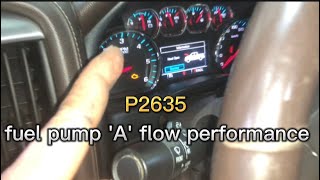
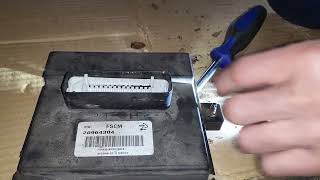
On a 2010-2014 GMC Savana, code P2635 indicates the fuel pump is not delivering the flow rate commanded by the computer. This is often caused by a failing in-tank fuel pump or a faulty Fuel Pump Control Module (FPCM), especially in extreme hot or cold weather. Replacing the fuel pump assembly or the FPCM are the most common fixes. The FPCM is located on the frame rail near the spare tire.
- P2635 on a 2010-2014 Savana is a serious code indicating a fuel delivery problem that can cause dangerous stalling.
- The issue is strongly linked to extreme weather; watch for symptoms in very hot or very cold temperatures.
- The most probable cause is a failing in-tank fuel pump module, followed by the Fuel Pump Control Module (FPCM).
- Diagnosis should involve checking commanded vs. actual fuel pressure with a scan tool.
- When replacing the fuel pump, ensure you are using the latest updated part number from GM to permanently resolve the issue described in service bulletins.
What's Unique About the 2010-2014 Gmc SAVANA
The GMC Savana and its sibling, the Chevrolet Express, are known for fuel system sensitivities, particularly in extreme temperatures, as documented in official GM Technical Service Bulletins (TSBs). TSB #PIP5507B directly mentions that in ambient temperatures of 100°F (37.7°C) or higher, DTC P2635 and/or P018B may set, potentially causing hesitation or stalling. Conversely, TSB #18-NA-103 notes the code can appear in very cold weather (below 20°F or -6°C), causing no-start or loss of power conditions. This indicates a fuel delivery system that is particularly vulnerable to environmental extremes.
Diagnostic Flowchart
Tap your situation to follow the diagnostic path that matches what you're seeing on this vehicle.
Symptoms You May Notice
- Engine hesitation or surging.
- Stalling, especially in very hot weather.
- Loss of power under acceleration.
- Difficulty starting the engine, or a start-and-stall condition, especially in very cold weather.
- Extended cranking time before the engine starts.
- Illuminated Check Engine Light (MIL).
- Replacing the fuel pressure sensor on the fuel rail. While a faulty sensor can cause similar issues, TSBs for this platform point more directly to the pump and control module for P2635. It's important to test the sensor's output before replacing it.
- Replacing the FPCM without performing a full diagnostic. A diagnostic document warns technicians not to replace the FPCM based solely on a history code for P2635 without first verifying fuel system pressure is correct.
- Replacing the fuel pump when the actual cause is a poor ground connection to the frame rail for the FPCM or fuel pump.
Most Likely Causes
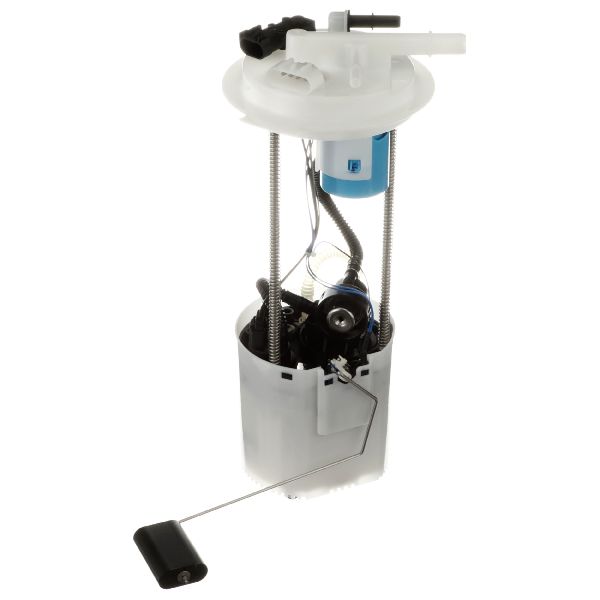
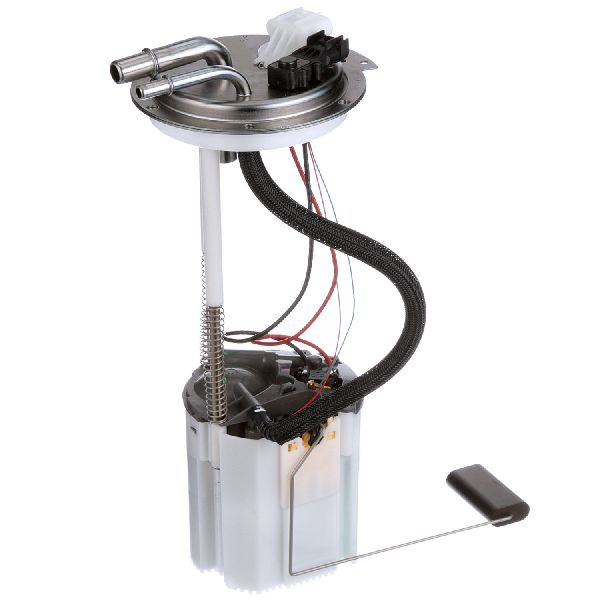
- Failing In-Tank Fuel Pump Module 🔴 High Probability → Shop Fuel Pump As noted in TSBs, the fuel pump assembly can fail to provide adequate pressure in extreme temperatures, either from vapor buildup when hot or component failure when cold. The pump itself can wear out, or the integrated filter can become clogged.
How to confirm: Use a capable scan tool to monitor commanded vs. actual fuel rail pressure. A significant discrepancy points to a weak pump. A manual fuel pressure gauge can also be used for verification. A technician may also command full power to the pump to test its maximum output pressure.
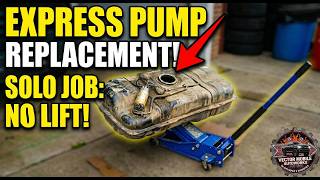
Typical fix: Replace the entire in-tank fuel pump module assembly, which requires lowering the fuel tank. It is recommended to use an updated part as specified by GM TSBs for heat-related issues.
Est. part cost: $300-$1100 - Faulty Fuel Pump Control Module (FPCM) 🟡 Medium Probability → Shop Fuel Pump The FPCM (also called a Fuel Pump Driver Module) regulates the voltage to the fuel pump. It is mounted to the frame rail, often near the spare tire, where it is exposed to heat, moisture, and vibration, which can lead to failure.
How to confirm: Diagnosis involves checking for power (Pin 32) and ground (Pin 1) at the module, and verifying the command signal from the ECM (Pin 13) and the output voltage to the pump (Pin 47) with a scan tool and multimeter. A common diagnostic step is to bypass the module to see if the pump runs at full power.
Typical fix: Replace the Fuel Pump Control Module. The new module must be programmed to the vehicle using specific software like GM's SPS2. Failure to program the new module will result in a no-start condition.
Est. part cost: $70-$200 - Clogged Fuel Filter ⚪ Low Probability → Shop Fuel Filter On these vans, the fuel filter is integrated into the fuel pump module assembly inside the tank and is not serviced separately. If it clogs with sediment or debris, the entire module must be replaced.
How to confirm: This is typically diagnosed by confirming low fuel pressure after ruling out the FPCM and electrical issues. The pump may be audible but unable to push sufficient fuel.
Typical fix: Replace the fuel pump module assembly.
Est. part cost: $300-$1100 - Wiring or Connector Issues ⚪ Low Probability The wiring to the FPCM on the frame rail or the fuel pump connector on top of the tank can become corroded, chafed, or damaged from road debris, leading to intermittent power loss or poor signals. Poor grounds on the frame are a known issue.
How to confirm: Visually inspect the wiring harness and connectors for corrosion, chafing, or loose pins, paying close attention to the harness section along the frame rail leading to the FPCM. Perform a voltage drop test on the power and ground circuits for the fuel pump and FPCM.
Typical fix: Repair the damaged section of wiring or replace the faulty connector. In some cases, a new ground wire from the battery to the frame may be needed.
Est. part cost: $20-$100
Rare But Worth Checking
- Collapsed or Debris-Clogged Fuel Tank: → Shop Fuel Tank
- Faulty Fuel Pressure Sensor: → Shop Fuel Pressure Sensor
Diagnosis Steps
- Scan the ECM for all stored trouble codes. Note if P2635 is accompanied by P018B, P0087, or others.
- Using a scan tool with live data, monitor the 'Commanded Fuel Pressure' versus the 'Actual Fuel Rail Pressure'. A large, persistent difference suggests a flow problem.
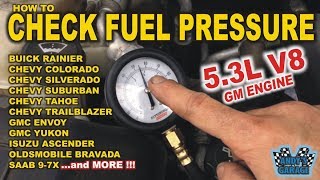
- Connect a manual fuel pressure gauge. With the key on and engine off, command the fuel pump ON with a scan tool. Pressure should be between 345-690 kPa (50-100 psi). At idle, it should be stable between 296.4-310.3 kPa (43-45 psi).
- Locate the Fuel Pump Control Module (FPCM). On the Savana, it is typically mounted on the outside of the frame rail, near the spare tire.
- Visually inspect the FPCM, its connector, and the wiring harness leading to it for any signs of corrosion, physical damage, or loose connections.
- Check for proper voltage (12V+) at FPCM connector Pin 32 (Red/White wire) and a good ground at Pin 1 (Black wire).
- If electrical inputs to the FPCM are good, test the output voltage to the fuel pump. It should vary as the commanded pressure changes on the scan tool.
- If the FPCM has proper power and signal but the pump isn't responding or fuel pressure is still low, the fuel pump module is the likely culprit.
- Before replacing the pump, check the condition of the fuel. Contaminated or incorrect fuel (like high ethanol content if not a Flex Fuel vehicle) can cause performance issues.
- If the FPCM is replaced, it MUST be programmed to the vehicle's VIN using GM's online service programming system (SPS2). The vehicle will not start until this is done.
Parts You'll Likely Need
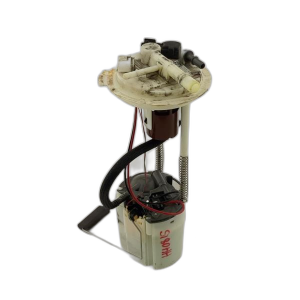
- Fuel Pump Module Assembly
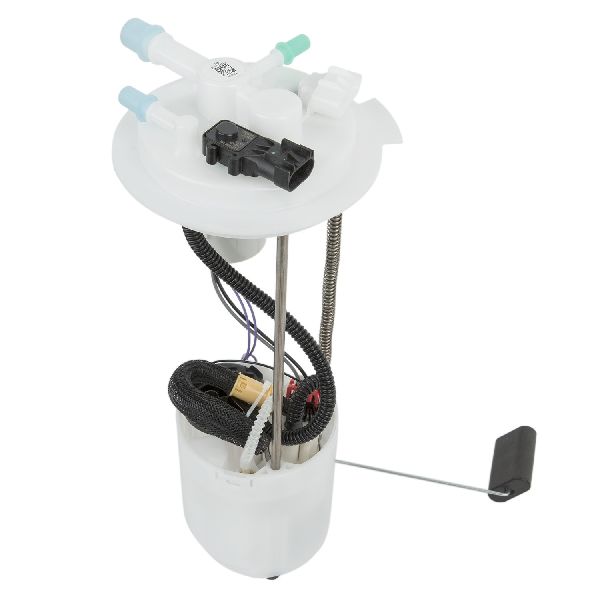
(OEM #Varies by VIN. Must check EPC. TSB 17-NA-335 advises using an updated part for heat-related issues.)— This is the most common failure point leading to code P2635, especially in extreme temperatures as cited in GM service bulletins. The assembly includes the pump, sending unit, and integrated filter.
Trusted brands: ACDelco, Delphi
OEM price range: $450-$1100
Aftermarket price range: $300-$700 - Fuel Pump Control Module (FPCM)
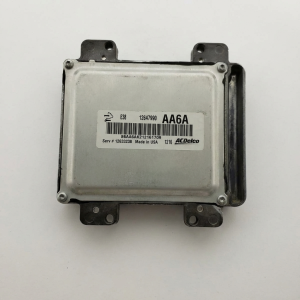
(OEM #ACDelco 23487555 (Supersedes older numbers, verify by VIN))— This module controls the fuel pump's speed. Its failure can mimic a bad fuel pump by not providing the correct voltage, causing a low flow condition. Its location on the frame rail makes it vulnerable to damage.
Trusted brands: ACDelco, Dorman
OEM price range: $120-$200
Aftermarket price range: $70-$150
Related Codes That Often Appear With This One
- P018B — This code for 'Fuel Pressure Sensor 'B' Circuit Range/Performance' is frequently set alongside P2635, as both relate to the fuel delivery system detecting a pressure problem. TSBs PIP5507B and 18NA103 both mention these codes appearing together.
- P0087 — This code means 'Fuel Rail/System Pressure - Too Low' and is a direct consequence of the low flow condition described by P2635. TSB 18NA103 lists it as a related code.
Technical Service Bulletins (TSBs) & Recalls
- PIP5507B: Addresses hesitation, stalling, and codes P2635/P018B in high ambient temperatures. This is an older, preliminary bulletin.
- 17-NA-335: Supersedes earlier bulletins. Recommends replacing the fuel pump module with an updated design to fix the high-temperature vapor buildup issue.
- 18NA103: Addresses no-start, stalling, and loss of power with code P2635 in very cold ambient temperatures.
- 19-NA-277: Discusses how a clogged fuel tank vent can lead to a collapsed tank and fuel flow issues, including code P2635, on related GM trucks.
Platform-Specific Known Issues
- TSB #17-NA-335: This bulletin supersedes older TSBs like PIP5411F. For hesitation, stalling, and codes P2635/P018B in high ambient temperatures (100°F+), it attributes the cause to vapor buildup in the fuel feed line and recommends replacing the fuel pump module with an updated version.
- TSB #18NA103: In ambient temperatures below 20°F (-6°C), the vehicle may experience a start and stall, no start, or loss of power, setting P2635 along with other fuel pressure codes. This points to a cold-weather performance issue with the fuel delivery system, potentially related to fuel gelling.
- Real-World Experience: Owners on forums for the Savana and its twin, the Chevrolet Express, frequently discuss stalling in hot weather that resolves after the vehicle cools down, a classic symptom of the vapor buildup issue described in the TSBs.
Mechanic-Grade Diagnostic Values
- Fuel Rail Pressure (at idle, engine at operating temp) — expected: 296.4-310.3 kPa (43-45 psi). Failure: Pressure significantly below this range indicates a flow problem.
- Fuel Pressure (Key On, Engine Off, Pump Commanded ON) — expected: 345-690 kPa (50-100 psi). Failure: Pressure below 50 psi indicates a weak pump, clogged filter, or leak. Pressure above 100 psi may indicate a faulty pump module regulator.
- Fuel System Leak-Down Test — expected: Pressure should not decrease more than 34 kPa (5 psi) in 1 minute after the pump is turned off.. Failure: A rapid pressure drop indicates a leaking injector, check valve in the pump, or fuel line.
- FPCM Power Supply Voltage — expected: 12.0 - 14.0 Volts. Failure: Voltage below 12V at Pin 32 (Red/White wire) of the FPCM connector points to a wiring or fuse issue upstream of the module.
- FPCM Ground Circuit — expected: Good continuity to chassis ground.. Failure: High resistance or an open circuit on Pin 1 (Black wire) of the FPCM connector will prevent the module and pump from operating.
Scan Tool Commands That Help
- GDS2/Tech2 (or capable professional scan tool): Fuel Pump ON/OFF Command — Used with a manual pressure gauge to test the fuel pump's maximum pressure output and check for leaks without starting the engine.
- GDS2/MDI: Fuel System Depressurize — This command should be used on a cold engine when P2635 is paired with P018B. It tests if the fuel pressure sensor can read absolute zero. If the sensor reading remains high (e.g., 30-40 PSI) after the engine stalls, the sensor is faulty.
- GM SPS2 (Service Programming System): Module Programming/Setup — This is required after replacing the Fuel Pump Control Module (FPCM). The new module must be programmed with the vehicle's VIN and calibration files, otherwise the engine will not start.
Wiring & Ground Locations
- FPCM Connector — On the Fuel Pump Control Module, mounted to the outside of the frame rail, often near the spare tire.. This is the central connection point. Key pins to test are Pin 32 (Battery +), Pin 1 (Ground), Pin 13 (Signal from ECM), and Pin 47 (Voltage to Pump).
- G400 — A ground terminal on the chassis frame rail in the rear section of the vehicle.. A GM TSB for Savana/Express vans notes that on upfitted vehicles, this ground may have been moved and improperly reinstalled, leading to corrosion and intermittent fuel pump operation.
- Engine-to-Frame Ground — Main ground strap connecting the engine block to the vehicle's frame.. A poor connection here can cause a voltage drop across the entire fuel system, leading to low pump performance even if all components are good. In one documented case, adding a new 4-gauge ground wire from the battery to the frame fixed a persistent no-start issue that mimicked a bad fuel pump.
Real Owner Repair Stories
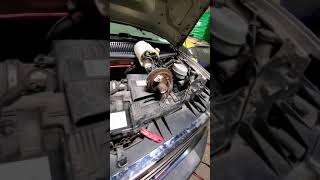
- YouTube video, channel 'Burnin Gas' (2012 Chevrolet Silverado 1500 4.8L V8 with 350,000 km) — P2635 code, flashing check engine light, misfire on light throttle going uphill, live data showed fuel pressure dropping to 38-40 PSI.
❌ Tried (didn't work) Initial diagnosis pointed to the fuel pump due to low pressure readings.
✅ What actually fixed it The Mass Airflow (MAF) sensor was found to be coated in oil residue and dirt. Cleaning the MAF sensor with brake cleaner resolved all symptoms and the P2635 code did not return. The truck never threw a MAF-specific code. - YouTube video (2006 GMC Savana) — Crank no-start, no fuel pressure, new fuel pump did not fix the issue.
❌ Tried (didn't work) Replacing the fuel pump.
✅ What actually fixed it The technician discovered a bad engine-to-frame ground. By temporarily connecting jumper cables from the battery negative to the frame, the fuel pump turned on. The permanent fix was running a new 4-gauge ground wire from the battery terminal directly to the frame rail. - YouTube video, channel 'Fix your Trouble code' (2017 Chevrolet Silverado) — P2635 code that would return instantly after clearing.
❌ Tried (didn't work) Owner noted that many people chase the fuel pump for this code.
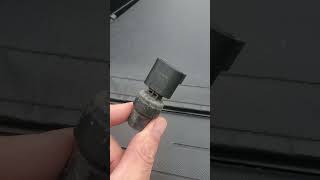
✅ What actually fixed it Replacing the fuel rail pressure sensor. The fix took five minutes and cost $40 for the part.
"I Checked Everything" — The Actual Cause
- In a documented case on a similar GM truck, all fuel system pressure tests pointed towards a failing fuel pump (P2635 with pressure dropping to 38-40 PSI under load). However, the actual cause was a severely contaminated Mass Airflow (MAF) sensor. The incorrect airflow reading caused the ECM to miscalculate fuel demand, creating symptoms of a fuel flow problem without setting a MAF-related DTC. Cleaning the MAF sensor resolved the issue completely.
When the Usual Fixes Don't Work
- While the most common causes for P2635 are the fuel pump and FPCM, there are confirmed cases where the root cause is entirely outside the fuel delivery system. One notable example involved a 2012 Silverado where a dirty Mass Airflow (MAF) sensor was providing incorrect data to the ECM. This led the engine computer to believe there was a fuel flow performance issue, triggering P2635. The fuel pressure was genuinely low on live data, but only because the fueling commands were wrong due to the bad MAF reading. Cleaning the MAF sensor fixed the problem, proving that a P2635 code is not always a direct indictment of the fuel pump itself.
OEM Part Supersession History
ACDelco 13579380→ACDelco 13516496— Updated part for fuel rail pressure sensor on similar GM platforms.
Heads up: The video creator noted the new part was listed as not fitting his 2017 Silverado, but it fit and worked perfectly. This highlights the importance of visual comparison and verifying cross-compatibility.
Helpful Videos
Used OEM Parts in Stock
New Aftermarket Parts Available



The information in this article is provided for general reference and educational purposes only. Vehicle specifications, procedures, and part compatibility can vary by production date, trim level, and region. Always consult your vehicle's factory service manual and verify part numbers before purchasing or performing repairs. Safety-critical components such as airbags, seat belts, and braking systems should be installed by a qualified professional.
- Gmc SAVANA:
- 🧭 Diagnostic Flowchart
- 🎬 Helpful Videos
- 🛍️ Shop This Part
- What's Unique About the 2010-2014 Gmc SAVANA
- Symptoms You May Notice
- Most Likely Causes
- Rare But Worth Checking
- Diagnosis Steps
- Parts You'll Likely Need
- Related Codes That Often Appear With This One
- Technical Service Bulletins (TSBs) & Recalls
- Platform-Specific Known Issues
- Mechanic-Grade Diagnostic Values
- Scan Tool Commands That Help
- Wiring & Ground Locations
- Real Owner Repair Stories
- "I Checked Everything" — The Actual Cause
- When the Usual Fixes Don't Work
- OEM Part Supersession History
- 🎟️ Get 5% Off