

P2635 on 2013-2017 GMC Terrain: Fuel Pump Performance, Stalling, and Fixes
On a 2013-2017 GMC Terrain, code P2635 almost always indicates a failing in-tank fuel pump, especially if the engine hesitates or stalls in hot weather. This is a known issue confirmed by GM. The fix is to replace the fuel pump module with an updated part, which can cost $800-$1,400 at a shop.
- P2635 on a 2013-2017 GMC Terrain is a serious code, often indicating an imminent stalling risk.
- If your vehicle hesitates or stalls in hot weather, the in-tank fuel pump is the most likely cause, as confirmed by GM service bulletin #17-NA-335.
- Do not continue to drive the vehicle, as unexpected stalling creates a major safety hazard.
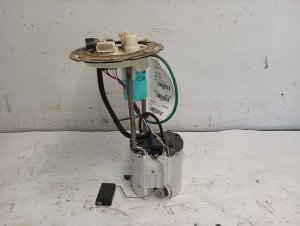
- The fix typically involves replacing the fuel pump module with an updated part (ACDelco M100153), a job best left to a professional due to the need to drop the fuel tank.
- Always check for code P018B, as it commonly appears with P2635 for this specific issue.
What's Unique About the 2013-2017 Gmc TERRAIN
The GMC Terrain and its platform mate, the Chevrolet Equinox, have a well-documented weakness concerning the fuel system in high heat. General Motors issued Technical Service Bulletin #17-NA-335, which supersedes earlier bulletins like #PIP5507B, to address code P2635 appearing with hesitation or stalling in ambient temperatures over 100°F (38°C). The original fuel pump module can struggle to overcome vapor buildup (vapor lock) in the fuel line under these conditions, leading to a significant drop in fuel pressure that triggers the code and stalls the engine. The official GM fix is to replace the original fuel pump module with an updated design.
Diagnostic Flowchart
Tap your situation to follow the diagnostic path that matches what you're seeing on this vehicle.
Symptoms You May Notice
- Engine stalling, especially in hot weather or after extended idling.
- Hesitation or surging during acceleration.
- Reduced engine power.
- Check Engine Light is on.
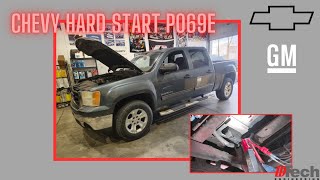
- Difficulty starting or a no-start condition. 🎬 Watch: Diagnostic steps for a Terrain that is hard to start.
- Engine runs rough or misfires.
- Stalling after a hot restart.
- Replacing the fuel pressure sensor without proper diagnosis. While a bad sensor can cause fuel system codes, the specific symptoms of stalling in heat strongly point towards the pump itself on this vehicle, as per GM TSBs.
Most Likely Causes
- Failing In-Tank Fuel Pump Module 🔴 High Probability → Shop Fuel Pump As documented in GM TSB #17-NA-335 (which supersedes #PIP5507B), the original design fuel pump is known to falter in high ambient temperatures due to vapor buildup in the fuel lines, causing fuel starvation.
How to confirm: Monitor desired vs. actual fuel pressure with a scan tool while driving in conditions that trigger the fault (high heat). A significant drop in actual pressure that correlates with hesitation or stalling confirms the issue. The TSB recommends replacement if these conditions are met.
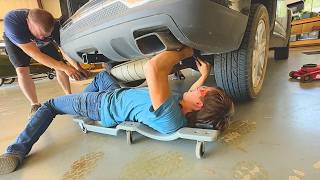
Typical fix: Replace the entire in-tank fuel pump module assembly with the updated GM part. This requires dropping the fuel tank. 🎬 See this start-to-finish fuel pump replacement walkthrough. The updated ACDelco GM OE part is M100153.
Est. part cost: $250-$500 - Faulty Fuel Pump Control Module (FPCM) 🟡 Medium Probability → Shop Fuel Pump The FPCM is mounted under the vehicle near the spare tire, exposing it to moisture, road salt, and debris. This can lead to corrosion of the module's housing, connector pins, and ground wire, causing intermittent or total failure.
How to confirm: Visually inspect the FPCM and its connector for heavy corrosion (white or green powder). Use a scan tool to command the FPCM and check for proper voltage output to the fuel pump. A lack of output voltage with proper input signals points to a failed module.
Typical fix: Replace the Fuel Pump Control Module. The new module must be programmed to the vehicle using specialized dealer software (SPS/GDS2).
Est. part cost: $80-$200 - Wiring or Connector Issues ⚪ Low Probability Connectors for the FPCM and the fuel pump itself are located underneath the vehicle and can become corroded or damaged. The Chevrolet Equinox, a platform mate, has a known issue (TSB PIT5203A) where the engine harness can chafe on the engine block, which could potentially affect the Terrain as well.
How to confirm: Visually inspect the wiring harness and connectors going to the FPCM (by the spare tire) and the top of the fuel tank for any signs of corrosion, melting, or physical damage. Check for chafing on the main engine harness near the block.
Typical fix: Repair the damaged section of the wiring harness or replace the affected connector.
Est. part cost: $20-$100
Rare But Worth Checking
- Blown fuse for the FPCM. In the under-hood fuse box, check fuse #46 (10A) and #52, which supply power to the module.
Diagnosis Steps
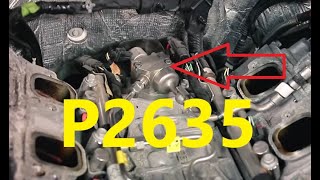
- Connect an OBD-II scanner and confirm P2635 is present. 🎬 Watch: A breakdown of common causes and fixes for P2635. Check if code P018B is also stored, as they are commonly linked.
- Note the ambient temperature and driving conditions when the code was set. If it occurred in heat above 100°F with stalling or hesitation, the fuel pump is the primary suspect per TSB #17-NA-335.
- Using a scan tool with live data, monitor 'Fuel Tank Flow Rate Desired' vs. 'Fuel Tank Flow Rate'. A significant discrepancy where the actual rate drops off during an event points to a delivery problem.
- Inspect the fuses for the Fuel Pump Control Module in the under-hood fuse box, specifically fuse #46 and #52.
- Locate the Fuel Pump Control Module (FPCM) mounted to the underbody near the spare tire. Carefully inspect its connector and wiring for any signs of green or white corrosion, loose pins, or physical damage.
- If wiring and the FPCM appear okay, and the symptoms perfectly match the TSB description (stalling in high heat), the in-tank fuel pump module is the most probable cause of failure.
- For a definitive diagnosis, a technician can use a bidirectional scan tool to command the fuel pump to run at various speeds while monitoring fuel pressure to confirm the pump cannot meet demand.
Parts You'll Likely Need
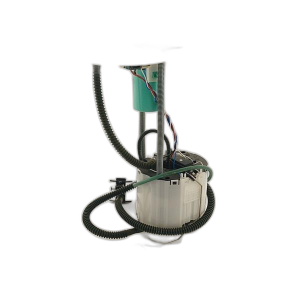
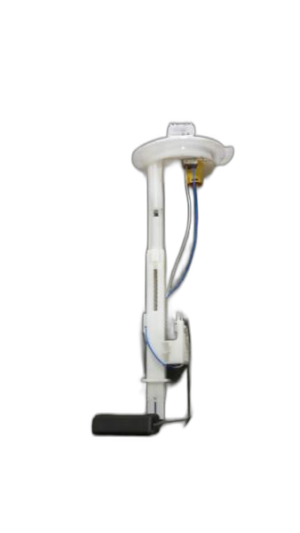
- Fuel Pump Module Assembly
(OEM #ACDelco M100153 (Updated Design))— This is the component identified by GM in service bulletin #17-NA-335 as the primary cause for code P2635 when accompanied by high-temperature stalling.
Trusted brands: ACDelco (GM OE), Delphi
OEM price range: $350-$500
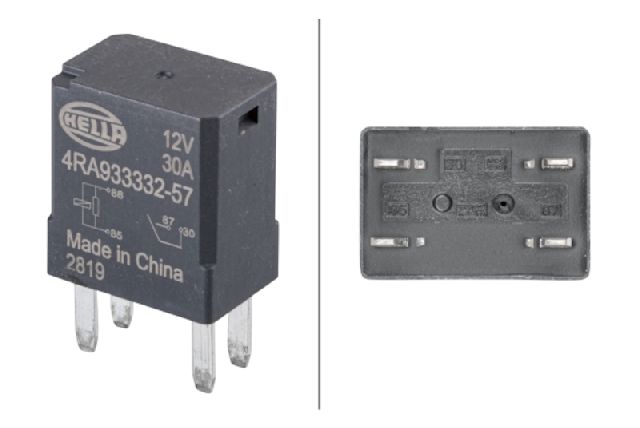
Aftermarket price range: $250-$400 - Fuel Pump Control Module (FPCM)
(OEM #ACDelco 23482933)— This module regulates power to the fuel pump and is a common failure point due to its exposed location under the vehicle. It's a likely secondary cause if the pump itself is not the issue. Requires programming.
Trusted brands: ACDelco (GM OE), Dorman, Standard Motor Products
OEM price range: $120-$200
Aftermarket price range: $80-$150
Related Codes That Often Appear With This One
- P018B — This code for 'Fuel Pressure Sensor 'B' Circuit Performance' is frequently set alongside P2635. GM TSBs #PIP5507B and #17-NA-335 explicitly mention these two codes appearing together for the same high-temperature stalling condition caused by fuel vapor buildup.
Technical Service Bulletins (TSBs) & Recalls
- 17-NA-335: Supersedes previous bulletins. Confirms that in high ambient temperatures (100°F+), codes P2635 and/or P018B may set with hesitation or stalling due to vapor buildup in the fuel line. Recommends replacing the fuel pump module with an updated version.
- PIP5507B: An earlier version of the bulletin describing the same high-temperature stalling issue. It advises that if a new pump has already been installed, other measures like using higher octane fuel might be suggested, but the core fix is the updated pump.
- PIT5203A: While for the platform-mate Chevrolet Equinox, this TSB is relevant as it identifies a potential for the engine wiring harness to chafe on the engine block, causing various DTCs including P2635.
- PIP5286B: Details a diagnostic procedure for when P2635 and P018B are set together, pointing to a potentially faulty fuel pressure sensor that is not reading zero pressure correctly.
Platform-Specific Known Issues
- A known issue, documented in GM Technical Service Bulletin #17-NA-335, causes code P2635 and engine stalling in ambient temperatures of 100°F or higher. The prescribed fix is to replace the in-tank fuel pump module with an updated part.
- Owners on forums like terrainforum.net have shared experiences confirming this exact failure mode. One user might describe their 2014 Terrain repeatedly stalling on hot days during their commute, with the dealer ultimately replacing the fuel pump per the TSB to resolve the issue.
Mechanic-Grade Diagnostic Values
- Low-Pressure Fuel Pressure (Idle) — expected: 300-400 kPa (43-58 psi). Failure: Pressure is unstable or significantly below this range, suggesting a weak pump or restriction.
- Low-Pressure Fuel Pressure (Pump Commanded ON, Engine OFF) — expected: 345-690 kPa (50-100 psi). Failure: Pressure below this range indicates a failing pump or significant leak.
- FPCM Power Supply Voltage — expected: 12.0 - 14.0 V. Failure: Voltage below 11.5V at the module connector suggests a wiring, fuse, or charging system problem.
- FPCM Command Signal Voltage — expected: 12 Volts. Failure: No voltage present at the Dark Green/White wire (Pin 13) at the FPCM connector with the key in the run position indicates a wiring issue or a problem with the ECM.
- Low-Side Fuel Pressure Sensor Test (Cold Engine) — expected: Using a GDS2 'Fuel System Depressurize' command, the pressure reading should drop to 0 PSI as the engine stalls.. Failure: The engine stalls, but the scan tool pressure reading remains stuck at a value like 30-40 PSI, indicating a faulty sensor.
Scan Tool Commands That Help
- GDS2: Fuel System Depressurize — Used with a cold engine to test if the low-pressure fuel sensor is stuck and not reading down to zero, which can cause codes P2635 and P018B.
- GDS2: Fuel Pump Module Matching / Self Learning Process — This function is required after replacing the Fuel Pump Control Module (FPCM) to allow the ECU to learn the new module's parameters.
- GDS2: Fuel Pump On/Off Command — Used to manually activate the fuel pump to check for function and listen for pump noise. May require the vehicle to be in 'Service Only Mode' (press start button for 5+ seconds with foot off brake).
Wiring & Ground Locations
- FPCM Connector Pin 13 — At the Fuel Pump Control Module, located on the underbody near the spare tire.. This pin carries the Dark Green/White wire, which is the command signal from the ECM. A lack of 12V here with the key on points to a wiring or ECM issue, not a faulty FPCM or pump.
- FPCM Connector Pin 32 — At the Fuel Pump Control Module.. This pin with the Red/White wire is the main battery positive voltage supply to the module. Low or no voltage here indicates a fuse or power supply wiring problem.
- FPCM Connector Pin 47 — At the Fuel Pump Control Module.. This pin with the Gray wire is the voltage output to the fuel pump itself. This can be tested to see if the module is commanding the pump correctly.
- FPCM Ground — The FPCM is grounded to the chassis near its mounting location under the vehicle.. The module's exposed location makes its ground connection susceptible to corrosion, which can cause intermittent operation and trigger P2635.
Real Owner Repair Stories
- CK5 Forum User (2014 Chevrolet Silverado (shares platform components)) — Persistent P2635 code after replacing the in-tank fuel pump. Also had P018B.
❌ Tried (didn't work) Replacing the in-tank fuel pump did not resolve the P2635 code.
✅ What actually fixed it Replacing the fuel pressure sensor located on the fuel line under the driver's seat resolved the P018B code. The user was still investigating the P2635, with advice pointing toward checking the wiring to the newly replaced sensor for corrosion or damage. This highlights that when P2635 and P018B appear together, the sensor and its wiring are a critical diagnostic point.
OEM Part Supersession History
13579895→13592490— Part has been updated by the manufacturer.13592490→13516849— Part has been updated by the manufacturer.13516849→19540616— Part has been updated by the manufacturer. This chain applies to the fuel pump module for some applications within this platform.
Heads up: Always verify the correct part number for the specific vehicle VIN using the GM Electronic Parts Catalog, as multiple pump designs exist.
Model Year Variations Within This Range
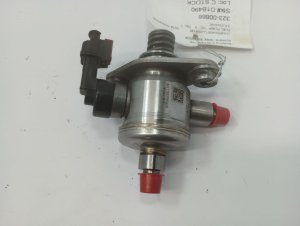
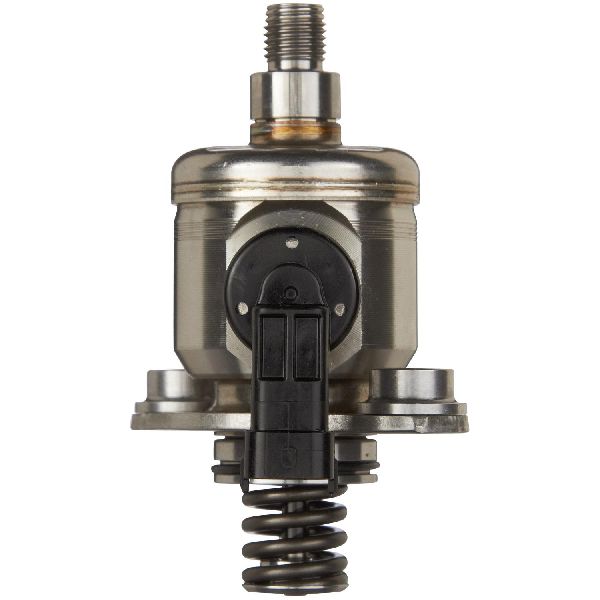
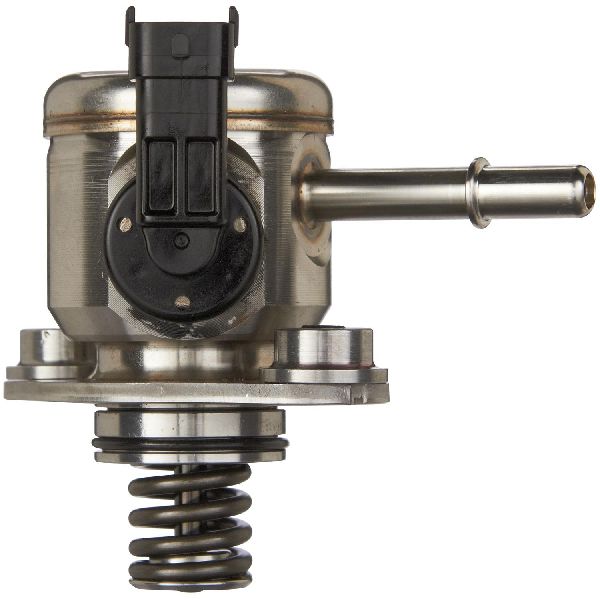
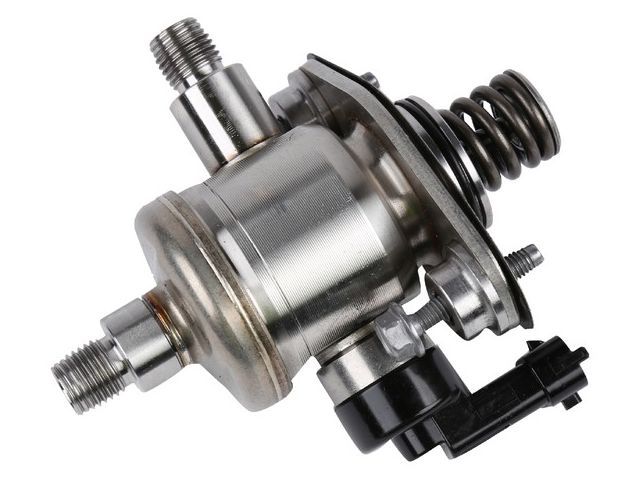
- 2013-2017: It's critical to distinguish between the two fuel pumps on direct-injection engines like the 2.4L Ecotec. Code P2635 specifically refers to 'Fuel Pump A', which is the low-pressure, in-tank fuel pump. It does NOT refer to the engine-mounted high-pressure fuel pump (HPFP), which can cause other codes like P0172 if it fails.
Helpful Videos
Used OEM Parts in Stock
New Aftermarket Parts Available


The information in this article is provided for general reference and educational purposes only. Vehicle specifications, procedures, and part compatibility can vary by production date, trim level, and region. Always consult your vehicle's factory service manual and verify part numbers before purchasing or performing repairs. Safety-critical components such as airbags, seat belts, and braking systems should be installed by a qualified professional.
- Gmc TERRAIN:
- 🧭 Diagnostic Flowchart
- 🎬 Helpful Videos
- 🛍️ Shop This Part
- What's Unique About the 2013-2017 Gmc TERRAIN
- Symptoms You May Notice
- Most Likely Causes
- Rare But Worth Checking
- Diagnosis Steps
- Parts You'll Likely Need
- Related Codes That Often Appear With This One
- Technical Service Bulletins (TSBs) & Recalls
- Platform-Specific Known Issues
- Mechanic-Grade Diagnostic Values
- Scan Tool Commands That Help
- Wiring & Ground Locations
- Real Owner Repair Stories
- OEM Part Supersession History
- Model Year Variations Within This Range
- 🎟️ Get 5% Off