

P2636 on 2007-2014 GMC Sierra 1500: Fuel Pump Performance Causes and Fixes
On a 2007-2014 Sierra, P2636 with a fuel gauge that reads empty after fill-ups is most often caused by refueling with the ignition on. If that's not the cause, the next most likely culprit is a corroded Fuel Pump Control Module (FPCM), an ~$80-$200 part located above the spare tire. This issue is extremely common on GMT900 platform trucks due to the module's exposed location.
- First, rule out the simplest cause: always turn your truck completely off before refueling.
- The most common failed part is the Fuel Pump Control Module (FPCM), not the in-tank fuel pump. Inspect the FPCM above the spare tire for corrosion before buying parts.
- Check the FPCM's ground connection to the frame; cleaning this simple connection can often solve the problem.
- If you see code U0109 along with P2636, it's a very strong sign that the FPCM has failed or has a bad connection.
What's Unique About the 2007-2014 Gmc SIERRA 1500
For the GMT900 platform (2007-2013), this code is famously tied to two specific issues. First, the truck's computer logic is sensitive and can set P2636 if refueled while the engine is running or the key is on. This is so common that GM issued TSBs advising technicians to ask about refueling habits first. The second, and most common hardware failure, is the physical location of the Fuel Pump Control Module (FPCM). It is mounted on a steel frame crossmember, directly above the spare tire, where it is highly susceptible to galvanic corrosion between the FPCM's aluminum housing and the steel frame, which traps moisture and road salt, destroying the module's electronics.
Diagnostic Flowchart
Tap your situation to follow the diagnostic path that matches what you're seeing on this vehicle.
Generation note: This range covers two Sierra 1500 generations: the GMT900 (2007-2013) and the first year of the K2XX (2014). The known issues with the FPCM location and refueling sensitivity are primarily documented for the GMT900 platform. While the 2014 model may share similar components, diagnostics should confirm part location and design as it belongs to the newer K2XX platform.
Symptoms You May Notice
- Fuel gauge drops to empty, especially after refueling. [⭐ MANUFACTURER TSB — highest authority]
- Check Engine Light is on.
- Vehicle may hesitate, stall, or have trouble starting.
- Reduced engine power.
- Crank-no-start condition if the FPCM fails completely.
- Replacing the in-tank fuel pump assembly when the actual problem is the much cheaper and easier to access Fuel Pump Control Module (FPCM).
- Performing extensive diagnostics before asking about refueling habits, which is the most common trigger for this specific code on GMT900 trucks.
- Replacing the FPCM when the issue is a simple corroded ground connection on the frame or a corroded fuse in the underhood fuse block.
Most Likely Causes
- Refueling with Ignition On or Engine Running 🔴 High Probability The fuel monitoring system's logic is sensitive and interprets the rapid fuel level change during a running state as a system fault. This is a well-documented software quirk confirmed by GM.
How to confirm: Ask the driver about their refueling habits. Clear the code, fill the tank with the vehicle completely off, and see if the code returns. This is the first step recommended in TSB PIT5208A.
Typical fix: Change refueling procedure. Always turn the ignition completely off before opening the fuel cap. No parts required.
Est. part cost: $0 - Faulty Fuel Pump Control Module (FPCM) 🔴 High Probability → Shop Fuel Pump The FPCM is mounted on the frame rail, often above the spare tire, making it extremely vulnerable to corrosion from water and road salt. The aluminum casing corrodes (often appearing swollen or chalky), allowing moisture to destroy the internal circuit board.
How to confirm: Visually inspect the FPCM for heavy corrosion on its aluminum casing and check the connector for corroded pins. Use a scan tool to check for communication with the FPCM; a related U0109 code ('Lost Communication With Fuel Pump Control Module') is a very strong indicator of failure.
Typical fix: Replace the Fuel Pump Control Module. The new module may need to be programmed to the vehicle's VIN, though pre-programmed aftermarket units (like some from Dorman) are available. Some aftermarket kits include spacers or plastic housings to prevent future corrosion.
Est. part cost: $80-$200 - Damaged Wiring or Poor Ground 🟡 Medium Probability The wiring harness to the FPCM and the module's ground strap are exposed under the truck, making them susceptible to chafing, corrosion, or physical damage. The primary ground point on the frame rail is a common failure point.
How to confirm: Inspect the wiring harness running along the frame to the FPCM and fuel tank. Locate the FPCM ground on the driver's side frame rail (often labeled G305 or similar), remove it, and clean the contact point and terminal to bare metal to ensure a good connection.
Typical fix: Repair the damaged section of the harness or clean/repair the ground connection. Applying dielectric grease can help prevent future corrosion.
Est. part cost: $0-$50 - Failing Fuel Pump Assembly or Level Sensor ⚪ Low Probability → Shop Fuel Pump While durable, the in-tank fuel pump and integrated level sensor can wear out over time, leading to incorrect signals that the FPCM interprets as a performance fault. The level sensor is a common failure item on its own.
How to confirm: This is typically diagnosed after ruling out the FPCM and wiring. A scan tool can monitor fuel level sensor voltage for erratic readings. A fuel pressure test commanded by a scan tool should show pressure between 50-100 psi (345-690 kPa); a low reading indicates a weak pump.
Typical fix: Replace the entire fuel pump module assembly, which is located inside the fuel tank. This requires either dropping the tank or lifting the truck bed for access. 🎬 Watch: Step-by-step walkthrough for replacing the in-tank fuel pump assembly.
Est. part cost: $250-$500
Rare But Worth Checking
- Corroded Fuse for FPCM:
Diagnosis Steps
- Verify refueling habits. Ask if the vehicle was running during the last fill-up. If so, clear codes, advise the owner to refuel with the key off, and re-check.
- Scan for other DTCs. Pay close attention to codes like U0109, P0463, or P069E, as they strongly point to the FPCM circuit.
- Locate the Fuel Pump Control Module (FPCM) on the frame cross-member, typically above the spare tire on the driver's side (GMT900 models).
- Visually inspect the FPCM for corrosion, a swollen aluminum case, or physical damage. Check the electrical connector for green/white corrosion or loose pins.
- Inspect the FPCM ground wire connection to the frame (often G305). Disconnect it, clean the contact surfaces to bare metal, and re-secure it.
- Inspect the FPCM/Fuel Pump fuse (typically 20A, #21) in the underhood fuse box for corrosion on the legs and terminals.
- Inspect the wiring harness leading to the FPCM for any signs of chafing, melting, or rodent damage.
- If the FPCM is corroded or a U0109 code is present, the FPCM is the most likely failed component.
- If the FPCM and wiring appear okay, use a capable scan tool to monitor data from the fuel level sensor and command the fuel pump to verify operation 🎬 Watch: Professional diagnostic steps for the GMT-900 fuel system module. before suspecting the in-tank pump.
Parts You'll Likely Need
- Fuel Pump Control Module (FPCM)
(OEM #20759945)— This is the most common hardware failure for code P2636 on this platform due to its exposed mounting location leading to corrosion. The original aluminum-cased part is prone to failure.
Trusted brands: ACDelco, Dorman (e.g., 590-205)
OEM price range: $150-$250
Aftermarket price range: $80-$180 - Fuel Pump and Sender Assembly — If the FPCM and wiring are confirmed to be good, the in-tank pump assembly (which includes the level sensor) is the next most likely cause.
Trusted brands: ACDelco, Delphi, Bosch
OEM price range: $350-$500
Aftermarket price range: $250-$400
Related Codes That Often Appear With This One
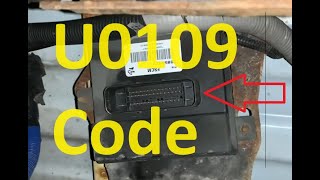
- U0109 — This code means 'Lost Communication With Fuel Pump Control Module'. It strongly points to a failed FPCM or a wiring/ground/power issue, which are primary causes of P2636.
- P0463 — This code for 'Fuel Level Sensor 'A' Circuit High' can be triggered by the same electrical faults in the FPCM or wiring that cause P2636.
- P069E — This code means 'Fuel Pump Control Module Commanded OFF' and directly points to a fault within the FPCM or its control circuit, often appearing with P2636 when the module fails. 🎬 See this quick guide on fixing common FPCM corrosion issues.
Technical Service Bulletins (TSBs) & Recalls
- PIT5208 / PIT5208A: 'Fuel Gauge Shows Empty After Refueling And DTC P2636.' This TSB confirms that refueling with the ignition on is a primary cause and should be checked before performing repairs.
- PIT5510C: 'Fuel Gauge Displays Empty / Low Fuel Light On / DTC P2636'. While often for dual-tank models, it highlights that physical line restrictions (kinks) can also trigger this code.
Platform-Specific Known Issues
- A known issue, documented in TSB #PIT5208A, is the fuel gauge showing empty and P2636 setting after refueling with the ignition on or engine running. [⭐ MANUFACTURER TSB — highest authority]
- Galvanic corrosion between the FPCM's aluminum housing and the steel frame is the primary cause of hardware failure for this code on GMT900 trucks.
- Another TSB, PIT5510C, notes that on dual-tank models, a kinked fuel transfer line can also cause P2636.
Mechanic-Grade Diagnostic Values
- FPCM Connector Pin 32 (Red/White Wire) to Ground — expected: Battery Positive Voltage (12.6V+). Failure: Low or no voltage points to a blown fuse (Fuse 21) or a break in the power wire.
- FPCM Connector Pin 1 (Black Wire) to Chassis Ground — expected: Near 0 Ω resistance. Failure: High resistance indicates a corroded or broken ground connection (G305).
- FPCM Connector Pin 13 (Dark Green/White Wire) Voltage — expected: 12V for 2-6 seconds with key on, or 12V continuously while cranking.. Failure: No voltage indicates a problem with the ECM or a break in the wire from ECM Pin 50.
- Fuel Level Sensor Resistance — expected: Approximately 40 Ω when empty and 250 Ω when full. (Note: Some sources cite 0-90 Ω for similar GM platforms).. Failure: Readings are outside the expected range, jump erratically, or show an open circuit (infinite resistance).
- Fuel Rail Pressure at Idle (via Scan Tool) — expected: 296-310 kPa (43-45 psi). Failure: Pressure significantly below this range at idle may indicate a weak pump, even if it passes a commanded high-pressure test.
Scan Tool Commands That Help
- GDS2 / Tech2: Fuel Pump Control Test — To manually command the fuel pump on and off. This helps isolate the fault by verifying if the pump runs when commanded directly, bypassing other logic. It's used to check for pump operation, fuel pressure, and flow.
- GDS2 / Tech2: PCM-FICM Handshake Test — To test the communication integrity on the CAN bus between the Engine Control Module (ECM/PCM) and the Fuel Pump Control Module (FPCM). A failure here, when wiring is known-good, points to a faulty module.
- GDS2 / Tech2: Enter 'Service Only Mode' — On some push-to-start models, bidirectional controls may fail with an error. This mode (press and hold the start button for 5+ seconds with foot off brake) is required to enable certain diagnostic commands.
Wiring & Ground Locations
- G305 — Under the vehicle on the driver's side frame rail, to the rear of the left 'B' pillar at the third body mount.. This is the primary ground for the Fuel Pump Control Module. Corrosion at this single point is a very common cause of high resistance, leading to voltage drop, erratic FPCM behavior, and codes P2636 and U0109.
- FPCM Connector (X311/X313) — On the Fuel Pump Control Module, located above the spare tire on the driver's side frame crossmember (GMT900 models).. This is the central point for testing power, ground, and command signals. Key pins are Pin 32 (Power), Pin 1 (Ground), and Pin 13 (ECM Command Signal).
- ECM Connector (Black) — At the Engine Control Module (ECM) in the engine bay.. Pin 50 (Dark Green/White wire) is the source of the 'pump on' command signal sent to Pin 13 of the FPCM. Testing for 12V at this pin can determine if a missing signal at the FPCM is due to a faulty ECM or a broken wire between the two.
Real Owner Repair Stories
- Go-Parts.com forum compilation (GMC Sierra (year unspecified, GMT900 platform)) — P2636 and/or U0109
❌ Tried (didn't work) Replacing the Fuel Pump Control Module (FPCM)
✅ What actually fixed it The issue was traced to a shared ground point between the FPCM and the windshield wiper motor. High resistance in the wiper motor circuit was causing an unstable ground for the FPCM. The problem was a bad connector creating high resistance, not the module itself.
"I Checked Everything" — The Actual Cause
- While a smoke test is not a primary diagnostic for P2636, a similar pattern exists where standard electrical tests may mislead. In one documented case, after replacing the FPCM did not fix the code, the root cause was found to be a faulty ground shared with the windshield wiper motor circuit, which was robbing the FPCM of a stable ground connection.
OEM Part Supersession History
13501024, 15213110, 20850907, 25785013, 25854536, 25866052, 25967325→20759945— Consolidation of previous part numbers into a single replacement module.
Heads up: The current OEM replacement part, 20759945, requires programming with dealership-level tools (GDS2/Tech2) and a subscription to GM's Service Programming System (SPS) to function correctly.
Model Year Variations Within This Range
- 2007-2013 (GMT900 Platform): The FPCM is located on the frame crossmember above the spare tire. This exposed location is the primary reason for the high rate of corrosion-related failures for P2636 on these trucks.
- 2014 (K2XX Platform): This is the first year of the new K2XX platform. While it still uses an FPCM, the location and part design may differ from the GMT900 models. Diagnostics on a 2014 model should begin by physically verifying the FPCM's location, which may have been moved to a less exposed area like the outer frame rail, rather than assuming it is above the spare tire.
Helpful Videos
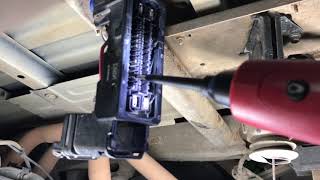
![Easy Fix for Common Chevy Problem [Fuel Pump Control Module]](https://img.youtube.com/vi/38Xeo1uLBoU/mqdefault.jpg)
Used OEM Parts in Stock
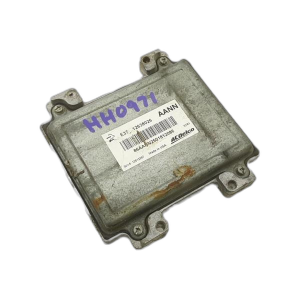
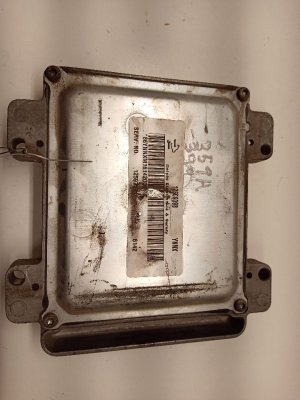
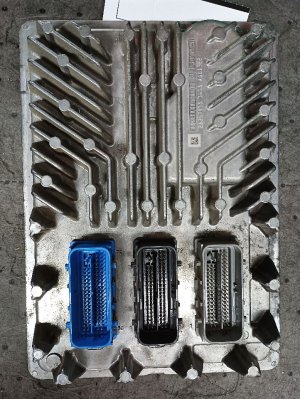
New Aftermarket Parts Available



The information in this article is provided for general reference and educational purposes only. Vehicle specifications, procedures, and part compatibility can vary by production date, trim level, and region. Always consult your vehicle's factory service manual and verify part numbers before purchasing or performing repairs. Safety-critical components such as airbags, seat belts, and braking systems should be installed by a qualified professional.
- Gmc SIERRA 1500:
- 🧭 Diagnostic Flowchart
- 🎬 Helpful Videos
- 🛍️ Shop This Part
- What's Unique About the 2007-2014 Gmc SIERRA 1500
- Symptoms You May Notice
- Most Likely Causes
- Rare But Worth Checking
- Diagnosis Steps
- Parts You'll Likely Need
- Related Codes That Often Appear With This One
- Technical Service Bulletins (TSBs) & Recalls
- Platform-Specific Known Issues
- Mechanic-Grade Diagnostic Values
- Scan Tool Commands That Help
- Wiring & Ground Locations
- Real Owner Repair Stories
- "I Checked Everything" — The Actual Cause
- OEM Part Supersession History
- Model Year Variations Within This Range
- 🎟️ Get 5% Off