

P2636 on 2007-2013 GMC Yukon: Fuel Pump Performance, Causes, and Fixes
On a 2007-2013 GMC Yukon, code P2636 is most often caused by refueling with the engine running, which makes the fuel gauge read empty. If that's not the cause, the next most likely culprit is a failing Fuel Pump Control Module (FPCM) located on the driver's side frame rail, which is known to corrode.
- Before any repairs, confirm the vehicle is being turned completely off during refueling. This is a common operational error and a no-cost fix.
- If the code persists, the Fuel Pump Control Module (FPCM) on the driver's side frame rail is the next most likely part to fail. Inspect it for corrosion before buying parts.
- If codes U0109 or P069E are also present, the FPCM is almost certainly the problem.
- An OEM ACDelco FPCM will require programming after installation, while many aftermarket versions are plug-and-play.
What's Unique About the 2007-2013 Gmc YUKON
The GMT900 platform, which includes the 2007-2013 Yukon, has a sensitive fuel monitoring system and a known weak point in its Fuel Pump Control Module (FPCM). GM issued specific Technical Service Bulletins (TSBs) because this system can set a P2636 code if the vehicle is refueled with the engine running or the ignition on. Furthermore, the FPCM is mounted on the exterior of the frame rail, exposing it to road salt and moisture, which leads to a high rate of failure from corrosion.
Diagnostic Flowchart
Tap your situation to follow the diagnostic path that matches what you're seeing on this vehicle.
Symptoms You May Notice
- Fuel gauge drops to empty immediately after refueling.
- Check Engine Light is on.
- Low fuel warning light illuminates despite having a full tank.
- Engine hesitation or stalling under load.
- Hard starting or crank-no-start condition.
- Loud whining or humming noise from the fuel tank area.
- Replacing the fuel pump when the actual problem is the much cheaper and easier to replace Fuel Pump Control Module (FPCM).
- Performing expensive diagnostics without first asking the driver if they refuel with the engine on, which is a no-cost fix.
Most Likely Causes
- Refueling with Ignition On or Engine Running 🔴 High Probability The fuel system logic on this platform performs a self-check after refueling that can be confused if the ignition is on, leading it to falsely report a fault. This is documented in GM TSBs PIT5208 and PIT5208A.
How to confirm: Ask the driver about their refueling habits. If the code and symptom only appear directly after filling the tank, this is the most likely cause.
Typical fix: Turn the vehicle completely off before refueling. Clear the code with a scan tool; it may also clear on its own after several successful drive cycles without the fault reoccurring.
Est. part cost: $0 - Failed Fuel Pump Control Module (FPCM) 🟡 Medium Probability → Shop Fuel Pump The FPCM is a known failure point on many GM trucks of this era. It is mounted on the driver's side frame rail, often near the spare tire, and is highly exposed to weather, which leads to green and white corrosion on the module and its connector pins, causing internal failure.
How to confirm: Locate the module on the driver's side frame rail and visually inspect it and its connector for corrosion or a swollen case. A professional scan tool can check for communication; codes U0109 (Lost Communication) or P069E (FPCM Fault) are strong indicators of a failed module.
Typical fix: Replace the Fuel Pump Control Module. OEM parts from ACDelco (like P/N 20759945) require programming by a dealer or qualified shop. Aftermarket brands like Dorman often come pre-programmed and are plug-and-play. 🎬 See this guide on replacing and programming your new module.
Est. part cost: $70-$180 - Failed In-Tank Fuel Pump / Transfer Pump ⚪ Low Probability → Shop Fuel Pump
How to confirm: Perform a fuel pressure and flow test. TSB PIT5510 suggests operating the transfer pump for 2 minutes; it should move more than 0.70 gallons (2.6 liters) of fuel. If it fails this test and wiring/FPCM are confirmed good, the pump is likely faulty.
Typical fix: Replace the fuel pump module assembly inside the fuel tank. This is a labor-intensive job that involves dropping the fuel tank. 🎬 Watch: How to replace the fuel pump assembly on this platform.
Est. part cost: $200-$450 - Wiring or Connector Issues ⚪ Low Probability The wiring harness to the FPCM and fuel tank is routed along the frame and can be damaged by road debris, corrosion, or improper service. The main ground for the fuel pump, bolted to the inside of the driver's side frame rail, is a common spot for corrosion.
How to confirm: Visually inspect the wiring harness running to the FPCM and the fuel tank. Check the connectors for corroded pins or moisture. Specifically inspect the fuel pump ground bolt on the frame for rust and tightness.
Typical fix: Repair the damaged section of the harness, clean and secure the ground connection, or replace the corroded connector pigtail.
Est. part cost: $20-$100
Rare But Worth Checking
- Kinked or Clogged Fuel Transfer Line: On dual-tank models (Yukon XL HD), the line transferring fuel between tanks can get kinked or clogged, restricting flow and triggering P2636. This is mentioned in TSB PIT5510C, which notes the kink can be hidden under a protective conduit.
- ECM Software Glitch: In some cases, even after a hardware repair, an updated ECM calibration from GM is needed to fully resolve the P2636 code. TSB PIT5510B mentions this for some truck models.
- Corroded Fuel Pump Ground Wire: → Shop Fuel Pump Separate from general harness damage, the specific ground point for the fuel pump on the driver's side frame rail is a frequent failure point. Corrosion here creates high resistance, reducing voltage to the pump and mimicking a pump failure.
Diagnosis Steps
- Verify the code with a reliable OBD-II scanner.
- Question the driver: 'Does this problem only happen right after you get gas?' If yes, advise them to always turn the key completely off during refueling. Clear the code and see if it returns.
- If refueling habits are not the cause, check fuses in the underhood fuse block. Specifically check fuses 20, 21 (FSCM), and 56 (ECM).
- Locate the Fuel Pump Control Module (FPCM) on the driver's side frame rail, near the spare tire. Inspect the module and its electrical connector for any signs of corrosion (green/white powder), water damage, or physical damage.
- Inspect the fuel pump ground wire, which is bolted to the same frame rail, for rust or looseness.
- Using a scan tool, attempt to communicate with the FPCM. If codes U0109 or P069E are present, the FPCM is almost certainly the fault.
- If communication is possible, use a test light on the FPCM connector. Check for a 'pump on' signal at the Dark Green/White wire at pin 13, which should have power 🎬 Watch: Step-by-step diagnostic testing for the fuel system control module. for a few seconds when the key is first turned on.
- If the FPCM, wiring, and grounds appear good, command the fuel transfer pump on with the scan tool and perform a flow test. It must transfer over 2.6 liters (0.70 gallons) in 2 minutes.
- If the pump fails the flow test, the in-tank fuel pump module is the likely culprit.
Parts You'll Likely Need
- Fuel Pump Control Module
(OEM #20759945)— This module is a common failure point due to its exposed location on the frame rail and is often the cause of P2636 when refueling habits are ruled out.
Trusted brands: ACDelco (OEM, requires programming), Dorman (e.g., 601-132, often no programming needed)
OEM price range: $120-$180
Aftermarket price range: $70-$150 - Fuel Pump and Sender Assembly — If the pump itself has failed its flow test, the entire module assembly inside the tank must be replaced.
Trusted brands: ACDelco, Delphi, Bosch
OEM price range: $300-$450
Aftermarket price range: $200-$350
Related Codes That Often Appear With This One
- U0109 —
- P069E —
Technical Service Bulletins (TSBs) & Recalls
- PIT5208 / PIT5208A: Notes that refueling with the engine/ignition on can cause the fuel gauge to show empty and set DTC P2636. Instructs technicians to ask the owner about refueling habits before starting diagnosis.
- PIT5510C: Mentions that a kinked fuel transfer line (sometimes hidden by a conduit) can cause a repeat P2636 on dual-tank models, even after parts replacement.
- PIT5510B: Indicates that for some persistent P2636 issues, a new ECM calibration may be required from GM to fully resolve the problem after hardware repairs.
Platform-Specific Known Issues
- A well-documented issue is the fuel gauge dropping to empty and setting code P2636 if the vehicle is refueled with the engine running or the ignition on.
- The FPCM's placement on the driver's side frame rail makes it extremely vulnerable to corrosion from road salt and water, leading to a high failure rate.
- On models with dual fuel tanks, a kinked fuel transfer line can restrict flow and cause this code.
Mechanic-Grade Diagnostic Values
- FPCM Connector Pin 13 (Dark Green/White Wire) Voltage — expected: 12V for 2-6 seconds when key is turned to 'ON'. Failure: No voltage indicates a fault in the ECM or the wire from the ECM.
- FPCM Connector Pin 32 (Red/White Wire) Voltage — expected: Constant 12V+ (Battery Voltage). Failure: No voltage points to a blown FSCM fuse (Fuse 21) or a break in the power wire.
- FPCM Connector Pin 15 (Pink Wire) Voltage — expected: 12V when ignition is ON. Failure: No voltage indicates an issue with the ignition circuit or its fuse.
- Fuel Rail Pressure (Key On, Engine Off) — expected: 50-100 psi (345-690 kPa) while pump is commanded ON with a scan tool.. Failure: Pressure below this range indicates a weak pump, clogged filter, or leak. Pressure above indicates a faulty pump module.
- Fuel Rail Pressure (Engine Idling) — expected: 43-45 psi (296-310 kPa). Failure: Pressure dipping significantly below this range at idle suggests an imminent pump or FPCM failure.
Scan Tool Commands That Help
- GDS2 / Tech2: Command FPCM Fuel Pump ON — Used during diagnosis to manually run the fuel pump to check for operation and measure fuel pressure without starting the engine.
- GDS2 / Tech2: PCM-FICM Handshake Test — This tests the CAN bus communication link between the ECM and FPCM. A failure, assuming wiring is good, points directly to a faulty module.
- GDS2 / Tech2: FPCM Fuel Rail Pressure Sensor Parameter — Allows for live data monitoring of the fuel rail pressure as seen by the control module, which should be compared against a mechanical gauge to verify sensor accuracy.
Wiring & Ground Locations
- Fuel Pump Ground — A black wire bolted directly to the inside of the driver's side frame rail, typically near the FPCM and spare tire.. This is the main ground for the fuel pump. Corrosion at this single point is very common and creates high resistance, starving the pump for voltage and causing low flow performance, which can trigger P2636.
- FPCM Connector (X3) — The large electrical connector that plugs into the Fuel Pump Control Module on the driver's side frame rail.. This is the central hub for all power, ground, and command signals for the fuel pump. Testing voltages at specific pins (e.g., Pin 13 for ECM signal, Pin 32 for battery power) is the quickest way to isolate the fault.
- ECM Connector (Black) — At the Powertrain Control Module (PCM/ECM), typically in the engine bay.. If the 'pump on' signal is missing at FPCM Pin 13, the next step is to check for 12V at Pin 50 of the black ECM connector. If power is present here but not at the FPCM, there is a break in the Dark Green/White wire between the two modules.
Real Owner Repair Stories
- Reddit user, r/GMT400 (2009 Silverado LT) — Crank no start, no fuel pump prime. Code U0109 present. No power at fuel pump fuses 20 and 21.
❌ Tried (didn't work) Checked relays with known good ones, checked starter fuses, checked FPCM harness for power.
✅ What actually fixed it The issue started after an electrical short in the underhood fuse block. Replacing the entire fuse block assembly resolved the problem, restoring power to the fuel pump circuit and allowing the truck to start.
OEM Part Supersession History
15213110, 25854536, 25967325, and others→20759945— GM consolidated multiple older part numbers for the Fuel Pump Control Module into a single replacement part.
Heads up: The replacement OEM module (20759945) requires VIN-specific programming using dealer software (GDS2/Tech2). Installing a new or used OEM module without programming will typically result in a no-start condition and/or set communication codes like U0109.
Helpful Videos
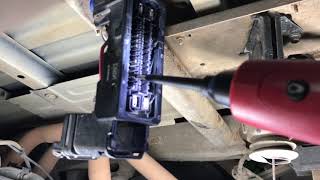
![Easy Fix for Common Chevy Problem [Fuel Pump Control Module]](https://img.youtube.com/vi/38Xeo1uLBoU/mqdefault.jpg)
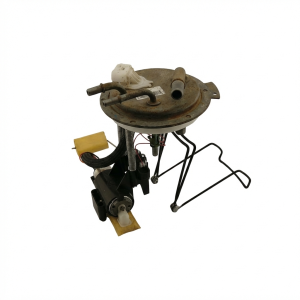
Used OEM Parts in Stock
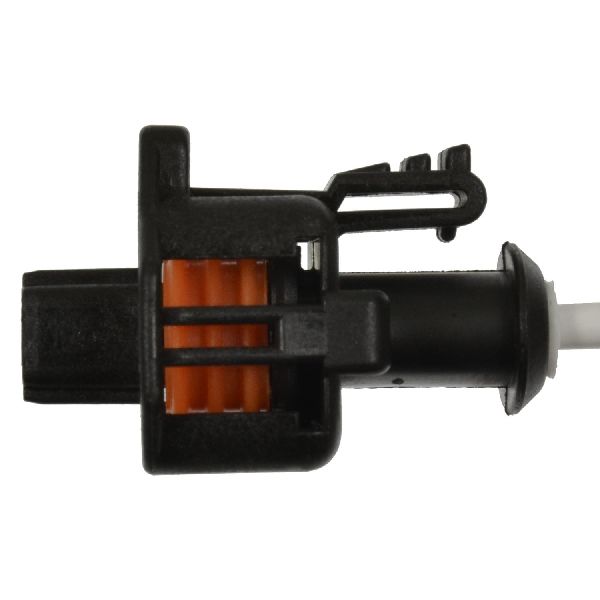
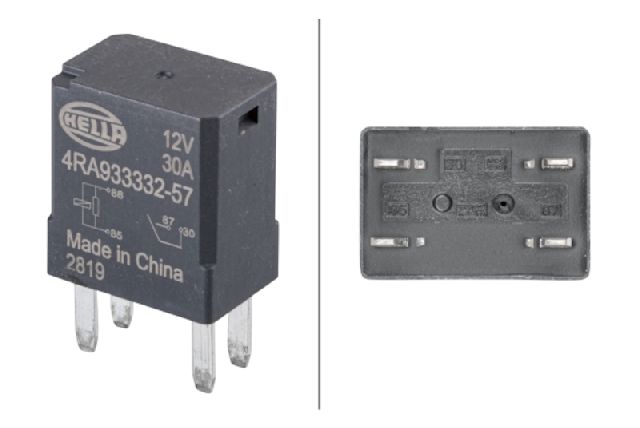
New Aftermarket Parts Available


The information in this article is provided for general reference and educational purposes only. Vehicle specifications, procedures, and part compatibility can vary by production date, trim level, and region. Always consult your vehicle's factory service manual and verify part numbers before purchasing or performing repairs. Safety-critical components such as airbags, seat belts, and braking systems should be installed by a qualified professional.
- Gmc YUKON:
- 🧭 Diagnostic Flowchart
- 🎬 Helpful Videos
- 🛍️ Shop This Part
- What's Unique About the 2007-2013 Gmc YUKON
- Symptoms You May Notice
- Most Likely Causes
- Rare But Worth Checking
- Diagnosis Steps
- Parts You'll Likely Need
- Related Codes That Often Appear With This One
- Technical Service Bulletins (TSBs) & Recalls
- Platform-Specific Known Issues
- Mechanic-Grade Diagnostic Values
- Scan Tool Commands That Help
- Wiring & Ground Locations
- Real Owner Repair Stories
- OEM Part Supersession History
- 🎟️ Get 5% Off