

OBD-II Code P2637: Torque Management Feedback Signal 'A'
The Ultimate Guide to Meaning, Diagnosis, and Repair
- P2637 is strictly an electrical communication failure between the engine and transmission computers, not a mechanical transmission failure.
- Before replacing any parts, check for manufacturer Technical Service Bulletins (TSBs), as a 1-hour dealer software update fixes this code on many vehicles, especially Cummins-powered trucks.
- Driving with an active P2637 code forces the transmission into a high-pressure 'limp mode' that causes over $3,000 in internal mechanical damage within just a few weeks.
- If software is up to date, perform a voltage drop test on the main chassis grounds and inspect the CAN bus wiring before spending $600+ on a new Transmission Control Module (TCM).
What Does P2637 Mean?

P2637 means the engine control module (ECM) and transmission control module (TCM) are failing to communicate about engine torque. To ensure smooth shifts, the TCM requests the engine to momentarily reduce power. When the ECM ignores or rejects this request, powertrain coordination breaks down. This forces the vehicle into a protective 'limp mode' to prevent drivetrain damage.
Technical definition: The SAE/OBD-II definition is 'Torque Management Feedback Signal "A"'. The Powertrain Control Module (PCM) detects a malfunction in the feedback signal from the Engine Control Module (ECM) regarding a torque reduction request from the Transmission Control Module (TCM) over the Controller Area Network (CAN) bus.
Can I Drive With P2637?
Yes, But With Caution. You can drive the vehicle, but only for a short distance to a safe location or repair shop. It defaults to a reduced power 'limp mode' with poor acceleration and harsh shifting. Continuing to drive puts severe stress on internal transmission components, turning a software glitch into a $3,000+ mechanical failure.
Common Causes

- Corrupted or Outdated Control Module Software (Very Common) — The software in the Engine Control Module (ECM) or Transmission Control Module (TCM) often has a known bug that causes it to send faulty signals. Manufacturers release Technical Service Bulletins (TSBs) with a software update to fix this.
- Damaged Wiring or Poor Connections (Common) — The wiring harness between the TCM and PCM, including the CAN bus wires, corrodes, frays, or shorts out. This happens frequently near hot exhaust components or in areas exposed to moisture and vibration.
- Failing Transmission Control Module (TCM) (Common) — The TCM itself fails internally due to electrical shorts, prolonged exposure to heat and vibration, or internal component degradation, preventing communication with the PCM.
- Poor Ground Connection (Less Common) — Control modules rely on a solid ground connection to the vehicle's chassis. A loose, corroded, or broken ground strap introduces electrical noise and causes unpredictable communication errors between modules.
- Low Battery Voltage or Charging System Issues (Less Common) — Modern vehicles are highly sensitive to system voltage. A weak battery, failing alternator, or poor battery cable connections causes unpredictable behavior in control modules, leading to communication errors like P2637.
- Failing Powertrain Control Module (PCM/ECM) (Rare) — An internal fault in the PCM's driver circuit that communicates with the TCM triggers this code. This is far less common than a TCM failure.
Symptoms

- Reduced Engine Power ('Limp Mode') — The vehicle has very little acceleration, and the 'Reduced Engine Power' warning lights up. The transmission locks in a single gear.
- Check Engine Light and/or Transmission Warning Light On — The Malfunction Indicator Lamp (MIL) or a transmission-specific warning light illuminates on the instrument panel.
- Harsh, Erratic, or No Shifting — The transmission shifts very hard, slips between gears, or gets stuck in a single gear (often 2nd or 3rd) to prevent damage.
- Poor Acceleration and Sluggishness — Even if not in full 'limp mode,' the vehicle feels sluggish and unresponsive when pressing the gas pedal, exhibiting significant throttle lag.
- Increased Fuel Consumption — Due to inefficient engine and transmission operation, fuel economy drops significantly.
- Vehicle Stalling — At idle or low speeds, the engine stalls due to the communication breakdown between the engine and transmission controls.
Diagnostic Flowchart

Tap your situation to follow the diagnostic path that matches what you're seeing on this code.
Common Fixes & Costs
- Control Module Reprogramming (Software Update) — Parts: $0, Labor: $150-$250, ~1 hr book time (Professional)
- Transmission Control Module (TCM) Replacement
— Parts: $300-$900, Labor: $150-$400, ~2.5 hr book time
(Professional)
Chevrolet Silverado / GMC Sierra (2007-2013): OEM 24256960, 24238856, 24252114, 24235732 (Alt: Dorman 609-211, Cardone, ACDelco (Reman))
Ford Focus (2012-2018) / Fiesta (2011-2019): OEM AE8Z-7Z369-F (Alt: Dorman 609-031) - Wiring Harness Repair — Parts: $20-$100, Labor: $200-$600, ~4 hr book time (Intermediate)
- Cleaning or Replacing Chassis/Engine Ground Straps — Parts: $15-$50, Labor: $50-$150, ~0.8 hr book time (Beginner)
- Powertrain Control Module (PCM/ECM) Replacement — Parts: $500-$1200, Labor: $150-$300, ~1.5 hr book time (Professional)
DIY vs Professional
- Control Module Reprogramming 🟢 Beginner
Tools: OEM-specific diagnostic software (e.g., GM SPS, Ford IDS) and a J2534 Pass-Thru device. - TCM Replacement 🟢 Beginner
Tools: Basic hand tools, professional scan tool with programming capabilities (e.g., high-end Autel) or specialized software (e.g., FORScan for Ford). - Wiring Harness Repair 🟢 Beginner
Tools: Digital multimeter, wire cutters/strippers, soldering iron or quality crimp tools, heat shrink tubing. - PCM/ECM Replacement 🟢 Beginner
Tools: Same as TCM replacement, plus potential need for immobilizer/key reprogramming. - Cleaning/Replacing Ground Straps 🟢 Beginner
Tools: Wrench/socket set, wire brush, sandpaper.
Used vs. New Parts: Buying Guide
When a used part is worth it: A used Transmission Control Module (TCM) makes sense for older, high-mileage vehicles where the cost of a new OEM module exceeds 50% of the car's value. It is a budget-conscious choice, but carries significant risk.
Donor-vehicle mileage cap: roughly under 60000 miles for the part to have meaningful remaining life.
Donor quality checklist:
- Part number must be an exact match. Superseded numbers are often incompatible.
- Verify the donor vehicle was not scrapped due to a transmission-related failure.
- Source from a reputable salvage yard that offers at least a 30-day warranty and checks for VIN compatibility.
Decision logic:
- If The fix is a known software bug (common on Cummins/Allison). → Neither new nor used parts are needed; pay for the dealer software update.
- If The vehicle is a Ford Focus/Fiesta with a DPS6 transmission. → Avoid used TCMs. These modules have an extremely high failure rate. Buy a new or professionally remanufactured unit from a specialist.
- If The vehicle is less than 10 years old and under 150K miles. → Buy a new OEM or quality remanufactured TCM. The cost is justified by the higher reliability and longer warranty.
- If The vehicle is very old or has low value, and the budget is extremely tight. → A used TCM is a gamble, but is the only economical option. Be prepared for potential programming issues.
Warranty tradeoff: Used parts typically have a 30-90 day warranty covering the part only, not the labor to install it. New OEM or remanufactured parts come with a 1-year to lifetime warranty.
Worst-case if a used part fails: $500-$1000 if the used TCM is faulty or incompatible. This includes the cost of the part, repeat diagnostic fees, and paying for installation labor a second time.
What Happens If You Wait — Timeline
- Immediate (First Occurrence): The vehicle enters 'limp mode.' The Check Engine Light illuminates, and a 'Reduced Power' message appears. The transmission locks in a single gear (often 2nd or 3rd), and acceleration is severely limited. (MPG impact: 15-30%% · Added cost: $0)
- 1-4 Weeks of Continued Driving: Driving in limp mode forces harsh, high-pressure shifts. This puts significant strain on transmission clutch packs, solenoids, and the valve body, causing accelerated wear. (MPG impact: 15-30%% · Added cost: $500-$1,500 (Cost for solenoid pack or valve body replacement))
- 1-3 Months of Continued Driving: The friction material on the transmission clutches wears away or glazes over from constant high-pressure shifts. The transmission slips in its fail-safe gear, and metal shavings contaminate the fluid. (MPG impact: 20-40%% · Added cost: $1,800-$3,500 (Requires a partial or full transmission rebuild))
- 3+ Months of Continued Driving: Catastrophic mechanical failure occurs. Excessive stress and heat lead to a complete breakdown of internal hard parts (like planetary gear sets). The vehicle loses the ability to move. (MPG impact: N/A (Vehicle inoperable)% · Added cost: $3,500-$7,000+ (Complete transmission replacement))
Cost of Not Fixing It
- Immediate: Vehicle is stuck in 'limp mode' with severely reduced power and locked in one gear. This is a significant safety hazard in traffic and makes the vehicle unreliable for daily use. (Added cost: $0)
- 1-3 months: Continued driving with harsh, forced shifts puts extreme stress on transmission clutches, bands, and internal hard parts. This causes premature wear and glazing of friction materials. (Added cost: $1800-$3500)
- 3+ months: A communication problem escalates into a catastrophic mechanical failure. The stress on the transmission leads to a complete breakdown, requiring a full transmission rebuild or replacement. (Added cost: $3500-$7000+)
Diagnosis Steps
- Check for Technical Service Bulletins (TSBs)
Search online for TSBs related to code P2637 for your specific vehicle. For many vehicles, particularly trucks with Cummins engines and Allison transmissions, the fix is a known software update from the dealer.
Tools: Internet access, Vehicle VIN (Beginner) - Perform a Full System Scan
Use a professional-grade OBD-II scanner to check for all stored codes. P2637 is often accompanied by codes like P0700 (TCM requesting MIL) or U-series communication codes (e.g., U0100), which provide critical clues to the root cause.
Tools: Professional OBD-II Scanner (Beginner) - Verify System Voltage and Grounds
Check battery voltage (12.4V-12.6V off, 13.7V-14.7V running). Locate the main ground straps for the engine block, transmission case, and control modules. Remove them, clean the contact points to bare metal, and re-secure them tightly. Perform a voltage drop test on the ground side; a reading above 0.2V confirms a poor connection.
Tools: Digital Multimeter, wire brush, socket set (Intermediate) - Inspect Wiring Harness and Connectors
Visually inspect the entire wiring harness running between the engine and transmission. Look for melted plastic, frayed wires, or green/white corrosion on the connector pins for the PCM and TCM. Unplug, inspect, and reseat the main connectors.
Tools: Flashlight, mechanic's mirror (Beginner) - Test CAN Bus Network Integrity
With the battery disconnected, measure the resistance between the CAN High (Pin 6) and CAN Low (Pin 14) pins at the DLC (OBD-II port). A healthy network reads approximately 60 ohms. A reading of 120 ohms indicates a break in the circuit or a missing terminating resistor, while a reading near 0 ohms suggests a short between the two lines.
Tools: Digital Multimeter, vehicle-specific wiring diagram (Advanced) - Test Circuit Continuity
Disconnect the PCM and TCM connectors. Use a digital multimeter set to ohms to test the continuity of the torque management communication wires between the two modules. Any wire showing high resistance (over 1 ohm) indicates a break or corrosion that requires repair.
Tools: Digital Multimeter, vehicle-specific wiring diagram (Advanced) - Isolate the Faulty Module
If all wiring, grounds, and software are good, determine if the PCM or TCM has failed. Back-probe the torque management signal wire at the TCM with an oscilloscope; a noisy or missing square wave confirms a module communication problem. Since the TCM is a more common failure point, it is typically suspected first. This requires professional diagnostic equipment to condemn.
Tools: Advanced scan tool, oscilloscope, back-probe pins (Professional)
When This Code Triggers (Freeze-Frame Conditions)
- Engine Coolant Temp: 180-210°F (The fault often occurs when the engine and transmission are fully warmed up, as module and wiring performance changes with temperature.)
- Engine RPM: 1200-2500 RPM (The code sets during a gear shift under light to moderate acceleration, which is when the TCM actively requests torque reduction.)
- Engine Load: 25-60% (Occurs under moderate load, such as accelerating gently from a stop or during highway cruising when an upshift or downshift is commanded.)
- Vehicle Speed: 20-55 mph (The fault is common during in-town or suburban driving where frequent shifting occurs, rather than at a constant highway speed.)
Related Codes
- P2638 — This code means 'Torque Management Feedback Signal 'A' Range/Performance.' While P2637 indicates a missing or invalid signal, P2638 suggests the signal is present but erratic or unstable. P2637 points toward a wiring break or dead module, whereas P2638 suggests a failing module or high resistance in a circuit.
- P0700 — This is a generic code set by the TCM meaning it has found a fault and requested the main Check Engine Light to turn on. P0700 is an informational flag telling you to scan the TCM for more specific transmission codes, like P2637.
- U0100 — This code means 'Lost Communication With ECM/PCM.' P2637 is a specific communication error about torque, while U0100 is a total communication breakdown on the CAN bus. U0100 is more severe and points to a major wiring failure or a completely dead PCM, which must be diagnosed first.
- P2639, P2640 — These are related codes for 'Torque Management Feedback Signal 'B''. They are functionally identical to P2637/P2638 but refer to a different circuit or parameter ('B' instead of 'A') used in more complex powertrain systems.
Climate & Environmental Factors
- High Humidity / Road Salt: In regions that use road salt in winter or have high humidity, corrosion is significantly accelerated. This causes communication wires or connector pins to degrade, leading to high resistance or an open circuit. It also speeds up the corrosion of chassis ground points.
- Extreme Heat: Modules and wiring located in the engine bay or on the transmission are exposed to high temperatures. Prolonged heat exposure breaks down wire insulation, making it brittle and prone to cracking. It also accelerates the degradation of internal components within the TCM or PCM.
How to Talk to a Mechanic About This Code
Say this: "I have a P2637 Torque Management code and the vehicle is in limp mode. I've researched that this is a software, wiring, or module issue. I'd like to schedule a diagnostic appointment. Please check for any available TSBs for an ECM or TCM re-flash first. If no TSBs apply, please perform a thorough wiring and ground inspection before recommending a module replacement."
This signals you are an informed customer. It directs the technician to the most likely and cost-effective solutions first (software and wiring) and prevents them from immediately quoting an expensive module replacement. Mentioning 'TSB' and 're-flash' shows you understand dealer-level procedures.
Avoid saying:
- 'My transmission is broken.'
- 'My check engine light is on, can you just fix it?'
- 'The internet said to replace the TCM.'
Questions to ask before authorizing the repair:
- Did you check for TSBs, and if so, which ones apply?
- If you are recommending a module (TCM/PCM) replacement, can you show me the voltage drop and continuity test results that prove the wiring is good?
- If the fix is a module replacement, does the new part require programming and is that included in the quote?
- What is the warranty on the proposed repair, covering both parts and labor?
Where to Take It: Dealer vs Independent vs Chain
- Dealer:
Recommended first stop. Due to the high likelihood of needing a manufacturer-specific software update (TSB) or complex module programming, the dealer is the most equipped to fix this code correctly the first time.
Best for: Vehicles with known software TSBs (e.g., Cummins-powered trucks)., Vehicles under a manufacturer or extended warranty (e.g., Ford Focus/Fiesta TCM)., Complex module programming and initialization.
Downsides: Highest labor rates, often $150-$250/hour., Defaults to expensive module replacement without thorough wiring diagnostics. (Typical cost: +50% vs. baseline) - Independent Shop:
A good second option if a dealer is not feasible. Choose a top-rated independent shop that specializes in diagnostics or transmissions. Ask them upfront if they have J2534 pass-thru capabilities for module programming.
Best for: Out-of-warranty vehicles where the cause is likely wiring or grounds., Shops specializing in transmission or electrical diagnostics.
Downsides: Lacks the expensive, subscription-based tools to perform a required software re-flash or program a new module., Quality and diagnostic capability vary widely. (Typical cost: +0% vs. baseline) - Chain Shop:
AVOID. These shops are not equipped for the in-depth electrical and network diagnosis that P2637 requires. The risk of misdiagnosis and unnecessary, expensive repairs is very high.
Best for: Simple maintenance like oil changes, tires, and brakes.
Downsides: Technicians are not trained for complex network diagnostics., High pressure to sell parts leads to misdiagnosis (e.g., selling a new transmission instead of fixing a ground wire). (Typical cost: -10% vs. baseline)
When to Walk Away From the Repair
If the estimated repair cost for the P2637 code exceeds 50% of your car's private-party value, sell or trade it in. This is especially true on older, high-mileage vehicles where other major failures are imminent.
- Car worth $15000, fix is $1200: Fix it. The repair cost is well below the 50% threshold and restores a valuable vehicle to full function.
- Car worth $4000, fix is $1800: Borderline. This repair is 45% of the car's value. Get a second opinion to confirm the diagnosis before proceeding. If the car has other known issues, sell it as-is.
- Car worth $3000, fix is $2500: Walk away. The repair cost is over 80% of the car's value. It is not financially sensible to perform this repair.
What Scan Tool You Need for This Code
Minimum: A scanner that reads manufacturer-specific codes from the Transmission Control Module (TCM).
A basic $20 code reader only pulls generic codes from the engine computer (ECM). It misses the P2637 code if it is stored in the TCM, leaving you completely blind to the actual problem.
Budget: BlueDriver Pro (~$100) — Reads codes from all modules, including the TCM. It displays live data from transmission sensors and provides freeze-frame data, which is essential for seeing the conditions when the fault occurred.
Mid-range: Foxwell NT510 Elite / FORScan with OBDLink EX adapter (~$180) — Offers bidirectional controls to perform active tests. For Ford owners, FORScan is a powerful software that performs dealer-level functions like TCM programming and adaptive learning procedures required after replacing the module.
Professional: Autel MaxiCOM MK808 / Launch X431 CRP919XBT (~$450-800) — Provides full, professional-grade diagnostics. These tools offer comprehensive bidirectional control, advanced coding, and the ability to perform module programming and initialization on a wide variety of makes.
Rent vs buy: Auto parts stores offer free loan-a-tool programs, but the scanners are typically basic code readers insufficient for this job. For P2637, you need an advanced tool. If you are a serious DIYer, buying a mid-range or pro-level scanner is a worthwhile investment. For a one-time fix, paying the shop's diagnostic fee is more economical.
How to Clear the Code After You Fix It
- Use a professional OBD-II scan tool to clear all diagnostic trouble codes from the ECM and TCM.
- Disconnecting the battery does not clear all transmission-related codes and resets other vehicle systems unnecessarily.
- Perform the specific drive cycle recommended by the manufacturer to allow the readiness monitors to run.
Drive cycle (~20 minutes): A general drive cycle involves: 1) A cold start, followed by 2-3 minutes of idling. 2) Gentle acceleration to 45-55 mph, holding a steady speed for 5-10 minutes. 3) Performing several light-to-moderate accelerations and decelerations to encourage shifting. 4) Allowing the vehicle to come to a stop and idle for a minute. 5) Shutting off the engine to complete the cycle.
Readiness monitors affected: Comprehensive Component Monitor (CCM), Transmission-related monitors
Before emissions retest: drive at least 50 miles to fully set monitors.
Watch out for:
- Clearing the code without performing a drive cycle results in a 'Not Ready' status for emissions testing.
- If the underlying issue is not fixed, the code returns as soon as the fault condition is met again, often within the first few minutes of driving.
- On some vehicles, a specific 'transmission adaptive learning' procedure must be initiated with a scan tool after clearing codes or replacing parts.
Will This Fail Emissions / State Inspection?
Yes — this code typically fails an OBD-II emissions inspection.
- California: An active P2637 code causes an automatic failure of the smog check. The Check Engine Light must be off and all OBD-II readiness monitors must be set to 'Ready'.
- New York: A vehicle fails the NYS inspection if the Check Engine Light is on. After repairs, you must complete a drive cycle to set the readiness monitors before re-inspection.
- Texas: In counties requiring an emissions test, an illuminated Check Engine Light from a P2637 code is an automatic failure.
Most Commonly Affected Vehicles
- Various (Freightliner, Ram, etc.) Trucks with Cummins ISB/L9/X15 Engines (2017-2022) — A widely documented issue where an Engine Control Module (ECM) software calibration error causes this code to be logged by the Allison transmission's TCM. The official fix is an ECM re-calibration per Cummins TSB 170089 and TSB 210020.
- Chevrolet Silverado (2007-2013) — These trucks are known for issues with the TCM, which is mounted on the transmission, exposing it to heat and vibration. Wiring harness chafing and poor ground connections are also common culprits for communication faults like P2637.
- GMC Sierra (2007-2013) — Sharing the same GMT900 platform as the Silverado, these models are prone to TCM failures, wiring harness damage near the transmission, and electrical ground issues that trigger limp mode and torque management codes.
- Ford Focus (2012-2018) — Vehicles with the DPS6 dual-clutch automatic transmission are notorious for TCM failures. Ford issued extended warranties (e.g., 14M02) for the TCM, which causes communication codes, erratic shifting, and complete loss of drive.
- Ford Fiesta (2011-2019) — Used the same problematic DPS6 dual-clutch transmission and TCM as the Focus, making it susceptible to identical failures that manifest as communication codes like P2637.
- Hyundai Genesis (2009-2012) — On these models, the P2637 code sets if the engine torque signal received via the CAN bus does not match the signal expected by the TCM, forcing the transmission into a fail-safe mode.
- Volkswagen / Audi Jetta, Polo, Touareg, A6 (2005-2012) — Owners report intermittent no-start conditions or limp mode associated with P2637, often related to underlying issues that disrupt module communication, such as a failing J519 central electronics module or CAN gateway issues.
- Kia Borrego (2009) — This model logs a P2637 code, leading to symptoms like power loss, irregular engine operation, and increased fuel consumption.
Manufacturer-Specific Notes
- Cummins / Allison: For many medium and heavy-duty trucks, this code is almost always caused by an engine software issue, not a failed part. Cummins issued TSB 170089 and TSB 210020, instructing dealers to perform an ECM re-calibration to fix the logic that triggers the P2637 fault in the Allison TCM.
- General Motors (Chevrolet/GMC): On many GMT900 trucks (2007-2013), the TCM is located on the transmission itself, exposing it to significant heat and vibration. This design leads to premature failure of the module. Additionally, poor chassis grounds are a well-known issue on this platform and cause communication codes.
- Ford: On Focus (2012-2018) and Fiesta (2011-2019) models with the DPS6 transmission, P2637 is often a symptom of a failing TCM. Under Customer Satisfaction Program 14M02, Ford extended the warranty on the TCM to 10 years or 150,000 miles. Owners should check with a dealer for warranty coverage before paying for this repair.
- Volkswagen / Audi: In some VW and Audi models, a P2637 code is intermittent and difficult to trace. The root cause is often not in the engine or transmission wiring itself, but in a related control module like the Central Electronics Module (J519) or the CAN Gateway, which disrupts network communication when failing.
Real Owner Stories
2018 Ram 2500 with Cummins Engine
While towing uphill, the Check Engine Light and a 'Service Transmission' message appeared. The truck entered limp mode, locking out higher gears.
What they tried:
- Suspected a transmission failure due to the heavy load.
- A local shop scanned the codes and found P2637 stored in the Allison TCM.
- Called a Ram dealership referencing the code and engine type.
Outcome: The dealer confirmed a known software issue covered by Cummins TSB 170089. They performed an ECM re-calibration. The code cleared and did not return. Total cost: one hour of dealer labor.
Lesson: For Cummins-powered trucks, P2637 is almost always a software bug in the ECM, not a transmission hardware failure. Always check for TSBs before authorizing expensive transmission work.
2012 Ford Focus with DPS6 Transmission at 115,000 miles
The car shifted erratically, shuddered on takeoff, and eventually showed a Check Engine Light with P2637 and U0100 codes.
What they tried:
- An independent mechanic diagnosed a failed TCM but could not source a new part due to backorders.
- Cleared the codes, which worked temporarily, but the problem returned within a day.
Outcome: The owner discovered Ford's Customer Satisfaction Program 14M02, which extended the TCM warranty to 10 years/150,000 miles. The dealer replaced and programmed the TCM at no cost.
Lesson: Always check for extended warranties and customer satisfaction programs on parts with notoriously high failure rates like the Ford DPS6 TCM. This saves over $1,000.
2008 GMC Sierra 1500 at 160,000 miles
The truck intermittently went into limp mode with harsh 1-2 shifting. P2637 was present alongside several transmission solenoid codes.
What they tried:
- A transmission shop quoted a full rebuild, suspecting internal damage.
- A second shop suspected a bad TCM, but performed a voltage drop test on the main TCM ground strap first.
Outcome: The technician found high resistance, removed the main ground strap, cleaned the corroded contact point to bare metal, and re-secured it. All codes cleared permanently. Total cost: one hour of diagnostic labor.
Lesson: Multiple electrical codes often point to a single bad power or ground connection. A simple voltage drop test prevents the misdiagnosis of an entire transmission.
How to Prevent This Code From Triggering
- Perform regular battery and charging system tests (Annually) — Low system voltage from a weak battery or failing alternator causes unpredictable communication errors between modules. Ensuring stable voltage (12.4V+ engine off, 13.7-14.7V engine on) is critical for module health.
- Clean and protect major chassis and engine grounds (Every 30,000-50,000 miles) — Corroded or loose ground straps create electrical resistance, leading to intermittent communication faults. Removing grounds, cleaning contact points to bare metal, and re-securing them ensures a solid electrical foundation.
- Apply dielectric grease to critical connectors (When connectors are disconnected for any service) — In areas exposed to moisture or road salt, applying a thin layer of dielectric grease to connector seals and pins blocks moisture and prevents pin corrosion that causes signal loss.
- Ensure wiring harnesses are properly secured (During any under-hood or under-vehicle maintenance) — Vibration and heat are the primary causes of wire chafing and insulation breakdown. Securing harnesses away from sharp metal edges and hot exhaust components prevents shorts and open circuits.
- Avoid aggressive driving and excessive heat (Daily habit) — Excessive heat is a primary killer of all electronics, including the TCM. Avoiding situations that cause the transmission to overheat prolongs the life of the module.
Frequently Asked Questions
What is the most common misdiagnosis for P2637?
The most common misdiagnosis is replacing the Transmission Control Module (TCM) when a simple dealer software update is the actual fix. Another pitfall is replacing sensors like the throttle position sensor. P2637 is strictly a communication code, making wiring, software, or module-level faults the true culprits.
What is the difference between P2637 and P2638?
P2637 means the communication signal is completely lost or invalid, like a dead phone line. P2638 means the signal is present but noisy or erratic, like a call with heavy static. P2637 points to a broken wire or dead module, while P2638 suggests a failing module or high circuit resistance.
Is it safe to clear the P2637 code and keep driving?
Clearing the code temporarily restores normal driving, but the vehicle will re-enter limp mode as soon as the fault condition repeats. It is not a permanent fix and ignores the underlying problem. Continued driving with this fault causes severe internal transmission damage.
Why did my truck go into 'limp mode'?
Limp mode is a self-protection strategy triggered when the engine and transmission computers lose communication. The system defaults to a low-power setting and locks into a single gear. This prevents sudden, uncoordinated shifts from destroying the transmission.
Can a vacuum leak cause P2637?
No, a vacuum leak does not cause P2637. This is a specific electrical communication code between control modules. A vacuum leak triggers fuel/air mixture codes (like P0171) or idle control issues, not CAN bus feedback errors.
Do I have to go to the dealer to fix this?
Not always, but a dealer is often the most cost-effective choice for this specific code. If the fix requires a manufacturer software update (TSB) or complex module programming, independent shops often lack the required proprietary tools. For basic wiring or ground repairs, any competent shop can handle it.
My mechanic quoted me $600 to repair a few wires. Is that too high?
Yes, $600 is a realistic quote for wiring repair because you are paying for diagnostic time and labor, not just the wire. Finding a break deep inside a complex harness often requires removing major engine components for access. A professional, warrantied repair takes 3-5 hours of labor.
Key Takeaways
- P2637 is strictly an electrical communication failure between the engine and transmission computers, not a mechanical transmission failure.
- Before replacing any parts, check for manufacturer Technical Service Bulletins (TSBs), as a 1-hour dealer software update fixes this code on many vehicles, especially Cummins-powered trucks.
- Driving with an active P2637 code forces the transmission into a high-pressure 'limp mode' that causes over $3,000 in internal mechanical damage within just a few weeks.
- If software is up to date, perform a voltage drop test on the main chassis grounds and inspect the CAN bus wiring before spending $600+ on a new Transmission Control Module (TCM).
Helpful Videos
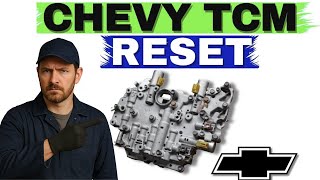
Shop the Parts Behind P2637
Below are the parts most often responsible for code P2637, ranked by how frequently each one is the actual culprit (per the diagnosis above). Tap any to see what we have for your vehicle.
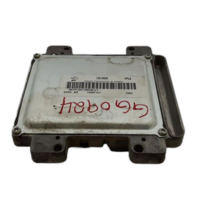


The information in this article is provided for general reference and educational purposes only. Vehicle specifications, procedures, and part compatibility can vary by production date, trim level, and region. Always consult your vehicle's factory service manual and verify part numbers before purchasing or performing repairs. Safety-critical components such as airbags, seat belts, and braking systems should be installed by a qualified professional.
- 🧭 Diagnostic Flowchart
- 🎬 Helpful Videos
- 🛍️ Shop This Part
- What Does P2637 Mean?
- Can I Drive With P2637?
- Common Causes
- Symptoms
- Common Fixes & Costs
- DIY vs Professional
- Used vs. New Parts: Buying Guide
- What Happens If You Wait — Timeline
- Cost of Not Fixing It
- Diagnosis Steps
- When This Code Triggers (Freeze-Frame Conditions)
- Related Codes
- Climate & Environmental Factors
- How to Talk to a Mechanic About This Code
- Where to Take It: Dealer vs Independent vs Chain
- When to Walk Away From the Repair
- What Scan Tool You Need for This Code
- How to Clear the Code After You Fix It
- Will This Fail Emissions / State Inspection?
- Most Commonly Affected Vehicles
- Manufacturer-Specific Notes
- Real Owner Stories
- 2018 Ram 2500 with Cummins Engine
- 2012 Ford Focus with DPS6 Transmission at 115,000 miles
- 2008 GMC Sierra 1500 at 160,000 miles
- How to Prevent This Code From Triggering
- Frequently Asked Questions
- What is the most common misdiagnosis for P2637?
- What is the difference between P2637 and P2638?
- Is it safe to clear the P2637 code and keep driving?
- Why did my truck go into 'limp mode'?
- Can a vacuum leak cause P2637?
- Do I have to go to the dealer to fix this?
- My mechanic quoted me $600 to repair a few wires. Is that too high?
- Key Takeaways
- 🎟️ Get 5% Off