

OBD-II Code P2641: Torque Management Feedback Signal 'B' Malfunction
The Ultimate Guide to Meaning, Diagnosis, and Repair for P2641
- P2641 indicates a communication failure between the engine and transmission computers, not a mechanical transmission failure.
- Over 80% of P2641 codes stem from damaged wiring, loose connector pins, or outdated software requiring a 1-hour re-flash.
- Driving with an active P2641 code causes harsh shifting that destroys transmission clutch packs within 1 to 4 months.
- Never authorize a $500+ control module replacement until a mechanic performs a terminal pin drag test and verifies all wiring grounds.
What Does P2641 Mean?
P2641 indicates a communication breakdown between your car's Engine Control Module (ECM) and Transmission Control Module (TCM). During a gear shift, the TCM requests the engine momentarily reduce torque to allow a smooth transition. The ECM must execute this power reduction and send a confirmation signal back to the TCM. Code P2641 sets when the TCM misses this confirmation on communication circuit 'B'. This forces the powertrain computer to limit engine power to protect the transmission from damage caused by shifting under full load.
Technical definition: The official SAE/OBD-II definition for this code is "Torque Management Feedback Signal 'B'". This indicates the Powertrain Control Module (PCM) has detected a fault in the dedicated feedback circuit that confirms torque reduction requests have been received and acted upon by the engine controller during gear shifts.
Can I Drive With P2641?
Yes, but not recommended You can drive short distances to a repair shop, but extended driving is strongly advised against. Expect reduced engine power and harsh gear shifts as the vehicle enters 'limp mode'. Consistently rough shifting causes accelerated wear on transmission clutches and bands, leading to premature failure. This turns a minor wiring or software issue into a $3,500+ transmission rebuild.
Common Causes
- Damaged Wiring or Connectors (Very Common) — The wiring harness between the ECM and TCM is the primary culprit. Wires chafe from vibration, insulation becomes brittle from engine heat, or connectors become loose or corroded, interrupting the crucial feedback signal.
- Corrupted or Outdated Control Module Software (Common) — The software within the ECM or TCM contains bugs or is outdated. Manufacturers frequently release technical service bulletins (TSBs) and software updates (re-flashes) to resolve communication glitches that trigger P2641.
- Terminal Pin Fit/Tension Issues (Common) — Female metal pins inside the ECM or TCM multi-pin connectors become loose or spread apart. This creates a poor, intermittent connection sensitive to temperature and vibration. It requires a 'pin drag' test with special tools to verify.
- Poor Electrical Grounds (Uncommon) — A corroded or loose ground connection for the engine block, transmission, or control modules creates a voltage potential difference between the modules, corrupting communication signals.
- Water Intrusion into Connectors or Modules (Uncommon) — Water from environmental exposure, car washes, or flooding seeps into main harness connectors or control modules if seals are compromised. This causes corrosion and short-circuits communication lines.
- Faulty Transmission Control Module (TCM) (Less Common) — The TCM itself fails internally, preventing it from properly sending or receiving signals to and from the ECM. This is less common than wiring or software issues and is only considered after ruling out other possibilities.
- Faulty Powertrain Control Module (PCM/ECM) (Less Common) — The main engine computer (PCM or ECM) develops internal faults that prevent it from sending the correct feedback signal or processing the request from the TCM. This is typically the last component suspected.
- Aftermarket Electronics Interference (Rare) — Improperly installed aftermarket accessories like remote starters or alarms tapped into the vehicle's CAN bus network introduce electrical noise or data corruption that interferes with module communication.
Symptoms
- Check Engine Light or Powertrain Warning Lamp is On — The Malfunction Indicator Lamp (MIL) illuminates on your dashboard. In some vehicles, a wrench or transmission-specific light appears.
- Harsh, Delayed, or Jerky Gear Shifts — Because the engine isn't reducing torque as requested, the transmission shifts roughly, hesitates, or slams into gear.
- Reduced Engine Power (Limp Mode) — The vehicle feels sluggish and has poor acceleration. The computer intentionally limits engine power to protect the transmission from further damage.
- Intermittent Loss of Acceleration — You experience a sudden loss of power that resolves itself after stopping and restarting the car. This points towards an intermittent wiring or connection issue.
- Certain Gears Unavailable — In heavy-duty applications, the TCM inhibits certain gears (like reverse) from being selected when the fault is active to prevent damage.
Diagnostic Flowchart
Tap your situation to follow the diagnostic path that matches what you're seeing on this code.
Common Fixes & Costs
- Repairing Damaged Wiring or Connectors — Parts: $10-$50, Labor: $150-$450, ~2.5 hr book time (Intermediate)
- Updating Control Module Software — Parts: $0, Labor: $125-$250, ~1.2 hr book time (Professional)
- Cleaning or Repairing Ground Connections — Parts: $5-$20, Labor: $75-$150, ~0.5 hr book time (Beginner)
- Replacing the Transmission Control Module (TCM)
— Parts: $500-$1,000, Labor: $150-$300 (plus programming), ~2.0 hr book time
(Professional)
2011 Chevrolet Silverado 1500: OEM - Replacing the Powertrain Control Module (PCM/ECM)
— Parts: $800-$1,500, Labor: $200-$400 (plus programming), ~2.5 hr book time
(Professional)
2013 Cummins ISX12: OEM
2012 Ford F-150 (3.5L EcoBoost): OEM
Used vs. New Parts: Buying Guide
When a used part is worth it: For control modules (TCM/PCM), a used part is a high-risk, budget-only option. It makes sense only if the vehicle is old, the new/reman part is prohibitively expensive, and you can source a part with a verified matching part number from a reputable seller offering a short-term warranty.
Donor-vehicle mileage cap: roughly under 100000 miles for the part to have meaningful remaining life.
Donor quality checklist:
- Verify the donor vehicle was not scrapped due to flood, fire, or major electrical issues.
- Inspect connector pins for any signs of corrosion, moisture, or physical damage.
- Ensure the part number matches EXACTLY, as many modules are not interchangeable even within the same model year.
- Purchase from a dismantler who tests electronics and offers at least a 30-day functional warranty.
Decision logic:
- If A software update (TSB) is available for the code → Do not replace hardware; perform the update first.
- If A quality remanufactured module with a warranty is available → Strongly prefer remanufactured over used. The part is rebuilt, tested, and often comes pre-programmed or with programming support.
- If Vehicle is newer and part requires programming → Buy new or remanufactured. The cost and hassle of getting a used module programmed often negates the initial savings.
Warranty tradeoff: Used parts typically have a 30-90 day warranty at best, covering only the part, not labor. Remanufactured parts often carry a 1-year to lifetime warranty. New OEM parts carry a manufacturer's warranty, typically 1-2 years.
Worst-case if a used part fails: 500-1000. If a used module is faulty or improperly programmed, you will have to pay for diagnostic and labor costs a second time, in addition to the cost of another replacement part.
What Happens If You Wait — Timeline
- 0-1 month: Code is set, Check Engine Light is on. Vehicle enters limp mode with reduced power. Shifting becomes noticeably harsh and jerky. Drivability is poor, but direct mechanical damage is minimal if driving is limited. (MPG impact: 5-10%% · Added cost: $0)
- 1-4 months: Continued harsh shifting causes accelerated wear on transmission clutch packs and bands. The repeated shock loads stress engine and transmission mounts. The initial electrical problem is now causing measurable mechanical wear. (MPG impact: 10-15%% · Added cost: $500-$1500 (potential for solenoid damage, premature clutch wear))
- 4-12 months: Significant damage to transmission internals. Clutch material contaminates the transmission fluid and blocks solenoids. Slipping between gears occurs in addition to harsh shifts. The transmission is actively failing. (MPG impact: 15-25%% · Added cost: $1500-$3500 (solenoid pack replacement, partial rebuild))
- 12+ months: Catastrophic internal transmission failure. The cumulative effect of shifting under full engine torque without protection leads to broken bands and destroyed clutch packs. The vehicle stops moving altogether. A full transmission rebuild or replacement is required. (MPG impact: >25%% · Added cost: $3500-$7000+)
Cost of Not Fixing It
- 0-3 months: Persistent drivability issues including harsh shifting, poor acceleration, and reduced fuel economy. Annoyance and potential safety issue with unpredictable power. (Added cost: 50-150)
- 3-12 months: Accelerated wear on transmission clutch packs, bands, and solenoids due to repeated, unprotected shifts under load. Drivetrain mounts also become stressed. (Added cost: 500-1500)
- 12+ months: Catastrophic transmission failure. The cumulative damage from harsh shifting leads to internal mechanical failure, requiring a complete transmission rebuild or replacement. (Added cost: 3500-7000)
Diagnosis Steps
- Read All Diagnostic Trouble Codes (DTCs) & Freeze Frame Data
Use an OBD-II scanner to read the P2641 code and any other present codes. Pay close attention to communication (U-prefix) codes, as they indicate a larger network problem and must be diagnosed first. Analyze the freeze-frame data to see the vehicle's operating conditions when the code was set.
Tools: OBD-II Scanner (Beginner) - Check for Technical Service Bulletins (TSBs) and Software Updates
Use an online service like ALLDATA or check with a dealership to see if there are any TSBs or software updates for your vehicle's ECM or TCM. A simple re-flash is a very common fix, especially on Cummins, GM, and Ford models.
Tools: Phone/Computer for research (Intermediate) - Perform a Thorough Visual Inspection
Pop the hood and carefully inspect the entire wiring harness running between the engine and transmission. Look for chafed wires, melted plastic loom near exhaust components, or corrosion on the main connectors at both the ECM and TCM. Check for signs of water intrusion.
Tools: Flashlight, Inspection Mirror (Beginner) - Perform a 'Wiggle Test'
With the ignition on and a scan tool monitoring live data for the torque management signal, gently wiggle the wiring harness and connectors at the ECM and TCM. If wiggling a specific area causes the code to set or the signal to drop out, you have pinpointed the physical fault.
Tools: Advanced Scan Tool (Intermediate) - Verify System Voltage and Grounds
Use a digital multimeter to check the battery voltage (should be 12.6V+ engine off, 13.5-14.5V engine running). Verify the integrity of the main ground connections from the battery to the chassis, chassis to the engine block, and engine to the transmission. A voltage drop test on the ground side should show less than 0.2V.
Tools: Digital Multimeter (DMM) (Intermediate) - Analyze Live Scan Tool Data
Using an advanced scan tool, monitor specific PIDs for 'Torque Reduction Requested' and 'Torque Reduction Actual'. During a test drive, these values should correspond during shifts. If the 'Requested' state changes but the 'Actual' state does not, it confirms a communication failure.
Tools: Advanced Scan Tool (Advanced) - Check CAN Bus Network Resistance
With the battery disconnected, use a multimeter to measure the resistance between the CAN High and CAN Low pins at the DLC (OBD-II port). A healthy network reads approximately 60 Ohms. A reading of 120 Ohms indicates a missing terminating resistor or a break in the circuit.
Tools: Digital Multimeter (DMM), Vehicle Wiring Diagram (Advanced) - Test Circuit Continuity and Resistance
Using a wiring diagram, disconnect the ECM and TCM connectors. Use a DMM to check for continuity on the 'Signal B' circuit wire between the two connectors. The reading should be less than 1.0 Ohm. Check for resistance between that wire and a known-good ground, and then to a power source. Both should show an open circuit (OL).
Tools: Digital Multimeter (DMM), Vehicle Wiring Diagram (Advanced) - Perform a Terminal Pin Drag Test
Using a terminal pin test kit, individually test the tension of each female pin in the ECM and TCM connectors related to the torque management circuit. The tool should meet slight resistance ('drag'). If a pin is loose, it will not make a solid connection and must be re-tensioned or replaced.
Tools: Terminal Pin Drag Test Kit, Wiring Diagram (Advanced) - Backprobe and Scope the Signal
For intermittent faults, backprobe the signal wire at the TCM connector using a T-pin and connect an oscilloscope. Drive the vehicle and monitor the signal pattern during shifts. You are looking for a clean square wave. Any glitches or dropouts on the waveform point to a wiring issue.
Tools: Automotive Oscilloscope, T-pins, Wiring Diagram (Professional) - Test the Control Modules
If all wiring, connections, grounds, and software have been verified as good, the final step is to suspect one of the control modules. This involves substituting a known-good part or sending the modules to a specialized service for bench testing.
Tools: Advanced Diagnostic Equipment (Professional)
When This Code Triggers (Freeze-Frame Conditions)
- Engine Coolant Temp: 175-210°F (Engine at full operating temperature.)
- RPM: 1200-2800 RPM (During light acceleration or cruise when an upshift or downshift is commanded.)
- Engine Load: 25-70% (Under moderate load; not at idle or full throttle.)
- Vehicle Speed: 20-60 mph (Occurs during a gear change at city or highway speeds.)
Related Codes
- P2637 — This is the code for 'Torque Management Feedback Signal "A"'. Seeing both P2637 and P2641 together strongly suggests a systemic problem like a faulty module, a shared power/ground issue, or a software glitch, as it's highly unlikely both separate signal circuits fail simultaneously.
- P2642, P2643, P2644 — These codes are specific electrical variations of P2641. P2642 ('B' Circuit Range/Performance), P2643 ('B' Circuit Low), and P2644 ('B' Circuit High) help pinpoint the electrical fault. A 'Low' code suggests a short to ground, a 'High' code suggests a short to power, and 'Range/Performance' points to an intermittent or erratic signal.
- U-prefix codes (e.g., U0100, U0101) — U-codes indicate a total loss of communication with a specific module (U0100 is lost communication with ECM, U0101 is lost communication with TCM). If you have a U-code along with P2641, diagnose the U-code first. It represents the root cause that is preventing any communication, which in turn sets the P2641.
- P0700 — This is a generic code from the ECM indicating that the TCM has stored a fault. When you see P0700, it means you need to scan the TCM for more specific codes, which could include P2641. P0700 is an informational code that points you to the right module.
Climate & Environmental Factors
- High Humidity / High Precipitation: Accelerates corrosion on connector pins, wiring, and ground points. Water seeps past compromised seals in connectors or modules, causing short circuits. This is a known issue in GM trucks (TSB 08-07-30-021G).
- Cold Climates (Road Salt): Road salt and brine are highly corrosive and severely damage under-vehicle wiring harnesses and connectors, leading to open circuits or shorts that trigger P2641.
- Extreme Heat: High engine bay temperatures, especially near exhaust components, make wiring insulation brittle and prone to cracking. This exposes the copper wire, leading to chafing and short circuits.
How to Talk to a Mechanic About This Code
Say this: "I have a P2641 Torque Management code and experiencing harsh shifting. I'd like to schedule a diagnostic appointment. Based on my research, I'd like you to focus on checking for TSBs, inspecting the ECM/TCM wiring harness for chafing or pin-fit issues, and verifying grounds before considering any module replacement."
This signals you are an informed consumer. It directs the technician to the most common and cost-effective failure points first (wiring, software, grounds) and discourages them from immediately quoting an expensive and often unnecessary module replacement.
Avoid saying:
- My transmission is bad.
- Just fix the check engine light.
- The car is shifting funny, do whatever it takes.
Questions to ask before authorizing the repair:
- Did you find a specific wiring fault, and can you show me where it is?
- Is there a Technical Service Bulletin or software update available for this issue on my vehicle?
- If you are recommending a module replacement, what specific tests did you perform to rule out all wiring and connection issues?
- What is the warranty on this specific repair, covering both parts and labor?
Where to Take It: Dealer vs Independent vs Chain
- Dealer:
Recommended if a known TSB or software flash is the likely cause, or if the vehicle is still under warranty. Their access to proprietary tools and information is a major advantage for this type of communication fault.
Best for: Vehicles under warranty, Known software-related issues (like on specific Cummins or GM models), Complex electrical issues on newer or European vehicles where specialized tools are required.
Downsides: Highest labor rates, May default to expensive module replacement instead of detailed wiring repair. (Typical cost: +50% vs. baseline) - Independent Shop:
Best overall fit if you can find the right one. A good independent shop specializing in diagnostics or transmissions is ideal. They are often more willing to perform time-consuming but cheaper wiring repairs than a dealer. Vet the shop's reviews for electrical problem-solving.
Best for: Out-of-warranty vehicles, Shops with a strong reputation for electrical and transmission diagnostics, Finding a skilled technician who will take the time to trace a wiring fault.
Downsides: Quality and expertise vary widely., May not have the latest, most expensive manufacturer-specific programming tools. (Typical cost: +0% vs. baseline) - Chain Shop:
AVOID for diagnosis and repair of P2641. This code requires a level of diagnostic expertise and equipment that is typically beyond the scope of a chain repair shop.
Best for: Reading the code for free (sometimes offered)., Basic parts replacement like batteries.
Downsides: Technician skill is highly variable., Often lack the advanced diagnostic tools and training for complex communication codes like P2641., High pressure to sell parts, may lead to misdiagnosis (e.g., selling a transmission when it's a wire). (Typical cost: -10% vs. baseline)
When to Walk Away From the Repair
If the estimated repair cost for the P2641 fault (and any resulting damage) exceeds 50% of the car's private-party value, it's time to seriously consider selling or trading it in.
- Car worth $5000, fix is $800: Fix it. This is a reasonable cost to restore a critical powertrain function and is well below the 50% threshold.
- Car worth $4000, fix is $2200: Borderline. The repair cost is over 50% of the car's value. Get a second opinion. If the diagnosis is confirmed, consider selling the car as-is to a private party or a service that buys cars with mechanical issues.
- Car worth $3000, fix is $3500: Walk away. The repair cost exceeds the vehicle's value. Continuing to drive caused transmission failure. Do not invest in a new transmission. Sell the vehicle to a junkyard or a 'we buy junk cars' service.
What Scan Tool You Need for This Code
Minimum: A scanner that can read engine and transmission codes (enhanced codes) and view live data PIDs (Parameter IDs) for both modules.
A basic $20 code reader will only show you the P2641 code but won't let you see the live communication data between the TCM and ECM, which is essential for diagnosis. You need to see if the 'torque reduction request' signal is being sent and if the 'torque feedback' signal is responding.
Budget: BlueDriver Pro (~$100) — Reads and clears enhanced transmission codes, displays freeze frame data, and allows graphing of live data streams from the engine and transmission modules. This is enough for a skilled DIYer to observe the communication signals and confirm the fault.
Mid-range: Foxwell NT510 Elite (~$180) — Offers all the features of the budget pick plus some bi-directional controls (active tests). This allows you to command certain functions to test actuators, which helps in diagnosing intermittent electrical issues. It provides deeper, brand-specific diagnostics.
Professional: Autel MaxiCOM MK808 / MK808BT (~$500-600) — Provides full bi-directional control, allowing the user to command specific module functions to test circuits and components directly. It accesses all vehicle modules, performs advanced diagnostics, and offers guided component tests, making it a powerful tool for pinpointing the exact cause of the communication failure.
Rent vs buy: For a one-time diagnosis, many auto parts stores will read your codes for free. However, their basic scanners may not read the necessary transmission data. For P2641, buying a tool like the BlueDriver Pro is a smart investment, as proper diagnosis may require multiple test drives while monitoring live data.
How to Clear the Code After You Fix It
- Fix the root cause of the fault (e.g., repair wiring, update software).
- Use a compatible OBD-II scan tool to command 'Clear/Reset DTCs'.
- Perform a complete OBD-II drive cycle to allow readiness monitors to run.
Drive cycle (~20 minutes): A generic drive cycle includes a cold start (sitting overnight), a 2-3 minute idle, 10 minutes of steady-state driving between 55-60 mph, followed by 5-10 minutes of stop-and-go city driving. The fuel tank should be between 15% and 85% full.
Readiness monitors affected: Catalyst Monitor, Oxygen (O2) Sensor Monitor, Comprehensive Component Monitor
Before emissions retest: drive at least 50 miles to fully set monitors.
Watch out for:
- Simply disconnecting the battery clears the code but also resets all readiness monitors to 'Not Ready', guaranteeing an emissions test failure.
- The code returns immediately if the underlying electrical or software fault is not properly repaired.
- Not driving long enough or under the correct conditions to allow all necessary readiness monitors to complete their self-tests.
Will This Fail Emissions / State Inspection?
Yes — this code typically fails an OBD-II emissions inspection.
- California: An illuminated Check Engine Light results in an automatic smog check failure. After repair, a drive cycle must be completed to set readiness monitors before a retest is possible.
- New York: The NYVIP3 inspection includes an OBD-II scan. An active P2641 code causes an automatic failure. Most non-continuous readiness monitors must be in the 'Ready' state to pass.
- Texas: In counties requiring an emissions test, an illuminated Check Engine Light is an automatic failure. After clearing the code, you must drive the vehicle (typically 50-100 miles) to ensure readiness monitors have run before re-inspection.
Most Commonly Affected Vehicles
- Cummins ISX12 (with Allison Transmission) (2013) — A widely known software bug in the Engine Control Module (ECM) causes this code, often when selecting low reverse at idle. It is caused by an erroneous torque value broadcast from the ECM. The official fix is an ECM software update from a Cummins dealer to version PH9.30.0.6 or later.
- Chevrolet / GMC Silverado, Sierra, Suburban, Tahoe (2007-2014) — Frequently reported on GM trucks. Often caused by wiring harness issues, especially where the harness passes near the transmission or engine block. Poor pin tension at the TCM connector is also a common culprit. TSB 08-07-30-021G addresses related harsh shifting issues and points to inspecting the TCM connector for water intrusion.
- Ford F-150, Explorer, Focus (2011-2023) — Ford vehicles set this code due to wiring problems or corrosion in the main bulkhead connector where water intrudes. On F-150s from 2011-2014, inspect the wiring harness near the catalytic converter for heat damage. Safety recall 23S35 for 2021-2023 F-150s addresses a chafing rear axle wiring harness.
- Dodge / Chrysler / Ram Ram 1500/2500, Charger, Grand Caravan (2008-2018) — Often seen on Chrysler group vehicles, where it points to a communication breakdown between the PCM and the 'Totally Integrated Power Module' (TIPM) or TCM.
- Volkswagen / Audi Various models with automatic/DSG transmissions (2006-2016) — This code is common in VW and Audi vehicles, often pointing to CAN bus wiring issues or a faulty Mechatronics unit (which houses the TCM).
- Hyundai Elantra, Sonata, Santa Fe (2011-2018) — Hyundai vehicles log this code, with reports leading back to intermittent wiring faults or the need for a TCM or PCM software update.
- BMW Various Models with ZF Automatic Transmissions (2004-2015) — On BMWs, a P2641 is a sign of a failing Mechatronics unit or issues within the CAN bus communication network. Check for fluid leaks from the Mechatronics sleeve connector.
- Nissan Titan, Altima, Various Models (2004-2015) — This generic code is common among Nissan vehicles, often related to wiring or TCM faults.
Manufacturer-Specific Notes
- Cummins: On 2013 ISX12 engines paired with Allison transmissions, P2641 is almost always caused by an engine software glitch, not a faulty part. The fix is a specific ECM software update (to phase PH9.30.0.6 or newer) that corrects an erroneous torque value broadcast at idle. This was outlined in technical tip TT7401EN.
- General Motors: TSB 08-07-30-021G is a well-known bulletin for various 2007-2012 GM trucks and SUVs. It addresses harsh shifting and various TCM codes, often caused by water intrusion into the TCM connector. The fix involves inspecting, cleaning, and applying dielectric grease to the connector and ensuring the harness is properly routed.
- Ford: On many Ford models, the wiring harness is susceptible to damage near the catalytic converters or where it routes close to the frame. A thorough inspection of these specific areas is critical before condemning a control module. Several wiring harness recalls exist, such as 23S35 for 2021-2023 F-150s, showing a history of harness vulnerability.
- General: This code is sometimes confused with P2645-P2649, which relate to the 'Rocker Arm Actuator' system found in some engines (like Honda's VTEC). However, the official generic definition for P2641 is strictly for torque management communication. If you have a Honda with a P2641-range code, verify the definition with a model-specific resource, as it likely refers to the VTEC system.
Real Owner Stories
2013 Commercial Truck with Cummins ISX12 & Allison Transmission
Vehicle sets active P2641 code and Check Transmission Light, but only when selecting Low Reverse at an idle. This makes certain gears unavailable.
Outcome: The issue was a known software bug. A Cummins dealer updated the ECM software to phase PH9.30.0.6 or later, which corrected an erroneous torque value being broadcast by the ECM at idle. This completely resolved the issue without replacing any parts.
Lesson: For specific, highly repeatable symptoms on known problem vehicles, always check for Technical Service Bulletins (TSBs) or software updates first. A simple re-flash saves thousands in unnecessary diagnostic time and parts.
2011 Ford F-150 with 6R80 Transmission
After a general repair shop installed a used transmission, the truck had a Check Engine Light, no power from a stop, and would not shift correctly. The shop said it just needed programming.
Outcome: The technician discovered the main wiring harness loom had rubbed through against the transmission bellhousing, causing an open circuit. After the single wire was repaired, all codes were cleared and did not return. The transmission then functioned perfectly.
Lesson: Misdiagnosis is costly. When a major component like a transmission is replaced and problems persist or worsen, suspect an installation error. A wiring harness is easily pinched, mis-routed, or damaged during a major repair, causing communication codes like P2641.
Intermittent P2641 on a Chevrolet Silverado
The Check Engine Light and harsh shifting appeared randomly, sometimes after hitting a bump or on hot days. The code occasionally cleared itself, only to return later.
Outcome: While wiggling the harness near the TCM connector, the code triggered and cleared repeatedly. The issue was traced to a loose pin inside the main TCM connector losing contact due to vibration and thermal expansion. Re-tensioning the pin and cleaning the connector with dielectric grease provided a permanent fix.
Lesson: Intermittent electrical faults are almost always caused by a physical connection issue. Before replacing expensive modules, perform a thorough wiggle test on the wiring harness and connectors between the ECM and TCM to pinpoint the exact location of the fault.
How to Prevent This Code From Triggering
- Inspect and Secure Wiring Harnesses (Every oil change or 5,000 miles) — Visually check the harness between the engine and transmission. Ensure it is secured with clips and not rubbing against sharp metal edges, vibrating parts, or hot exhaust components. Proper routing prevents chafing that causes shorts.
- Clean and Protect Main Grounds (Every 2-3 years or 30,000 miles) — Disconnect, clean, and tighten the main ground straps (battery-to-chassis, chassis-to-engine, engine-to-transmission). Use a wire brush to get to bare metal and apply dielectric grease. This ensures stable voltage between modules, preventing data corruption.
- Apply Dielectric Grease to Key Connectors (Anytime a relevant connector is disconnected) — When inspecting the ECM or TCM, apply a small amount of dielectric grease to the connector seal. This creates a barrier against moisture and oxygen, preventing pin corrosion that leads to intermittent signals.
- Use Protective Loom and Heat Shielding (During any repair near the harness) — If factory protective loom is cracked or missing, replace it. In areas near the exhaust, adding heat-resistant sleeving prevents wire insulation from becoming brittle and cracking.
Frequently Asked Questions
My mechanic wants to replace the TCM right away. Is this a good idea?
This is not advisable without proper diagnosis. The most common causes for P2641 are wiring and software issues, which are much cheaper to fix. Replacing a control module is the last resort after thoroughly inspecting the wiring harness, performing a pin drag test, and verifying software updates.
Can a bad battery cause a P2641 code?
Yes, absolutely. A weak battery or failing alternator causes low or unstable system voltage. Control modules are sensitive to voltage and generate false communication codes like P2641 when voltage drops below 12.0V or spikes above 15.0V.
What is 'torque management'?
It is a powertrain control strategy where the transmission computer (TCM) tells the engine computer (ECM) to slightly reduce engine power for a split second during a gear shift. This momentary power reduction smooths out the shift, reducing shock to the drivetrain and minimizing wear on internal transmission components.
Can my new remote starter or aftermarket alarm cause a P2641 code?
Yes. Improperly installed aftermarket electronics interfere with the vehicle's CAN bus communication network. If tapped into the wrong wires or creating electrical noise, they corrupt signals between the ECM and TCM, leading to this code.
Why did the code appear after hitting a pothole?
Hitting a sharp bump jolts loose connectors, frayed wires making intermittent contact, or poor pin connections. This momentary interruption in the signal triggers the code and strongly suggests a physical wiring or connector problem is the root cause.
Can I just clear the code and keep driving?
You can clear the code with a scanner, but if the underlying electrical or software problem isn't fixed, it will return immediately. Ignoring the fault leads to prolonged harsh shifting, which causes premature wear or catastrophic damage to your transmission.
What does 'pin drag test' mean?
A pin drag test checks the tension of the female terminals inside a connector using a correctly sized male test pin. There should be a slight 'drag' or resistance when inserting the pin. If the pin slides in and out with no resistance, the terminal is spread too wide to make a reliable connection.
Key Takeaways
- P2641 indicates a communication failure between the engine and transmission computers, not a mechanical transmission failure.
- Over 80% of P2641 codes stem from damaged wiring, loose connector pins, or outdated software requiring a 1-hour re-flash.
- Driving with an active P2641 code causes harsh shifting that destroys transmission clutch packs within 1 to 4 months.
- Never authorize a $500+ control module replacement until a mechanic performs a terminal pin drag test and verifies all wiring grounds.
Shop the Parts Behind P2641
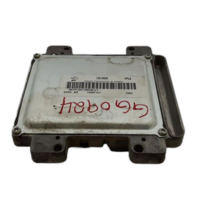
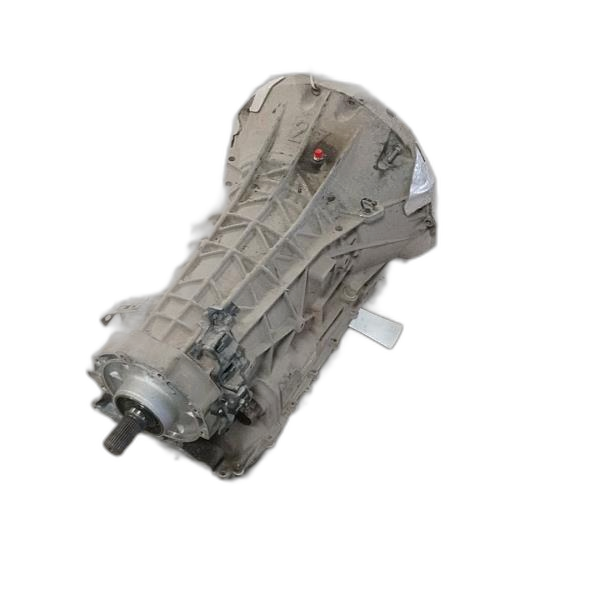
Below are the parts most often responsible for code P2641, ranked by how frequently each one is the actual culprit (per the diagnosis above). Tap any to see what we have for your vehicle.

The information in this article is provided for general reference and educational purposes only. Vehicle specifications, procedures, and part compatibility can vary by production date, trim level, and region. Always consult your vehicle's factory service manual and verify part numbers before purchasing or performing repairs. Safety-critical components such as airbags, seat belts, and braking systems should be installed by a qualified professional.
- 🧭 Diagnostic Flowchart
- 🛍️ Shop This Part
- What Does P2641 Mean?
- Can I Drive With P2641?
- Common Causes
- Symptoms
- Common Fixes & Costs
- Used vs. New Parts: Buying Guide
- What Happens If You Wait — Timeline
- Cost of Not Fixing It
- Diagnosis Steps
- When This Code Triggers (Freeze-Frame Conditions)
- Related Codes
- Climate & Environmental Factors
- How to Talk to a Mechanic About This Code
- Where to Take It: Dealer vs Independent vs Chain
- When to Walk Away From the Repair
- What Scan Tool You Need for This Code
- How to Clear the Code After You Fix It
- Will This Fail Emissions / State Inspection?
- Most Commonly Affected Vehicles
- Manufacturer-Specific Notes
- Real Owner Stories
- 2013 Commercial Truck with Cummins ISX12 & Allison Transmission
- 2011 Ford F-150 with 6R80 Transmission
- Intermittent P2641 on a Chevrolet Silverado
- How to Prevent This Code From Triggering
- Frequently Asked Questions
- My mechanic wants to replace the TCM right away. Is this a good idea?
- Can a bad battery cause a P2641 code?
- What is 'torque management'?
- Can my new remote starter or aftermarket alarm cause a P2641 code?
- Why did the code appear after hitting a pothole?
- Can I just clear the code and keep driving?
- What does 'pin drag test' mean?
- Key Takeaways
- 🎟️ Get 5% Off