

OBD-II Code P2700: Transmission Clutch Engagement Time Fault
What P2700 means, why it triggers, and how to fix it
- Code P2700 indicates a transmission clutch timing failure, causing harsh shifts or a 0.5 to 1.5-second delay when shifting into Drive or Reverse.
- Check your transmission fluid level first, as low fluid causes 40% of these faults, but immediately search for Technical Service Bulletins (TSBs) if you drive a 2017+ Ford or 2007-2009 GM vehicle.
- Stop driving immediately; continuing to drive with a slipping clutch escalates an $800 valve body repair into a catastrophic $4,000 to $8,000 complete transmission rebuild.
- Never replace a shift solenoid without first performing a hydraulic pressure test, as a failed $2,000 internal pump or broken clutch drum often mimics a faulty $50 solenoid.
What Does P2700 Mean?

Your car's Transmission Control Module (TCM) has detected a problem with how quickly an internal transmission clutch engages. It acts like a stopwatch for gear shifts; the computer times a specific clutch (generically called 'Friction Element A') and finds it is either too slow or too fast to engage. This points directly to a failure in the transmission's hydraulic, mechanical, or electrical systems.
Technical definition: The official SAE/OBD-II definition is 'Transmission Friction Element 'A' Apply Time Range/Performance'. This means the Transmission Control Module (TCM) determined the time it takes for a specific clutch pack to apply falls outside the manufacturer's acceptable range. The TCM monitors this by comparing engine RPM, transmission input speed, and transmission output speed during a commanded shift to verify the gear change happens within a precise window, often just fractions of a second.
Can I Drive With P2700?

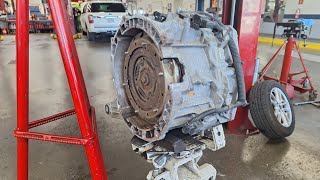
No, extended driving Driving is strongly discouraged. While you can manage a short, low-speed trip to a nearby repair shop, continued operation is a significant safety and financial risk. Each harsh shift or slip causes escalating internal damage. What starts as an $800 solenoid or valve body issue quickly cascades into a $4,000-$8,000+ transmission rebuild as clutch material contaminates the entire system. 🎬 See this teardown inspection of a transmission with P2700 damage. The transmission can fail suddenly, leaving you stranded or causing a loss of power in traffic.
Common Causes


- Low or Contaminated Automatic Transmission Fluid (ATF) (Very Common) — This is the most common and preventable cause. Low fluid reduces the hydraulic pressure needed to apply the clutches, while dirty, burnt, or degraded fluid clogs passages, causes valves to stick, and prevents smooth operation.
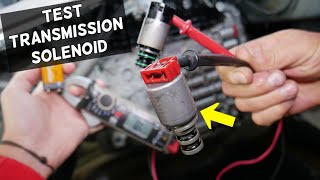
- Faulty Transmission Shift Solenoid (Common) — Solenoids are small electronic valves that direct transmission fluid. If the solenoid controlling clutch 'A' fails electrically (opens/shorts) or gets stuck mechanically from debris, it cannot properly regulate the pressure 🎬 Watch: A guide on how to test your transmission solenoid., causing a timing error.
- Worn or Damaged Internal Clutch Pack ('Friction Element A') (Common) — The clutch pack itself, which is a set of friction and steel plates, wears out or burns from heat and slipping. When worn, it cannot grab effectively, causing a delay in engagement and generating debris that contaminates the fluid.
- Failed CDF Clutch Drum Bushing (Ford 10R80 Specific) (Common On Some Models) — On many Ford vehicles with the 10-speed 10R80 transmission, a bushing in the CDF clutch drum assembly 'walks out' of place, creating a significant internal hydraulic leak. This is a well-documented design flaw that directly causes delayed clutch application and sets code P2700, as noted in TSB 23-2250.
- Broken Internal Wave Plate (GM Specific) (Common On Some Models) — On certain GM vehicles with 6-speed automatic transmissions (like the 6T70/6T75), a specific 'wave plate' that acts as a cushion for the 3-5-R clutch drum fractures. This sends metal debris through the transmission, causing a loss of 3rd, 5th, and Reverse gears and triggering various codes, including P2700.
- Faulty Transmission Valve Body (Less Common) — The valve body is the hydraulic control center of the transmission, housing the solenoids and a maze of fluid passages. Sticking valves, internal leaks from warped channels, or clogged passages within the valve body disrupt the precise fluid flow needed for clutch application.
- Failed Transmission Oil Pump (Less Common) — The front pump generates all the hydraulic pressure for the transmission. If the pump is weak or fails completely, there is not enough pressure to apply any of the clutches in the required time, leading to slipping and timing codes like P2700. A failing pump is a major internal failure.
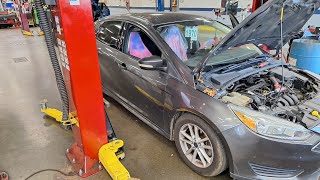
- Failing Transmission Control Module (TCM) or Software Glitch (Less Common) — The TCM itself fails due to internal circuit problems, or its software becomes outdated or corrupted. Sometimes, a simple software update or re-flash is all 🎬 Watch: Diagnostic advice for P2700 on Ford Focus DPS6 transmissions. that is needed to correct the timing parameters or compensate for normal wear.
- Damaged Wiring or Connectors (Rare) — Frayed wires or corroded connectors between the TCM and the transmission interrupt signals from sensors or commands to solenoids. This causes the TCM to receive incorrect data about the clutch apply time or prevents the solenoid from activating correctly.
- Low System Voltage (Rare) — A weak or failing battery causes widespread electronic issues. The TCM and its solenoids require a stable voltage to function correctly. Low voltage causes erratic behavior, leading the TCM to misinterpret shift events and log a P2700 code.
Symptoms
- Harsh, Delayed, or 'Clunking' Gear Shifts — You feel a noticeable lag or a hard bang when the transmission shifts gears, either up or down.
- Transmission Slipping — The engine RPMs increase, but the car does not speed up accordingly, as if the gear is not fully engaged.
- Delayed Engagement from Park — When you shift from Park into Drive or Reverse, there is a long pause, sometimes 0.5 to 1.5 seconds, before the transmission engages and the vehicle starts to move.
- Vehicle Stuck in 'Limp Mode' — The transmission locks itself into a single gear (often 2nd or 3rd) to prevent further damage, resulting in poor acceleration and high RPMs at highway speeds.
- Loss of Certain Gears — In cases of specific mechanical failure, like a broken GM wave plate, you completely lose the ability to use certain gears, such as 3rd, 5th, and Reverse.
- Check Engine Light or Transmission Warning Light is On — The vehicle's dashboard displays a warning light to alert you to the fault.
- Reduced Fuel Economy — When the transmission is not shifting efficiently due to slipping or incorrect timing, the engine works harder, leading to a noticeable decrease in fuel mileage.
Diagnostic Flowchart
Tap your situation to follow the diagnostic path that matches what you're seeing on this code.
Common Fixes & Costs
- Transmission Fluid and Filter Change — Parts: $50-$150, Labor: $100-$300, ~1.5 hr book time (DIY)
- Replace Transmission Shift Solenoid(s)
— Parts: $25-$120 (single) or $150-$600+ (pack), Labor: $150-$450, ~3 hr book time
(Intermediate)
Ford F-150 (10R80): OEM
GM 6T70/6T75: OEM
Honda Accord/CR-V: OEM - Replace Transmission Valve Body
— Parts: $300-$1200, Labor: $350-$1,000, ~4 hr book time
(Professional)
Ford F-150 (10R80): OEM
GM Traverse (6T70): OEM
Nissan Rogue (CVT): OEM - Replace or Reprogram Transmission Control Module (TCM)
— Parts: $200-$1000, Labor: $150-$350 (plus $100-$300 for programming), ~2.5 hr book time
(Professional)
Ford Focus (DPS6): OEM - Internal Transmission Repair (TSB-related) or Rebuild
— Parts: $400-$1500+, Labor: $2000-$7000+, ~15 hr book time
(Professional)
GM 6T70/6T75 Wave Plate: OEM
Ford 10R80 CDF Drum: OEM
Ford 5R110W Coast Clutch: OEM
DIY vs Professional
- Transmission Fluid and Filter Change 🟢 Beginner
Tools: Socket set, drain pan, funnel, torque wrench, new fluid, new filter/gasket. - Replace Transmission Shift Solenoid(s) 🟢 Beginner
Tools: Fluid change tools plus: protective eyewear, inch-pound torque wrench, multimeter, snap-ring pliers (sometimes). Requires dropping the valve body in many cases. - Replace Transmission Valve Body 🟢 Beginner
Tools: Advanced tools, including a scan tool for post-repair relearn procedures. Extremely clean working environment is mandatory. - Internal Transmission Repair / Rebuild 🟢 Beginner
Tools: Transmission jack, engine hoist/support, extensive set of specialized transmission tools (clutch spring compressors, seal installers, etc.).
Used vs. New Parts: Buying Guide
When a used part is worth it: For a high-mileage vehicle (>150k miles) where the goal is to get a few more years of life, a used valve body or solenoid pack from a low-mileage, accident-damaged donor is a cost-effective choice. It is not recommended for TSB-related internal hard parts like the Ford CDF drum or GM wave plate, where the used part likely has the same design flaw.
Donor-vehicle mileage cap: roughly under 80000 miles for the part to have meaningful remaining life.
Donor quality checklist:
- Verify the donor vehicle was not scrapped due to transmission failure.
- Match the part number exactly; even minor variations cause compatibility issues.
- Source from a reputable supplier that offers a warranty.
Decision logic:
- If The vehicle is newer or has low mileage (<80k miles). → Buy new OEM or a quality remanufactured part. The higher cost is justified by the longer expected service life and better warranty.
- If The vehicle is older (>150k miles) and the repair cost approaches the car's value. → A warrantied used part is a reasonable gamble to minimize immediate cost.
- If The part is a known high-failure item with a design flaw (e.g., specific clutch drums, wave plates). → Always buy the updated new OEM part or a remanufactured unit with upgraded components. A used part will likely fail the same way.
Warranty tradeoff: Used parts typically offer a 30-90 day warranty that covers the part only, not labor. New aftermarket or remanufactured parts often come with a 1-3 year warranty. OEM parts installed by a dealer carry a 12-month/12,000-mile warranty on parts and labor.
Worst-case if a used part fails: $800-2000 if a used transmission or valve body fails after installation, as you will have to pay for the labor a second time plus the cost of another replacement part.
What Happens If You Wait — Timeline
- 0-1 month: Code P2700 is set. Driver notices occasional harsh shifts or a slight delay in engagement, but it is not consistent. The transmission enters 'limp mode' intermittently. (MPG impact: 0-5%% · Added cost: $0)
- 1-4 months: Shifting becomes consistently harsh and slipping is frequent. The slipping clutch generates excess heat, causing the transmission fluid to darken and develop a burnt smell. Internal seals harden from the heat. (MPG impact: 5-10%% · Added cost: $50-200 in wasted fuel. The initial problem is still repairable with a solenoid or valve body ($800-$1,500).)
- 4-8 months: The clutch pack ('Friction Element A') is severely worn or burnt. Debris from the clutch material circulates through the transmission, clogging the filter, valve body passages, and solenoids. This causes widespread hydraulic failure. (MPG impact: 10-20%% · Added cost: $2,500-4,000. The damage has cascaded. A simple fix is no longer possible; a partial rebuild or valve body replacement is now required.)
- 8+ months: Catastrophic failure. The transmission fails to engage any gear or becomes permanently stuck in one gear. Widespread contamination destroys other clutches, the torque converter, and hard parts like gearsets or the oil pump. The vehicle is undrivable. (MPG impact: 20%+% · Added cost: $4,000-8,000+. A complete transmission rebuild or replacement is the only option. The original failure has destroyed the entire unit.)
Cost of Not Fixing It
- 0-1 month: Noticeable decline in fuel economy (5-15%) and increasingly harsh or unpredictable shifting. Minor, reversible wear on internal components begins. (Added cost: Negligible)
- 1-6 months: Slipping clutches generate excessive heat, burning the transmission fluid and causing seals to harden. This leads to widespread internal hydraulic leaks, escalating a single solenoid failure into a mandatory valve body replacement. (Added cost: $1500-2500)
- 6+ months: Catastrophic failure occurs as burnt clutch material and metal debris contaminate the entire transmission. The torque converter, pump, and planetary gearsets are destroyed, leaving the vehicle undrivable. A complete transmission rebuild or replacement is now the only option. (Added cost: $4000-8000+)
Diagnosis Steps

- Check Transmission Fluid Level and Condition
The first and easiest step is to check the transmission fluid. Ensure the vehicle is on level ground and follow the owner's manual procedure. The fluid should be at the correct level, reddish in color, and not smell burnt. Low, dark, or burnt-smelling fluid indicates a problem and likely internal wear.
Tools: Clean white paper towel, dipstick or fluid level plug - Scan for Codes and Review TSBs
Use an OBD-II scanner to confirm P2700 and check for any other related codes. Codes for specific solenoids (like P0751) or gear ratios (P0730) help pinpoint the problem. Immediately check for any Technical Service Bulletins (TSBs) for your vehicle related to this code, as many models have well-documented mechanical failures that cause P2700.
Tools: OBD-II scanner, internet access - Review Live Transmission Data
An advanced scan tool views live data from the TCM. A mechanic monitors the commanded apply time versus the actual apply time for clutch 'A' to see the fault in real-time. A normal apply time is typically between 0.3 and 0.6 seconds. They also watch solenoid command status, current (amps), and transmission fluid pressure.
Tools: Advanced bidirectional scan tool - Inspect Wiring and Connectors
Visually inspect the wiring harness going to the transmission. Look for any obvious signs of damage, corrosion, or loose connections, especially at the main connector on the transmission case. A weak battery or poor ground connection causes erratic electronic behavior, so ensure battery terminals are clean and tight.
Tools: Flashlight, multimeter - Test Shift Solenoids with a Multimeter
This involves checking the electrical resistance of the solenoid with a multimeter to see if it is within the manufacturer's specifications. For example, many Ford 10R80 shift solenoids should have a resistance of 5.0 - 5.4 Ohms at 68°F (20°C). A reading that is too high (open circuit) or too low (short circuit) indicates a failed solenoid.
Tools: Multimeter, vehicle-specific wiring diagram - Perform a Transmission Pressure Test
A mechanic connects pressure gauges to specific ports on the transmission to check the hydraulic pressure. Low pressure in the circuit for clutch 'A', or low main line pressure, confirms a hydraulic leak, blockage, or a failed pump. Expected pressures range up to 300-500 PSI under load depending on the transmission.
Tools: Transmission fluid pressure gauge set - Perform a Clutch Pack Air Test
With the valve body removed, a technician applies low-pressure compressed air (around 40 PSI) to the clutch apply passages. They should hear a solid 'thud' as the clutch pack engages. A hissing sound or no engagement indicates a leak in the clutch seals or drum assembly. This is a definitive way to confirm an internal hydraulic leak without a complete teardown.
Tools: Air compressor, rubber-tipped blow gun - Analyze Speed Sensor Waveforms with an Oscilloscope
This advanced technique involves graphing the voltage signals from the Transmission Input Speed Sensor (TSS) and Output Speed Sensor (OSS). During a gear shift, a healthy transmission shows a clear, synchronized change in the frequency of both sensors. If the clutch is slipping, the oscilloscope shows erratic, inconsistent, or 'hairy' waveforms from the sensors as the clutch fails to grab.
Tools: Automotive oscilloscope, back-probe pins
When This Code Triggers (Freeze-Frame Conditions)
- Engine Coolant Temp: 170-220°F (77-104°C) (The fault is typically set when the vehicle is at full operating temperature.)
- Engine RPM: 1200-2500 RPM (During a gear shift under light to moderate acceleration, not usually at idle or high RPM.)
- Vehicle Speed: 25-55 mph (40-88 kph) (The code often triggers during upshifts or downshifts in city or highway driving conditions.)
- Engine Load: 20-70% (The fault occurs under normal driving load as the TCM commands a gear change and measures the clutch apply time.)
Related Codes
- P0751 — This code means 'Shift Solenoid 'A' Performance/Stuck Off'. P0751 points to an electrical or command issue with the solenoid, while P2700 points to the hydraulic/mechanical result of that command. They appear together when a mechanical failure prevents the clutch from applying. The TCM sees the failed result and flags both the mechanical timing (P2700) and the controlling solenoid's performance (P0751).
- P0730 — This code means 'Incorrect Gear Ratio'. It is a direct symptom of the failure causing P2700. When the clutch fails to apply in time (P2700), it slips. The TCM detects this slip as a mismatch between engine speed and transmission output speed, logging P0730. P2700 is the cause, while P0730 is the effect.
- P0700 — This is a generic 'Transmission Control System Malfunction' code. It is an informational code set by the Engine Control Module (ECM) to tell you that the Transmission Control Module (TCM) stored a fault. P0700 itself provides no specific diagnostic information; P2700 is the specific fault.
- P2701 — This code means 'Transmission Friction Element 'B' Apply Time Range/Performance'. It is identical to P2700 but points to a different clutch pack ('B' instead of 'A'). Seeing multiple friction element codes simultaneously strongly suggests a systemic problem like a faulty valve body, low main line pressure, or a failing TCM, rather than multiple individual clutch failures.
Climate & Environmental Factors
- Cold Weather: Cold automatic transmission fluid (ATF) is thicker, causing delayed or harsh shifts on initial startup as the fluid flows more slowly through the valve body. While slight delays are normal, degraded fluid makes this symptom much worse. If harsh shifting disappears once the transmission warms up, it indicates a fluid viscosity issue; if it persists, it is a mechanical or electrical problem.
- High Heat / Heavy Towing: High operating temperatures accelerate transmission fluid breakdown, reducing its ability to lubricate and maintain hydraulic pressure. This causes clutch slippage, which generates even more heat and creates a cycle of damage. Overheating burns friction elements and hardens seals, directly leading to apply time faults like P2700.
- High Humidity / Water Intrusion: Humidity accelerates corrosion on external electrical connectors and wiring harnesses. A compromised connector causes intermittent signals and voltage drops, forcing the TCM to receive faulty data and trigger performance codes. In severe cases, water enters the transmission itself, causing rapid internal failure.
How to Talk to a Mechanic About This Code
Say this: "I have a P2700 code with [describe symptoms, e.g., harsh shifting between 2nd and 3rd]. I'd like to schedule a diagnostic. Please start by checking for any TSBs related to this code for my vehicle and checking the fluid condition. I'd also like to know if you can view live transmission data like clutch apply times."
This signals you have done your research and understand P2700 is a complex code. It directs the shop toward a logical diagnostic path (TSBs, fluid, live data) rather than just guessing or replacing parts, and helps avoid common misdiagnoses.
Avoid saying:
- 'My transmission is acting weird, can you fix it?' (too vague, invites a high quote)
- 'I think it's just a solenoid, can you replace it?' (invites them to perform a repair that may not fix the root cause)
- 'Just do whatever it takes to fix it.' (gives up all control over the cost and process)
Questions to ask before authorizing the repair:
- Did you find any Technical Service Bulletins (TSBs) for this issue?
- What was the condition of the transmission fluid (color, smell, debris)?
- What did the live scan tool data show? Specifically, what were the apply times for the failing clutch?
- Is this a repair you do in-house, or is it sent out?
- What is the warranty on this repair, and does it cover both parts and labor?
Where to Take It: Dealer vs Independent vs Chain
- Dealer:
Best for: Vehicles still under powertrain warranty., Repairs related to a known TSB, recall, or special coverage program., Very new models where independent shops lack specific tools or software.
Downsides: Highest labor rates, often 1.5-2x more than independent shops., May prefer to replace an entire transmission assembly rather than repair or rebuild it, which is more expensive. (Typical cost: +50% vs. baseline) - Independent Shop:
Best fit. A reputable, independent *transmission specialist* is the ideal choice for an out-of-warranty P2700 diagnosis and repair, offering the best balance of expertise and value.
Best for: Out-of-warranty vehicles where cost is a major factor., Shops that are *transmission specialists* and have experienced, ASE-certified rebuilders on staff., Getting a second opinion on a dealer's diagnosis.
Downsides: Quality varies dramatically; thorough vetting through reviews and certifications (like ATRA) is crucial., A general mechanic may not have the expertise for a complex internal transmission code like P2700. (Typical cost: +0% vs. baseline) - Chain Shop:
AVOID. This code requires specialized diagnostic expertise that is generally not found at chain repair shops. The risk of misdiagnosis and being sold an unnecessary, expensive repair is very high.
Best for: Basic fluid and filter changes, but only if they use the correct, specified fluid.
Downsides: High pressure to upsell; a P2700 code is likely to result in an immediate quote for a full rebuild, regardless of the actual cause., Technician skill and experience with complex diagnostics are highly inconsistent., Often use low-quality parts or offer limited warranties to keep prices low. (Typical cost: -10% vs. baseline)
When to Walk Away From the Repair
If the estimated repair cost for the transmission exceeds 50% of the car's private-party market value, strongly consider selling the vehicle as-is or trading it in.
- Car worth $5000, fix is $3500: Walk away. The repair cost is 70% of the car's value. You will not recoup this investment.
- Car worth $18000, fix is $4000: Fix it. The repair cost is 22% of the car's value, which is well below the threshold, especially if the rest of the vehicle is in good condition.
- Car worth $8000, fix is $4500: Borderline. The repair is over 55% of the car's value. Get a second opinion, and if the rest of the car is not in excellent condition, it is likely time to move on.
What Scan Tool You Need for This Code
Minimum: A scanner that can read manufacturer-specific (OEM) transmission codes and display live transmission data, including transmission fluid temperature. A generic $20 code reader is not sufficient.
A basic code reader only shows the generic P2700 code. It cannot see other crucial codes stored in the TCM, nor can it display the live sensor data (like solenoid commands and clutch apply times) needed to determine if the fault is electrical, hydraulic, or mechanical.
Budget: XTOOL A30M / Ancel BD500 (~$90) — These provide Bluetooth connectivity to an app and offer enhanced diagnostics for all systems (Engine, Transmission, ABS, SRS) on many brands. They read OEM transmission codes and view live data streams, which is the minimum needed for initial diagnosis.
Mid-range: Foxwell NT604 Elite / Launch CRP129X (~$250) — These handheld scanners are purpose-built for diagnosing Engine, Transmission, ABS, and SRS systems. They reliably read and clear transmission-specific codes and display live data, including fluid temperature, making them excellent for DIY diagnosis of P2700.
Professional: Autel MaxiCOM MK808S / Launch CRP919E (~$450-600) — Provides full bidirectional control, allowing you to command solenoids to test their function. It also performs critical transmission 'relearn' and 'adaptive value reset' procedures required after replacing a valve body or rebuilding the transmission.
Rent vs buy: For P2700, the free rental scanners at auto parts stores are inadequate as they typically only read generic engine codes. A DIY diagnosis requires buying a scanner with OEM transmission capabilities. However, given that a professional diagnosis costs $150-$250, it may be more cost-effective to have a transmission shop diagnose the issue than to buy a pro-level scanner for one-time use.
How to Clear the Code After You Fix It
- Use a compatible OBD-II scan tool to erase the diagnostic trouble codes.
- Perform a transmission adaptive pressure relearn procedure with a scan tool if a major component (solenoid, valve body) was replaced.
- Complete a full drive cycle to allow the vehicle's readiness monitors to run.
Drive cycle (~20 minutes): A general drive cycle involves: 1) Cold start, idle for 2-3 minutes. 2) Drive in stop-and-go city traffic for 10 minutes. 3) Drive at a steady highway speed (55-60 mph) for 5-10 minutes. 4) Safely coast to a lower speed without braking. 5) Come to a stop and idle for a minute before shutting down.
Readiness monitors affected: Comprehensive Component Monitor, Catalyst Monitor
Before emissions retest: drive at least 50 miles to fully set monitors.
Watch out for:
- Simply disconnecting the battery clears the code but also resets all readiness monitors, guaranteeing an immediate emissions test failure.
- The code returns within a few drive cycles if the underlying mechanical or electrical fault has not been properly repaired.
Will This Fail Emissions / State Inspection?
Yes — this code typically fails an OBD-II emissions inspection.
- California: An illuminated Check Engine Light results in an automatic failure of the smog check. All OBD-II readiness monitors must be set to 'Ready'. After a repair, a specific drive cycle must be completed before re-testing.
- New York: The NYS vehicle inspection includes an OBD-II scan. A P2700 code causes an automatic failure. The readiness monitors must also be complete for the test to proceed.
- Texas: In counties where emissions testing is required, an active P2700 code and illuminated Check Engine Light result in a failed inspection.
Most Commonly Affected Vehicles
- Ford F-Series Super Duty, E-Series (2009-2016) — Models with the 5R110W TorqShift transmission built on or before 12/15/2015 have a known issue with a failed coast clutch cylinder weld, as documented in Ford TSB 16-0057. This is a major internal mechanical failure often accompanied by codes P0751 and P0730. Repair costs typically range from $2,000-$3,500.
- Ford F-150, Explorer, Mustang, Expedition (2017-2023) — These models with the 10-speed (10R80) automatic transmission are prone to a failure in the CDF clutch drum assembly, where a bushing walks out and causes a hydraulic leak. This is a known issue documented in Ford TSBs like 23-2250. Real-world repair costs reported in 2024 are very high, often $4,000-$9,000 for a rebuild or replacement.
- Ford Focus (2012-2018) — Vehicles with the DPS6 dual-clutch 'PowerShift' transmission are notorious for issues with clutch forks and actuators that stick or fail, triggering P2700. Diagnosis often involves swapping the upper and lower clutch actuators to see if the fault follows to the 'B' clutch. Ford issued multiple Customer Satisfaction Programs extending warranty on the clutch and TCM.
- Chevrolet / GMC / Buick / Saturn Traverse, Acadia, Enclave, Outlook, Malibu (2007-2009) — Many GM vehicles with the 6T70 or 6T75 6-speed automatic transmission experience a broken 3-5-R wave plate. This causes a loss of 3rd, 5th, and reverse gears and is covered under Special Coverage 14404B, which extended the warranty to 10 years/120,000 miles. Repair costs outside of warranty are often in the $2,500-$4,000 range.
- Nissan Rogue, Altima, Sentra, Murano (2013-2024) — Many Nissan models with a Continuously Variable Transmission (CVT) exhibit shuddering or hesitation that logs performance codes. Nissan extended the CVT warranty for many models to 7 years/84,000 miles or even 10 years/120,000 miles for older models. These issues are often related to the valve body and require replacement and a mandatory TCM recalibration procedure ('Write IP Chara').
- Honda CR-V, Accord, Odyssey, Pilot (2003-2015) — Many Honda models experience P2700 or similar shifting issues due to failing external transmission fluid pressure switches. These switches have a high failure rate and mimic more severe internal problems. They are relatively inexpensive and easy to replace, making them a primary diagnostic suspect.
- Ram 1500 (2013-2024) — Trucks with the ZF 8-speed (8HP70) transmission log P2700. A known failure point is the 'A' clutch pressure plate, a thin stamped-steel part that is prone to cracking or breaking over time, causing apply time faults. This often requires a transmission teardown to replace with an updated, stronger plate.
- Audi A4, A6, A8, Q5 (2011-2019) — Models using the ZF 8-speed (8HP) transmission log P2700, with symptoms like harsh shifts or no engagement, particularly when cold. This often points to failing seals within the mechatronic unit (valve body) or the clutch packs, which lose their sealing ability as they age and harden. The fix often requires a mechatronic unit service or a full transmission rebuild.
Manufacturer-Specific Notes
- Ford: On trucks with the 5R110W transmission, P2700 (often with P0751 and P0730) is almost always caused by a specific internal weld failure on the coast clutch cylinder, detailed in TSB 16-0057. On many 10R80-equipped vehicles, it points to a faulty CDF clutch drum per TSB 23-2250. Always check TSBs first.
- General Motors (GM): On many vehicles with the 6T70/6T75 6-speed automatic, a P2700 code accompanied by a loss of 3rd, 5th, and Reverse is caused by a broken internal clutch wave plate. This is a well-documented failure covered by Special Coverage 14404B, which extended the warranty to 10 years/120,000 miles.
- Honda: On many Honda and Acura models, faulty external transmission fluid pressure switches are a very common cause of shifting issues and transmission codes. These inexpensive switches fail and send incorrect pressure readings to the TCM, mimicking the symptoms of a major internal failure. Always test or replace these switches before suspecting the valve body.
- Nissan: On vehicles with CVTs, symptoms like juddering, hesitation, and slipping are addressed by specific TSBs (like NTB12-103f) and warranty extensions. The fix involves replacing the valve body or the entire CVT, but critically requires a 'Write IP Characteristics' procedure to calibrate the TCM to the new hardware. Swapping the part without software recalibration will not resolve the issue.
Real Owner Stories
2010 Ford F-250 (5R110W) with P2700 & P0751
While driving on the highway, the truck suddenly lost all forward gears and the check engine light came on. The owner pulled over and found codes P2700 and P0751.
What they tried:
- The owner initially suspected a failed shift solenoid 'A' based on the codes.
Outcome: Upon further inspection, the owner found burnt transmission fluid and non-metallic debris in the pan. A pressure test at the transmission test port showed zero hydraulic pressure. The root cause was a completely failed transmission front pump, which starved the entire system of pressure. The codes were a symptom of the catastrophic pressure loss, not the cause. The fix was a complete transmission rebuild.
Lesson: Multiple codes (P2700, P0751, P0730) appearing suddenly with a total loss of movement point to a catastrophic mechanical failure like a failed pump or internal clutch weld, not a simple solenoid failure. Always check fluid condition and line pressure before ordering electrical parts.
2022 Ford F-150 (10R80) with harsh downshifts
The owner experienced a random, harsh 4th to 3rd gear downshift that occurred about once a week, primarily when the engine was cold. Eventually, this triggered a P2700 code.
What they tried:
- The dealership first replaced the main control valve body, believing it was a hydraulic control issue.
Outcome: The valve body replacement did not fix the problem. The dealership then followed TSB guidelines and replaced the CDF clutch drum with an updated part. This resolved the harsh shifting and the code did not return.
Lesson: On modern, complex transmissions like the Ford 10R80, always check for Technical Service Bulletins (TSBs). A known design flaw (the CDF clutch drum) was the true cause, and replacing the valve body was an expensive misdiagnosis.
2008 Honda CR-V with flashing 'D' light
The 'D' (Drive) indicator light on the dashboard started flashing. A local transmission shop scanned the codes and found a fault related to the 3rd gear pressure switch.
What they tried:
- The shop identified the specific faulty pressure switch.
Outcome: The owner had the single, external 3rd gear pressure switch replaced. This is a common, relatively inexpensive repair on many Honda vehicles that can be done without removing the transmission. The flashing light and the code were resolved.
Lesson: On many Honda and Acura models, shifting problems and transmission codes are very often caused by inexpensive, externally-mounted pressure switches. These should be the first suspect before assuming a major internal failure.
How to Prevent This Code From Triggering
- Perform regular transmission fluid and filter changes. (Every 30,000-60,000 miles, or more often for severe use (towing, mountains).) — Clean fluid lubricates parts, removes contaminants, and maintains hydraulic pressure. Old, broken-down fluid loses its ability to cool and leads to overheating and clutch slippage.
- Use the exact manufacturer-specified transmission fluid. (Every fluid change.) — Modern transmissions require specific fluid properties (viscosity, friction modifiers). Using a generic or incorrect fluid type causes shifting problems, seal damage, and triggers performance codes like P2700.
- Install an auxiliary transmission cooler. (One-time installation for vehicles used for towing or heavy hauling.) — Heat is the #1 killer of automatic transmissions. An auxiliary cooler provides extra cooling capacity beyond the stock radiator, preventing fluid breakdown and overheating during high-load conditions.
- Come to a complete stop before shifting between Drive and Reverse. (Daily driving habit.) — Shifting while the vehicle is still moving forces the transmission's internal components to absorb the stress of rapidly changing direction, causing premature wear on clutch packs and gearsets.
- Allow the vehicle to warm up for a minute before driving hard. (Especially in cold weather.) — Cold transmission fluid is thick and does not circulate or lubricate properly. Allowing a brief warm-up period lets the fluid thin out and reach all critical components, preventing unnecessary strain on a cold transmission.
Frequently Asked Questions
What is the most common misdiagnosis for P2700?
A common mistake is replacing shift solenoid 'A' without checking for Technical Service Bulletins (TSBs). On many Ford and GM vehicles, a specific, known mechanical failure is the true cause. Replacing the solenoid wastes money because the new part cannot overcome an internal hydraulic or mechanical fault.
Can a transmission 'relearn' or 'reset' procedure fix a P2700 code?
It is highly unlikely. A relearn procedure helps the TCM adapt to new or slightly worn components, but it cannot fix a broken part, a major hydraulic leak, or a faulty solenoid. A reset clears the code temporarily, but it returns as soon as the fault is detected again.
Can a weak battery cause a P2700 code?
Yes, modern transmissions rely heavily on stable voltage for the TCM and solenoids to operate correctly. A weak battery or poor electrical connection causes voltage drops that lead to erratic solenoid behavior and communication errors. The TCM interprets these electrical drops as a performance fault and logs P2700.
Can a transmission fluid flush fix a P2700 code?
If the code stems from dirty fluid or a minor blockage, a fluid and filter change sometimes fixes it. However, if the fluid is burnt or there is an internal mechanical failure, a fluid change will not solve the underlying problem and often makes slipping worse.
Why did P2700 appear after a transmission fluid change?
New fluid sometimes dislodges debris that clogs a solenoid or valve body passage. Alternatively, if the old fluid was extremely worn and full of friction material, it provided the extra 'grip' needed for worn clutches to engage. The clean, slippery fluid reveals the pre-existing mechanical wear and triggers the timing code.
Is P2700 covered under a powertrain warranty?
Yes, since this code indicates a fault within the transmission, diagnosis and repair are covered under the vehicle's powertrain warranty. Some known issues are also covered by special extended warranties or recalls, like GM's Special Coverage 14404B or Nissan's CVT warranty extensions.
What does 'Friction Element A' mean?
'Friction Element A' is a generic name used by the OBD-II standard to identify a specific clutch pack, band, or brake responsible for a gear change. A technician uses a vehicle-specific service manual to identify exactly which physical component 'A' corresponds to in your car. For example, in a Ford 10R80, it refers to a specific clutch drum assembly.
Key Takeaways
- Code P2700 indicates a transmission clutch timing failure, causing harsh shifts or a 0.5 to 1.5-second delay when shifting into Drive or Reverse.
- Check your transmission fluid level first, as low fluid causes 40% of these faults, but immediately search for Technical Service Bulletins (TSBs) if you drive a 2017+ Ford or 2007-2009 GM vehicle.
- Stop driving immediately; continuing to drive with a slipping clutch escalates an $800 valve body repair into a catastrophic $4,000 to $8,000 complete transmission rebuild.
- Never replace a shift solenoid without first performing a hydraulic pressure test, as a failed $2,000 internal pump or broken clutch drum often mimics a faulty $50 solenoid.
Helpful Videos
Shop the Parts Behind P2700
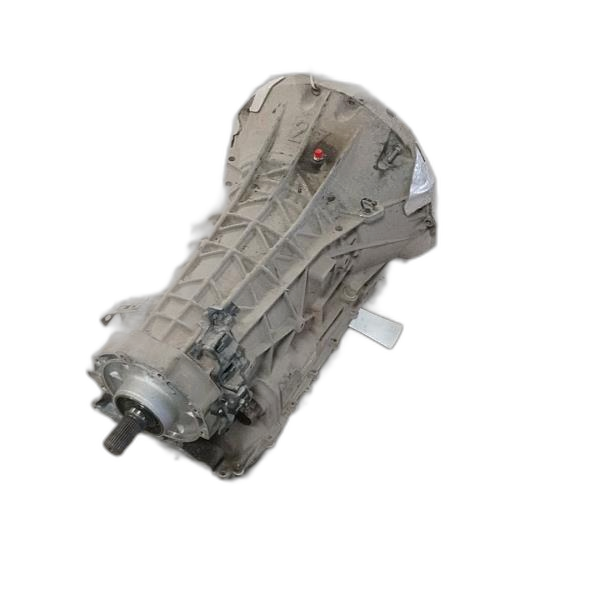
Below are the parts most often responsible for code P2700, ranked by how frequently each one is the actual culprit (per the diagnosis above). Tap any to see what we have for your vehicle.



The information in this article is provided for general reference and educational purposes only. Vehicle specifications, procedures, and part compatibility can vary by production date, trim level, and region. Always consult your vehicle's factory service manual and verify part numbers before purchasing or performing repairs. Safety-critical components such as airbags, seat belts, and braking systems should be installed by a qualified professional.
- 🧭 Diagnostic Flowchart
- 🎬 Helpful Videos
- 🛍️ Shop This Part
- What Does P2700 Mean?
- Can I Drive With P2700?
- Common Causes
- Symptoms
- Common Fixes & Costs
- DIY vs Professional
- Used vs. New Parts: Buying Guide
- What Happens If You Wait — Timeline
- Cost of Not Fixing It
- Diagnosis Steps
- When This Code Triggers (Freeze-Frame Conditions)
- Related Codes
- Climate & Environmental Factors
- How to Talk to a Mechanic About This Code
- Where to Take It: Dealer vs Independent vs Chain
- When to Walk Away From the Repair
- What Scan Tool You Need for This Code
- How to Clear the Code After You Fix It
- Will This Fail Emissions / State Inspection?
- Most Commonly Affected Vehicles
- Manufacturer-Specific Notes
- Real Owner Stories
- 2010 Ford F-250 (5R110W) with P2700 & P0751
- 2022 Ford F-150 (10R80) with harsh downshifts
- 2008 Honda CR-V with flashing 'D' light
- How to Prevent This Code From Triggering
- Frequently Asked Questions
- What is the most common misdiagnosis for P2700?
- Can a transmission 'relearn' or 'reset' procedure fix a P2700 code?
- Can a weak battery cause a P2700 code?
- Can a transmission fluid flush fix a P2700 code?
- Why did P2700 appear after a transmission fluid change?
- Is P2700 covered under a powertrain warranty?
- What does 'Friction Element A' mean?
- Key Takeaways
- 🎟️ Get 5% Off