

P2704 on 2008-2011 Land Rover Range Rover: Transmission Clutch Fault Guide
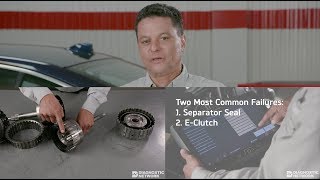
On a 2008-2011 Range Rover, code P2704 almost always points to a worn rear stator support bushing inside the ZF 6-speed automatic transmission. This causes a loss of hydraulic pressure to the 'E' clutch. The fix requires transmission removal and partial disassembly to replace the bushing and associated seals, making it a costly, professional-level repair.
- P2704 on a 2008-2011 Range Rover is a serious transmission code almost always caused by a worn rear stator support bushing inside the ZF 6HP transmission.
- The repair is labor-intensive, requiring transmission removal, and is not a typical DIY job.
- Symptoms are most common in higher gears (4-5-6) and include slipping, harsh shifts, and limp mode.
- While a fluid/filter change is a good maintenance step, it is unlikely to fix this specific code if the bushing is worn.
- This is a known issue across multiple vehicle brands that use the ZF 6HP26/28 transmission, including BMW and Jaguar.
What's Unique About the 2008-2011 Land Rover RANGE ROVER
The 2008-2011 Range Rover uses a ZF 6HP26 or 6HP28 automatic transmission. A well-documented issue with these units is premature wear of the rear stator support bushing. The sub-optimal material of the original bushing leads to wear, causing a hydraulic pressure leak that prevents the 'E' clutch from engaging in the specified time. Land Rover acknowledged this specific failure in Technical Service Bulletin (TSB) LTB00514NAS1, which directly links this worn bushing to a loss of pressure for the 'E' clutch, triggering codes like P2704. 🎬 Watch: Understanding the causes behind the P2704 error code. This isn't a random failure; it's a known weak point in this specific transmission family, affecting not just Land Rovers but also BMWs and Jaguars with the same gearbox.
Diagnostic Flowchart
Tap your situation to follow the diagnostic path that matches what you're seeing on this vehicle.
Symptoms You May Notice
- Transmission Malfunction Indicator Lamp (MIL) is on
- "Transmission Fault" message on the dashboard.
- Harsh, delayed, or slipping gear shifts, particularly into 4th, 5th, or 6th gear.
- Transmission may enter a 'limp mode' (stuck in 3rd gear) and require a restart to temporarily fix.
- A feeling of the transmission flaring or engine RPMs rising between shifts without corresponding acceleration.
- Vehicle may struggle or slip when climbing steep inclines.
- Replacing the entire transmission when only the stator bushing and seals need replacement.
- Replacing the torque converter, which is unlikely to be the root cause of an 'E' clutch apply time fault.
- Assuming a fluid and filter change will fix the problem when the underlying mechanical wear on the bushing is too significant.
Most Likely Causes
- Worn Rear Stator Support Bushing 🔴 High Probability → Shop Automatic Transmission Stator Support Gasket As documented in TSB LTB00514NAS1, the original lead-free bushing material is prone to premature wear, causing a hydraulic leak that affects the 'E' clutch. This is a widely recognized failure on the ZF 6HP family of transmissions.
How to confirm: Diagnosis requires a transmission pressure test. A more definitive, but labor-intensive, confirmation requires removing and disassembling the transmission to visually inspect the bushing for wear. An experienced technician may diagnose it based on the specific code (P2704) combined with other gear ratio codes (P0729, P0735). An air test with the valve body removed can also pinpoint the leak; it is recommended to use full shop air pressure with some fluid to reveal smaller leaks.
Typical fix: Replace the worn stator support bushing with an upgraded aftermarket version (e.g., from Sonnax) and any damaged seals. This requires transmission removal and partial teardown. While the transmission is out, it is wise to also replace other common wear items like the bridge seal and mechatronic sleeve.
Est. part cost: $20-$50 for the bushing, but often part of a larger rebuild kit. - Low or Degraded Transmission Fluid (ATF) 🟡 Medium Probability → Shop Transmission Assembly Land Rover marketed these transmissions as 'sealed for life,' leading many owners to neglect fluid changes. Old, contaminated fluid can cause a host of hydraulic issues, including poor solenoid performance and clogged passages that contribute to apply-time faults.
How to confirm: Check the transmission fluid level and condition. The fluid should be clear and not smell burnt. This is difficult as there is no dipstick; it must be checked from a fill plug on the transmission while the vehicle is level and the engine is running at a specific temperature.
Typical fix: Perform a transmission fluid and filter change using the correct ZF-LifeGuard 6 or equivalent fluid. If this doesn't resolve the issue, it often points back to a mechanical/hydraulic leak like the stator bushing.
Est. part cost: $200-$400 for fluid and a new filter pan. - Faulty Transmission Solenoid ⚪ Low Probability → Shop Transmission Assembly While less common than the bushing issue for this specific code, a shift solenoid can fail electrically or become clogged with debris from old fluid, preventing correct hydraulic pressure delivery. The 'E' clutch hydraulic circuit is controlled by the EDS 4 solenoid.
How to confirm: A technician can use a high-level scan tool to command the solenoid and monitor its response. Resistance can also be checked at the connector. The expected resistance for the pressure control solenoids (EDS) is approximately 5 Ohms at 20°C (68°F).
Typical fix: Replace the faulty solenoid. This is done by dropping the transmission pan and valve body (mechatronic unit).
Est. part cost: $50-$150 per solenoid.
Rare But Worth Checking
- Worn 'E' Clutch Pack: While the bushing is the usual cause of the pressure loss, if the vehicle was driven for an extended period with the issue, the 'E' clutch pack itself may have burned up from slipping. In this case, a full transmission rebuild would be necessary.
- Cracked or Leaking Valve Body Seals (Bridge Seal): → Shop Transmission Valve Body The valve body (mechatronic unit) uses several seals to channel hydraulic fluid. A cracked 'bridge seal' is another known failure point on ZF 6HP transmissions that can cause widespread pressure loss and shifting issues, though it's less specific to just the P2704 code.
- Cracked E-Clutch Drum: In some cases, the input shaft vibration caused by the worn stator bushing can lead to stress cracks forming at the base of the E-clutch drum where it is welded to the shaft. These cracks cause a pressure leak that may not be visible until the drum is removed and pressure tested, sometimes requiring full shop pressure to identify.
Diagnosis Steps
- Verify the code with a professional OBD-II scanner capable of reading Transmission Control Module (TCM) data.
- Check for any related Technical Service Bulletins (TSBs), specifically LTB00514NAS1.
- Check the transmission fluid level and condition. This must be done by a professional as it involves raising the vehicle and opening a fill plug with the engine running at a specific temperature (typically 30-50°C).
- If fluid is low or degraded, perform a fluid and filter service. Clear codes and re-test. This is a good first step but may not be a permanent fix.
- If the code returns, suspect a hydraulic leak. An advanced diagnostic step is to remove the valve body and use compressed air to test the E-clutch circuit for leaks, which would confirm a bad bushing or seal without full transmission removal. It is recommended to use high shop pressure (not just 35 PSI) and some fluid to reveal hairline cracks.
- If pressure tests or the air test indicate a leak in the 'E' clutch circuit, the transmission must be removed for inspection and replacement of the rear stator support bushing and the 'E' clutch pack itself.
Parts You'll Likely Need
- Rear Stator Support Bushing — This is the most common point of failure leading to P2704, as confirmed by a manufacturer TSB and extensive owner experiences.
Trusted brands: Sonnax (Part #95030-01 or #95030-02, depending on shaft size)
OEM price range: N/A (Typically not sold separately by Land Rover)
Aftermarket price range: $20-$50 - Transmission Pan and Filter Assembly
(OEM #LR007474)— Must be replaced during any fluid service or internal repair.
Trusted brands: ZF, Vaico
OEM price range: $150-$250
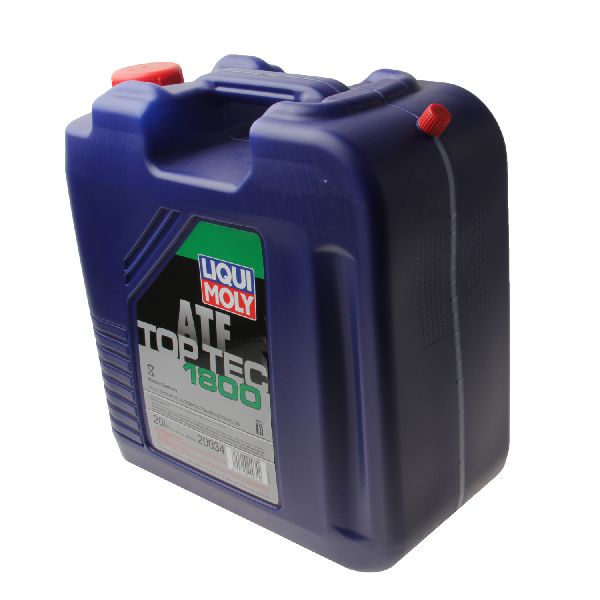
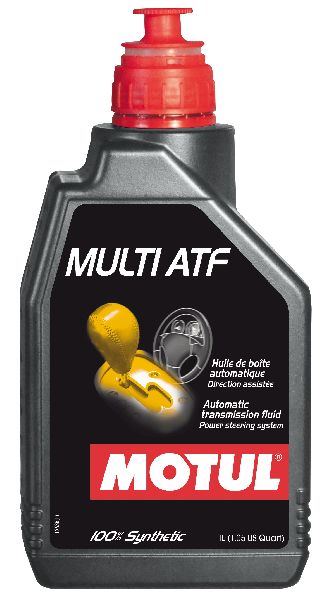
Aftermarket price range: $80-$150 - ZF-LifeGuard 6 Automatic Transmission Fluid — The correct fluid is required for any service. Approximately 7-9 liters will be needed for a pan drop and refill.
Trusted brands: ZF (OEM), Liqui Moly Top Tec 1800, Pentosin ATF 1
OEM price range: $25-$35 per liter
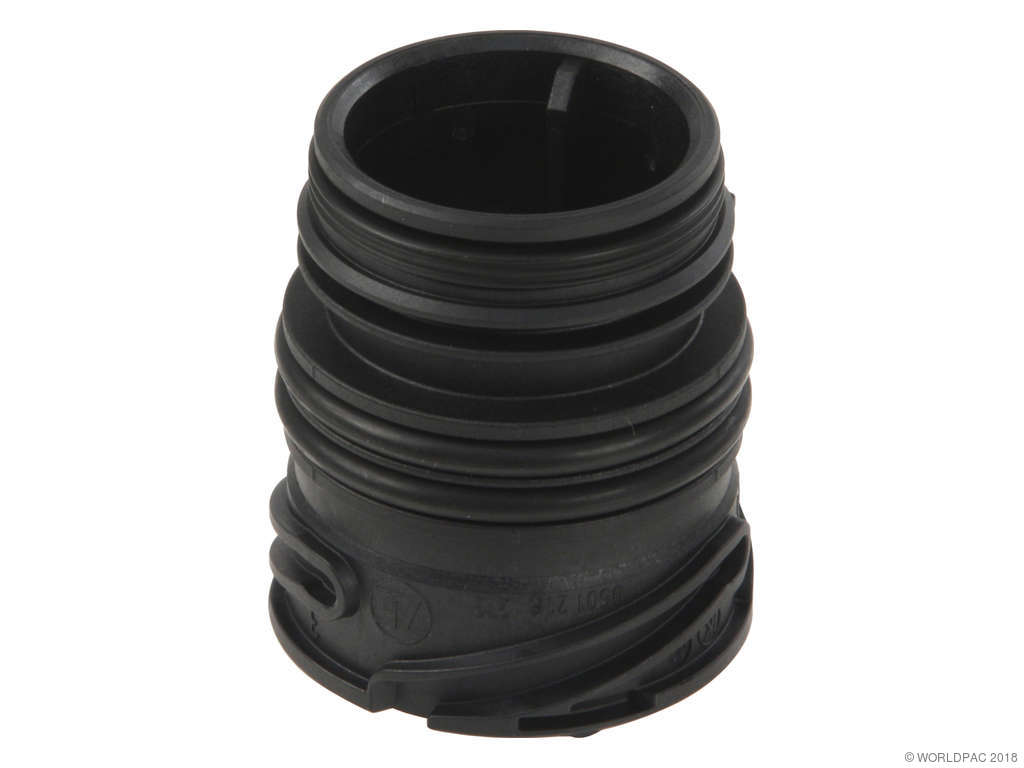
Aftermarket price range: $15-$25 per liter - Transmission Mechatronic Sealing Sleeve
(OEM #TZV500010)— This is a very common leak point on the ZF 6HP transmission and should be replaced any time the pan is off to prevent future leaks.
Trusted brands: ZF, Vaico
OEM price range: $20-$30
Aftermarket price range: $10-$20 - Valve Body to Case Seal Kit (Bridge Seal & Tube Seals)
(OEM #Part of kit FF017794)— These seals, especially the figure-8 'bridge seal', are known to crack and harden over time, causing pressure loss. It is highly recommended to replace them when the valve body is removed.
Trusted brands: ZF (Genuine)
OEM price range: $40-$80 for the kit
Related Codes That Often Appear With This One
- P0729 — Incorrect 6th Gear Ratio
- P0735 — Incorrect 5th Gear Ratio
- P0734 — Incorrect 4th Gear Ratio, as the E-clutch is involved in gears 4, 5, and 6.
- P2702 — Transmission Friction Element 'C' Apply Time Range/Performance
- P2703 — Transmission Friction Element 'D' Apply Time Range/Performance
Technical Service Bulletins (TSBs) & Recalls
- LTB00514NAS1: Transmission MIL illuminated with DTCs P0729-P0735, P0783, and P2702-P2704 stored, caused by a worn stator bush.
Platform-Specific Known Issues
- TSB LTB00514NAS1 directly addresses this code, stating the cause is likely 'wear of the stator lead-free bush causing a loss of pressure'.
- Owner forums consistently point to the stator bushing as the root cause, with many users successfully fixing the P2704 code by replacing it, often after a simple fluid change failed to solve the problem.
Mechanic-Grade Diagnostic Values
- Resistance of EDS (Pressure Control) Solenoids — expected: Approximately 5 Ohms at 20°C (68°F).. Failure: A reading significantly higher or lower than 5 Ohms, or an open circuit, indicates a failed solenoid coil.
- Valve Body to Case Bolt Torque — expected: 8 Newton-meters.. Failure: Loose bolts can cause hydraulic cross-leaks between circuits, while over-tightening can damage the case or valve body.
- E-Clutch Air Test Pressure — expected: The circuit should hold pressure with no audible leaks.. Failure: An audible hiss of escaping air indicates a leak. While 35 PSI is often used, it is recommended to use full shop air pressure to identify hairline cracks in the drum or worn seals that may only leak under higher pressure.
Scan Tool Commands That Help
- Land Rover SDD, iCarsoft LR series, or equivalent: Adaptation Clear / Reset Transmission Adaptations — This function should be performed after any major transmission repair, such as replacing the valve body, solenoids, or internal components, or after a fluid change. It erases the learned clutch apply pressures and forces the TCM to start a new re-learning process. A re-learn drive cycle, involving gentle acceleration and coasting through all gears, is critical after the reset. Note: This will not fix a mechanical or major hydraulic fault like a worn bushing.
Wiring & Ground Locations
- Main Chassis-to-Body Earth — Under the front right (passenger side for US models) wheel arch, behind the plastic liner.. While not directly linked to the P2704 code, this is a critical ground point for the vehicle's entire electrical system. Corrosion or looseness at this point can cause a wide range of seemingly unrelated electrical faults, including communication errors with the TCM or incorrect sensor readings due to unstable voltage. Ensuring this ground is clean and tight is a crucial first step in diagnosing any complex electrical issue on an L322 Range Rover.
- Transmission Control Module (TCM) — The TCM for the ZF 6HP26/28 is integrated into the valve body assembly, which is located inside the transmission oil pan. This unit is often called the 'Mechatronic'.. Because the TCM is located inside the transmission, it is not susceptible to external wiring chafe, but it is vulnerable to high temperatures and contaminated fluid. All solenoid and sensor wiring is internal to the transmission, terminating at the main case connector.
Real Owner Repair Stories
- Forum user report (2010 Range Rover) — Dashboard message 'Gear Box fault', transmission would not select gears until the vehicle was turned off and restarted.
❌ Tried (didn't work) The user's initial step was diagnosis, which revealed the P2704 code.
✅ What actually fixed it The user was advised by others that the fault points to the known stator bushing and E-clutch issue, requiring transmission removal and rebuild of the affected components, consistent with the TSB.
OEM Part Supersession History
Sonnax 95030-01→Sonnax 95030-02— Both are upgraded, steel-backed bimetal alloy bushings designed to replace the failure-prone OE bushing. The primary difference is the shaft diameter they are designed for.
Heads up: Sonnax 95030-01 is for a shaft diameter of 1.180" (29.96mm). Sonnax 95030-02 also fits a 1.180" shaft diameter. It appears these may be kit variations or minor updates rather than a direct supersession for a different size. It is critical to measure the input shaft journal to ensure the correct bushing is ordered, though for the 6HP26/28, the 1.180" diameter is standard.
Model Year Variations Within This Range
- 2008-2009 vs 2010-2011: The 2008-2009 models primarily used the ZF 6HP26 transmission, while the 2010-2011 models received the updated ZF 6HP28. While internally very similar, the 6HP28 featured improvements for faster shifting and better efficiency. However, both versions are susceptible to the same stator support bushing failure that causes code P2704.
Helpful Videos

We Have This Part in Stock



The information in this article is provided for general reference and educational purposes only. Vehicle specifications, procedures, and part compatibility can vary by production date, trim level, and region. Always consult your vehicle's factory service manual and verify part numbers before purchasing or performing repairs. Safety-critical components such as airbags, seat belts, and braking systems should be installed by a qualified professional.
- Land Rover RANGE ROVER:
- 🧭 Diagnostic Flowchart
- 🎬 Helpful Videos
- 🛍️ Shop This Part
- What's Unique About the 2008-2011 Land Rover RANGE ROVER
- Symptoms You May Notice
- Most Likely Causes
- Rare But Worth Checking
- Diagnosis Steps
- Parts You'll Likely Need
- Related Codes That Often Appear With This One
- Technical Service Bulletins (TSBs) & Recalls
- Platform-Specific Known Issues
- Mechanic-Grade Diagnostic Values
- Scan Tool Commands That Help
- Wiring & Ground Locations
- Real Owner Repair Stories
- OEM Part Supersession History
- Model Year Variations Within This Range
- 🎟️ Get 5% Off