

P2705 on 2020-2023 Ford TRANSIT: Transmission Friction Element 'F' Failure Guide
P2705 on a 2020-2023 Ford Transit indicates a problem with the transmission's internal hydraulic controls, specifically a slow clutch application. This is very often caused by a faulty main control valve body or a related internal component failure (CDF clutch cylinder), a known issue documented in multiple Ford Technical Service Bulletins. This is not a DIY repair and typically requires professional service involving transmission disassembly.
- P2705 on a 2020-2023 Ford Transit is a serious transmission code, but it points to a very specific and known issue.
- The most probable cause is a faulty main control valve body, as documented in multiple Ford TSBs.
- Do not be surprised if multiple other transmission codes are stored along with P2705; this is characteristic of the valve body problem.
- This is not a simple DIY fix. Professional diagnosis and repair are strongly recommended.
- The repair involves replacing the valve body, not necessarily the entire transmission, which can save significant cost.
What's Unique About the 2020-2023 Ford TRANSIT
For the 2020-2023 Ford Transit, which uses the 10R80 10-speed transmission, code P2705 is rarely an isolated issue. It is part of a large cluster of transmission-related codes that Ford has addressed in multiple Technical Service Bulletins (TSBs). While early TSBs pointed to sticking valves in the main control valve body, later bulletins like TSB 24-2254 identify a more specific root cause: 'axial movement of the CDF clutch cylinder sleeve causing hydraulic circuit leaks'. This means an internal transmission drum component can shift, causing a loss of hydraulic pressure that prevents clutches from applying correctly. This makes a systemic internal hydraulic leak the primary suspect, rather than a simple solenoid or wiring fault.
Diagnostic Flowchart
Tap your situation to follow the diagnostic path that matches what you're seeing on this vehicle.
Symptoms You May Notice
- Harsh, erratic, or delayed shifts.
- Transmission slipping between gears.
- Vehicle entering 'limp mode', with reduced power and limited gears.
- Illuminated Malfunction Indicator Lamp (Check Engine Light) or Wrench Light.
- Delayed engagement when shifting from Park to Drive or Reverse.
- A noticeable lurch or clunk during shifts.
- Replacing a single shift solenoid. While a solenoid can fail, the TSBs for the Transit point to a systemic issue with the entire valve body or the CDF drum, so replacing just one part often doesn't resolve the root cause.
- Assuming the transmission is completely failed. While serious, a valve body or CDF drum replacement is a less intensive and costly repair than a full transmission rebuild or replacement, though it is still a major repair.
- Blaming only software. While a PCM/TCM reflash is often a first step recommended by Ford, for persistent codes like P2705, it is usually indicative of an underlying mechanical or hydraulic failure that software cannot fix.
Most Likely Causes
- Sticking Valves in the Main Control Valve Body or Faulty CDF Clutch Cylinder 🔴 High Probability → Shop Transmission Valve Body This is a well-documented issue across the 10R80 transmission platform. 🎬 Watch: Learn about common failures across the 10R80 platform. TSB 21-2377 first cited 'sticking valves in the main control valve body'. Later, TSB 24-2254 specified 'axial movement of the CDF clutch cylinder sleeve causing hydraulic circuit leaks' as a primary cause for a group of codes including P2705. This indicates a design or manufacturing flaw in internal components.
How to confirm: A technician will use a high-level scan tool to monitor transmission solenoid commands and clutch apply times. The presence of multiple timing and gear ratio codes (P0729, P2700-P2708, etc.) strongly suggests this known issue. The procedure in TSB 24-2254 involves verifying hydraulic circuit leakage to confirm a faulty CDF clutch cylinder.
Typical fix: Replacement of the main control valve body and/or the CDF clutch cylinder assembly. The latter requires more significant transmission disassembly.
Est. part cost: $600-$1500 - Low or Contaminated Transmission Fluid 🟡 Medium Probability → Shop Transmission Assembly The 10R80 transmission is sensitive to fluid condition and level. It requires a specific fluid, Motorcraft MERCON ULV. Using the wrong fluid or running it low can cause shifting problems and accelerate wear. Internal component wear (like the CDF drum issue) can also contaminate the fluid with debris.
How to confirm: Check the transmission fluid level and condition according to the manufacturer's procedure. Fluid that is dark, has a burnt smell, or contains metallic debris indicates a problem.
Typical fix: Perform a transmission fluid and filter change with Motorcraft MERCON ULV. If the fluid is heavily contaminated, it's a symptom of a larger internal problem (like the valve body or CDF drum) that must be addressed.
Est. part cost: $150-$300 - Faulty Transmission Control Module (TCM) ⚪ Low Probability → Shop Transmission Assembly
How to confirm: This is typically a diagnosis of exclusion. If the valve body, CDF drum, wiring, and fluid are all confirmed to be good, the TCM may be at fault. A technician will check for communication errors with the TCM and may attempt a software reflash first.
Typical fix: Reprogramming or, if that fails, replacement and programming of the Transmission Control Module. The TCM is often integrated with the valve body assembly.
Est. part cost: $800-$1500
Rare But Worth Checking
- Worn Internal Clutch Pack 'F': While less common than the valve body/CDF drum issue, if the fluid is found to be full of clutch material, it indicates a mechanical failure of the friction plates themselves, requiring a full transmission rebuild or replacement.
- Damaged Wiring Harness or Connectors: Physical damage to the transmission harness can cause erratic signals. This should be checked early in the diagnosis but is less likely than the internal hydraulic fault on this platform.
Diagnosis Steps
- Verify the presence of P2705 and any other codes using an OBD-II scanner. Note if a wrench light is present.
- Check the transmission fluid level and condition. The fluid should be at the correct level, red in color, and free of debris or a burnt smell. The correct fluid is MERCON ULV.
- Inspect the transmission wiring harness and connectors for any signs of damage, corrosion, or contamination.
- Using an advanced scan tool (like Ford's IDS or FORScan), monitor real-time transmission data, specifically looking at the commanded states vs. actual apply times for the various clutch packs. 🎬 See a professional diagnostic process for harsh shifting issues.
- Review the list of stored codes. If multiple codes from the list in the Ford TSBs (e.g., P0729, P2700-P2708) are present, the main control valve body or CDF clutch cylinder is the most likely culprit.
- Consult Ford TSBs 22-2428 and 24-2254. These bulletins provide the specific diagnostic path for this cluster of codes.
- If diagnostic data points to a hydraulic control issue, the next step is to remove the transmission pan to inspect for debris and access the valve body for testing or replacement, and potentially perform the hydraulic leak test for the CDF drum as outlined in TSB 24-2254.
Parts You'll Likely Need
- Transmission Main Control Valve Body
(OEM #JL3Z-7A100-C (supersedes JL3Z-7A100-A), FL3Z-7A100-E)— This is the most common cause of P2705 and related codes on this vehicle, as documented in Ford TSBs. Part number can vary by specific model year and build date. 🎬 Watch: A step-by-step walkthrough of the valve body replacement.
Trusted brands: Motorcraft
OEM price range: $700-$1300
Aftermarket price range: $500-$900 - CDF Clutch Cylinder
(OEM #7H351 (basic part number))— Identified in TSB 24-2254 as a root cause due to axial movement causing hydraulic leaks. Replacement requires significant transmission disassembly.
Trusted brands: Motorcraft
OEM price range: $100-$250 - Automatic Transmission Fluid
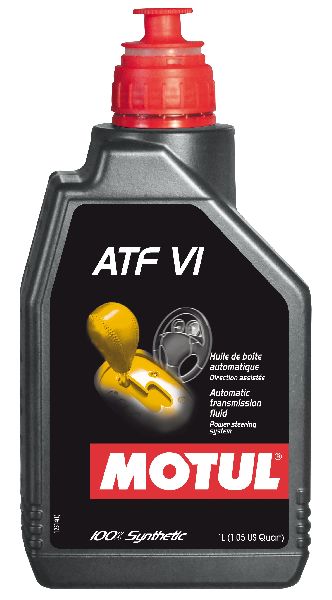
(OEM #Motorcraft MERCON ULV (XT-12-QULV))— Required when replacing the valve body or servicing the transmission. The 10R80 specifically requires this Ultra-Low Viscosity fluid.
Trusted brands: Motorcraft
OEM price range: $20-$30 per quart
Aftermarket price range: $15-$25 per quart - Transmission Filter and Pan Gasket
(OEM #HL3Z-7A098-A (Filter), HL3Z-7A191-B (Gasket))— Should be replaced any time the transmission pan is removed for service.
Trusted brands: Motorcraft
OEM price range: $50-$100
Aftermarket price range: $30-$70
Related Codes That Often Appear With This One
- P0729 — Incorrect Gear Ratio (Gear 6)
- P0731 — Incorrect Gear Ratio (Gear 1)
- P2700 — Transmission Friction Element 'A' Apply Time
- P2701 — Transmission Friction Element 'B' Apply Time
- P2702 — Transmission Friction Element 'C' Apply Time
- P2703 — Transmission Friction Element 'D' Apply Time
- P2704 — Transmission Friction Element 'E' Apply Time
- P0751 — Shift Solenoid 'A' Performance/Stuck Off
Technical Service Bulletins (TSBs) & Recalls
- TSB 21-2377: Addresses numerous transmission DTCs, including P2705, and points to sticking valves in the main control valve body.
- TSB 22-2428: Supersedes previous TSBs and lists P2705 among many other DTCs related to harsh/delayed shifts, attributing the cause to software, valve body issues, or the CDF clutch cylinder sleeve.
- TSB 24-2254: Further refines the diagnosis for vehicles built before mid-August 2022, focusing on the axial movement of the CDF clutch cylinder sleeve as the primary mechanical fault.
- TSB 26-2046: Another bulletin grouping P2705 with a large set of transmission fault codes.
Platform-Specific Known Issues
- Multiple Ford Technical Service Bulletins (TSB 21-2377, TSB 22-2428, TSB 24-2254) have been issued for the 2020-2023 Transit concerning a wide range of transmission codes, including P2705. TSB 21-2377 explicitly identifies 'sticking valves in the main control valve body' as a potential cause.
- TSB 24-2254 updates previous guidance, pointing to 'axial movement of the CDF clutch cylinder sleeve' as a more specific root cause for hydraulic leaks leading to these codes. This indicates a known mechanical failure point within the transmission drum assembly.
Mechanic-Grade Diagnostic Values
- Shift Solenoids A-F Resistance — expected: 16-45 Ohms (Note: This is a general value for older Ford transmissions, 10R80 values may differ but serve as a baseline). Failure: Resistance outside of the expected range, or an open/short circuit.
- Pressure Control (PC) Solenoids Resistance — expected: 3.3-7.5 Ohms (Note: This is a general value for older Ford transmissions, 10R80 values may differ but serve as a baseline). Failure: Resistance outside of the expected range.
- Turbine/Output Speed Sensor Resistance — expected: 325-485 Ohms @ 70°F (Note: This is a general value for older Ford transmissions, 10R80 values may differ but serve as a baseline). Failure: Resistance outside of this range indicates a faulty sensor.
Scan Tool Commands That Help
- Ford IDS or FORScan: Clear Transmission Adaptive Tables / Reset KAM — This must be performed after replacing the valve body, solenoids, or the entire transmission. It erases the learned shift patterns and forces the TCM to relearn clutch fill times and pressures with the new components. Failure to do this can result in continued poor shift quality even after the repair.
- Ford IDS or FORScan: Transmission Adaptive Learning Drive Cycle — Immediately after clearing the adaptive tables, a specific drive cycle must be performed to allow the TCM to properly learn the new components. This involves a sequence of light accelerations, stops, and shifting between Drive, Neutral, and Reverse.
- Ford IDS: Transmission Strategy Download — This is required when a new main control valve body (which includes the TCM) is installed. The scan tool downloads the correct software and calibration file (based on the 13-digit solenoid body strategy number) to the new module. Failure to match the strategy number can cause severe drivability issues or transmission damage.
Wiring & Ground Locations
- C175T — This is a main connector for the Powertrain Control Module (PCM).. This connector contains the pins for critical transmission sensors, including the Turbine Shaft Speed (TSS) sensor, Output Shaft Speed (OSS) sensor, and Transmission Fluid Temperature (TFT) sensor. A poor connection or corrosion at these specific pins can cause erratic data and trigger various transmission codes.
- Interior Fuse Panel — Located under the steering wheel, behind the knee bolster on 2020-2021 Ford Transit models.. This panel contains fuses that supply power to various control modules. While a blown fuse is not a direct cause of P2705, checking for power supply issues to the PCM/TCM is a fundamental diagnostic step.
- High Current Battery Junction Box — Located near the vehicle's battery, typically under the driver's seat.. This box contains master fuses for high-power systems. A failure here can cause a no-start and a loss of communication with multiple modules, including the PCM/TCM.
Real Owner Repair Stories
- Reddit user on r/f150 (2019 Ford F-150 Lariat 2.7L (10R80 Transmission)) — Delayed engagement when shifting from Park to Drive or Reverse (2-3 second delay). Also had previous harsh upshift/downshift issues.
❌ Tried (didn't work) A previous repair attempt involved a reflash and swapping some parts per a TSB, which did not resolve the issue long-term.
✅ What actually fixed it The delayed engagement was fixed by replacing the CDF drum. However, 900 km later, the truck developed a very hard shift into 3rd gear. The dealer then replaced the main valve body assembly to resolve the new shifting issue.
OEM Part Supersession History
JL3Z-7A100-A→JL3Z-7A100-C— Supersession due to design updates or revisions for the main control valve body assembly.
Heads up: When replacing the valve body, it is critical to use the correct part for the vehicle's specific configuration (e.g., column shift vs. electronic shift) and to perform the Transmission Strategy Download to program the new module.Original CDF Clutch Cylinder/Drum→Updated CDF Clutch Cylinder/Drum— The original design allowed an internal sleeve to slide, uncovering hydraulic passages and causing pressure loss.
Heads up: The updated part features a machined lip on the inner half of the drum that physically prevents the sleeve from moving, providing a permanent fix for the hydraulic leak issue.
Model Year Variations Within This Range
- 2020 - Mid-2022: Vehicles built on or before August 15, 2022, are more susceptible to the CDF clutch cylinder sleeve movement issue as identified in TSB 24-2254. Later models are more likely to have the updated drum from the factory.
- 2021+: Starting in 2021, Ford eliminated the 'gain control valve' from some 10R80 valve bodies. This valve was intended to allow for finer control of clutch pressures at low loads but was never implemented in GM's version and was later removed by Ford.
Helpful Videos


We Have This Part in Stock


The information in this article is provided for general reference and educational purposes only. Vehicle specifications, procedures, and part compatibility can vary by production date, trim level, and region. Always consult your vehicle's factory service manual and verify part numbers before purchasing or performing repairs. Safety-critical components such as airbags, seat belts, and braking systems should be installed by a qualified professional.
- Ford TRANSIT:
- 🧭 Diagnostic Flowchart
- 🎬 Helpful Videos
- 🛍️ Shop This Part
- What's Unique About the 2020-2023 Ford TRANSIT
- Symptoms You May Notice
- Most Likely Causes
- Rare But Worth Checking
- Diagnosis Steps
- Parts You'll Likely Need
- Related Codes That Often Appear With This One
- Technical Service Bulletins (TSBs) & Recalls
- Platform-Specific Known Issues
- Mechanic-Grade Diagnostic Values
- Scan Tool Commands That Help
- Wiring & Ground Locations
- Real Owner Repair Stories
- OEM Part Supersession History
- Model Year Variations Within This Range
- 🎟️ Get 5% Off