

P2707 on 2020-2023 Ford Explorer: Shift Solenoid 'F' Causes and Fixes
P2707 on a 2020-2023 Explorer indicates a problem with Shift Solenoid 'F', often causing harsh or delayed shifts. The most common cause is an issue within the transmission's main control valve body, a known problem covered by multiple Ford Technical Service Bulletins (TSBs). Repair typically involves replacing the main control valve body assembly, and in some cases, the CDF clutch cylinder.
- P2707 on a 2020-2023 Explorer is a serious transmission code indicating a fault with Shift Solenoid 'F'.
- The cause is very likely a known issue documented by Ford in multiple Technical Service Bulletins (TSBs).
- The most common fixes involve replacing the entire main control valve body or, in some cases, an internal component called the CDF clutch cylinder.
- This is not a simple DIY repair; it requires professional diagnosis and specialized tools.
- Do not simply replace the individual solenoid; the problem is usually more complex within the valve body assembly.
What's Unique About the 2020-2023 Ford EXPLORER

The 2020-2023 Explorer uses the Ford 10R60 or 10R80 10-speed automatic transmission, which has widely documented issues. Multiple, often-superseded Technical Service Bulletins (TSBs) point directly to systemic internal transmission problems 🎬 Watch: A breakdown of Ford's harsh shifting TSBs rather than an isolated solenoid failure. The two most prominent documented failures are sticking valves within the main control body and axial movement of the CDF clutch cylinder sleeve, which causes internal hydraulic leaks. This means the problem is often not just a single bad solenoid but a more complex and expensive issue with the valve body or other internal hydraulic circuits, a fact corroborated by numerous owner complaints and repair stories.
Diagnostic Flowchart

Tap your situation to follow the diagnostic path that matches what you're seeing on this vehicle.
Symptoms You May Notice

- Harsh or abrupt shifts between gears, sometimes described as a 'clunk' or feeling like being rear-ended
- Delayed gear engagement, especially when shifting from Park to Drive or Reverse
- Transmission slipping or hesitating between gears
- Check Engine Light or Malfunction Indicator Lamp (MIL) is on
- Vehicle enters 'limp mode' with limited gear availability
- Increased fuel consumption
- Inability to engage a gear, vehicle will not move
- Replacing only a single shift solenoid. While the code points to solenoid 'F', the root cause on this platform is often a systemic issue with the valve body or other internal components, as documented in Ford's TSBs. Furthermore, individual solenoids have specific 'band numbers' that must match the original, and the PCM must be reprogrammed with the correct solenoid strategy, making a simple swap ineffective.
- Attributing the issue to 'bad driving' or 'normal characteristics'. Many owners report being told by dealers that the harsh shifting is normal until the issue becomes severe and sets codes.
Most Likely Causes

- Sticking Valves in Main Control Valve Body 🔴 High Probability → Shop Transmission Valve Body Ford TSBs 22-2428 and 20-2403 specifically identify sticking valves in the main control valve body as a primary cause for this and a host of related codes on the 10R60/10R80 transmission. This is attributed to either manufacturing defects or an incompatibility of the adaptive learning software with hardware break-in over time.
How to confirm: A technician will use a Ford-specific diagnostic scan tool (FDRS) to check for codes. The first step is often to perform a PCM/TCM software update and an adaptive learning drive cycle. If the issue persists, this points strongly to a mechanical fault in the valve body.
Typical fix: Replacement of the main control valve body assembly. The OEM part is often on backorder, and some owners have opted for aftermarket solutions. The repair involves draining the fluid, dropping the pan, replacing the valve body 🎬 See this walkthrough of the valve body replacement process, and performing a lengthy adaptive learning procedure and solenoid strategy programming.
Est. part cost: $500-$1500 - Faulty CDF Clutch Cylinder Sleeve 🟡 Medium Probability → Shop Automatic Transmission Coast Clutch Hub Ford TSB 24-2254 points to axial movement (walking) of the CDF clutch cylinder sleeve causing internal hydraulic leaks, which can trigger P2707 among other codes. This is a known design or manufacturing issue in some 10R80 transmissions built on or before August 15, 2022. The sleeve can slide out of position, exposing fluid ports and causing pressure loss.
How to confirm: This requires internal transmission inspection and pressure/vacuum testing of specific hydraulic circuits as outlined in TSB 24-2254. This is a labor-intensive diagnosis that occurs after the valve body has been ruled out or replaced.
Typical fix: Replacement of the CDF clutch cylinder (part number 7H351). This is a significant internal transmission repair requiring teardown. Ford has reportedly updated the drum design with a machined lip to prevent the sleeve from moving. 🎬 Watch: Understanding the CDF hub failure and the fix
Est. part cost: $200-$400 - Low or Contaminated Transmission Fluid ⚪ Low Probability → Shop Transmission Assembly While not specific to this platform, low fluid levels reduce hydraulic pressure, preventing solenoids from actuating correctly. The 10R80 transmission is very sensitive to fluid level and requires only Motorcraft ULV fluid. Some owners have reported transmission fluid leaks from coolers or seals.
How to confirm: Check the transmission fluid level and condition according to the manufacturer's procedure. The 10-speed transmission does not have a traditional dipstick, so this must be done from under the vehicle by a technician.
Typical fix: Perform a transmission fluid and filter change using the correct Motorcraft ULV fluid. Address any leaks found. This is often done in conjunction with other repairs.
Est. part cost: $150-$300
Rare But Worth Checking
- Wiring Harness Issue: Damage to the wiring harness leading to or inside the transmission can cause a loss of signal to the solenoid. One owner on an Explorer ST forum reported solving persistent shifting issues, after a full transmission replacement failed to fix the problem, by finding the harness was routed too close to the exhaust, causing heat-related connection issues. Securing the harness and reseating the pins at the transmission and PCM connectors resolved the fault.
- Faulty Powertrain Control Module (PCM) or Transmission Control Module (TCM): → Shop Transmission Assembly In rare cases, the control module itself can fail, but all other potential causes, especially the known TSB-related issues, should be ruled out first. Often, a PCM/TCM software update is the first attempted fix.
Diagnosis Steps
- Verify the code with a professional OBD-II scanner. Note any other accompanying transmission codes.
- Check for any applicable Technical Service Bulletins (TSBs) for the vehicle's VIN. Specifically, look for TSB 22-2428 (valve body) and TSB 24-2254 (CDF clutch cylinder).
- Using a dealer-level scan tool (like Ford FDRS), perform a PCM/TCM software update to the latest calibration, as this is a required first step in many TSBs.
- Using the scan tool, check the solenoid 'band numbers' to identify the specific calibrated solenoids installed. This is critical if individual solenoid replacement is considered.
- Perform the 'Clear Transmission Adaptive Tables' service function, followed immediately by the specific multi-step adaptive learning drive cycle as specified by Ford.
- Check the transmission fluid level and condition. This must be done by a qualified technician as there is no dipstick.
- Inspect the transmission wiring harness and connectors for any visible damage, corrosion, or loose connections, paying special attention to routing near heat sources like the exhaust.
- If symptoms persist, diagnosis per TSB 22-2428 points towards replacing the main control valve body. This requires reprogramming the PCM with the new valve body's 13-digit solenoid strategy number.
- If TSB 24-2254 applies (based on build date), a technician will need to perform internal hydraulic circuit leak testing with specialized tools to check the CDF clutch cylinder.
- If the valve body and CDF clutch are confirmed to be good, individual solenoid resistance can be tested. The expected value for all 10R80 solenoids is 5.0-5.4 Ohms at 68°F (20°C).
Parts You'll Likely Need
- Main Control Valve Body Assembly
(OEM #L1MZ-7A100-F (replaces L1MZ-7A100-B); L1MZ-7A100-C (for 3.3L Hybrid))— This is the most common fix recommended by Ford TSBs for a wide range of shifting issues, including code P2707, due to internal sticking valves.
Trusted brands: Motorcraft
OEM price range: $600-$1500
Aftermarket price range: $600-$1200 - CDF Clutch Cylinder
(OEM #7H351 (partial number))— A known issue documented in TSB 24-2254 involves this part causing hydraulic leaks, leading to shifting problems. The repair involves replacing the entire drum assembly.
Trusted brands: Motorcraft
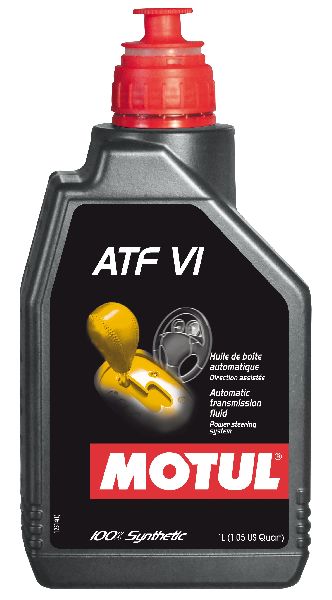
OEM price range: $200-$400 - Automatic Transmission Fluid and Filter Kit — Fluid (Motorcraft MERCON ULV) and filter must be replaced any time the valve body is serviced or internal repairs are performed.
Trusted brands: Motorcraft
OEM price range: $150-$250
Aftermarket price range: $100-$200
Related Codes That Often Appear With This One
- P0751, P0756, P0761, P2700-P2705, etc. — These are all codes related to other shift solenoids (A, B, C, etc.) and gear ratio errors. Ford TSBs list P2707 in a large group of over 20 different DTCs that all point to the same root causes: a faulty main control valve body or a defective CDF clutch cylinder sleeve.
- P0772 — This code for 'Shift Solenoid E Stuck On' has been reported by owners with similar symptoms, sometimes leading to a complete transmission replacement recommendation from the dealer.
Technical Service Bulletins (TSBs) & Recalls
- TSB 22-2428: Supersedes multiple earlier TSBs. Addresses harsh/delayed shifts and a large group of DTCs including P2707. Points to software, valve body, or CDF clutch cylinder sleeve issues.
- TSB 24-2254: Specifically addresses harsh/delayed shifts and DTCs including P2707 due to axial movement of the CDF clutch cylinder sleeve causing hydraulic leaks in vehicles built on or before August 15, 2022.
- TSB 20-2403: An earlier bulletin that specifically mentioned P2707 and pointed to sticking valves in the main control valve body.
- TSB 21-2357 / 23-2123: Other superseded bulletins that group P2707 with many other codes, all pointing to the same common failures of the valve body or internal wear.
Platform-Specific Known Issues
- Ford has issued a cascade of superseded Technical Service Bulletins for the 10R60/10R80 transmission. TSB 22-2428 consolidates several previous bulletins and points to sticking valves in the main control valve body as a primary cause for P2707 and many other codes.
- TSB 24-2254 identifies a different potential cause: axial movement of the CDF clutch cylinder sleeve causing hydraulic leaks in transmissions built on or before August 15, 2022. This requires a more invasive diagnosis and repair.
- Owner forums are filled with complaints about the 10-speed transmission's behavior, ranging from intermittent harsh shifts to complete failure, often just outside of the powertrain warranty period.
Mechanic-Grade Diagnostic Values
- Shift Solenoid Resistance — expected: 5.0 - 5.4 Ω at 20°C (68°F). Failure: A reading outside of this range indicates a faulty solenoid coil.
Scan Tool Commands That Help
- Ford IDS/FDRS, FORScan: Clear Transmission Adaptive Tables / Reset KAM — This function is used to erase the transmission's learned shift patterns. It is a required first step before performing the adaptive learning drive cycle after a software update or mechanical repair like a valve body replacement.
- Ford IDS/FDRS: Transmission Characterization / Solenoid Identification — This function reads the factory-calibrated 'band number' (1-5) of each individual solenoid without disassembly. This is critical for ensuring a replacement solenoid matches the required specification.
- Ford IDS/FDRS: Module Programming > Programmable Parameters > Transmission — This is a mandatory procedure after replacing the valve body or transmission. The technician must manually enter the 13-digit Solenoid Body Strategy and 12-digit Solenoid Body ID from the new part into the PCM/TCM. Failure to do so will result in poor shifting and potential transmission damage.
Wiring & Ground Locations
- AWD Module Ground — Under the driver's seat, beneath the carpet. The module is grounded via its mounting studs to the vehicle body.. While not directly for the transmission, a known issue on 2019-2021 Explorers is a poor ground at this location due to paint on the mounting studs. This can cause various intermittent electronic faults. It serves as a prime example of how a seemingly unrelated, poor ground can cause difficult-to-diagnose problems on this platform. Checking major powertrain-related grounds for integrity is a valid diagnostic step when symptoms are intermittent.
Real Owner Repair Stories
- Explorer ST Forum (2021 Explorer with 11k miles) — Harsh downshifting.
❌ Tried (didn't work) The dealer replaced the main control valve body assembly and performed an adaptive learning drive cycle. The problem seemed fixed initially but returned shortly after.
✅ What actually fixed it The original poster was taking it back to the dealer. Another user in the same thread with a 2020 model went through the same process, and the dealer ultimately found metal shavings when the valve body was pulled, leading to a complete transmission replacement. - Explorer ST Forum (2020 Explorer ST with ~55k miles, not tuned.) — Harsh shifting and other issues.
❌ Tried (didn't work) Initial diagnosis pointed to a valve body issue.
✅ What actually fixed it The dealer ordered a new valve body separator plate to fix the issue.
OEM Part Supersession History
L1MZ-7A100-B→L1MZ-7A100-F— Updated part to address issues with sticking valves in the main control body.
Heads up: The new part is a direct replacement, but requires mandatory PCM/TCM programming of the new solenoid strategy to function correctly.
Model Year Variations Within This Range
- Vehicles built on or before August 15, 2022: These vehicles may be prone to the CDF clutch cylinder sleeve 'walking' out of position, causing hydraulic leaks as per TSB 24-2254. Later models are presumed to have an updated drum design to prevent this.
Helpful Videos


We Have This Part in Stock


The information in this article is provided for general reference and educational purposes only. Vehicle specifications, procedures, and part compatibility can vary by production date, trim level, and region. Always consult your vehicle's factory service manual and verify part numbers before purchasing or performing repairs. Safety-critical components such as airbags, seat belts, and braking systems should be installed by a qualified professional.
- Ford EXPLORER:
- 🧭 Diagnostic Flowchart
- 🎬 Helpful Videos
- 🛍️ Shop This Part
- What's Unique About the 2020-2023 Ford EXPLORER
- Symptoms You May Notice
- Most Likely Causes
- Rare But Worth Checking
- Diagnosis Steps
- Parts You'll Likely Need
- Related Codes That Often Appear With This One
- Technical Service Bulletins (TSBs) & Recalls
- Platform-Specific Known Issues
- Mechanic-Grade Diagnostic Values
- Scan Tool Commands That Help
- Wiring & Ground Locations
- Real Owner Repair Stories
- OEM Part Supersession History
- Model Year Variations Within This Range
- 🎟️ Get 5% Off