

OBD-II Code P2709: Shift Solenoid 'F' Electrical
What P2709 means, why it triggers, and how to fix it
- Replacing the internal solenoid wiring harness (Part #46307-3B650) resolves P2709 on 2011-2016 Kia and Hyundai models, as documented in TSB TSBTRA051R1.
- Check your transmission fluid level and inspect the main ground strap before buying parts, as low fluid or a loose ground frequently triggers false P2709 codes.
- Stop driving immediately; operating a vehicle stuck in 'limp mode' with improper hydraulic pressure escalates a $700 solenoid repair into a $3,500+ transmission rebuild.
- Never accept a $4,000+ full transmission replacement quote for P2709 without a second opinion, as the root cause is almost always a serviceable $200-$500 electrical component.
What Does P2709 Mean?
P2709 means the Powertrain Control Module (PCM) detected an electrical problem with 'Shift Solenoid F' inside your automatic transmission. This solenoid acts as a computer-controlled gate directing hydraulic fluid to change gears. When the computer commands this gate to open or close and receives an incorrect electrical response, it triggers the check engine light and stores this code.
Technical definition: The official SAE/OBD-II definition is "Shift Solenoid 'F' Electrical". This indicates the Powertrain Control Module (PCM) or Transmission Control Module (TCM) detected an open circuit, short circuit, or abnormal resistance in the control circuit for the transmission shift solenoid designated as 'F'.
Can I Drive With P2709?
Yes, but not advised You can drive short distances, but we strongly advise against it. The transmission shifts harshly, gets stuck in a single 'limp mode' gear (often 3rd), or fails to shift entirely, making it unsafe in traffic. Continuing to drive with improper hydraulic pressure causes a domino effect, turning a sub-$800 solenoid repair into a $3,500+ transmission rebuild by destroying clutch packs and the valve body.
Common Causes
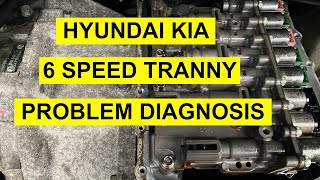
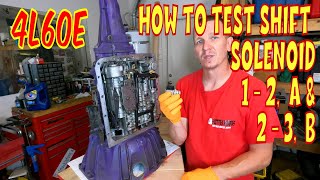
- Failed Shift Solenoid 'F' or Internal Wiring Harness (Very Common) — The solenoid's internal coil winding breaks from constant heat and vibration. On 2011-2016 Hyundai/Kia models 🎬 Watch: How to diagnose and test solenoids on Hyundai or Kia models., the entire internal plastic wiring harness becomes brittle and fails, requiring replacement as a single unit.
- Low, Dirty, or Contaminated Transmission Fluid (Very Common) — Low fluid causes overheating and pressure drops. Dirty fluid full of microscopic metal shavings clogs the solenoid's internal passages or creates electrical shorts across the solenoid contacts.
- Damaged External Wiring or Corroded Connectors (Common) — The external wiring harness leading to the transmission case suffers damage from road debris, heat, or chafing. Moisture intrusion at the main transmission connector corrodes the pins, creating high electrical resistance.
- Poor Vehicle Ground Connection (Common) — The transmission and TCM require a solid chassis ground. A loose or corroded ground strap causes erratic voltage drops, tricking the computer into logging a false solenoid electrical fault.
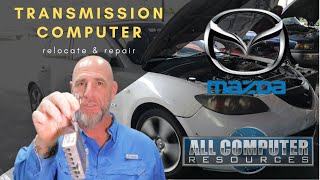
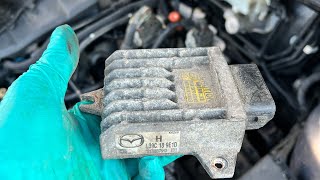
- Faulty Transmission Control Module (TCM) (Less Common) — The internal driver circuit inside the TCM that sends power to the solenoid burns out. This is highly prevalent on 2006-2014 Mazda 3 models 🎬 See how to repair and relocate a failing Mazda 3 TCM., where the TCM is mounted directly to the hot, vibrating transmission case.
- Internal Valve Body Failure (Rare) — Blocked hydraulic passages, cracks, or sticking mechanical valves within the valve body mimic a solenoid electrical fault by preventing the expected pressure changes.
- Software or Programming Glitches (Rare) — A logic error in the TCM's software mistakenly triggers the code. Manufacturers occasionally release software updates (flashes) to correct these logic errors or adjust for normal solenoid wear.
Symptoms
- Check Engine Light is On — The Malfunction Indicator Lamp (MIL) illuminates immediately. On some vehicles, the 'AT' (Automatic Transmission) warning light also turns on.
- Transmission Stuck in Gear (Limp Mode) — The vehicle locks into a single gear (usually 3rd) to protect the transmission from further damage, severely limiting acceleration and top speed.
- Harsh, Delayed, or Erratic Shifting — You feel a violent 'bang' or 'clunk' during shifts, particularly on downshifts. It often feels like being rear-ended by another vehicle.
- Transmission Slipping — Engine RPMs flare up without a corresponding increase in vehicle speed, indicating the solenoid cannot maintain the hydraulic pressure needed to hold the gear.
- Loss of Specific Gears — The transmission refuses to shift into the specific gear controlled by Solenoid 'F' (often 5th gear), or you lose the ability to shift into Reverse.
- Decreased Fuel Economy — Because the transmission cannot utilize overdrive or efficient higher gears, the engine runs at higher RPMs, burning significantly more fuel.
Diagnostic Flowchart
Tap your situation to follow the diagnostic path that matches what you're seeing on this code.
Common Fixes & Costs
- Shift Solenoid Pack / Harness Replacement (Kia/Hyundai) — Parts: $150-$250, Labor: $450-$750, ~4.0 hr book time (Advanced)
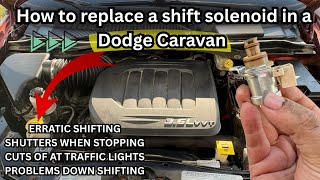
- Solenoid Pack Replacement (Dodge/Chrysler) — Parts: $200-$350, Labor: $300-$500, ~3.0 hr book time (Intermediate)
- Transmission Control Module (TCM) Replacement (Mazda) — Parts: $250-$400, Labor: $150-$300, ~1.5 hr book time (Professional)
- Transmission Fluid and Filter Change — Parts: $70-$150, Labor: $100-$250, ~1.5 hr book time (DIY)
- Professional Diagnosis — Parts: $0, Labor: $150-$250, ~1.5 hr book time (Professional)
Used vs. New Parts: Buying Guide
When a used part is worth it: Never buy a used internal transmission solenoid pack or wiring harness. These are heat-cycled electronic components with a finite lifespan. The high labor cost to drop the transmission pan makes the risk of a used part failing completely unjustifiable.
Donor-vehicle mileage cap: roughly under 40000 miles for the part to have meaningful remaining life.
Donor quality checklist:
- If buying a used TCM (external module), ensure it comes from a low-mileage vehicle wrecked for non-transmission reasons.
- Match the part number exactly. Manufacturers frequently update these parts to fix original design flaws.
Decision logic:
- If The part is an internal solenoid, solenoid pack, or wiring harness. → Buy new OEM or high-quality aftermarket. The labor cost is too high to risk a used part.
- If The part is an external Transmission Control Module (TCM). → A remanufactured, pre-programmed unit is the most cost-effective and reliable choice.
Warranty tradeoff: Salvage yard parts offer 30-day warranties that do not cover the $400+ labor cost if the part fails. New OEM parts carry a 12-month/12,000-mile warranty.
Worst-case if a used part fails: $600-1200 in repeat labor costs to drop the pan and valve body a second time if a used solenoid fails.
What Happens If You Wait — Timeline
- 0-4 weeks: Check Engine Light illuminates. Shifting feels slightly delayed or harsh, particularly when the vehicle is cold. The issue may disappear after restarting the car. (MPG impact: 0-5%% · Added cost: $0)
- 1-3 months: Harsh shifting becomes violent ('banging' into gear). The transmission frequently enters 'limp mode' (stuck in 3rd gear) when hot. Fuel economy drops noticeably. (MPG impact: 5-15%% · Added cost: $50-150 in wasted fuel.)
- 3-6 months: The vehicle is permanently in limp mode. Uncontrolled hydraulic pressure from harsh engagements accelerates wear on the clutch packs and internal seals. Fluid degrades rapidly. (MPG impact: 15-25%% · Added cost: $500 - $1,500 in damage to clutch packs and the valve body.)
- 6+ months: Catastrophic internal failure. Destroyed clutch packs and a scored valve body cause the transmission to slip severely or fail to move at all. A complete rebuild is required. (MPG impact: >25% (or car is undrivable)% · Added cost: $3,500 - $7,000+ for a full transmission replacement.)
Cost of Not Fixing It
- Short-Term (Weeks): Unsafe driving conditions due to unpredictable shifting and sudden loss of acceleration in traffic. Decreased fuel economy from operating in 'limp mode'. (Added cost: Negligible, but high risk of an accident or tow bill.)
- Medium-Term (1-3 Months): Accelerated wear on clutch packs and internal seals due to uncontrolled hydraulic pressure. Transmission fluid overheats and loses its protective properties. (Added cost: $500 - $1500 in added damage to the valve body.)
- Long-Term (3+ Months): Catastrophic transmission failure. The initial electrical issue destroys the clutch packs and torque converter, requiring a complete transmission replacement. (Added cost: $3,500 - $7,000+ for a full rebuild instead of an initial sub-$800 repair.)
Diagnosis Steps
- Read Codes and Review Freeze Frame Data
Use an OBD-II scanner to confirm P2709. Note any accompanying codes (e.g., U-codes for communication or other solenoid codes). Analyze the freeze-frame data to identify the exact vehicle speed, RPM, and temperature when the fault occurred.
Tools: OBD-II Scanner (Beginner) - Check Transmission Fluid Level and Condition
Check the fluid dipstick or follow the sealed-transmission level check procedure. Healthy fluid is bright red. Dark brown, black, or burnt-smelling fluid indicates severe internal wear and contamination that destroys solenoids.
Tools: Rag, Gloves, Level Surface (Beginner) - Analyze Live Scan Tool Data
Using a live-data scanner, monitor the commanded vs. actual state for Shift Solenoid F. If the TCM commands the solenoid 'ON' but the actual state remains 'OFF', or if the circuit voltage PID reads a constant 0V or 12V, you have confirmed a hard electrical fault.
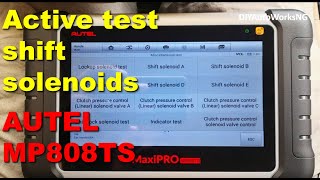
Tools: Advanced Scan Tool 🎬 Watch: Using an active scan tool to test transmission shift solenoids. (Intermediate) - Inspect External Wiring and Grounds
Disconnect the main wiring harness connector at the transmission case. Inspect for bent pins, green corrosion, or transmission fluid leaking into the connector. Verify the main ground strap from the transmission to the chassis is tight and rust-free.
Tools: Flashlight, Socket Set, Contact Cleaner (Beginner) - Perform a 'Wiggle Test'
While monitoring the solenoid circuit's voltage on a scan tool, aggressively wiggle and flex the external wiring harness between the TCM and the transmission. If the voltage drops or spikes, you have located an intermittent break in the wiring.
Tools: Advanced Scan Tool or Multimeter (Intermediate) - Test Solenoid Circuit Resistance
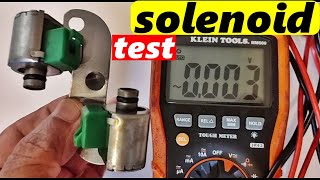
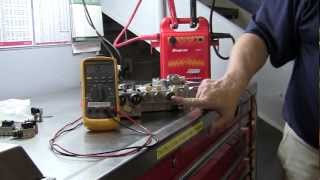
Using a multimeter set to Ohms (Ω) and a wiring diagram, probe the specific pins for Solenoid 'F' at the transmission's external connector. A reading of infinity (OL) means an open circuit (broken wire/coil). Near-zero means a short. Expected resistance is typically 10-30 Ohms depending on the manufacturer.
Tools: Multimeter, Vehicle-specific Wiring Diagram (Intermediate) - Command the Solenoid with a Bi-Directional Scanner
Use a pro-level scanner to manually command Solenoid 'F' on and off. Listen closely at the transmission pan for an audible 'click'. No click confirms the solenoid is dead or the circuit is completely severed.
Tools: Advanced Bi-Directional Scan Tool, Mechanic's Stethoscope (Professional) - Inspect Internal Components (Pan Removal)
Drain the fluid and remove the transmission pan. Inspect the internal plastic wiring harness for brittle, cracked sections. Check the pan magnet for large metal flakes (indicating mechanical failure). Test the solenoid's resistance directly at its internal connector to rule out the harness.
Tools: Socket Set, Drain Pan, Gasket Scraper, Torque Wrench, Multimeter (Advanced) - Analyze the Circuit with an Oscilloscope
If resistance tests pass but the code remains, tow the vehicle to a specialist. By back-probing the control wire at the TCM with an oscilloscope, a technician can view the exact voltage square wave. A distorted waveform pinpoints a failing TCM driver or a sticking solenoid coil.
Tools: Oscilloscope, Back-probe Pins (Professional) - Check Transmission Line Pressure
Connect a hydraulic pressure gauge to the transmission test port. Low line pressure indicates a failing pump or internal hydraulic leaks that prevent the solenoid from functioning, even if it is electrically perfect.
Tools: Transmission Pressure Gauge Set, Vehicle-specific Service Manual (Professional)
When This Code Triggers (Freeze-Frame Conditions)
- Commanded Gear: Shift to 4th, 5th, or 6th (The fault logs at the precise millisecond the TCM commands the solenoid to activate for a gear change.)
- Transmission Fluid Temp: 175-210°F (80-100°C) (Vehicle is at full operating temperature, causing internal wiring to expand and break contact.)
- Vehicle Speed: 35-55 mph (Occurs during steady-state cruising or when attempting an upshift.)
- Engine RPM: 1500-2500 RPM (Under light to moderate acceleration.)
Related Codes
- P2706, P2707, P2708, P2710 — These codes also target Shift Solenoid 'F' but describe different failures: 'Performance/Stuck Off' (P2707), 'Stuck On' (P2708), or 'Intermittent' (P2710). Diagnosis remains identical, focusing on the solenoid and its circuit.
- P0750-P0774 (Solenoid A, B, C, etc.) — Codes for other shift solenoids. Seeing multiple solenoid codes simultaneously indicates a common-point failure, such as a melted main harness, a bad ground, or a dead TCM, rather than multiple individual solenoids failing at once.
- P0741 — Torque Converter Clutch (TCC) solenoid code. The TCC solenoid shares wiring and power with shift solenoids. Seeing P0741 with P2709 strongly points to a widespread internal harness failure, specifically noted in Kia TSB #TSBTRA051R1.
- U0100, U0101 — Communication codes indicating a lost connection with the TCM. Diagnose 'U' codes first; the P2709 is likely a secondary symptom of a dead module or severed data bus wire.
Climate & Environmental Factors
- High Heat: High ambient temperatures and heavy towing accelerate fluid breakdown and increase stress on solenoid coil windings, leading to premature electrical failure.
- Cold Weather: Extreme cold thickens transmission fluid, causing delayed shifting on startup. While it doesn't directly cause an electrical fault, it exacerbates symptoms of a weak solenoid.
- Humidity and Moisture: Driving through deep water or high humidity introduces moisture into external electrical connectors, corroding pins and triggering high-resistance P2709 codes.
How to Talk to a Mechanic About This Code
Say this: "I have a P2709 code on my [Year/Make/Model] and I'm experiencing [symptom, e.g., harsh shifting]. I'd like to schedule a diagnostic appointment. I know this is an electrical fault for shift solenoid 'F', and on cars like mine, it's usually the internal harness, the TCM, or the solenoid pack. For Kia/Hyundai: I'm also aware of TSB TSBTRA051R1 regarding the internal harness."
This signals you are an informed consumer. Naming the code, component, and common causes discourages shops from immediately quoting a full transmission replacement. Mentioning TSBs forces them to perform a targeted diagnosis.
Avoid saying:
- 'My check engine light is on, can you just fix it?'
- 'My transmission is acting weird.' (Too vague; invites a broad, expensive diagnosis.)
- 'I think I need a new transmission.' (Never suggest the most expensive fix first.)
Questions to ask before authorizing the repair:
- What were the results of the electrical tests on the solenoid 'F' circuit? What was the resistance reading in Ohms?
- Did you test the wiring harness for continuity and shorts between the TCM and the transmission connector?
- If recommending a solenoid replacement, what did you see in the transmission pan? Was there excessive metal debris?
- If recommending a TCM replacement, how did you rule out the wiring and the solenoid itself?
- What is the warranty on the recommended parts and labor?
Where to Take It: Dealer vs Independent vs Chain
- Dealer:
A strong choice for in-warranty repairs or specific models with known TSBs. For out-of-warranty work, get a second opinion from a specialist before approving a high-cost repair.
Best for: Vehicles still under powertrain warranty., Models with known TCM failures requiring OEM software updates (like Mazda)., Complex electrical issues requiring manufacturer-specific diagnostic flowcharts.
Downsides: Highest labor rates, often 1.5-2x more than independent shops., Quick to recommend replacing whole assemblies (like a valve body) rather than smaller components., Will not install cheaper aftermarket parts. (Typical cost: +50% vs. baseline) - Independent Shop:
The best overall fit for out-of-warranty P2709 repairs, provided you choose a reputable independent transmission specialist. They are more likely to repair the specific electrical fault rather than replace the entire unit.
Best for: Out-of-warranty vehicles where cost is a major factor., Finding a shop that specializes specifically in transmission repair., Vehicles with well-documented P2709 issues (like Kia/Hyundai solenoid harnesses).
Downsides: Quality varies dramatically. You must ensure they are comfortable with transmission electrical diagnostics., A general mechanic lacks the depth of experience of a transmission specialist. (Typical cost: +0% vs. baseline) - Chain Shop:
AVOID for diagnosing a P2709 code. The risk of being oversold an unnecessary full transmission rebuild is highest here.
Best for: Simple, routine maintenance like oil changes or brake jobs.
Downsides: Technician skill is highly inconsistent., Business model is structured to upsell major jobs (full rebuilds) rather than perform detailed electrical diagnostics., Often lack specialized tools for nuanced electronic transmission work. (Typical cost: -10% vs. baseline)
When to Walk Away From the Repair
If the estimated repair cost exceeds 50% of your car's private-party value, seriously consider selling or trading in the vehicle instead of repairing it.
- Car worth $5000, fix is $2800: Walk away. The repair cost is over 50% of the car's value. You are unlikely to recoup this investment.
- Car worth $12000, fix is $1100: Fix it. The repair cost is well under the 50% threshold and restores a valuable asset.
- Car worth $3000, fix is $1100: Borderline. While close to the 40% threshold for older cars, $1100 is cheaper than replacing the vehicle. Proceed if the rest of the car is in good condition.
What Scan Tool You Need for This Code
Minimum: A scanner that reads manufacturer-specific Transmission Control Module (TCM) codes and displays live data, specifically Transmission Fluid Temperature and solenoid command status.
A cheap $20 code reader only shows the 'P' code exists. It cannot access the transmission module to see if the computer is commanding the solenoid to work or if the circuit voltage responds. Without live data, you are guessing at parts.
Budget: Autel AutoLink AL629 / Foxwell NT604 Elite (~$90) — Reads and clears transmission codes. Displays live data streams to monitor fluid temperature and solenoid on/off command status, providing the minimum data needed for diagnosis.
Mid-range: Foxwell NT510 Elite / Autel MaxiDiag MD806 Pro (~$200) — Offers bidirectional control (active tests). Allows you to command shift solenoid 'F' on and off directly from the tool, letting you listen for a 'click' to confirm mechanical operation.
Professional: Autel MaxiCOM MK808 / MaxiPRO MP808 (~$500-800) — Provides full bidirectional control and advanced functions like performing the mandatory 'quick learn' or 'adaptive learning' procedures required after replacing a solenoid pack on Dodge, Chrysler, and Ford vehicles.
Rent vs buy: For a one-time diagnosis, use the 'Loan-A-Tool' program at AutoZone or Advance Auto Parts. You pay a deposit for a capable scanner, use it at home, and get a full refund upon return.
How to Clear the Code After You Fix It
- Use an OBD-II scan tool to clear all Diagnostic Trouble Codes (DTCs).
- Perform any required TCM 'quick learn' or adaptive learning procedures using a bi-directional scanner.
- Complete a full OBD-II drive cycle to reset readiness monitors.
Drive cycle (~30 minutes): Start the engine cold and idle for 3 minutes. Drive in stop-and-go city traffic for 15 minutes, shifting through all gears. Transition to steady highway driving at 55-65 mph for 10 minutes. Avoid aggressive acceleration.
Readiness monitors affected: Comprehensive Component Monitor (CCM)
Before emissions retest: drive at least 50 miles to fully set monitors.
Watch out for:
- Disconnecting the battery clears the code but resets all emissions monitors, causing an automatic smog test failure.
- Failing to perform a TCM 'relearn' after replacing a solenoid pack will cause immediate harsh shifting and may trigger the code again.
- The code returns instantly if the underlying electrical short or open circuit was not repaired.
Will This Fail Emissions / State Inspection?
Yes — this code typically fails an OBD-II emissions inspection.
- California: Automatic failure. An active Check Engine Light and a transmission DTC like P2709 instantly fails the OBD-II smog check.
- New York: Automatic failure. The NYS Vehicle Inspection Program requires the MIL to be off and the powertrain free of active codes.
- Texas: Automatic failure in the 17 emissions-testing counties. An illuminated MIL is immediate grounds for rejection.
Most Commonly Affected Vehicles
- Kia Optima, Sorento, Forte, Sportage, Sedona (2011-2016) — A widespread issue with the 6-speed automatic (A6MF/A6GF). TSB #TSBTRA051R1 advises replacing the internal solenoid/harness assembly, not the transmission.
- Hyundai Sonata, Elantra, Santa Fe, Tucson (2011-2016) — Shares the same transmission and TSB as Kia. The internal plastic wiring harness becomes brittle from heat cycles and breaks.
- Mazda 3, 5, 6 (2006-2014) — Notorious for TCM failures causing P2709. The TCM is mounted directly on the hot transmission case. Relocating the replacement TCM prevents repeat failures.
- Dodge / Chrysler Grand Caravan, Town & Country, Journey (2008-2017) — The 62TE transmission suffers frequent solenoid pack failures. The entire block must be replaced, followed by a scan tool 'quick learn' procedure.
- Ford Fusion, Escape, Focus (2008-2016) — Models with the 6F35 transmission experience P2709 due to failed solenoid packs or valve body wear. Requires an adaptive learning procedure after repair.
- Chevrolet Cruze, Malibu, Equinox (2008-2017) — Common on 6T40/6T45 transmissions, often pointing to a faulty internal solenoid or a damaged Transmission Electro-Hydraulic Control Module (TEHCM).
- Nissan Pathfinder, Frontier, Xterra (2007-2018) — Often points to an issue within the valve body assembly or TCM on Jatco transmissions.
- BMW 3 Series, 5 Series, X5 (2006-2013) — On ZF 6HP transmissions, P2709 indicates a failure within the complex mechatronics unit (combined TCM and valve body). Requires specialized professional repair.
Manufacturer-Specific Notes
- Hyundai / Kia: TSB #TSBTRA051R1 explicitly warns technicians NOT to replace the entire transmission for this code. The root cause is almost always a faulty internal solenoid/harness assembly.
- Mazda: The TCM is mounted directly on the transmission, exposing it to intense heat and vibration. This design flaw causes a massive failure rate for the TCM itself, triggering P2709 even when the solenoid is perfect.
- Dodge / Chrysler: Solenoids are integrated into a single 'solenoid pack' bolted to the valve body. The entire pack must be replaced if one solenoid fails, and a 'quick learn' scan tool procedure is mandatory afterward.
- Honda: Older Honda transmissions feature separate solenoids mounted on the exterior of the transmission case, making diagnosis and replacement significantly easier and cheaper than internal packs.
Real Owner Stories
2012 Kia Optima at 85K miles
Check Engine Light illuminated with P2709. The car suffered a violent downshift and locked into 3rd gear (limp mode).
What they tried:
- A general repair shop quoted $4,000 for a used transmission replacement.
Outcome: The owner took it to a dealership. Referencing TSB TSBTRA051R1, the dealer diagnosed a failed internal solenoid harness. They replaced the harness assembly (part #46307-3B650) for $1,100 total. Shifting returned to normal.
Lesson: Never accept a full transmission replacement quote for a Kia/Hyundai with this code without referencing TSB TSBTRA051R1. The fix is almost always the internal harness.
2010 Mazda 3 at 164K miles
AT light and Check Engine Light came on. The car jerked hard shifting into Drive and was stuck in 3rd gear. The TCM had been replaced three years prior.
What they tried:
- Replaced the TCM with a used OEM unit from eBay.
- Serviced the transmission fluid and cleaned electrical contacts.
Outcome: The used TCM failed to solve the problem. The owner then replaced all shift solenoids and had the TCM software updated, which permanently resolved the issue.
Lesson: On high-mileage Mazdas, if a replacement TCM doesn't fix the code, the solenoids themselves have likely failed. Test the solenoids before assuming the new TCM is defective.
2013 Dodge Grand Caravan at 110K miles
P2709 appeared intermittently, triggering harsh shifts only when the vehicle was hot after a long drive.
What they tried:
- Mechanic performed a 'wiggle test' on the external harness but found no faults.
- Checked fluid level and condition, which were normal.
Outcome: A transmission specialist diagnosed a failing solenoid pack inside the 62TE transmission. The entire solenoid block was replaced and a 'quick learn' performed for $750, resolving the intermittent heat-related issue.
Lesson: Intermittent electrical faults that worsen with heat are classic signs of an internal solenoid coil failing. On Dodge/Chrysler 62TE transmissions, this points directly to the solenoid pack.
How to Prevent This Code From Triggering
- Perform regular transmission fluid and filter changes. (Every 30,000 to 60,000 miles.) — Clean fluid prevents microscopic metal debris from clogging the tiny hydraulic passages within the solenoids and prevents electrical shorts across the contacts.
- Install an auxiliary external transmission cooler. (Once, especially if you tow or live in a hot climate.) — Heat destroys transmission electronics. An external cooler drops fluid temperatures by 50-100°F, preventing solenoid coils and internal wiring harnesses from melting and becoming brittle.
- Clean the main transmission ground connections. (Every 30,000 miles.) — A clean ground path ensures stable voltage to the TCM. Corroded grounds cause voltage drops that trick the computer into setting false solenoid codes.
Frequently Asked Questions
My mechanic says I need a new transmission for a P2709 code. Should I get a second opinion?
Yes, absolutely. The root cause is usually a serviceable electrical part like a solenoid pack or wiring harness, costing far less than a rebuild. This is especially true for Hyundai/Kia models, where a manufacturer bulletin specifically advises against transmission replacement for this code.
Can a bad battery or a poor ground connection cause a P2709 code?
Yes. The TCM and solenoids require precise, stable voltages to operate correctly. A weak battery, failing alternator, or corroded transmission ground strap causes voltage drops that the computer misinterprets as a solenoid electrical fault.
Can a simple transmission fluid change fix a P2709 code?
Sometimes. If dirty fluid is causing the solenoid's internal valve to stick, fresh fluid can restore normal operation. However, if the solenoid has a broken internal wire (a hard electrical fault), a fluid change will not fix it.
Is it better to replace just the one bad solenoid or the whole solenoid pack?
Always replace the entire solenoid pack or harness assembly. All solenoids have endured the same heat and wear, making it highly likely another will fail soon. Replacing the whole unit prevents paying the expensive labor cost a second time.
Why is this problem so common on certain Kia and Hyundai cars?
The internal plastic solenoid wiring harness in their 6-speed automatic transmissions becomes brittle and breaks from constant heat cycles. The manufacturer issued official repair documents (TSBs) to address this specific design flaw.
What is 'limp mode' and why does it happen?
Limp mode is a protective fail-safe where the computer locks the transmission into a single gear (usually 3rd) to prevent catastrophic internal damage. It allows you to drive at a reduced speed to a safe location.
I have P2709 and other solenoid codes at the same time. Does that mean they all failed?
It is highly unlikely multiple solenoids fail electrically at once. Seeing P2709 with codes like P0753 indicates a common-point failure. The culprit is usually the main power feed, shared internal wiring harness, or the Transmission Control Module (TCM).
Key Takeaways
- Replacing the internal solenoid wiring harness (Part #46307-3B650) resolves P2709 on 2011-2016 Kia and Hyundai models, as documented in TSB TSBTRA051R1.
- Check your transmission fluid level and inspect the main ground strap before buying parts, as low fluid or a loose ground frequently triggers false P2709 codes.
- Stop driving immediately; operating a vehicle stuck in 'limp mode' with improper hydraulic pressure escalates a $700 solenoid repair into a $3,500+ transmission rebuild.
- Never accept a $4,000+ full transmission replacement quote for P2709 without a second opinion, as the root cause is almost always a serviceable $200-$500 electrical component.
Helpful Videos
Shop the Parts Behind P2709
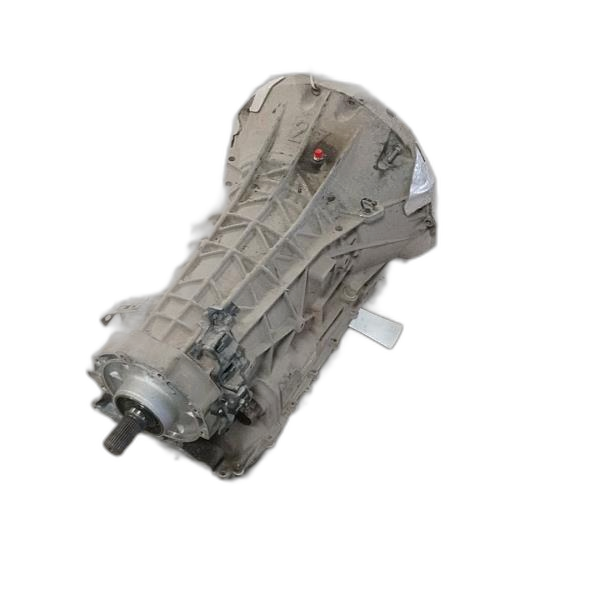
Below are the parts most often responsible for code P2709, ranked by how frequently each one is the actual culprit (per the diagnosis above). Tap any to see what we have for your vehicle.




The information in this article is provided for general reference and educational purposes only. Vehicle specifications, procedures, and part compatibility can vary by production date, trim level, and region. Always consult your vehicle's factory service manual and verify part numbers before purchasing or performing repairs. Safety-critical components such as airbags, seat belts, and braking systems should be installed by a qualified professional.
- 🧭 Diagnostic Flowchart
- 🎬 Helpful Videos
- 🛍️ Shop This Part
- What Does P2709 Mean?
- Can I Drive With P2709?
- Common Causes
- Symptoms
- Common Fixes & Costs
- Used vs. New Parts: Buying Guide
- What Happens If You Wait — Timeline
- Cost of Not Fixing It
- Diagnosis Steps
- When This Code Triggers (Freeze-Frame Conditions)
- Related Codes
- Climate & Environmental Factors
- How to Talk to a Mechanic About This Code
- Where to Take It: Dealer vs Independent vs Chain
- When to Walk Away From the Repair
- What Scan Tool You Need for This Code
- How to Clear the Code After You Fix It
- Will This Fail Emissions / State Inspection?
- Most Commonly Affected Vehicles
- Manufacturer-Specific Notes
- Real Owner Stories
- 2012 Kia Optima at 85K miles
- 2010 Mazda 3 at 164K miles
- 2013 Dodge Grand Caravan at 110K miles
- How to Prevent This Code From Triggering
- Frequently Asked Questions
- My mechanic says I need a new transmission for a P2709 code. Should I get a second opinion?
- Can a bad battery or a poor ground connection cause a P2709 code?
- Can a simple transmission fluid change fix a P2709 code?
- Is it better to replace just the one bad solenoid or the whole solenoid pack?
- Why is this problem so common on certain Kia and Hyundai cars?
- What is 'limp mode' and why does it happen?
- I have P2709 and other solenoid codes at the same time. Does that mean they all failed?
- Key Takeaways
- 🎟️ Get 5% Off