

P2709 on 2011-2015 Kia Forte: Shift Solenoid 'F' Electrical Fault Causes and Fixes
On a 2011-2015 Kia Forte with the A6MF1 6-speed automatic transmission, code P2709 almost always indicates a failed shift solenoid inside the valve body. This is a widely known issue addressed by Kia Technical Service Bulletin #TSBTRA051R1, which specifies replacing the individual solenoid(s), not the entire expensive transmission assembly. The repair involves dropping the transmission pan and can be done without removing the transmission.
- P2709 on a 2011-2015 Forte points directly to an electrical issue with Shift Solenoid 'F'.
- This is a known problem, and Kia has issued a service bulletin (TSBTRA051R1) for it.
- The correct fix is to replace the faulty solenoid inside the transmission, NOT the entire transmission assembly.
- Due to the complexity of the repair, professional service is highly recommended.
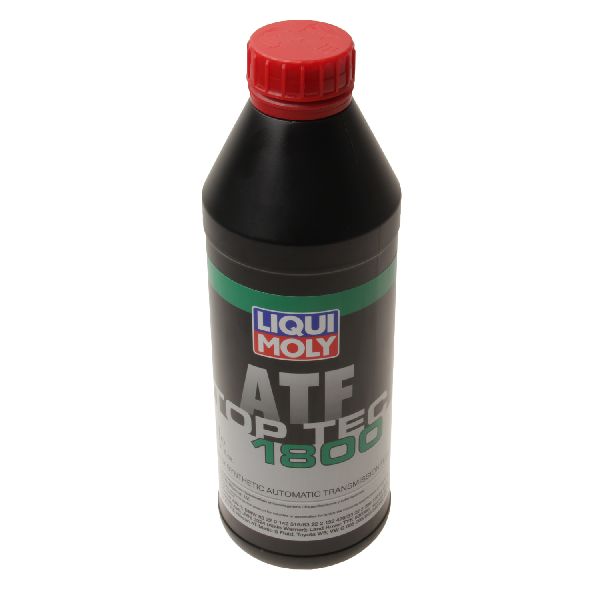
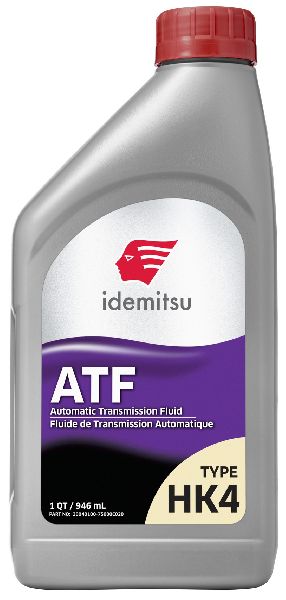
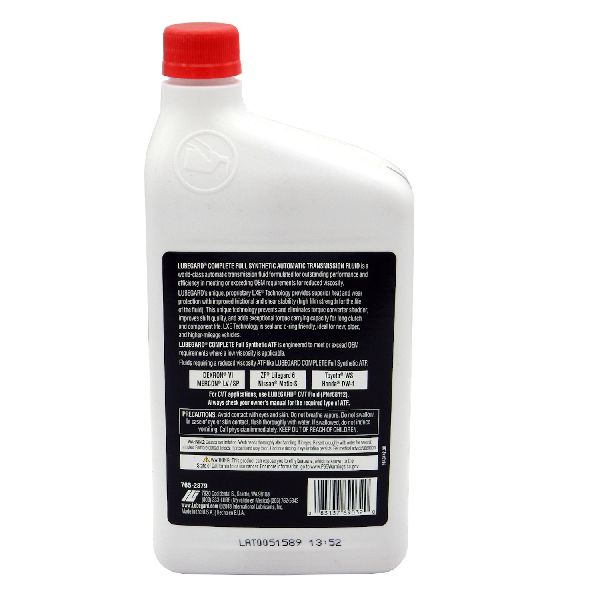
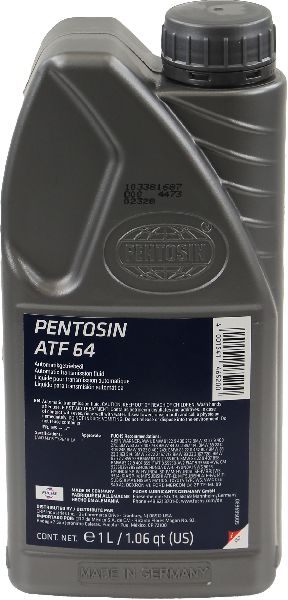
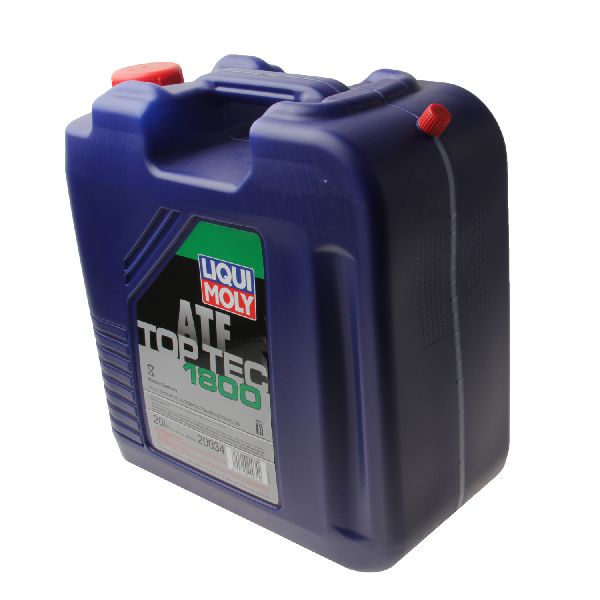
- Always use the manufacturer-specified transmission fluid (ATF) when refilling.
What's Unique About the 2011-2015 Kia FORTE
The 2011-2015 Kia Forte with the A6MF1 6-speed automatic transmission is known to experience premature failure of the internal shift solenoids. Kia acknowledged the problem by issuing Technical Service Bulletin TSBTRA051R1, which provides a clear repair path for P2709 and other related codes. The TSB explicitly advises technicians to replace the faulty solenoid(s) rather than the entire transmission, saving owners significant money and repair time. This issue is common across many Hyundai and Kia models that use the same A6 family of transmissions.
Diagnostic Flowchart
Tap your situation to follow the diagnostic path that matches what you're seeing on this vehicle.
Generation note: This issue affects both the first generation (TD, 2011-2013) and second generation (YD, 2014-2015) of the Kia Forte, as both were equipped with the A6MF1 or related A6GF1 6-speed automatic transmission referenced in the relevant TSB.
Symptoms You May Notice
- Harsh, erratic, or delayed gear shifts.
- Transmission getting stuck in one gear or entering "limp mode" (fail-safe 4th gear).
- Inability to shift into or out of a specific gear.
- Illuminated Check Engine Light.
- Noticeable decrease in fuel economy.
- Transmission slippage.
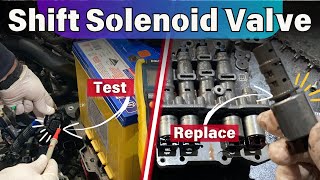
- Replacing the entire transmission assembly. The official Kia TSB for this issue, TSBTRA051R1, explicitly states to replace the individual solenoids and to NOT replace the transaxle for this code. 🎬 Watch this before you replace your transmission shift solenoid.
Most Likely Causes
- Failed Shift Solenoid 'F' (SS-B) 🔴 High Probability → Shop Transmission Valve Body This is a documented weak point in this specific A6MF1 6-speed automatic transmission, as confirmed by Kia's own Technical Service Bulletin (TSBTRA051R1). The solenoids are known to fail electrically over time.
How to confirm: A technician can use a diagnostic scan tool to perform an 'actuation test' to command the solenoid on and off. 🎬 Watch: How to test transmission solenoids on your Kia Forte. A more definitive test is to measure the solenoid's internal resistance with a multimeter after removing the transmission pan. For the on/off type solenoids like 'F' (SS-B), the resistance should be between 10-11 Ohms. A reading that is significantly higher (open circuit) or lower (short circuit) confirms failure.
Typical fix: Replace the faulty shift solenoid. The TSB indicates this can be done without removing the transmission from the vehicle. The solenoids are often sold individually or as a complete pack.
Est. part cost: $50-$150 - Low or Dirty Transmission Fluid 🟡 Medium Probability → Shop Transmission Assembly
How to confirm: Check the transmission fluid level and condition according to the manufacturer's procedure. The fluid should be at the correct level, pinkish-red, and not smell burnt. Debris in the fluid can clog solenoid passages. 🎬 See how to clean and test A6MF1 transmission solenoids.
Typical fix: Perform a transmission fluid drain-and-fill with the correct type of fluid (Kia SP-IV or equivalent). If the fluid is very dirty or contains metal particles, further diagnosis is needed as internal damage may have occurred.
Est. part cost: $60-$120 - Wiring Harness or Connector Issue ⚪ Low Probability
How to confirm: Visually inspect the wiring harness leading to the transmission for any signs of damage, corrosion, or loose connections. A continuity test can be performed on the wires between the TCM and the transmission connector.
Typical fix: Repair the damaged section of the wire or clean/replace the faulty connector.
Est. part cost: $10-$50
Rare But Worth Checking
- Faulty Transmission Control Module (TCM) or Powertrain Control Module (PCM): → Shop Transmission Assembly This is rare and should only be considered after solenoids and wiring have been confirmed to be good. The official TSB lists PCM replacement as the final step if all other repairs fail.
Diagnosis Steps
- Verify the Check Engine Light is on and scan for codes. Confirm P2709 is present, noting any other transmission codes.
- Check the transmission fluid level and condition. Ensure it is full and the fluid is not burnt or contaminated. The fluid level must be checked when the ATF is between 122°F and 140°F (50-60°C).
- Using an advanced scan tool, monitor live data for the commanded state of Shift Solenoid 'F' and compare it to the actual state. Attempt an actuation test if the tool supports it.
- Inspect the external transmission wiring harness and connectors for any visible damage, corrosion, or loose pins.
- If external wiring is okay, drain the transmission fluid and remove the transmission oil pan to access the valve body and solenoids.
- Perform a resistance test on Shift Solenoid 'F' (often marked SS-B) with a multimeter. The reading should be between 10-11 Ohms. Readings outside this range indicate a failed solenoid.
- If the solenoid fails the resistance test, replace it. It is often recommended to replace the entire set of solenoids at the same time due to similar wear life.
- If the solenoid tests good, the issue may lie in the internal transmission harness, the main connector, or, rarely, the TCM itself.
Parts You'll Likely Need
- Automatic Transmission Shift Solenoid (On/Off Type)
(OEM #46313-3B030)— This is the component that most commonly fails, causing the P2709 code, as documented by Kia's TSB. This part number supersedes the older 46313-3B020.
Trusted brands: Kia/Hyundai (OEM), Mando, Rostra
OEM price range: $90-$160
Aftermarket price range: $40-$100 - Transmission Oil Pan Gasket
(OEM #45285-3B810)— The gasket must be replaced anytime the transmission oil pan is removed to access the solenoids to ensure a proper seal.
Trusted brands: Kia/Hyundai (OEM), Fel-Pro, Mahle
OEM price range: $25-$40
Aftermarket price range: $15-$30 - Automatic Transmission Fluid (ATF)
(OEM #UM040-CH020 (for SP-IV))— The fluid must be drained to perform the repair and refilled with approximately 5 quarts of the correct specification fluid (Kia/Hyundai SP-IV).
Trusted brands: Kia/Hyundai (OEM SP-IV), Idemitsu H, Valvoline MaxLife Multi-Vehicle
OEM price range: $15-$25 per quart
Aftermarket price range: $10-$18 per quart
Related Codes That Often Appear With This One
- P0753 — Relates to Shift Solenoid 'A'. The TSB groups these codes together as they relate to the same solenoid pack and harness.
- P0758 — Relates to Shift Solenoid 'B'. The TSB groups these codes together as they relate to the same solenoid pack and harness.
- P0763 — Relates to Shift Solenoid 'C'. The TSB groups these codes together as they relate to the same solenoid pack and harness.
- P0741 — Relates to the Torque Converter Clutch solenoid system, which is also part of the same valve body assembly and covered by the same TSB.
Technical Service Bulletins (TSBs) & Recalls
- TSBTRA051R1: Details the procedure for replacing shift solenoids on 6-speed automatic transaxles for DTCs including P0741, P0753, P0758, P0763, and P2709. It explicitly advises against replacing the entire transaxle assembly for this code.
Platform-Specific Known Issues
- A known issue of premature shift solenoid failure in the A6MF1 6-speed automatic transmission is documented in Kia TSB #TSBTRA051R1. This bulletin provides a specific repair procedure for a group of solenoid-related codes, including P2709. Owners on forums frequently discuss experiencing harsh shifting and finding that replacing the solenoid pack resolves the issue completely. This is not isolated to the Forte but is seen across the Hyundai/Kia lineup using this transmission.
Mechanic-Grade Diagnostic Values
- Resistance of On/Off Shift Solenoids (e.g., SS-B / Solenoid 'F') — expected: 10 - 11 Ohms. Failure: A reading significantly higher (open) or lower (short) than the specified range.
- Resistance of Variable Force Solenoids (VFS) — expected: 5.1 - 5.3 Ohms. Failure: Readings outside this range. This helps differentiate solenoid types during testing.
- Transmission Fluid Temperature (TFT) for fluid level check — expected: 122°F - 140°F (50°C - 60°C). Failure: Checking the level outside this temperature range will result in an incorrect reading (either under or overfilled).
- Transmission Fluid Temperature (TFT) Sensor Resistance — expected: Approximately 2.5k Ohms at 68°F (20°C). Failure: A significantly different resistance reading indicates a faulty sensor, which can cause shifting issues.
Scan Tool Commands That Help
- Kia GDS (OEM Scan Tool): Actuation Test for Automatic Transaxle — This bidirectional command is used to directly order the TCM to activate the shift solenoids. A 'Success' message confirms the wiring from the TCM is intact, while listening with a stethoscope can confirm if the solenoid clicks. A 'Failure' message points to a circuit or communication issue. This is a primary step in the official TSB diagnostic procedure.
- Kia GDS or equivalent advanced scanner: Resetting Adaptive Values — This function should be performed after replacing transmission solenoids or the valve body. It clears the learned shift adaptations from the control module, forcing it to relearn shift points and pressures with the new components, which is critical for smooth operation post-repair.
Wiring & Ground Locations
- Internal Transmission Harness — Inside the transmission oil pan, connecting the valve body solenoids to the main transmission case connector.. This harness is a known high-failure component. The flat ribbon-style design can become brittle, and the connections near the main case plug can fail, causing intermittent open or short circuits that trigger solenoid electrical codes like P2709 even if the solenoid itself is good.
- Transmission Connector Power Pins — At the main electrical connector on the outside of the transmission case.. Power for Shift Solenoid 'B' (SSB, which is Solenoid 'F') is supplied via a shared power pin. Knowing that SSB, 2-6, and UD solenoids share a power source (Pin #5) can help diagnose if a loss of power is affecting multiple components.
- 918601M140 - Transmission Ground Wiring Assembly — This is a specific ground strap for the transmission on 2009-2013 Forte models.. A corroded or broken ground connection can cause a floating ground, leading to erratic voltage readings and incorrect operation of electrical components like solenoids, potentially triggering a P2709 code.
OEM Part Supersession History
46313-3B020→46313-3B030— Likely an updated design for improved reliability or manufacturing consistency.
Model Year Variations Within This Range
- 2011-2012 (approx.): These earlier models in the A6 transmission family often used a stand-alone Transmission Fluid Temperature (TFT) sensor that could be replaced individually.
- 2013-2015 (approx.): Later models integrated the TFT sensor into the main internal wiring harness. On these vehicles, a failed TFT sensor requires the replacement of the entire internal harness assembly, not just the sensor.
Helpful Videos


We Have This Part in Stock


The information in this article is provided for general reference and educational purposes only. Vehicle specifications, procedures, and part compatibility can vary by production date, trim level, and region. Always consult your vehicle's factory service manual and verify part numbers before purchasing or performing repairs. Safety-critical components such as airbags, seat belts, and braking systems should be installed by a qualified professional.
- Kia FORTE:
- 🧭 Diagnostic Flowchart
- 🎬 Helpful Videos
- 🛍️ Shop This Part
- What's Unique About the 2011-2015 Kia FORTE
- Symptoms You May Notice
- Most Likely Causes
- Rare But Worth Checking
- Diagnosis Steps
- Parts You'll Likely Need
- Related Codes That Often Appear With This One
- Technical Service Bulletins (TSBs) & Recalls
- Platform-Specific Known Issues
- Mechanic-Grade Diagnostic Values
- Scan Tool Commands That Help
- Wiring & Ground Locations
- OEM Part Supersession History
- Model Year Variations Within This Range
- 🎟️ Get 5% Off