

P2709 on 2011-2015 Kia Sorento: Shift Solenoid 'F' Electrical Fault Causes and Fixes
On a 2011-2015 Sorento, code P2709 almost always points to a failed shift solenoid inside the 6-speed automatic transmission, a known issue covered by Kia TSB #TSBTRA051R1. The fix is typically to replace the solenoid block and often the internal wiring harness, not the entire transmission.
- P2709 on a 2011-2015 Sorento is an electrical fault code for Shift Solenoid 'F'.
- The most likely cause is a failed shift solenoid, a known issue covered by Kia TSB #TSBTRA051R1.
- Do NOT replace the entire transmission; the problem is almost always a serviceable part inside the valve body.
- Other common causes include the internal transmission wiring harness or corrosion on the external connector.
- This is not a typical DIY repair and should be handled by a professional service center familiar with transmission work.
What's Unique About the 2011-2015 Kia SORENTO
The 2011-2015 Kia Sorento uses a 6-speed automatic transmission (A6MF1/2) that has a documented history of shift solenoid failures. Kia acknowledged this by issuing Technical Service Bulletin #TSBTRA051R1, which specifically lists P2709 as a code fixed by replacing the solenoids. The bulletin strongly advises against the costly mistake of replacing the entire transmission for this issue. Owner and technician experiences widely confirm that the solenoids or the internal wiring harness are the most common points of failure, a pattern seen across many Hyundai and Kia models with this transmission.
Diagnostic Flowchart
Tap your situation to follow the diagnostic path that matches what you're seeing on this vehicle.
Symptoms You May Notice
- Harsh, erratic, or delayed gear shifts.
- Transmission getting stuck in a single gear, often 3rd gear (limp mode).
- Sudden, hard downshifts that feel like a 'bang' or strong braking.
- Check Engine Light is on.
- Inability to shift into certain gears, particularly 5th gear.
- Increased fuel consumption.
- Transmission slipping out of gear under load.
- Replacing the entire transmission assembly. The official Kia TSB #TSBTRA051R1 specifically advises against this, as the issue is almost always the serviceable solenoids and/or wiring harness inside the valve body.
Most Likely Causes
- Failed Shift Solenoid 'F' / Solenoid Block 🔴 High Probability → Shop Transmission Valve Body This is a well-documented failure item for this specific 6-speed transmission, as confirmed by Kia's own Technical Service Bulletin TSBTRA051R1. The internal coils of the solenoid can develop an open or short circuit from heat and age.
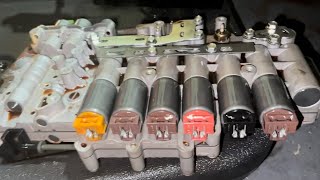
How to confirm: A mechanic can use a scan tool to monitor the solenoid's commanded state vs. actual state. The solenoid's internal resistance can also be measured with a multimeter after accessing the valve body; an out-of-spec resistance confirms failure. The target resistance for this variable force solenoid is approximately 5.1 ohms. 🎬 See how to test and clean these 6-speed solenoids.
Typical fix: Replace the entire block of shift solenoids. They are typically serviced as a complete assembly, though individual solenoids can be purchased.
Est. part cost: $150-$300 - Damaged Internal Transmission Wiring Harness 🟡 Medium Probability → Shop Transmission Assembly The internal harness, which includes the transmission fluid temperature sensor, is a known weak point. The flexible ribbon-style circuit can become brittle and develop open circuits or breaks from constant heat cycles and vibration. It is often recommended to be replaced preventatively with the solenoids.
How to confirm: After removing the transmission valve body, a technician can perform a continuity test on each wire in the harness from the main connector to the individual solenoid connectors. Wiggling the harness during testing can reveal intermittent breaks. Visual inspection may also show discoloration or damage.
Typical fix: Replace the internal transmission wire harness. The updated part number often includes an integrated temperature sensor.
Est. part cost: $50-$150 - Corroded External Transmission Harness Connector 🟡 Medium Probability → Shop Transmission Assembly The main connector on the outside of the transmission case is exposed to the elements. Moisture and road salt can seep in and lead to corrosion on the pins, causing a poor electrical connection that mimics a failed component.
How to confirm: Visually inspect the pins on both the male and female sides of the main transmission harness connector for any green or white corrosion, or bent/damaged pins. A continuity check from the TCM to this connector can also identify a wiring fault.
Typical fix: Clean the connector terminals with an electrical contact cleaner. If the corrosion is severe or pins are damaged, the connector pigtail or a section of the wiring harness may need to be replaced.
Est. part cost: $10-$150 - Low or Dirty Transmission Fluid ⚪ Low Probability → Shop Transmission Assembly
How to confirm: Check the transmission fluid level and condition according to the manufacturer's procedure. Fluid that is dark, burnt-smelling, or contains debris indicates a problem.
Typical fix: Perform a transmission fluid drain-and-fill or flush. However, this is highly unlikely to fix a specific electrical code like P2709 unless the fluid is extremely low or contaminated, causing overheating and secondary electrical issues.
Est. part cost: $75-$200
Rare But Worth Checking
- Faulty Transmission Control Module (TCM) or Powertrain Control Module (PCM): → Shop Transmission Assembly This is a rare cause. The TSB suggests this as the final diagnostic step only after the solenoids and all wiring have been confirmed to be good or replaced. The internal driver circuit for the solenoid can fail within the module, but this should be professionally diagnosed to avoid unnecessary expense.
Diagnosis Steps
- Scan the TCM for all current and history codes. Note any other codes that appear with P2709, as they are often related per TSB TSBTRA051R1.
- Check the transmission fluid level and condition. Ensure it is full and not burnt or contaminated.
- Thoroughly inspect the main transmission wiring harness and its primary connector for any signs of damage, corrosion, or loose connections. This is a common and often overlooked cause. 🎬 Watch: Diagnosing an open circuit in the transmission harness.
- If possible, use a professional scan tool to monitor the live data for Shift Solenoid 'F' voltage and current while operating the transmission to check for electrical dropouts.
- If external wiring is good, gain access to the transmission valve body by removing the oil pan. 🎬 Watch this walkthrough of the solenoid removal and replacement.
- Inspect the internal wiring harness for visible damage, discoloration, or breaks.
- Disconnect the solenoid block and measure the resistance of Shift Solenoid 'F'. Compare the reading to the manufacturer's specification, which should be around 5.1 ohms for a variable force solenoid. An open circuit (infinite resistance) or short (near-zero resistance) indicates a failed solenoid.
- If the solenoid tests good, perform a continuity test on the internal and external wiring harnesses to rule out an intermittent open or short circuit. Wiggle the harness during testing.
- If all components and wiring test good, the final step would be to suspect a faulty Transmission Control Module (TCM), as outlined in the TSB.
Parts You'll Likely Need
- Transmission Solenoid Block Assembly
(OEM #46313-3B030)— This is the most common failure point for code P2709 on this vehicle, as documented by Kia's service bulletin. The individual solenoids can fail electrically.
Trusted brands: Kia (OEM), Hyundai (OEM), Rostra
OEM price range: $250-$400
Aftermarket price range: $150-$250 - Internal Transmission Wire Harness
(OEM #46307-3B650)— This harness is a frequent point of failure, causing an open circuit that mimics a bad solenoid. It is often replaced as a preventative measure when replacing the solenoids. The original part numbers 46307-3B610 and 46307-3B620 have been superseded by 46307-3B650.
Trusted brands: Kia (OEM), Hyundai (OEM)
OEM price range: $100-$200
Aftermarket price range: $50-$100
Related Codes That Often Appear With This One
- P0741 — Torque Converter Clutch Circuit Performance or Stuck Off. These codes are often seen together as they are part of the same TSB and relate to components within the same transmission valve body.
- P0748 — Pressure Control Solenoid 'A' Electrical. These codes are often seen together as they are part of the same TSB and relate to components within the same transmission valve body.
- P0753 — Shift Solenoid 'A' Electrical. These codes are often seen together as they are part of the same TSB and relate to components within the same transmission valve body.
- P0758 — Shift Solenoid 'B' Electrical. These codes are often seen together as they are part of the same TSB and relate to components within the same transmission valve body.
- P0763 — Shift Solenoid 'C' Electrical. These codes are often seen together as they are part of the same TSB and relate to components within the same transmission valve body.
Technical Service Bulletins (TSBs) & Recalls
- 6-SPEED A/T SOLENOID REPLACEMENT FOR MULTIPLE DTCS: This bulletin instructs technicians to replace specific shift solenoids when encountering a range of DTCs including P2709. It explicitly states *not* to replace the entire transaxle for these codes. The repair can be done with the transaxle in the vehicle. It covers DTCs P0741, P0743, P0748, P0753, P0758, P0763, P0768, P0773, and P2709.
Platform-Specific Known Issues
- A known issue with failing shift solenoids in the 6-speed automatic transmission prompted Kia to issue TSB #TSBTRA051R1.
- The internal 'ribbon' style wire harness is prone to developing breaks, causing intermittent electrical faults that can be misdiagnosed as a failed solenoid.
Mechanic-Grade Diagnostic Values
- Resistance of Variable Force Solenoids (VFS) — expected: 5.1 Ohms. Failure: A reading that is significantly higher (open circuit) or lower (short circuit) than 5.1 Ohms.
- Resistance of On/Off Solenoids — expected: 10-11 Ohms. Failure: A reading outside of this range indicates a failed on/off solenoid.
- Transmission Fluid Temperature for Level Check — expected: 122°F - 140°F (50°C - 60°C). Failure: Checking the fluid level when the fluid is too cold or too hot will result in an inaccurate reading.
Scan Tool Commands That Help
- Kia GDS (Global Diagnostic System): Actuation Test — This function, found under the Automatic Transaxle menu, allows a technician to command the TCM to activate specific solenoids. Listening for an audible click with a stethoscope can confirm if the solenoid is mechanically responding and if the circuit is electrically intact at that moment. A 'Failure' result on the test points towards a wiring or TCM issue.
- Kia GDS (or equivalent professional scan tool): TCM Relearn / Reset Adaptive Values — After replacing the valve body, solenoids, or the entire transmission, a relearn procedure is necessary. This teaches the TCM the new hydraulic and electrical characteristics of the replacement parts to ensure proper shift quality. There are both stationary (garage shift) and driving relearn procedures.
Wiring & Ground Locations
- Main Transmission Connector — On the outside of the transmission case, typically below the battery tray area.. This is the primary connection between the engine wiring harness and the internal transmission harness. It is exposed to weather and road debris, making it a common location for pin corrosion that can cause an open or short in the solenoid 'F' circuit, directly leading to a P2709 code.
- TCM/PCM Module — On the 2011-2015 Sorento, the Engine and Transmission Control Modules are often integrated into one unit located behind the battery.. All power and control signals for the shift solenoids originate from this module. Diagnostic tests often involve back-probing the connector pins at this module to verify if the correct voltage signals are being sent out to the transmission.
- Main Chassis/Transmission Ground — A primary ground strap typically connects from the transmission case to the driver's side wheel well or chassis frame rail.. A poor or loose ground connection can cause a voltage drop across the entire transmission control system. The TCM may misinterpret the return signal from the solenoids, leading to various electrical fault codes, including P2709.
Real Owner Repair Stories
- YouTube user 'Daniels Customs' (2014 Kia Sorento) — P0743 and P2709 codes present.
❌ Tried (didn't work) The solenoids were tested and found to have the correct resistance (5 ohms), confirming they were not the issue.
✅ What actually fixed it The problem was severe corrosion on pins within the main external transmission harness connector. The video shows a pin that is almost completely corroded away. The final fix was to replace both the external engine-to-transmission harness and the internal transmission harness.
OEM Part Supersession History
46313-3B020→46313-3B030— Likely an updated design for improved reliability or manufacturing consistency.
Model Year Variations Within This Range
- 2014-2015: The Sorento received a significant mid-cycle refresh for the 2014 model year, which included revised styling and mechanical changes. While the core A6MF transmission remained, some internal parts like clutches and seals may differ between pre-facelift (2011-2013) and post-facelift (2014-2015) models. It's crucial to verify part numbers using the vehicle's VIN, as a 2013 model could have different internal transmission parts than a 2012.
Helpful Videos


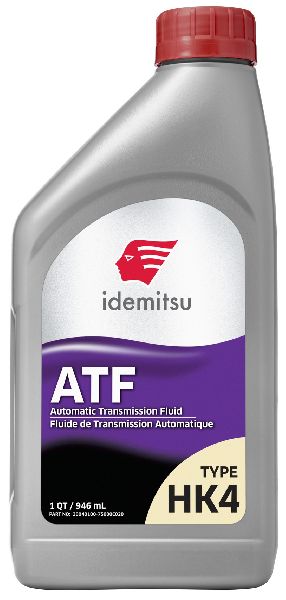
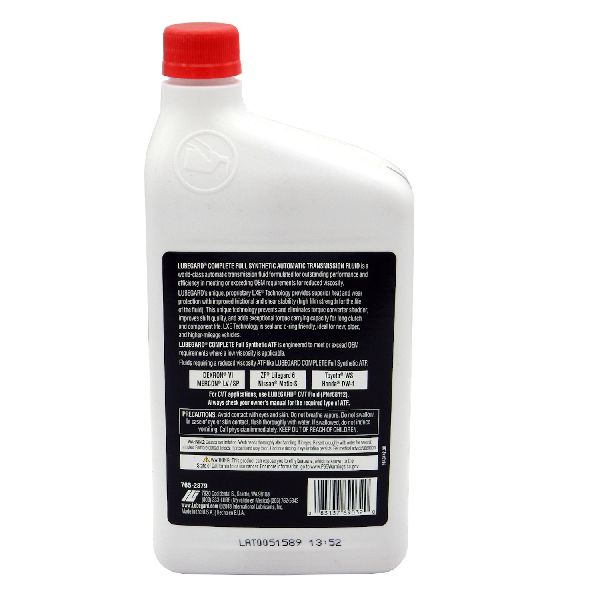
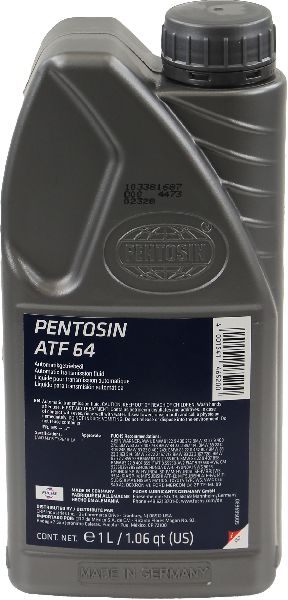
We Have This Part in Stock


The information in this article is provided for general reference and educational purposes only. Vehicle specifications, procedures, and part compatibility can vary by production date, trim level, and region. Always consult your vehicle's factory service manual and verify part numbers before purchasing or performing repairs. Safety-critical components such as airbags, seat belts, and braking systems should be installed by a qualified professional.
- Kia SORENTO:
- 🧭 Diagnostic Flowchart
- 🎬 Helpful Videos
- 🛍️ Shop This Part
- What's Unique About the 2011-2015 Kia SORENTO
- Symptoms You May Notice
- Most Likely Causes
- Rare But Worth Checking
- Diagnosis Steps
- Parts You'll Likely Need
- Related Codes That Often Appear With This One
- Technical Service Bulletins (TSBs) & Recalls
- Platform-Specific Known Issues
- Mechanic-Grade Diagnostic Values
- Scan Tool Commands That Help
- Wiring & Ground Locations
- Real Owner Repair Stories
- OEM Part Supersession History
- Model Year Variations Within This Range
- 🎟️ Get 5% Off