

P2714 on 2010-2017 GMC Sierra 1500: Pressure Control Solenoid 'D' Causes and Fixes
On 2010-2017 GMC Sierra 1500 trucks, code P2714 almost always points to a problem inside the automatic transmission, specifically a faulty pressure control solenoid, debris in the valve body, or a bad Transmission Control Module (TCM). This is not a simple DIY fix and usually requires dropping the transmission pan for diagnosis and parts replacement. Common symptoms include harsh shifting, delayed gear engagement, and potential loss of reverse.
- P2714 on a GMC Sierra is a serious transmission code that points to an internal hydraulic control issue.
- The most likely causes are debris in the valve body, a bad pressure control solenoid, or a faulty TCM, as confirmed by GM's own service bulletins.
- Do not ignore this code. Continued driving can lead to more severe and expensive transmission damage.
- This is not a DIY-friendly repair. Due to the complexity, professional service is strongly recommended.
- When the repair is made, it is critical to inspect the entire valve body system for debris, not just replace a single part.
What's Unique About the 2010-2017 Gmc SIERRA 1500
This issue is well-documented on GMC Sierra 1500s, which primarily used the 6L80 6-speed automatic transmission during this period. General Motors has issued multiple Technical Service Bulletins (TSBs) that link code P2714 to specific internal transmission problems, such as debris in the valve body, issues with the TCM, and even mechanical failures like dislodged retainer rings. This indicates a known pattern of failure within the transmission's hydraulic control system rather than a random electrical fault. The TCM is integrated into the valve body assembly as a TEHCM (Transmission Electro-Hydraulic Control Module), making it susceptible to heat and contamination from degraded fluid.
Diagnostic Flowchart
Tap your situation to follow the diagnostic path that matches what you're seeing on this vehicle.
Generation note: The 2010-2017 range covers the end of the GMT900 generation (2010-2013) and the K2XX generation (2014-2017). Both generations heavily utilized the 6L80 automatic transmission, where this issue is commonly reported. The diagnostic and repair procedures are similar for both generations, though there were running changes to the TEHCM and internal components over the years.
Symptoms You May Notice
- Harsh, erratic, or delayed shifting, especially into Drive or during upshifts.
- Transmission slipping between gears (engine RPMs flare up without an increase in speed).
- Inability to engage reverse gear (as noted in TSB #PIP6008E).
- Check Engine Light or transmission warning light illuminated.
- Vehicle enters 'limp mode', stuck in one gear (often 2nd or 3rd).
- Loss of forward gears or failure to move from a stop.
- A noticeable 'clunk' or jarring engagement when shifting from Park to Drive.
- Replacing only one solenoid when debris is the root cause. If the valve body isn't cleaned, the new solenoid may fail quickly.
- Condemning the entire transmission for a rebuild without first diagnosing the valve body, solenoids, and TCM, which are the most common culprits and can be replaced separately.
- Replacing the TCM without confirming the wiring harness and solenoids are in good working order first.
Most Likely Causes
- Debris in the Transmission Valve Body 🔴 High Probability → Shop Transmission Valve Body TSB #PIP4831E specifically advises technicians to inspect for debris in the valve body for this code on these trucks. Contaminated fluid with metal shavings or clutch material can clog the fine passages within the valve body and cause solenoids to stick. Debris from a failing torque converter lockup lining is a common source of contamination in the 6L80.
How to confirm: The transmission pan and valve body must be removed for visual inspection of the hydraulic passages and solenoid screens. The pan magnet should be checked for excessive metal debris.
Typical fix: Clean the valve body thoroughly. If passages are blocked or damaged, the valve body may need replacement. A full fluid and filter change is mandatory.
Est. part cost: $50-$150 for gaskets and fluid, $400-$800 for a new valve body if needed. - Faulty Pressure Control Solenoid 'D' 🔴 High Probability → Shop Transmission Clutch Pressure Control Solenoid Solenoids are electro-mechanical parts that wear out over time. They are submerged in hot transmission fluid and can fail electrically (open/short in the coil) or mechanically (plunger gets stuck). 🎬 Watch: How to repair the pressure switch membrane yourself. The entire set of solenoids is integrated into the TEHCM, which is a known failure point.
How to confirm: A technician can test the solenoid's resistance with a multimeter. A high-end scan tool can also command the solenoid on and off to check its response and run a cleaning cycle.
Typical fix: Replace the faulty solenoid. It is highly recommended to replace the entire TEHCM (which includes all solenoids) since they are all the same age and the labor to access them is significant.
Est. part cost: $50-$150 for a single solenoid, $200-$400 for a complete solenoid pack. - Faulty Transmission Control Module (TCM) 🟡 Medium Probability → Shop Transmission Assembly TSB #PIP4831E suggests reviewing the date code on the TCM, indicating that certain batches may be prone to failure. The TCM is located inside the transmission pan on the 6L80, where it is exposed to constant heat and vibration, which can lead to internal circuit failure. The TCM and solenoids are one unit, the TEHCM.
How to confirm: This is typically a process of elimination. If the fluid, wiring, and solenoids are all confirmed to be good, the TCM becomes the primary suspect. A scan tool may also show internal memory or communication faults.
Typical fix: Replace and program the TEHCM. This must be done by a shop or service with the correct GM programming tools (like a J2534 device), as the module is VIN-specific.
Est. part cost: $500-$1000 for a new TCM plus programming. Remanufactured units are available for $400-$700. 🎬 Watch: Expert advice on choosing and replacing your TEHCM.
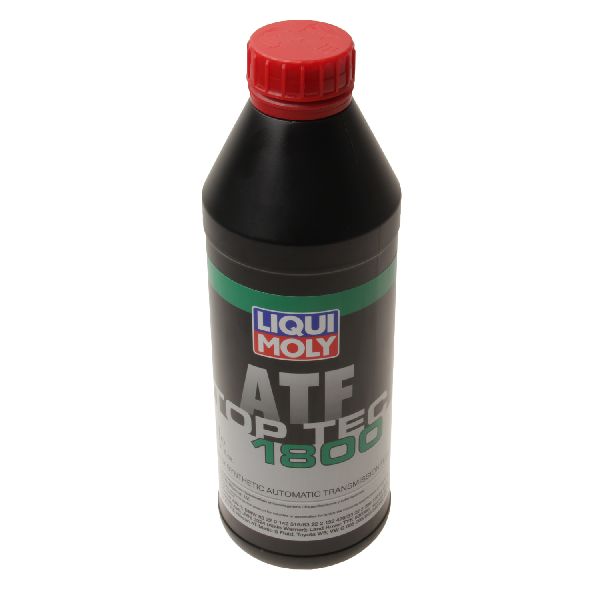
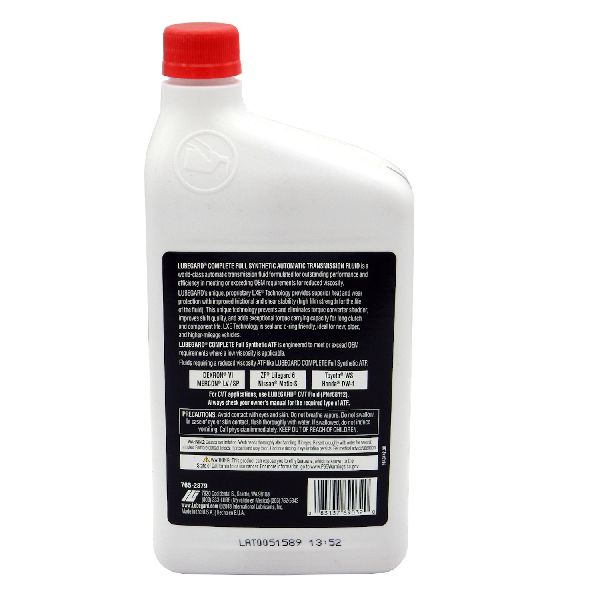
- Low or Contaminated Transmission Fluid ⚪ Low Probability → Shop Transmission Assembly While not unique to this platform, low fluid levels can cause pressure issues that may trigger a solenoid performance code. Contaminated fluid (burnt or full of debris) can cause solenoids to stick or fail. The 6L80 transmission requires DEXRON-VI fluid specifically.
How to confirm: Check the transmission fluid level and condition via the dipstick (if equipped) or the check plug on the transmission pan. The fluid should be at the correct level, bright red (DEXRON-VI), and not smell burnt.
Typical fix: Perform a transmission fluid and filter change. If the fluid is heavily contaminated, a full flush may be recommended, but cleaning the pan and valve body is often more effective.
Est. part cost: $100-$250 for fluid and a filter.
Rare But Worth Checking
- Dislodged Retainer Ring: TSB #PIP6008E mentions this as a possible cause for P2714, which can lead to a no-reverse condition. This is a specific mechanical failure where the Input Internal Gear Retainer Ring becomes dislodged, typically on very low-mileage transmissions.
- Damaged Wiring Harness: The internal transmission wiring harness that connects the TCM to the solenoids can become brittle from heat cycles, causing intermittent connections or shorts. This should be inspected any time the pan is off. The main external connector can also be difficult to seat properly, leading to communication codes.
Diagnosis Steps
- Verify the transmission fluid level and condition. Use only DEXRON-VI fluid. Address any low or dirty fluid first.
- Use a professional scan tool to confirm P2714 is the active code and check for any other transmission-related codes.
- Drop the transmission pan and inspect the fluid and pan magnet for excessive metal shavings or debris. This indicates the severity of internal wear.
- Visually inspect the internal wiring harness for any signs of damage, brittleness, or corrosion at the connectors.
- Remove the valve body to access the solenoids and the integrated TCM.
- Test the resistance of Pressure Control Solenoid 'D' with a multimeter. Compare the reading to the manufacturer's specification (typically 3-8 Ohms for a PWM solenoid). An open or shorted reading indicates a failed solenoid.
- Inspect the valve body for debris, stuck valves, or a dislodged retainer ring as noted in TSBs.
- If solenoids, wiring, and the valve body appear to be in good condition, the TCM is the most likely remaining cause. Check the TCM part number and date code against any known problematic batches mentioned in TSBs.
Parts You'll Likely Need
- Transmission Solenoid Kit (TEHCM)
(OEM #24254909 (This is a common part number for the complete solenoid body assembly, verify for specific year))— This is the most common electrical failure point for this code. It's often recommended to replace all solenoids as a set since they have experienced the same wear and tear. They are often sold as a complete assembly with the internal harness.
Trusted brands: ACDelco, Dorman
OEM price range: $250-$400
Aftermarket price range: $150-$250 - Transmission Control Module (TCM)
(OEM #24256861 (A common service number, but must be verified with VIN))— As cited in TSB #PIP4831E, the TCM itself can be the cause of the problem. It is the 'brain' that controls the solenoids and is located inside the transmission.
Trusted brands: ACDelco
OEM price range: $500-$1000
Aftermarket price range: $400-$700 (remanufactured, requires VIN programming) - Transmission Filter and Gasket Kit — This is required for any repair that involves dropping the transmission pan. A new filter is critical to ensure clean fluid circulates after the repair.
Related Codes That Often Appear With This One
- P0796 — This code relates to Pressure Control Solenoid 'C'. TSB #PIE0645 lists P2714 and P0796 together, indicating a potential common failure in the valve body or TCM affecting multiple solenoids.
- P0751 — This code is for Shift Solenoid 'A' Stuck Off. TSB #PIP4831E lists it alongside P2714 as part of a group of codes that point towards valve body debris or TCM issues.
- P0776 — This code is for Pressure Control Solenoid 'B' Stuck Off. It is also part of the group of codes in TSB #PIP4831E, suggesting a systemic issue rather than a single component failure.
Technical Service Bulletins (TSBs) & Recalls
- PIP6008E: Mentions a dislodged retainer ring as a cause for P2714, often accompanied by a no-reverse condition, and notes this is typically seen on transmissions with very low mileage (under 1500 miles).
- PIE0645: An engineering information request from GM to gather data on vehicles with P2714 and P0796, indicating slipping or improper shifting.
- PIP4831E: Advises technicians to inspect the valve body for debris and check the TCM's date code for a range of solenoid performance codes, including P2714.
Platform-Specific Known Issues
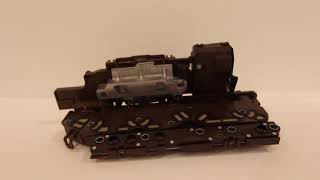
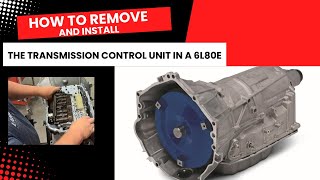
- 6L80 Transmission Design: → Shop Transmission Assembly The 6L80 transmission, used in these Sierra models, integrates the Transmission Control Module (TCM) with the valve body and solenoids into a single unit called a TEHCM (Transmission Electro-Hydraulic Control Module). This design means that a failure of the TCM requires removal of the entire valve body assembly from inside the transmission for replacement and subsequent programming.
Mechanic-Grade Diagnostic Values
- Pressure Control Solenoid (PWM) Resistance — expected: 3-8 ohms. Failure: A reading outside this range, or showing an open/short circuit, indicates a failed solenoid.
- Shift Solenoid (On/Off) Resistance — expected: 20-40 ohms. Failure: A reading outside this range indicates a failed on/off type shift solenoid. Note: PC Solenoid 'D' is a PWM type.
- Pressure Control Solenoid (PWM) Current Draw — expected: 1.5–4.0 amps at 12 volts. Failure: Incorrect amperage draw suggests a failing solenoid coil. This is an advanced bench test.
Scan Tool Commands That Help
- GDS2 / Tech2: Solenoid Cleaning Process — If a solenoid performance DTC like P2714 is present, this automated function cycles all solenoids to flush out potential debris. It can be attempted before replacing the TEHCM to see if the code clears.
- GDS2 / Tech2 / J2534 device: TCM Programming/Setup — This is mandatory after replacing the TEHCM. The new module must be programmed with the vehicle's VIN and specific calibration files to function correctly.
Wiring & Ground Locations
- G218 — For the K2XX generation (2014-2017), G218 is located under the driver's side dash, behind the kick panel.. Poor grounds can cause a wide range of seemingly unrelated electrical issues and communication faults between modules like the ECM and TCM. While not a direct cause of P2714, verifying major grounds is a crucial step in diagnosing any electronic fault code.
- Main Transmission Connector — External, on the passenger side of the 6L80 transmission case.. This is a twist-lock connector that is notoriously difficult to seat correctly. An incomplete connection can cause no-communication codes and various solenoid performance faults. It should be the first external wiring point checked.
Real Owner Repair Stories
- gm-trucks.com forum user (2011 Silverado 1500 w/ 6L80) — Harsh 1-2 shift, P2714 code present.
❌ Tried (didn't work) Initial diagnosis pointed to a bad solenoid.
✅ What actually fixed it The user replaced the entire TEHCM (Transmission Electro-Hydraulic Control Module), which includes the TCM and all solenoids. After replacement and programming, the shifting issues and code were resolved.
OEM Part Supersession History
Varies by year (e.g., 24256939)→Varies by year (e.g., 24294925)— GM made several revisions to the TEHCM to improve reliability, addressing issues with pressure switches and thermal tolerance.
Heads up: TEHCMs are not universally interchangeable. An early generation TEHCM may not work in a later model year truck, and vice-versa. The correct part number must be verified by VIN and the OE part number on the original unit.
Model Year Variations Within This Range
- 2010-2013 (GMT900) vs 2014-2017 (K2XX): While both use the 6L80, there were running changes. The K2XX trucks (2014+) are known for having specific ground locations, like G218, that can become problematic and cause widespread electrical issues if faulty. Additionally, TEHCM part numbers and software calibrations changed over this period, meaning parts are not always cross-compatible.
Helpful Videos
We Have This Part in Stock


The information in this article is provided for general reference and educational purposes only. Vehicle specifications, procedures, and part compatibility can vary by production date, trim level, and region. Always consult your vehicle's factory service manual and verify part numbers before purchasing or performing repairs. Safety-critical components such as airbags, seat belts, and braking systems should be installed by a qualified professional.
- Gmc SIERRA 1500:
- 🧭 Diagnostic Flowchart
- 🎬 Helpful Videos
- 🛍️ Shop This Part
- What's Unique About the 2010-2017 Gmc SIERRA 1500
- Symptoms You May Notice
- Most Likely Causes
- Rare But Worth Checking
- Diagnosis Steps
- Parts You'll Likely Need
- Related Codes That Often Appear With This One
- Technical Service Bulletins (TSBs) & Recalls
- Platform-Specific Known Issues
- Mechanic-Grade Diagnostic Values
- Scan Tool Commands That Help
- Wiring & Ground Locations
- Real Owner Repair Stories
- OEM Part Supersession History
- Model Year Variations Within This Range
- 🎟️ Get 5% Off