

P2714 on 2010-2017 GMC Yukon: Pressure Control Solenoid 'D' Causes and Fixes
On a 2010-2017 GMC Yukon, code P2714 typically points to a failed Pressure Control Solenoid 'D' or related issues within the transmission valve body. This often requires dropping the transmission pan to replace the solenoid, which can cost between $300 and $700 at a shop. For 6L80 models (2010-2014), this is PCS4, while for 8L90 models (2015+), it's the S4 solenoid.
- P2714 on a GMC Yukon means Pressure Control Solenoid 'D' is stuck off, causing serious shifting problems.
- The most common fixes involve replacing the faulty solenoid or addressing contaminated fluid/a clogged valve body.
- On 2015+ models with the 8L90 transmission, this code can be a symptom of a more serious internal issue like a cracked clutch piston.
- This is not a DIY-friendly repair for beginners. Professional diagnosis is recommended to avoid unnecessary and expensive part replacements.
What's Unique About the 2010-2017 Gmc YUKON
The 2010-2017 GMC Yukon spans two generations, primarily using the 6L80 (until 2014) and 8L90 (2015+) automatic transmissions. For the 6L80, P2714 points to an issue with Pressure Control Solenoid 4 (PCS4), which is part of the integrated TEHCM (Transmission Electro-Hydraulic Control Module) and not typically serviced separately. For the 8L90, code P2714 specifically relates to the S4 solenoid, which controls the 2-3-4-6-8 clutch. A known issue on these early 8-speed transmissions is a cracked C4 clutch piston, which can directly cause the P2714 code along with 1-2 shift problems. Additionally, GM has issued Technical Service Bulletins (TSBs) that point to unique mechanical failures like a dislodged retainer ring (PIP6008E) or debris in the valve body (PIP4831E) as potential causes for this code across these transmissions.
Diagnostic Flowchart
Tap your situation to follow the diagnostic path that matches what you're seeing on this vehicle.
Generation note: This range covers the end of the third generation (2010-2014, GMT900 platform) and the start of the fourth generation (2015-2017, K2XX platform). The third-gen typically uses the 6L80 transmission, where P2714 relates to PCS4. The fourth-gen introduced the 8L90, where P2714 relates to the S4 solenoid. While the code's meaning is similar, specific internal parts like the C4 clutch piston mentioned in service documents are unique to the 8L90. TCC shudder is also a very common complaint on the 8L90, sometimes addressed with a specific fluid flush procedure.
Symptoms You May Notice
- Harsh, jerky, or delayed gear shifts, especially the 1-2 shift on 8L90 models.
- Transmission slipping (engine RPMs increase but speed does not).
- Vehicle may enter 'limp mode' with limited gear availability (often defaults to 3rd or 5th gear).
- Check Engine Light or Transmission Warning Light is on.
- Possible loss of reverse gear (as noted in TSB PIP6008E).
- A noticeable 'thump' or 'bang' when the transmission finally engages a gear.
- Transmission overheating.
- Feeling like the vehicle is running over rumble strips (a symptom of TCC shudder common to the 8L90, which can occur alongside other issues).
- Replacing the entire transmission when only a single solenoid, the valve body, or the TEHCM was at fault.
- Replacing the TCM when the actual problem is a simple wiring issue or a clogged solenoid.
- On 8L90 models, repeatedly replacing solenoids or the valve body when the root cause is a cracked C4 clutch piston.
Most Likely Causes
- Faulty Pressure Control Solenoid 'D' (PCS 'D') 🔴 High Probability → Shop Transmission Clutch Pressure Control Solenoid Solenoids are electro-mechanical parts that wear out over time from heat and constant use. Debris in the fluid can also cause them to stick or fail. On the 6L80, the solenoids are integrated into the TEHCM, which is a common failure point.
How to confirm: A technician can use a bi-directional scan tool to command the solenoid on and off to check its response. Resistance can also be checked with a multimeter; for a 6L80 PWM solenoid like PCS4, the expected resistance is 3-8 ohms. For an 8L90 VFS solenoid like S4, the resistance should be 4.5-5.5 ohms. An out-of-spec reading indicates failure.
Typical fix: For the 8L90, replace the individual S4 solenoid. For the 6L80, the entire TEHCM (Control Solenoid Valve Assembly) is typically replaced as the solenoids are integrated.
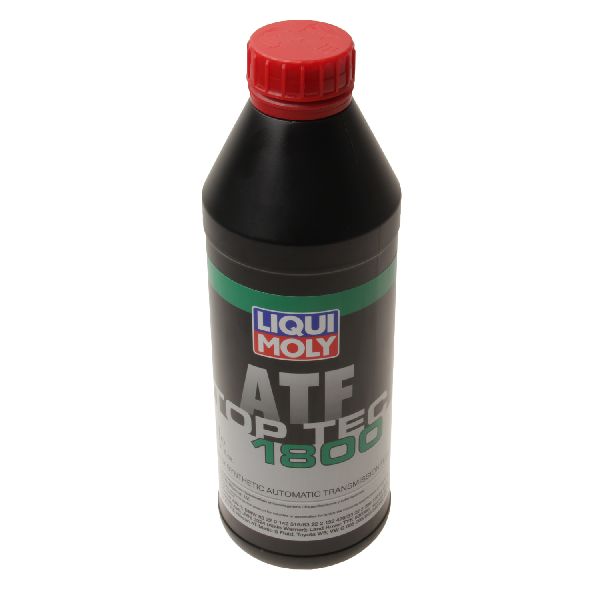
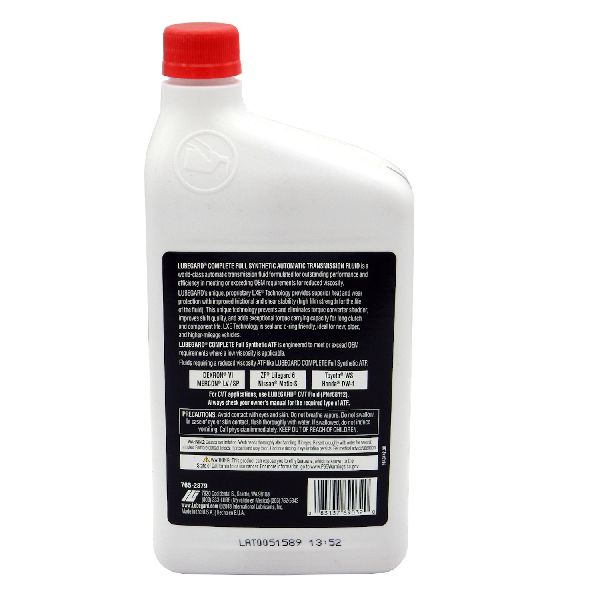
Est. part cost: $40-$100 for an individual solenoid, $300-$600 for a TEHCM assembly. - Low or Contaminated Transmission Fluid 🟡 Medium Probability → Shop Transmission Assembly Fluid is the lifeblood of the transmission. If it's low from a leak (e.g., cooler lines), the pump can't create proper pressure. If it's dirty or full of debris from component wear, it can clog solenoid passages and the valve body. Early 8L90s were also prone to TCC shudder caused by moisture-absorbent fluid, which was later addressed by a switch to Mobil 1 Synthetic LV ATF HP fluid.
How to confirm: Check the transmission fluid level and condition. The fluid should be bright red and not smell burnt. Dark, burnt fluid with metal shavings indicates a serious internal problem. The 8L90 has a specific, complex fluid check procedure involving temperature ranges.
Typical fix: Perform a transmission fluid and filter change. If addressing TCC shudder on an 8L90, a full fluid exchange with the updated fluid is recommended.
Est. part cost: $75-$250 for a fluid and a filter kit. - Sticking or Debris in the Valve Body 🟡 Medium Probability → Shop Transmission Valve Body GM TSB #PIP4831E specifically advises technicians to look for debris in the valve body for this code. Small particles from clutch wear or metal shavings can prevent valves and solenoids from moving freely, causing pressure control issues.
How to confirm: This requires removing the transmission pan and valve body for a thorough visual inspection and cleaning. Technicians may also check for sticking valves within the valve body bores.
Typical fix: Clean the valve body passages and valves. In some cases, the entire valve body may need to be replaced if it's warped, damaged, or has worn bores.
Est. part cost: $300-$1200 for a replacement valve body. - Cracked C4 (2-3-4-6-8) Clutch Piston (8L90) ⚪ Low Probability → Shop Transmission Assembly This is a known failure point on early 8L90 transmissions (2015+ models). The cracked piston causes a pressure loss that directly sets a P2714 code and often results in a problematic 1-2 shift. GM later updated the piston design to be more robust.
How to confirm: This is a major internal repair. Diagnosis often involves observing specific 1-2 shift issues alongside the code, and confirmation requires transmission disassembly. A forum user with a 2016 Yukon Denali reported this exact failure with codes P0700 and P2714.
Typical fix: The transmission must be removed and disassembled to replace the cracked piston with an updated part.
Est. part cost: $50-$150 for the piston, but labor is extensive.
Rare But Worth Checking
- Dislodged Retainer Ring: Mentioned in GM TSB #PIP6008E, this specific mechanical failure can cause P2714 and a loss of reverse gear. It's a rare but documented issue that requires internal inspection.
- Faulty Transmission Control Module (TCM): → Shop Transmission Assembly While less common, the TCM itself can fail and stop sending the correct signal to the solenoid. For the 6L80, the TCM is integrated with the valve body and solenoids in the TEHCM, so a solenoid failure requires replacing the whole unit, including the TCM. This is usually diagnosed after all other possibilities have been ruled out.
- Damaged Wiring or Connectors: The wiring harness leading to the transmission can be damaged by heat or road debris. The internal harness and connectors can also become brittle and fail. A visual inspection and continuity test can confirm this.
Diagnosis Steps
- Check the transmission fluid level and condition. Ensure the fluid is at the correct level and is not dark, burnt, or full of debris. For the 8L90, this must be done within a specific temperature range.
- Use a professional scan tool to check for any other transmission-related codes and to view live data, such as commanded vs. actual solenoid states and clutch slip speeds.
- Inspect the external transmission wiring harness and connectors for any signs of damage, corrosion, or loose connections.
- Drop the transmission oil pan and inspect for metal shavings or other debris. Excessive metal points to a severe internal failure.
- Visually inspect the internal wiring, solenoids, and valve body. Look for anything obviously broken or out of place.
- Test the resistance of the suspect solenoid with a multimeter. For a 6L80 PWM solenoid (PCS4), it should be 3-8 ohms. For an 8L90 VFS solenoid (S4), it should be 4.5-5.5 ohms. Compare the reading to the manufacturer's specification.
- If possible, use a scan tool to command the solenoid on and off to verify its mechanical operation and listen for a click.
- If the solenoid and wiring test good, the issue is likely a blockage in the valve body, a failed seal, or a more significant internal mechanical problem like a cracked clutch piston (8L90) or dislodged ring (per TSBs).
Parts You'll Likely Need
- Transmission Pressure Control Solenoid
Related Codes That Often Appear With This One
- P2715 — This code is for 'Pressure Control Solenoid 'D' Stuck On', the opposite of P2714. Seeing them together or intermittently can point to an erratic solenoid or a wiring problem.
- P0700 — This is a generic code indicating that the Transmission Control Module (TCM) has stored a fault code. It's an informational code that tells you to look for more specific codes like P2714.
Technical Service Bulletins (TSBs) & Recalls
- PIP6008E: Mentions a dislodged retainer ring as a possible cause for P2714, potentially with a loss of reverse.
- PIP4831E: Advises technicians to inspect the valve body for debris when encountering P2714 and other solenoid performance codes.
- 24-NA-009 (replaces PIP5819B): While for a different transmission (CVT), it shows P2714 can be caused by a sticking clutch regulator valve or internal damage, highlighting a pattern in GM diagnostics.
Platform-Specific Known Issues
- On 8L90-equipped models (2015+), a cracked C4 clutch piston is a documented cause for P2714.
- TSB PIP4831E notes that debris in the valve body is a known issue that can trigger this code.
- TSB PIP6008E identifies a rare but possible cause where a retainer ring becomes dislodged, leading to P2714 and potentially a loss of reverse.
Mechanic-Grade Diagnostic Values
- 6L80 Pressure Control Solenoid (PCS) Resistance — expected: 3-8 ohms. Failure: A reading outside this range indicates a failed solenoid.
- 6L80 Shift Solenoid (On/Off) Resistance — expected: 20-40 ohms. Failure: A reading outside this range indicates a failed solenoid.
- 8L90 Variable Force Solenoid (VFS) Resistance — expected: 4.5-5.5 ohms. Failure: A reading outside this range indicates a failed solenoid. Note that these solenoids are individually flow-rated and must be returned to their original bore if removed.
- 6L80/90 Idle Pressure at Operating Temp — expected: 45-80 psi. Failure: Pressure significantly below this range can indicate pump or valve body issues.
Scan Tool Commands That Help
- GDS2 / Tech2 / High-End Aftermarket: Service Fast Learn Adapts — This stationary procedure must be performed after any transmission repair, including valve body/solenoid replacement or a fluid change, to allow the TCM to learn clutch apply pressures. Failure to do so can result in poor shift quality and new DTCs.
- GDS2 / Tech2: Solenoid Automated Cleaning Process — If a solenoid performance DTC is present, this automated function cycles the solenoids to flush out potential debris. If the code returns after cleaning, the TEHCM likely needs replacement.
- GDS2 / Tech2 / J2534 Pass-Thru: TCM Programming — Required when replacing the TEHCM (on 6L80) or TCM (on 8L90). The module must be programmed with the vehicle's VIN and the latest calibration files from GM's TIS2Web/SPS2 service.
Wiring & Ground Locations
- Transmission Pressure Test Port — On 6L80/90 models, the port is located on the passenger's side of the transmission case, behind the bell housing.. Allows for direct measurement of transmission line pressure with a mechanical gauge to verify if hydraulic pressure is within spec, helping to differentiate between a hydraulic and electronic fault.
- G103 Ground — Located on the front of the right cylinder head on a 2012 Yukon.. A poor ground connection for the engine and transmission control systems can cause erratic behavior and false codes. This is a key ground point to check for the Engine Control Module.
- TEHCM Connector (6L80) — Inside the transmission oil pan, connected to the Control Solenoid Valve Assembly (TEHCM).. This is the main electrical connection point for all solenoids. The internal harness can become brittle from heat and fluid exposure, leading to intermittent connections or shorts that can trigger solenoid performance codes.
- 8L90 Internal Harness Connector — Inside the transmission oil pan, connecting the valve body solenoids to the pass-through case connector. It has a cam-style lever lock.. The transmission fluid temperature sensor is integrated into this harness. A failure in this harness can cause multiple issues, including temperature sensor codes (like P0711) which may appear alongside solenoid codes.
Real Owner Repair Stories
- YouTube user 'Danny's DIY' (2015 Lexus GX460 (similar transmission logic)) — Check engine light with codes P2714 and P0761.
❌ Tried (didn't work) Drained and refilled transmission fluid., Replaced two suspect valve body solenoids., Cleared codes with a diagnostic computer.
✅ What actually fixed it The error codes returned and transmission performance worsened. The ultimate fix was a complete transmission rebuild at a mechanic for $4,500, indicating the solenoid issue was a symptom of a larger internal mechanical failure.
OEM Part Supersession History
GM #24259278 (Large Diameter Piston), GM #24259269 (Small Diameter Piston)→GM #24283350 (Large), GM #24283351 (Small)— The C4 clutch piston and dam in the 8L90 were updated to mitigate cracking issues that caused codes like P2714.
Heads up: The updated pistons have different seal dimensions and are not designed to back-service previous model years (2015-2017) without also changing associated seals and potentially calibrations.GM #24241350, 24252114 (2010-2013 6L80 TEHCM)→GM #24256861 / 24256863— The TEHCM for the 6L80 was revised multiple times to improve solenoid performance and fix pressure switch issues.
Heads up: TEHCMs are year- and model-specific. Installing the wrong Tag ID can result in a no-start or immediate limp mode. The replacement TEHCM must be programmed to the vehicle's VIN.
Model Year Variations Within This Range
- 2010-2014 (6L80): The entire TEHCM (part #24256861 for many in this range) which integrates the TCM and solenoids, must be replaced as a unit. These units require VIN programming upon installation.
- 2015-2017 (8L90): Features individual solenoids that can be replaced. However, each solenoid has a unique flow-rate characterization (PUN) that is programmed to the TCM. Swapping solenoids without reprogramming can cause shift quality issues. The TCM is mounted externally.
- 2015-2017 (8L90): These early 8L90 models are prone to a cracked C4 clutch piston. The part was updated in 2018 with a more robust design.
We Have This Part in Stock


The information in this article is provided for general reference and educational purposes only. Vehicle specifications, procedures, and part compatibility can vary by production date, trim level, and region. Always consult your vehicle's factory service manual and verify part numbers before purchasing or performing repairs. Safety-critical components such as airbags, seat belts, and braking systems should be installed by a qualified professional.
- Gmc YUKON:
- 🧭 Diagnostic Flowchart
- 🛍️ Shop This Part
- What's Unique About the 2010-2017 Gmc YUKON
- Symptoms You May Notice
- Most Likely Causes
- Rare But Worth Checking
- Diagnosis Steps
- Parts You'll Likely Need
- Related Codes That Often Appear With This One
- Technical Service Bulletins (TSBs) & Recalls
- Platform-Specific Known Issues
- Mechanic-Grade Diagnostic Values
- Scan Tool Commands That Help
- Wiring & Ground Locations
- Real Owner Repair Stories
- OEM Part Supersession History
- Model Year Variations Within This Range
- 🎟️ Get 5% Off