

OBD-II Code P2720: Pressure Control Solenoid 'D' Control Circuit Low
The Ultimate Expert Guide to Diagnosing and Fixing P2720
- P2720 is an electrical fault code triggered when the transmission control module detects less than 9 volts on the 'D' pressure control solenoid circuit.
- Never replace the transmission or solenoid without first testing the external wiring harness and ground strap, which account for the majority of these failures.
- If you own a 2018-2019 GM truck or SUV, check Technical Service Bulletin N182193520 first; the fix is often just reseating a loose internal connector.
- Limit driving to under 50 miles to reach a repair shop; ignoring this code causes clutch slipping that turns a $300 electrical repair into a $3,000 transmission rebuild.
What Does P2720 Mean?
P2720 means your Powertrain or Transmission Control Module (PCM/TCM) detects the electrical circuit for Pressure Control Solenoid 'D' has a voltage reading lower than the manufacturer's specification. This solenoid is a critical electro-hydraulic valve managing fluid pressure to apply specific clutch packs. A 'low' circuit condition prevents the solenoid from operating, causing significant shifting problems.
Technical definition: The SAE/OBD-II definition is "Pressure Control Solenoid 'D' Control Circuit Low". The PCM/TCM detects voltage on the control circuit for solenoid 'D' is below its expected range. The module interprets this as a short to ground, a high-resistance ground path, or a TCM driver circuit fault. A voltage reading below 9V when commanded on is the typical trigger threshold.
Can I Drive With P2720?
Yes, But With Caution. You can drive the vehicle, but it will likely exhibit harsh shifting, get stuck in a single gear ('limp mode'), or slip, creating a safety risk. Drive only as far as needed to reach a repair shop (under 50 miles). Continued driving at highway speeds generates excessive heat from slipping clutches, quickly burning the clutch packs and turning a $300 electrical fix into a $3,000+ transmission rebuild.
Common Causes
- Damaged Wiring or Connectors (Very Common) — The wiring harness leading to the transmission is damaged by heat, vibration, or road debris, causing wires to short to ground. Connector pins corrode from moisture intrusion, creating high resistance and a voltage drop.
- Poor Ground Connection (Common) — A corroded, loose, or broken ground strap for the transmission or TCM creates a high-resistance path to ground. This causes a voltage drop across the entire circuit, triggering a P2720 code even if the solenoid and power-side wiring are fine.
- Faulty Pressure Control Solenoid 'D' (Common) — The solenoid fails internally. The electromagnetic coil develops a short circuit or an open, preventing it from actuating when commanded by the TCM.
- Low Vehicle System Voltage (Less Common) — A failing battery or alternator causes the vehicle's electrical system voltage to dip. If system voltage drops below 10V during operation, it starves the TCM and its output circuits, leading to a low voltage code.
- Low or Dirty Transmission Fluid (Less Common) — Low fluid levels lead to pump cavitation and pressure issues. Old, burnt fluid clogs the small passages within the solenoid and valve body, causing it to stick and perform poorly, sometimes inducing electrical stress.
- Faulty Transmission Control Module (TCM) (Less Common) — The internal driver circuit within the TCM responsible for sending the voltage signal to the solenoid burns out. The solenoid and wiring test perfectly, but the command module itself is broken.
- Improperly Seated Internal Connectors (Rare) — On specific vehicles, like GM models with 8-speed transmissions, an internal connector on the valve body is not fully seated from the factory, directly causing a low circuit fault.
- Internal Transmission Mechanical Issues (Rare) — A failing transmission pump or a significant blockage in the hydraulic passages of the valve body results in symptoms mimicking a solenoid electrical fault.
Symptoms
- Harsh, Delayed, or Erratic Shifting — The most common symptom is a noticeable jolt, slam, or significant delay when the transmission attempts to change gears.
- Vehicle Stuck in Gear or 'Limp Mode' — To prevent damage, the TCM commands the transmission to default to a single gear (often 2nd or 3rd), severely limiting vehicle speed and acceleration.
- Check Engine Light or Transmission Warning Light — The vehicle's computer illuminates a warning light on the dashboard to alert the driver to the detected fault.
- Transmission Slipping — Engine RPMs flare up between shifts or increase without a corresponding increase in vehicle speed, indicating the gear is not fully engaged.
- Decreased Fuel Economy — When the transmission fails to shift into the most efficient gear, the engine operates at higher RPMs, consuming more fuel.
- Engine Stalling When Coming to a Stop — If the solenoid's failure affects the torque converter clutch or causes a gear to remain partially engaged, the engine stalls when stopping.
- Transmission Overheating (also visible on scanner) — Slipping clutches and inefficient operation generate excessive heat, causing the transmission to overheat under load.
Diagnostic Flowchart
Tap your situation to follow the diagnostic path that matches what you're seeing on this code.
Common Fixes & Costs
- Repairing Damaged Wiring or Ground Strap — Parts: $10-$50, Labor: $150-$300, ~1.5 hr book time (Intermediate)
- Replacing the Pressure Control Solenoid — Parts: $80-$200, Labor: $250-$500, ~3.0 hr book time (Professional)
- Changing the Transmission Fluid and Filter — Parts: $70-$150, Labor: $120-$225, ~1.0 hr book time (DIY)
- Replacing the Transmission Control Module (TCM) — Parts: $600-$1200, Labor: $200-$400, ~2.5 hr book time (Professional)
- Reseating Internal Transmission Connectors — Parts: $50-$100, Labor: $250-$450, ~2.5 hr book time (Professional)
Used vs. New Parts: Buying Guide
When a used part is worth it: A used solenoid or valve body from a low-mileage, accident-damaged vehicle is a cost-effective option for an older, high-mileage car where budget is the primary concern. It carries a high risk of hidden faults.
Donor-vehicle mileage cap: roughly under 70000 miles for the part to have meaningful remaining life.
Donor quality checklist:
- Verify the donor vehicle was not scrapped due to transmission failure.
- Obtain the VIN of the donor car to check its history.
- Look for sellers offering a warranty (30-90 days) and a clear return policy.
- Match the part number exactly; multiple versions exist for the same model year.
Decision logic:
- If The vehicle is less than 8 years old or has under 100,000 miles → Buy new (OEM or high-quality aftermarket) or remanufactured. The reliability gain outweighs the savings.
- If The vehicle is over 10 years old and the budget is very tight → A low-mileage used part is a reasonable risk, but prepare for potential premature failure.
- If The part is a known high-failure item (e.g., Ford DPS6 TCM) → Favor a new or remanufactured unit with an updated design and a solid warranty.
Warranty tradeoff: Used parts typically offer a 30-90 day warranty. Remanufactured parts offer a 1-3 year warranty. New OEM parts carry a 12-month/12,000-mile warranty.
Worst-case if a used part fails: $500-$1000 if a used part fails after the warranty period, requiring repeat labor costs.
What Happens If You Wait — Timeline
- 0-1 week: Check Engine Light illuminates. The transmission exhibits a single harsh shift or enters 'limp mode' intermittently, often resetting after restarting the vehicle. (MPG impact: 0-5%% · Added cost: $0)
- 1 week - 2 months: Harsh shifting becomes frequent. The vehicle reliably enters 'limp mode,' limiting speed to under 40 mph. Inefficient shifting causes a clear drop in fuel economy. (MPG impact: 5-15%% · Added cost: $50-$150 in wasted fuel.)
- 2-4 months: Transmission begins to slip. Engine RPMs flare between shifts without increasing speed. Slipping generates severe heat, darkening fluid and causing irreversible internal damage. (MPG impact: 10-20%% · Added cost: $400-$900 (Requires new valve body due to contamination from burnt fluid).)
- 4+ months: Catastrophic failure. Clutch packs burn out from continuous slipping and overheating. The transmission makes grinding noises or refuses to engage gears. (MPG impact: 20-30%+% · Added cost: $3,000-$5,000+ for a full transmission overhaul.)
Cost of Not Fixing It
- 0-1 Month: Decrease in fuel economy (5-15%) due to inefficient shifting and 'limp mode' operation. Increased stress on transmission components. (Added cost: $50-$150 in wasted fuel.)
- 1-6 Months: Slipping clutches generate excessive heat, burning the transmission fluid and causing accelerated, irreversible wear on internal clutch packs. (Added cost: $300-$850 for a solenoid replacement escalates to a valve body replacement.)
- 6+ Months: Catastrophic transmission failure. Burnt clutches and contaminated fluid lead to widespread internal damage. The vehicle becomes undrivable. (Added cost: $3,000-$5,000+ for a full transmission rebuild or replacement.)
Diagnosis Steps
- Scan for Codes and Review Freeze Frame Data
Use an OBD-II scanner to confirm P2720 is the active code and check for related transmission codes (e.g., P0700, P2721). Review the freeze frame data to see sensor readings (vehicle speed, engine RPM) at the exact moment the fault triggered.
Tools: OBD-II Scanner (Beginner) - Check Transmission Fluid Level and Condition
Check the transmission fluid with the engine running at operating temperature. Top off low fluid with the manufacturer-specified ATF. If the fluid is dark brown/black, smells burnt, or contains metallic debris, a serious internal mechanical problem exists.
Tools: Rag, Transmission Dipstick (if equipped), Correct ATF (Beginner) - Inspect External Wiring, Connectors, and Grounds
Visually inspect the wiring harness running to the transmission. Look for chafing, melting, or corrosion on the main connector pins. Clean corrosion with electrical contact cleaner. Verify the main transmission ground strap is clean, tight, and undamaged.
Tools: Flashlight, Electrical Contact Cleaner, Basic Hand Tools (Intermediate) - Test Solenoid Circuit Voltage and Ground at the Connector
Disconnect the transmission harness connector. With the key on, engine off, check for battery voltage (12.0V - 12.6V) at the power supply pin on the harness side. Check resistance between the ground pin and chassis ground; it must be less than 0.5 ohms. Low voltage or high resistance points to a wiring issue.
Tools: Multimeter, Vehicle-Specific Wiring Diagram (Intermediate) - [PRO TIP] Command the Solenoid with a Bi-Directional Scan Tool
Command the TCM to turn solenoid 'D' on and off. You should hear a faint click from the transmission pan and see the voltage on the control wire change. If voltage drops below 9V during the 'on' command, it confirms the low circuit condition. If the TCM sends the command but voltage doesn't change, the TCM driver is faulty.
Tools: Advanced Bi-Directional Scan Tool, Multimeter (Professional) - Test Solenoid Internal Resistance
Measure the resistance across the solenoid's pins (at the transmission case connector or directly at the solenoid). Compare this to the manufacturer's specification (e.g., 5.0-6.3 Ohms for Honda, 10-40 Ohms for GM). A reading that is significantly lower (shorted) or infinite (open) indicates a failed solenoid. 🎬 See how to test a transmission solenoid with a multimeter.
Tools: Multimeter, Vehicle-Specific Repair Manual (Advanced) - [PRO TIP] Analyze the Solenoid Control Circuit with an Oscilloscope
Connect the scope to the solenoid's control wire at the TCM. You should see a clean square wave (PWM signal) when commanded. A clean wave indicates good TCM and wiring, pointing to an internal solenoid issue. A flat line or distorted waveform indicates a faulty TCM driver, a short, or a poor ground.
Tools: Oscilloscope, Back-Probe Adapters (Professional) - Inspect Internal Components (If Necessary)
If all electrical tests pass, remove the transmission oil pan. Visually inspect for loose internal connectors (a known GM issue), debris in the pan, or signs of heat damage on the valve body. Directly inspect and test the solenoid.
Tools: Socket Set, Torque Wrench, Gasket Scraper, Drain Pan (Professional)
When This Code Triggers (Freeze-Frame Conditions)
- Engine Coolant Temp: 175-210°F (The fault is typically detected when the engine and transmission reach full operating temperature.)
- Engine RPM: 1500-3000 RPM (The code sets during or immediately after a gear shift commanded by the TCM during acceleration or deceleration.)
- Vehicle Speed: 25-60 mph (The fault logs during normal city and highway driving when the transmission actively shifts through gears.)
- Transmission Fluid Temperature: 150-200°F (The transmission must be at operating temperature for the TCM to run full solenoid diagnostics.)
Related Codes
- P0700 — A general transmission fault code acting as a messenger. It means the TCM detected a fault (like P2720) and requested the PCM to illuminate the Check Engine Light.
- P2721 — The direct opposite of P2720, meaning 'Pressure Control Solenoid D Control Circuit High'. P2721 indicates an open circuit (broken wire, unplugged connector) or a short to a power source.
- P2714 — Means 'Pressure Control Solenoid D - Performance or Stuck Off'. P2720 is an electrical fault, while P2714 is a performance fault indicating the solenoid is mechanically stuck or there is a hydraulic blockage.
- P0796 — Code for 'Pressure Control Solenoid 'C' Performance or Stuck Off'. Functionally similar to P2714 but points to a different solenoid ('C' instead of 'D').
Climate & Environmental Factors
- High Humidity and Moisture: Water vapor penetrates non-sealed connectors and wiring insulation. Moisture creates a conductive path, leading to short circuits and accelerating galvanic corrosion on connector pins, a primary cause of 'Circuit Low' faults.
- Road Salt and Corrosive Environments: Salty spray creates a highly corrosive electrolyte that attacks wiring harnesses, ground straps, and connectors exposed under the vehicle, significantly speeding up deterioration.
- Extreme Cold: Prolonged exposure to extreme cold makes wire insulation brittle and prone to cracking. These cracks become entry points for moisture, leading to corrosion and circuit faults once temperatures rise.
How to Talk to a Mechanic About This Code
Say this: "I have a P2720 code with harsh shifting and I'd like to schedule a diagnostic. I authorize one hour of diagnostic time to confirm the cause. Please start by checking the wiring harness, grounds, and solenoid circuit resistance before recommending any part replacement."
This signals you understand P2720 is an electrical code and the cause is often not the solenoid itself. It directs the mechanic to perform a logical, cost-effective diagnosis instead of immediately quoting an expensive part replacement.
Avoid saying:
- 'My transmission is slipping, I think I need a new one.'
- 'Just fix the P2720 code.'
- 'My check engine light is on, can you look at it?'
Questions to ask before authorizing the repair:
- What were the voltage and resistance readings for the solenoid 'D' circuit?
- Did you inspect the main transmission ground and external wiring harness for damage or corrosion?
- Can you show me the failed part or the diagnostic readings that condemn it?
- Is this repair covered by any technical service bulletins (TSBs) or warranty extensions?
- What is the warranty on both the parts and labor for this specific repair?
Where to Take It: Dealer vs Independent vs Chain
- Dealer:
Recommended if your vehicle is a late-model GM, Ford, or Honda with a known issue, or if the fix requires TCM programming.
Best for: Vehicles under warranty, Diagnosing known manufacturer-specific issues (like GM TSB N182193520), Repairs requiring module programming
Downsides: Highest labor rates, Defaults to replacing larger, more expensive assemblies (like a full valve body) rather than individual components. (Typical cost: +50% vs. baseline) - Independent Shop:
Best overall fit, IF you choose a reputable transmission specialist. They accurately diagnose electrical faults versus a general mechanic.
Best for: Out-of-warranty vehicles, Shops specializing in transmission repair, Owners looking for a balance of expertise and cost
Downsides: Quality and expertise vary greatly. Must find a shop with a strong reputation in transmission diagnostics., Lacks expensive, dealer-specific programming tools. (Typical cost: +0% vs. baseline) - Chain Shop:
AVOID for P2720 diagnosis and repair. This code requires diagnostic expertise not found at chain shops.
Best for: Basic fluid changes (use with caution)
Downsides: Technicians lack specialized training for complex electrical or internal transmission work., High pressure to upsell services; misdiagnoses the issue and recommends costly, unnecessary repairs. (Typical cost: -10% vs. baseline)
When to Walk Away From the Repair
If the estimated repair cost exceeds 50% of the car's private-party value, seriously consider selling or trading in the vehicle.
- Car worth $5000, fix is $2800: Walk away. The repair cost is over 50% of the car's value. Sell the car 'as-is' and put the repair money towards a new vehicle.
- Car worth $15000, fix is $800: Fix it. The repair cost is well below the 50% threshold and makes economic sense to maintain the vehicle's value.
- Car worth $3000, fix is $1600: Borderline, but likely walk away. On an older, lower-value car, a major repair signals more problems are coming. Get a second opinion.
What Scan Tool You Need for This Code
Minimum: A scanner that reads manufacturer-specific transmission codes and views live transmission data. A basic code reader is not enough.
A $20 generic code reader only shows the P0700 'request' code, not the specific P2720 from the TCM. It cannot perform active tests to command the solenoid, a critical diagnostic step.
Budget: BlueDriver Pro (~$100) — Reads and clears specific transmission codes, views freeze frame data, and graphs live data. Good first step to confirm the code, but lacks bidirectional control.
Mid-range: Foxwell NT510 Elite / XTOOL D7 (~$150-400) — Provides full bidirectional control. Actively commands the 'D' solenoid on and off to see if it responds and monitors circuit voltage during the test. Minimum level for confident diagnosis.
Professional: Autel MaxiCOM MK808 / Foxwell NT809BT (~$450-800) — Offers full bidirectional control, advanced data graphing, and access to all vehicle modules. Provides OEM-level diagnostics, including relearn procedures necessary after replacing a TCM or valve body.
Rent vs buy: For P2720, renting is not viable as auto parts stores only rent basic code readers. To properly diagnose this code, buy a scanner with bidirectional capabilities.
How to Clear the Code After You Fix It
- Use an OBD-II scan tool to formally clear the diagnostic trouble codes.
- Ensure the transmission fluid level is correct and the battery is fully charged.
- Perform a complete OBD-II drive cycle to allow readiness monitors to run.
Drive cycle (~30 minutes): Start cold, idle for 2-5 minutes, drive 10-15 minutes in mixed city traffic, then drive 10 minutes at a steady 50-60 mph on the highway. Allow the vehicle to cool completely.
Readiness monitors affected: Comprehensive Component Monitor, Transmission Control Monitor
Before emissions retest: drive at least 100 miles to fully set monitors.
Watch out for:
- Disconnecting the battery clears the code but resets all readiness monitors to 'Not Ready', guaranteeing an emissions test failure.
- The code returns immediately if the underlying electrical fault remains unfixed.
Will This Fail Emissions / State Inspection?
Yes — this code typically fails an OBD-II emissions inspection.
- California: An active Check Engine Light is an automatic smog test failure. After repair, readiness monitors must be 'Ready'. California allows most 2000+ vehicles to pass with one incomplete monitor, but the catalyst monitor must be complete.
- New York: The NYVIP inspection includes an OBD-II scan. An illuminated Check Engine Light causes an automatic failure. The vehicle must complete a drive cycle to set readiness monitors before re-inspection.
- Texas: In emissions-testing counties, an illuminated Check Engine Light results in a failed test. The vehicle is rejected if the OBD system shows readiness monitors are 'Not Ready'.
Most Commonly Affected Vehicles
- Honda CVT Models (Civic, CR-V, Accord, HR-V) (2016-2023) — On these CVT models, P2720 almost exclusively points to an electrical fault. Solenoid resistance must test strictly between 5.0 and 6.3 ohms; otherwise, the valve body requires replacement.
- Chevrolet / GMC Camaro, Colorado, Canyon (2018-2019) — A highly probable cause is an improperly seated internal valve body connector, documented in GM Technical Service Bulletin #N182193520 for the 8L45 or 8L90 transmission.
- Ford Focus, Fiesta (2011-2018) — On models with the DPS6 'PowerShift' dual-clutch transmission, this code points to a faulty TCM, a widespread issue subject to a major class-action settlement.
- Nissan Rogue, Altima, Sentra (2014-2020) — Common on CVT models. The code is triggered by a failing solenoid within the valve body assembly, frequently requiring the entire valve body to be replaced.
- BMW 3-Series, 5-Series (E90, E60) (2006-2013) — On BMWs with ZF transmissions, this code points specifically to a short circuit to ground in the pressure regulator valve (EDS) circuit within the Mechatronics unit.
Manufacturer-Specific Notes
- General Motors: For 2018-2019 vehicles with the 8L45 or 8L90 transmission, always reference Service Update N182193520 first. The root cause is an internal connector on the valve body not fully seated during manufacturing. The fix is to reseat the connector.
- Honda: On modern Honda CVTs, this code points to a specific electrical issue (wiring, connector, or solenoid coil) rather than a major internal mechanical failure. Resistance specifications are very precise (5.0-6.3 Ohms).
- Ford: In 2011-2018 Focus and Fiesta models with the DPS6 transmission, treat P2720 with high suspicion of a failing TCM. These transmissions have high failure rates and were part of a major class-action lawsuit.
- Mitsubishi: The diagnostic logic only sets the P2720 code if it detects the short-to-ground condition in the solenoid circuit for a continuous period of at least 400 milliseconds while battery voltage is above 10V.
Real Owner Stories
2018 Chevrolet Colorado with 8L45 Transmission
Check Engine Light illuminated, and the truck entered 'limp mode' with harsh shifting and limited forward gears.
Outcome: The mechanic dropped the transmission pan and found an internal electrical connector not fully seated. After securely reseating the connector and refilling the fluid, the code cleared permanently.
Lesson: For 2018-2019 GM models, always check TSB N182193520 before replacing parts. The fix is often reseating a loose internal connector, saving thousands on unnecessary replacements.
2018 Honda CR-V with ~60,000 miles
The transmission struggled to shift, triggering a P2720 code. An independent shop immediately quoted a full transmission replacement.
Outcome: Diagnostics proved the internal solenoid failed. The dealer replaced the valve body assembly, restoring normal operation without replacing the entire transmission.
Lesson: A P2720 code does not automatically mean the transmission is destroyed. Always demand detailed electrical diagnostics (checking wiring, grounds, and solenoid resistance) before authorizing a full replacement.
2015 Ford Focus with DPS6 Transmission
The vehicle experienced intermittent hesitation that progressed to being permanently stuck in 2nd gear, logging P2720.
Outcome: The owner sent their original TCM to a third-party refurbishment service. The service repaired the internal electronics and returned it in days. Reinstalling the repaired TCM resolved the issue without requiring dealer programming.
Lesson: On 2011-2018 Ford Focus and Fiesta models, transmission codes frequently stem from a failed TCM. Repairing the original module is faster, more affordable, and bypasses expensive dealership programming.
How to Prevent This Code From Triggering
- Change transmission fluid at recommended intervals (Every 40,000-60,000 miles (CVT/DCT may require 30,000-mile intervals).) — Degraded fluid loses hydraulic properties and cooling capacity. Contaminated fluid with metal shavings clogs solenoid passages, causing them to stick or fail electrically.
- Use only the manufacturer-specified transmission fluid (Every fluid change) — Using incorrect fluid causes chemical incompatibilities, damaging seals and creating incorrect hydraulic pressure that stresses solenoids.
- Maintain a healthy battery and charging system (Annual battery test) — Modern transmissions require clean electrical signals. A weak battery provides insufficient voltage (<12V) to the TCM, triggering false 'Circuit Low' codes.
- Install an external transmission cooler (Once, especially if towing or living in a hot climate) — Overheating is the primary cause of transmission failure. An auxiliary cooler keeps fluid temperatures stable, preventing fluid breakdown and protecting sensitive electronics.
Frequently Asked Questions
What is a pressure control solenoid?
It is an electronically controlled valve inside your automatic transmission. The computer sends a variable electrical signal to precisely manage fluid pressure. This hydraulic pressure engages the clutches that enable your car to shift gears smoothly.
What are the most common misdiagnosis mistakes for P2720?
The most frequent mistake is replacing the solenoid without performing electrical tests. The actual cause is often a cheaper fix, such as a corroded ground strap or frayed wiring. Another major pitfall is condemning the entire transmission when the issue is an easily-fixed internal connector, as noted in GM's TSB N182193520.
What's the difference between a 'Circuit Low' (P2720) and a 'Performance' (P2714) code?
P2720 is a purely electrical fault code indicating a short to ground or bad ground. P2714 is a mechanical performance fault meaning the computer sent the correct voltage, but the expected hydraulic change didn't happen. Diagnosis for P2714 focuses on a mechanically stuck solenoid or internal hydraulic blockages.
Can a bad battery or alternator cause a P2720 code?
Yes. A weak battery or failing alternator causes the vehicle's overall system voltage to drop. If the voltage supplied to the TCM drops below 11.5V, it triggers a 'Control Circuit Low' code even if the transmission is perfectly healthy.
Could a TCM software update fix P2720?
In rare cases, yes. A manufacturer releases a software update for the TCM that adjusts the sensitivity of the fault monitor. It is worth checking for available updates, but it is not a common fix for a hard 'circuit low' fault.
Can I fix P2720 myself?
A DIYer can handle initial checks like inspecting fluid, visually checking external wiring, and cleaning ground connections. However, accurately testing circuits with a multimeter or dropping the transmission pan requires advanced skills. Stop DIY and tow to a transmission specialist if you lack a bi-directional scanner.
How much does it cost to fix P2720?
A simple wiring or ground repair costs $150-$300. Replacing the solenoid itself typically costs between $350 and $700, including parts, new fluid, and labor. If the TCM has failed, the cost ranges from $800 to $1,600 including required programming.
Will clearing the code make it go away?
Clearing the code with a scanner only turns off the check engine light temporarily. Because P2720 indicates a persistent electrical fault, the TCM detects the problem again almost immediately. The light will return on the next key cycle or shift attempt.
Is P2720 a serious problem?
Yes, it is a moderately serious issue requiring prompt attention. Continued operation with harsh shifting or slipping causes rapid, severe wear to the transmission's internal clutches. This quickly leads to catastrophic failure and much more expensive repairs.
Key Takeaways
- P2720 is an electrical fault code triggered when the transmission control module detects less than 9 volts on the 'D' pressure control solenoid circuit.
- Never replace the transmission or solenoid without first testing the external wiring harness and ground strap, which account for the majority of these failures.
- If you own a 2018-2019 GM truck or SUV, check Technical Service Bulletin N182193520 first; the fix is often just reseating a loose internal connector.
- Limit driving to under 50 miles to reach a repair shop; ignoring this code causes clutch slipping that turns a $300 electrical repair into a $3,000 transmission rebuild.
Helpful Videos
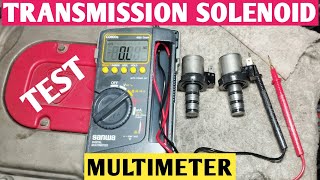
Shop the Parts Behind P2720
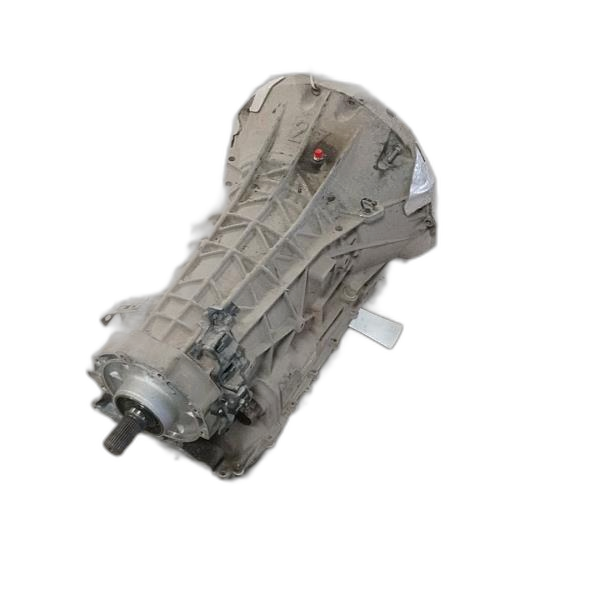
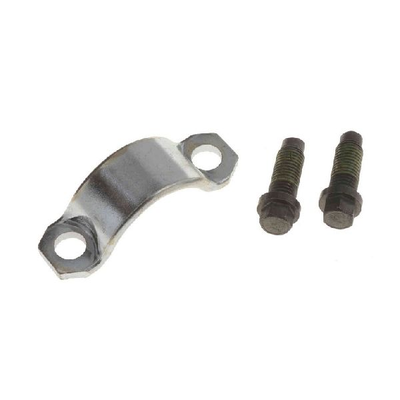
Below are the parts most often responsible for code P2720, ranked by how frequently each one is the actual culprit (per the diagnosis above). Tap any to see what we have for your vehicle.



The information in this article is provided for general reference and educational purposes only. Vehicle specifications, procedures, and part compatibility can vary by production date, trim level, and region. Always consult your vehicle's factory service manual and verify part numbers before purchasing or performing repairs. Safety-critical components such as airbags, seat belts, and braking systems should be installed by a qualified professional.
- 🧭 Diagnostic Flowchart
- 🎬 Helpful Videos
- 🛍️ Shop This Part
- What Does P2720 Mean?
- Can I Drive With P2720?
- Common Causes
- Symptoms
- Common Fixes & Costs
- Used vs. New Parts: Buying Guide
- What Happens If You Wait — Timeline
- Cost of Not Fixing It
- Diagnosis Steps
- When This Code Triggers (Freeze-Frame Conditions)
- Related Codes
- Climate & Environmental Factors
- How to Talk to a Mechanic About This Code
- Where to Take It: Dealer vs Independent vs Chain
- When to Walk Away From the Repair
- What Scan Tool You Need for This Code
- How to Clear the Code After You Fix It
- Will This Fail Emissions / State Inspection?
- Most Commonly Affected Vehicles
- Manufacturer-Specific Notes
- Real Owner Stories
- 2018 Chevrolet Colorado with 8L45 Transmission
- 2018 Honda CR-V with ~60,000 miles
- 2015 Ford Focus with DPS6 Transmission
- How to Prevent This Code From Triggering
- Frequently Asked Questions
- What is a pressure control solenoid?
- What are the most common misdiagnosis mistakes for P2720?
- What's the difference between a 'Circuit Low' (P2720) and a 'Performance' (P2714) code?
- Can a bad battery or alternator cause a P2720 code?
- Could a TCM software update fix P2720?
- Can I fix P2720 myself?
- How much does it cost to fix P2720?
- Will clearing the code make it go away?
- Is P2720 a serious problem?
- Key Takeaways
- 🎟️ Get 5% Off