

OBD-II Code P2731: Pressure Control Solenoid 'F' Malfunction
What P2731 means, why it triggers, and the most comprehensive way to fix it
- Old, dirty, or low transmission fluid causes over 40% of P2731 codes, making a fluid check the mandatory first step.
- Driving with P2731 triggers 'limp mode' (locking the car in 2nd or 3rd gear) and rapidly escalates a $300 repair into a $3,000+ transmission replacement.
- Expect harsh shifting, a 1-to-2 second delay when engaging Drive, and transmission slipping under moderate acceleration.
- Owners of 2018-2020 GM vehicles must check TSB 18-NA-121 before replacing parts, as a simple software update and spacer plate often resolve the code.
- Nissan CVT owners from 2013-2019 should contact a dealer immediately, as extended 84,000-mile warranties frequently cover this exact valve body failure.
What Does P2731 Mean?
The Transmission Control Module (TCM) detected a malfunction in Pressure Control Solenoid 'F', an electronic valve managing transmission fluid flow and pressure. When this solenoid fails, the transmission cannot shift gears smoothly, causing harsh engagement, slipping, or a complete failure to shift.
Technical definition: SAE/OBD-II defines P2731 as "Pressure Control Solenoid 'F' Performance or Stuck Off". The TCM detects the solenoid is not responding to electrical commands, creating a mismatch between desired and actual hydraulic pressure 🎬 Watch: How to fix a P2731 pressure control solenoid malfunction in a specific transmission circuit.
Can I Drive With P2731?
No — Do Not Drive. Your vehicle enters 'limp mode,' severely limiting speed and locking the transmission in 2nd or 3rd gear to prevent catastrophic damage. Continuing to drive causes transmission overheating and rapid internal wear, turning a moderate solenoid repair into a $3,000+ transmission replacement. The immediate risk is being stranded.
Common Causes
- Dirty, contaminated, or low transmission fluid (Very Common) — Old, burnt, or contaminated fluid thickens and clogs the tiny passages in the solenoids and valve body. Low fluid starves the transmission pump, preventing it from creating the pressure required for solenoids to operate.
- Faulty Transmission Control Module (TCM) or software anomaly (Common) — The TCM fails or experiences software glitches, sending incorrect or zero signals to the solenoid. Manufacturers frequently issue Technical Service Bulletins (TSBs) for software updates that fix this exact code without replacing hardware.
- Failed Pressure Control Solenoid 'F' (Common) — The solenoid fails electrically (shorted or open internal coil windings) or mechanically (the internal pintle sticks due to debris or wear).
- Wiring or connector issues (Common) — Wires leading to the solenoid fray, short to ground, or corrode at the main transmission case connector. This severs the electrical signal from the TCM.
- Clogged transmission filter (Less Common) — A clogged filter restricts fluid flow, starving the solenoids and pump of operating pressure.
- Failing transmission valve body (Rare) — Passages within the valve body block with sludge, or the body itself warps, preventing fluid from reaching the solenoid.
- Failing transmission pump (Rare) — A weak pump cannot generate the baseline line pressure required for the hydraulic system. The solenoid performs out of range and triggers the code, even if functioning perfectly.
- Incorrect transmission fluid type (Uncommon) — Using non-OEM fluid alters viscosity and friction properties, causing improper hydraulic pressure and solenoid malfunction.
Symptoms
- Harsh, jerky, or delayed shifts — You feel a noticeable clunk or a 0.5 to 2-second pause when shifting gears, especially from Park to Drive.
- Transmission slipping — Engine RPMs spike during acceleration, but vehicle speed remains stagnant.
- Vehicle enters 'Limp Mode' — The TCM locks the transmission in 2nd or 3rd gear and severely limits engine power to prevent internal damage.
- Check Engine Light is on — The Malfunction Indicator Lamp (MIL) or a dedicated transmission warning light illuminates.
- Overheating transmission — Slipping generates excessive friction and heat, triggering the transmission temperature warning light and a burnt fluid smell.
- Decreased fuel economy — Stuck in a low gear or shifting inefficiently forces the engine to run at higher RPMs, burning 5-15% more fuel.
Diagnostic Flowchart
Tap your situation to follow the diagnostic path that matches what you're seeing on this code.
Common Fixes & Costs
- Transmission fluid and filter change — Parts: $50-$120, Labor: $150-$300, ~1.5 hr book time (Intermediate)
- Reprogram or replace the Transmission Control Module (TCM) — Parts: $0-$900, Labor: $100-$250, ~1.5 hr book time (Professional)
- Replace Pressure Control Solenoid 'F' — Parts: $30-$150, Labor: $200-$500, ~3 hr book time (Professional)
- Replace Transmission Valve Body
— Parts: $300-$1000, Labor: $400-$1200, ~4 hr book time
(Professional)
Chevrolet/GMC (9-Speed): OEM (Alt: N/A (Use OEM for TSB))
Ford (6F35 Trans): OEM (Alt: Dorman, Rostra, various remanufactured units)
Nissan (CVT): OEM (Alt: Various remanufactured units) - Repair or replace wiring harness — Parts: $20-$200, Labor: $150-$400, ~2.5 hr book time (Intermediate)
DIY vs Professional
- Transmission fluid and filter change — Beginner:
- Replace Pressure Control Solenoid / Valve Body — Beginner:
- Reprogram or replace the TCM — Beginner:
- Repair wiring harness — Beginner:
Used vs. New Parts: Buying Guide
When a used part is worth it: For a complete valve body assembly, a used unit from a low-mileage vehicle (under 80k miles) that was wrecked is a cost-effective option, especially for older vehicles. Never buy individual used solenoids.
Donor-vehicle mileage cap: roughly under 80000 miles for the part to have meaningful remaining life.
Donor quality checklist:
- Verify the donor vehicle's VIN to confirm it wasn't scrapped for transmission failure.
- Ensure the part number matches exactly; electronic components are not forgiving of mismatches.
- Purchase from a reputable salvage yard that offers a warranty (typically 30-90 days).
Decision logic:
- If The fix is a single, externally accessible solenoid → Buy new. The part cost is low and the reliability of a new part is worth it.
- If The fix requires a complete valve body on a vehicle over 150K miles → A quality used or remanufactured valve body is a reasonable choice to save money.
- If The vehicle is a CVT model (Nissan, Subaru) → Favor a new or remanufactured OEM valve body due to the high sensitivity and calibration requirements of these transmissions.
Warranty tradeoff: Used parts typically offer a 30-90 day part-only warranty. New aftermarket parts often have a 1-year to limited lifetime warranty. New OEM parts carry a 12-month/12,000-mile warranty, which extends if installed by a dealer.
Worst-case if a used part fails: 400-1200 if a used valve body fails after the warranty period, as you pay for the labor a second time plus the cost of another part.
What Happens If You Wait — Timeline
- 0-4 weeks: Code P2731 is set. Check Engine Light is on. You notice occasional, minor harsh shifts, especially when the transmission is cold. (MPG impact: 0-2%% · Added cost: $0)
- 1-3 months: Shifting becomes consistently harsh or delayed. Transmission begins to slip under acceleration. The vehicle intermittently enters 'limp mode'. Fluid begins to degrade faster due to increased heat from slipping. (MPG impact: 3-8%% · Added cost: $50-150 in wasted fuel)
- 3-6 months: Limp mode becomes more frequent and persistent. Slipping generates significant heat, causing clutch packs to burn and internal seals to harden. The transmission fluid is now dark and smells burnt. What was a solenoid issue is now causing internal mechanical wear. (MPG impact: 10-20%% · Added cost: $800-1500 (Clutch pack and seal damage has likely occurred, requiring a more extensive rebuild beyond just the solenoid).)
- 6+ months: Catastrophic failure. The transmission refuses to engage any gear, or makes loud grinding noises. The cost of repair escalates from a solenoid/valve body fix to a complete transmission rebuild or replacement. (MPG impact: 20%+% · Added cost: $2,500-5,000 (A full rebuild or replacement is now the only option).)
Cost of Not Fixing It
- Immediate: Vehicle enters 'limp mode,' creating a safety hazard due to severely limited speed and acceleration. Increased risk of being stranded. (Added cost: 0)
- Weeks to Months: Continued slipping and harsh shifting generates excessive heat, rapidly degrading transmission fluid and causing accelerated wear on clutches and internal seals. Fuel economy drops by 5-15%. (Added cost: 50-200 in wasted fuel)
- Several Months: Catastrophic internal transmission failure. What could have been a $400 solenoid repair becomes a complete transmission rebuild or replacement. (Added cost: 2500-5000)
Diagnosis Steps
- Check the Transmission Fluid
Check the fluid level and condition. Healthy fluid is bright red; dark brown, black, or burnt-smelling fluid indicates severe contamination. Sealed transmissions require a specific shop procedure.
Tools: Dipstick (if equipped), rag or paper towel (Beginner) - Scan for Codes and Review TSBs
Use a TCM-capable scanner to confirm P2731. Immediately check for Technical Service Bulletins (TSBs) for your specific VIN. Many P2731 codes stem from known software issues requiring a reflash, not hardware.
Tools: OBD-II Scanner (TCM capable) (Beginner) - Analyze Live Data PIDs
Monitor live data for 'Solenoid F' command status, commanded vs. actual line pressure, and fluid temperature (normal is 175-220°F). If the TCM commands the solenoid but pressure remains static, the issue is hydraulic or mechanical.
Tools: Advanced OBD-II Scanner (Intermediate) - Inspect the External Wiring Harness
Visually inspect the main transmission wiring harness and connector. Look for frayed wires, melted insulation, or green corrosion on the pins.
Tools: Flashlight, inspection mirror (Beginner) - Test the Solenoid Circuit from the TCM Connector
Disconnect the TCM and main transmission connector. Use a multimeter to check continuity (< 1 ohm) and verify no short to ground (OL) on the Solenoid 'F' power and control wires.
Tools: Multimeter, vehicle-specific wiring diagram, pin-out charts (Advanced) - Drop the Transmission Pan
Drain the fluid and remove the transmission pan. Inspect the pan magnet. Light metallic fuzz is normal; large chunks or thick paste confirm catastrophic internal mechanical failure.
Tools: Socket set, drain pan, car jack and jack stands (Advanced) - Test Solenoid Resistance at the Connector
Disconnect the solenoid and test internal resistance with a multimeter. Infinity (OL) means an open coil; near zero means a short. Compare to service manual specs (typically 4-15 Ohms).
Tools: Multimeter, service manual with resistance chart (Advanced) - Command the Solenoid with a Power Probe
With the solenoid installed but unplugged, apply 12V power and ground to its pins. A distinct 'click' confirms actuation. No click means it is mechanically seized.
Tools: Power probe or 12V power source with fused leads (Professional) - Test Line Pressure at the Transmission Port
Connect a pressure gauge to the transmission test port. Typical idle pressure is 55-75 PSI in Drive. Low pressure across all gears indicates a weak pump or major internal leak, not a single bad solenoid.
Tools: Transmission pressure gauge kit (0-400 PSI) (Advanced)
When This Code Triggers (Freeze-Frame Conditions)
- Transmission Fluid Temp: 175-220°F (80-105°C) (Vehicle at normal operating temperature.)
- Engine RPM: 1500-3000 RPM (During gear shifts under moderate acceleration.)
- Vehicle Speed: 25-55 mph (During upshifts in city or highway driving.)
- Throttle Position: 20-50% (Steady acceleration, not idle or wide-open throttle.)
Related Codes
- P0700 — A generic 'handshake' code. The TCM stores P2731 and asks the ECM to illuminate the Check Engine Light. Always scan the TCM for the specific fault.
- P2732 — Solenoid F Performance or Stuck Off. Indicates the solenoid is mechanically seized or hydraulically blocked.
- P2733 — Solenoid F Stuck On. The solenoid fails to release pressure when commanded, pointing to an electrical short or severe blockage.
- P0796 — Solenoid C Performance. Seeing P2731 and P0796 together proves a systemic issue (contaminated fluid, failing pump, cracked valve body) rather than two simultaneous solenoid failures.
Climate & Environmental Factors
- Cold Weather: Thickens transmission fluid, delaying solenoid pintle movement and causing harsh shifts on the first few drives of the day.
- Hot Weather: Accelerates fluid breakdown and oxidation. Degraded fluid loses hydraulic properties, causing pressure drops and slipping.
- High Humidity / Coastal Regions: Moisture enters through seals and vents, corroding electrical connectors and valve body passages, causing intermittent signal loss.
How to Talk to a Mechanic About This Code
Say this: "I have a Check Engine Light on and my scanner shows code P2731 for the pressure control solenoid 'F'. I'm experiencing [mention your symptom, e.g., harsh shifting]. I'd like to schedule a diagnostic. Can you please start by checking for any applicable TSBs for my VIN and inspecting the transmission fluid condition?"
This signals you are informed about the specific code and its common causes. It directs the shop toward a logical diagnostic path (TSBs, fluid) instead of immediately jumping to expensive part replacement, and protects you from being sold a premature 'you need a new transmission' diagnosis.
Avoid saying:
- 'My transmission is acting weird, can you look at it?' (Too vague, invites a wide range of expensive suggestions).
- 'Just fix whatever is wrong.' (Gives the shop a blank check to replace parts without your approval).
- Accepting a phone estimate without the shop seeing the vehicle is a red flag.
Questions to ask before authorizing the repair:
- Did you check for TSBs? Specifically for GM, did you check TSB 18-NA-121 or 18-NA-379?
- What was the condition of the transmission fluid? Was it dark, burnt, or low?
- If you are recommending a solenoid or valve body, what tests did you perform to confirm it has failed? (e.g., resistance test, pressure test, wiring check)
- Is this repair covered by a warranty, and what are the terms?
- Can I have the old parts back? (This ensures the parts were actually replaced).
Where to Take It: Dealer vs Independent vs Chain
- Dealer:
Best for: Vehicles under warranty (powertrain or extended)., GM vehicles (2018-2020) where TSB 18-NA-121/18-NA-379 is the likely fix, as it requires specific software updates., Nissan vehicles (2013-2019) to check for CVT extended warranty coverage.
Downsides: Typically highest labor rates and part costs., Defaults to replacing entire assemblies (like a valve body) when a smaller component is the issue. (Typical cost: +40% vs. baseline) - Independent Shop:
Recommended for most out-of-warranty vehicles, especially if it's a known issue on an older car. However, if you have a newer GM or Nissan CVT, start at the dealer to check for TSBs and warranty coverage first.
Best for: Out-of-warranty vehicles where cost is a major factor., Common, non-TSB related failures (e.g., a straightforward solenoid replacement on an older Ford or Honda)., Building a long-term relationship with a mechanic.
Downsides: Quality and expertise vary greatly; look for ASE certification and good reviews., Lacks the expensive, manufacturer-specific tools to perform TCM software updates for TSBs. (Typical cost: +0% vs. baseline) - Chain Shop:
AVOID for diagnosing P2731. The risk of an incorrect diagnosis, unnecessary repairs, or a high-pressure upsell is very high. Use only for a simple fluid change if you've already diagnosed the problem yourself.
Best for: Basic fluid and filter changes if you are certain that's the issue.
Downsides: Technicians lack the specialized experience for complex transmission diagnostics., High pressure to upsell services; a P2731 code is easily misdiagnosed as needing a full transmission rebuild. (Typical cost: -10% vs. baseline)
When to Walk Away From the Repair
If the estimated repair cost exceeds 50% of the car's private-party value, you should seriously consider selling it as-is or trading it in.
- Car worth $5000, fix is $800: Fix it. The repair cost is well below the 50% threshold and restores the vehicle's primary function.
- Car worth $4000, fix is $2500: Walk away. The repair cost is over 60% of the car's value. You are unlikely to recoup this cost on resale.
- Car worth $15000, fix is $3500: Borderline - Fix it if the rest of the car is in excellent condition. This repair is less than 25% of the car's value, making it a reasonable investment.
What Scan Tool You Need for This Code
Minimum: A scanner that reads manufacturer-specific transmission codes (not just generic P0700) and views live transmission data PIDs, such as transmission fluid temperature and solenoid command status.
A basic $20 code reader only shows a generic P0700 'Transmission Control System Malfunction' code. It cannot access the specific P2731 code stored in the TCM or view the live data needed to see if the solenoid is being commanded on/off, making real diagnosis impossible.
Budget: BlueDriver Pro (~$119) — Reads and clears enhanced codes for the transmission on many GM, Ford, and Toyota vehicles. It provides live data graphing for things like fluid temperature, which is crucial for diagnosis.
Mid-range: Foxwell NT510 Elite / NT604 Elite (~$150) — Offers deep access to transmission live data PIDs, including solenoid command status and clutch pressure readings. Some models offer basic bidirectional controls to command a solenoid 'click' test, which is a powerful diagnostic step.
Professional: Autel MaxiCOM MK808 / MP808TS (~$500) — Provides full bidirectional control. This allows you to perform active tests, such as commanding the 'F' solenoid on and off while listening for a click to confirm mechanical function without having to remove it from the vehicle. This is the closest a DIYer gets to a professional shop tool.
Rent vs buy: For a one-time P2731 diagnosis, buying a mid-range scanner is more cost-effective than paying for a single hour of shop diagnostic time ($150+). Basic scanners rented from auto parts stores lack the necessary TCM functions. Buy if you plan to do any of your own maintenance.
How to Clear the Code After You Fix It
- Use an OBD-II scan tool to clear the P2731 code from the TCM.
- Perform a transmission adaptive learning relearn procedure.
- Complete a full drive cycle to ensure the code does not return and to set readiness monitors.
Drive cycle (~20 minutes): After clearing the code, start the engine and let it idle for 2-3 minutes. Drive the vehicle, accelerating gently to allow the transmission to shift through all forward gears up to highway speed (55 mph). Maintain a steady speed, then gently brake to a stop. Repeat the gentle acceleration and deceleration cycle several times.
Readiness monitors affected: Comprehensive Component Monitor, Catalyst Monitor, Evaporative System Monitor
Before emissions retest: drive at least 50 miles to fully set monitors.
Watch out for:
- Disconnecting the battery fails to clear TCM codes on modern vehicles and resets all readiness monitors to 'Not Ready'.
- Skipping the adaptive learning relearn procedure after replacing a solenoid causes continued poor shift quality even with new parts.
- The code returns immediately if the underlying mechanical or electrical fault remains unaddressed.
Will This Fail Emissions / State Inspection?
Yes — this code typically fails an OBD-II emissions inspection.
- California: An illuminated Check Engine Light results in an automatic failure of the smog check. After repairs, a full drive cycle must be completed to set all readiness monitors before a re-test is possible.
- New York: The NYS DMV inspection includes an OBD-II scan. An active P2731 code is an automatic failure. The Check Engine Light must be off and the required readiness monitors must be in the 'Ready' state.
- Texas: In counties requiring emissions testing, an illuminated Check Engine Light from a code like P2731 causes an automatic inspection failure. After clearing the code, drive 50-100 miles to reset the readiness monitors before the vehicle passes.
Most Commonly Affected Vehicles
- Chevrolet / GMC Equinox, Malibu, Cruze, Traverse, Acadia, Terrain (2018-2020) — GM TSB 18-NA-121 addresses this for 9T45/9T50 9-speed transmissions. The fix requires replacing the valve body spacer plate and reprogramming the TCM. Do not replace the solenoid first.
- Buick / Cadillac Regal, Enclave, XT4 (2018-2019) — Covered under GM TSB 18-NA-379. Often requires a TCM software update only, with zero parts needed.
- Ford Fusion, Escape, Focus (2010-2016) — 6F35 transmissions frequently suffer from a failed solenoid body or cracked internal wiring harness lead frame.
- Nissan Altima, Rogue, Sentra, Murano (2013-2019) — CVT models almost always require a full valve body replacement due to complex factory calibrations. Often covered under extended 84,000-mile warranties.
- Hyundai / Kia Elantra, Sonata, Optima, Sorento (2011-2017) — Caused by a faulty solenoid or a break in the internal transmission wiring harness, which integrates the temperature sensor.
- Dodge / Chrysler / Ram Grand Caravan, Town & Country, Ram 1500 (2008-2017) — 62TE 6-speed transmissions experience solenoid pack failures, requiring replacement as a single unified block.
- Honda Accord, Odyssey, Pilot (2013-2017) — 6-speed automatics frequently suffer from a single failed pressure switch or solenoid, accessible individually.
- Subaru Impreza, Crosstrek, Outback (2012-2016) — CVT solenoid issues require replacing the entire valve body assembly, as individual solenoids are not sold separately.
Manufacturer-Specific Notes
- General Motors (Chevrolet, Buick, GMC): TSB 18-NA-121 for 2018-2020 9-speed transmissions requires replacing the spacer plate (Part #24293402) and updating TCM software. Replacing the solenoid fails to fix the issue.
- General Motors (Buick, Cadillac, Chevrolet, GMC): TSB 18-NA-379 for 2019 models requires a software update ONLY. No parts are needed.
- Ford: 6F35 transmissions feature a lead frame containing solenoid wiring. It cracks, causing intermittent connections and triggering solenoid codes.
- Subaru / Nissan: CVT solenoids are factory-calibrated to the valve body. Mechanics replace the entire assembly because individual solenoids are unavailable.
- Nissan: Extended CVT warranties (7 years/84,000 miles) cover many 2013-2017 models. This covers the CVT assembly, valve body, and TCM reprogramming.
Real Owner Stories
2016 Chevy Cruze at 75k miles
Check engine light came on with harsh shifting, especially when cold. Vehicle felt stuck in a low gear.
What they tried:
- Initially thought it was low on fluid, but the level was fine.
- A local shop changed the transmission fluid and filter, but code P2731 returned within a day.
Outcome: Took the car to a dealership. They identified GM TSB 18-NA-121. The fix was replacing the valve body spacer plate (Part #24293402) and reprogramming the TCM. The repair resolved all shifting issues.
Lesson: For modern GM vehicles, always check for TSBs related to P2731 before replacing any parts. A simple fluid change or solenoid replacement fails to fix a known software or spacer plate issue.
2015 Nissan Altima at 80k miles
Car started hesitating and jerking during acceleration. The check engine light came on, and the car went into limp mode, unable to go over 30 mph.
What they tried:
- A mechanic scanned code P2731 and recommended replacing the pressure control solenoid.
- Owner researched online and found information about Nissan's CVT warranty extensions.
Outcome: The owner contacted a Nissan dealership and provided their VIN. The vehicle was covered under the extended warranty (up to 84,000 miles for this model year). The dealer replaced the entire valve body assembly at no cost to the owner, fixing the problem.
Lesson: If you own a Nissan with a CVT, always check with a dealer about warranty extensions before paying for transmission repairs. This specific issue is frequently covered.
2012 Ford Fusion at 110k miles
Transmission was slipping between gears and shifting very harshly. Code P2731 was present along with a general transmission code P0700.
What they tried:
- A DIY fluid and filter change did not solve the issue.
- Tested the solenoid's resistance and found it was out of spec, indicating failure.
Outcome: The owner replaced the single pressure control solenoid 'F'. This was a difficult DIY job requiring dropping the transmission pan and valve body. The new solenoid fixed the harsh shifting and slipping, and the code did not return.
Lesson: On some older, non-CVT vehicles, a single solenoid is the point of failure. If you have the advanced skills to test the component and access it, replacing just the solenoid is a cost-effective fix. However, the labor is intensive.
2016 MINI Countryman (R60) with recurring limp mode
Vehicle intermittently went into limp mode with a transmission fault light. The issue became more frequent, happening daily. Code P2731 was stored.
What they tried:
- A shop diagnosed a faulty solenoid and quoted $1200 for the repair.
Outcome: The owner learned that the solenoids come as a complete kit and the repair requires 4-6 hours of labor plus 5+ quarts of specific, expensive ATF. The fix involved replacing the solenoid pack and the internal transmission harness, which had become contaminated with fluid. The $1200 quote was deemed reasonable for the complexity of the job.
Lesson: Solenoid replacement costs seem high, but they reflect significant labor, the need for special fluids, and sometimes the replacement of an entire solenoid pack, not just one part.
How to Prevent This Code From Triggering
- Change transmission fluid and filter regularly (Every 30,000 to 60,000 miles for heavy use; 60,000 to 100,000 for normal use.) — Prevents fluid breakdown and contamination, which is the #1 cause of solenoid failure. Clean fluid maintains correct hydraulic pressure and lubricates moving parts.
- Install an auxiliary transmission cooler (One-time installation, especially for vehicles that tow or operate in hot climates.) — Heat is the primary enemy of an automatic transmission. A cooler keeps fluid temperature in the optimal 175-200°F range, preventing fluid degradation and protecting internal seals and electronics from heat damage.
- Allow the vehicle to warm up for a minute before driving (Daily, especially in cold weather.) — Cold transmission fluid is thick and doesn't lubricate properly. Allowing the engine to idle briefly helps warm the fluid, ensuring it flows correctly and preventing strain on solenoids and valves during the first few shifts.
- Come to a complete stop before shifting from Drive to Reverse (and vice-versa) (Daily driving habit.) — Shifting while the vehicle is still moving puts immense stress on the transmission's internal components, including the solenoids and gear train. This simple habit dramatically reduces wear and tear.
- Avoid aggressive driving and heavy towing beyond vehicle limits (Daily driving habit.) — Hard accelerations, frequent stop-and-go traffic, and excessive loads all increase transmission heat and strain. This accelerates fluid breakdown and wears out solenoids, clutches, and bands prematurely.
Frequently Asked Questions
Can I just add more transmission fluid to fix P2731?
If the fluid is low, adding the correct OEM-spec fluid temporarily resolves symptoms. However, transmissions are sealed systems; low fluid means you have a leak that requires fixing. If the fluid is old and dirty, topping it off fails; you must change the fluid and filter.
Is it safe to drive my car with a P2731 code?
No. Your car enters 'limp mode' to protect the transmission, severely limiting speed. Continuing to drive with harsh shifting or slipping quickly causes catastrophic transmission failure, turning a sub-$1000 repair into a $3000+ replacement.
My mechanic says I need a new solenoid, but I saw a TSB online. What should I do?
Prioritize the TSB. For many GM vehicles, P2731 is a known software or spacer plate issue, not a solenoid failure. Insist the shop verifies if TSB 18-NA-121 or 18-NA-379 applies to your VIN before authorizing hardware replacement.
What does 'Solenoid F' mean? Are there others?
Modern automatic transmissions use multiple solenoids (A, B, C, D, E, F) to control specific hydraulic circuits. 'F' simply refers to its specific designation within your transmission's design.
The mechanic says I need a new valve body. Why not just the solenoid?
The problem often lies in a blocked passage or warped valve body, not just the solenoid. Additionally, on vehicles with CVTs (Nissan, Subaru), solenoids are pre-calibrated to the valve body and not sold separately. Replacing the entire unit is often more labor-efficient and reliable.
Will a transmission flush fix a P2731 code?
No. A high-pressure flush on an older transmission dislodges debris that clogs other passages, worsening the problem. Perform a simple drain-and-fill with a filter change instead.
What is the difference between P2731 and P2733?
P2731 is a general performance code indicating the solenoid's response mismatches the computer's command. P2733 specifically means the solenoid is stuck in the 'On' (open) position. P2733 points to a definitive electrical short or severe mechanical blockage, while P2731 indicates intermittent performance issues.
Key Takeaways
- Old, dirty, or low transmission fluid causes over 40% of P2731 codes, making a fluid check the mandatory first step.
- Driving with P2731 triggers 'limp mode' (locking the car in 2nd or 3rd gear) and rapidly escalates a $300 repair into a $3,000+ transmission replacement.
- Expect harsh shifting, a 1-to-2 second delay when engaging Drive, and transmission slipping under moderate acceleration.
- Owners of 2018-2020 GM vehicles must check TSB 18-NA-121 before replacing parts, as a simple software update and spacer plate often resolve the code.
- Nissan CVT owners from 2013-2019 should contact a dealer immediately, as extended 84,000-mile warranties frequently cover this exact valve body failure.
Helpful Videos

Shop the Parts Behind P2731
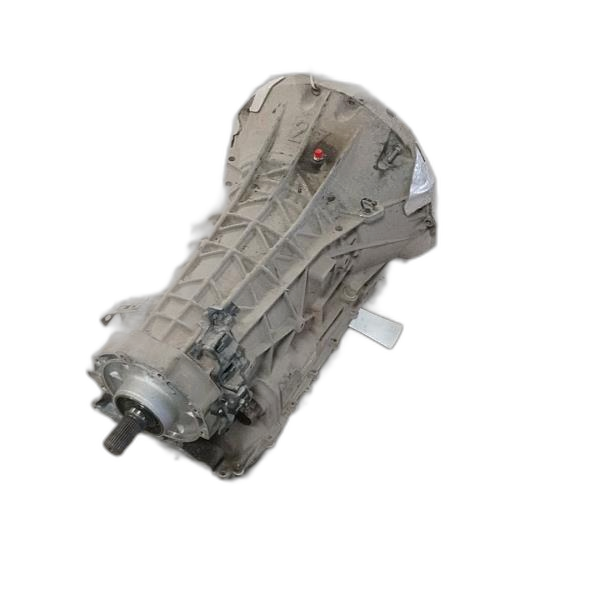
Below are the parts most often responsible for code P2731, ranked by how frequently each one is the actual culprit (per the diagnosis above). Tap any to see what we have for your vehicle.



The information in this article is provided for general reference and educational purposes only. Vehicle specifications, procedures, and part compatibility can vary by production date, trim level, and region. Always consult your vehicle's factory service manual and verify part numbers before purchasing or performing repairs. Safety-critical components such as airbags, seat belts, and braking systems should be installed by a qualified professional.
- 🧭 Diagnostic Flowchart
- 🎬 Helpful Videos
- 🛍️ Shop This Part
- What Does P2731 Mean?
- Can I Drive With P2731?
- Common Causes
- Symptoms
- Common Fixes & Costs
- DIY vs Professional
- Used vs. New Parts: Buying Guide
- What Happens If You Wait — Timeline
- Cost of Not Fixing It
- Diagnosis Steps
- When This Code Triggers (Freeze-Frame Conditions)
- Related Codes
- Climate & Environmental Factors
- How to Talk to a Mechanic About This Code
- Where to Take It: Dealer vs Independent vs Chain
- When to Walk Away From the Repair
- What Scan Tool You Need for This Code
- How to Clear the Code After You Fix It
- Will This Fail Emissions / State Inspection?
- Most Commonly Affected Vehicles
- Manufacturer-Specific Notes
- Real Owner Stories
- 2016 Chevy Cruze at 75k miles
- 2015 Nissan Altima at 80k miles
- 2012 Ford Fusion at 110k miles
- 2016 MINI Countryman (R60) with recurring limp mode
- How to Prevent This Code From Triggering
- Frequently Asked Questions
- Can I just add more transmission fluid to fix P2731?
- Is it safe to drive my car with a P2731 code?
- My mechanic says I need a new solenoid, but I saw a TSB online. What should I do?
- What does 'Solenoid F' mean? Are there others?
- The mechanic says I need a new valve body. Why not just the solenoid?
- Will a transmission flush fix a P2731 code?
- What is the difference between P2731 and P2733?
- Key Takeaways
- 🎟️ Get 5% Off