

OBD-II Code P2771: Four Wheel Drive (4WD) Low Switch Circuit Malfunction
The Ultimate 2026 Guide to Diagnosing and Fixing P2771
- Code P2771 flags an electrical mismatch in the 4WD Low switch circuit, instantly disabling your 4WD system.
- Replacing the dashboard 4WD selector switch fixes this code in 80% of cases and costs under $100 in parts.
- Test the 4WD switch resistance and check the 15-amp TCCM fuse before spending $400+ on a new transfer case motor.
- Driving with P2771 while experiencing drivetrain binding causes catastrophic transfer case failure, turning a $100 switch repair into a $3,000 replacement.
What Does P2771 Mean?
P2771 means the Powertrain Control Module (PCM) detects an electrical fault in the 4WD Low selection switch circuit. The computer receives a signal from the switch that contradicts the actual gear reported by the transfer case sensors. The switch tells the computer to engage 4WD Low, but the transfer case sensors report no physical change, indicating a mismatch.
Technical definition: The official SAE/OBD-II definition is "Four Wheel Drive (4WD) Low Switch Circuit". The PCM or Transfer Case Control Module (TCCM) sets this code when it detects an abnormal reading from the 4WD low switch. When 4WD Low is selected, the TCCM grounds a 5V or 12V reference signal. If the PCM sees a continuous open (stuck high voltage), a short to ground (stuck low voltage), or a signal contradicting the transfer case position sensor, it triggers P2771. This is a Type B DTC; the Check Engine Light illuminates after the fault occurs on two consecutive drive cycles.
Can I Drive With P2771?
Yes, But With Caution. You can drive the vehicle, but the four-wheel drive system is disabled or unpredictable. Continuing to drive with warning signs like grinding or binding risks catastrophic damage to the transfer case, a repair costing $2,500 to $4,000. In some cases, the vehicle gets stuck in a low gear, severely limiting speed and damaging the transmission on high-traction surfaces.
Common Causes
- Defective 4WD Selector Switch (Very Common) — This is the most frequent culprit. 🎬 Watch: How to replace the 4WD switch on GM trucks. The dash-mounted switch (dial, button, or lever) wears out from use, its internal contacts corrode, or it melts, creating an open or shorted condition.
- Wiring or Connector Issues (Common) — Wiring to the selector switch or transfer case is vulnerable to moisture, road salt, and vibration. Wires chafe, break, or short circuit, and connector pins corrode, bend, or fill with dirt, causing a loss of signal.
- Faulty Transfer Case Position Sensor/Encoder Motor (Common) — A sensor reports the transfer case's gear position to the TCCM. If this sensor fails, the computer receives conflicting information (e.g., switch says 4-Low, sensor says 2-High), triggering the code. 🎬 See this walkthrough for replacing a Ford transfer case motor.
- Poor TCCM/PCM Ground Connection (Less Common) — Control modules rely on a clean ground connection to the chassis. A corroded, loose, or broken ground strap introduces electrical noise, causing the module to misinterpret valid signals and set false codes.
- Blown 4WD System Fuse (Less Common) — A blown fuse for the 4WD system or TCCM cuts power to the circuit, leading to a loss of signal and causing the P2771 code to be stored.
- Operator Error / Improper Shifting Procedure (Less Common) — On some vehicles, particularly GM trucks, the code triggers if the driver shifts the transmission out of Neutral or applies the throttle before the transfer case fully completes its shift into or out of 4WD Low.
- Internal Transfer Case Failure (Rare) — Mechanical problems inside the transfer case, such as a damaged shift fork, worn gears, or a stretched chain, prevent it from physically engaging 4WD Low. The electronic system detects the failed shift and sets the code.
- Faulty Transfer Case Control Module (TCCM) (Rare) — The dedicated 4WD computer fails due to internal solder cracks, moisture intrusion, or component failure on the input circuit. This is the last item to consider after proving all other circuit components are good.
- Corrupted TCCM/PCM Software (Rare) — A module's calibration data becomes corrupted, especially after a battery replacement or a failed software update. The module misinterprets a valid signal as a fault, storing P2771 even though the hardware is sound.
Symptoms
- Check Engine Light is On — This is the primary indicator, often accompanied by other warning lights.
- Flashing or Solid 'Service 4WD' Light — A specific warning light on the instrument cluster illuminates or blinks, indicating a fault within the four-wheel-drive system.
- 4WD System is Inoperative — The vehicle will not shift into or out of 4WD Low. The system defaults to and remains in 2WD, leaving you without 4WD capability.
- Vehicle Stuck in a Low Gear or 'Limp Mode' — The transmission locks in a single gear (often first), severely limiting vehicle speed because the PCM believes the transfer case is in 4WD Low.
- Grinding or Clicking Noises from Transfer Case — Audible grinding during a failed shift attempt or clicking noises from underneath the vehicle indicate a problem with the shift actuator or internal transfer case components.
- Engine Stalling When Stopped — If the transfer case is partially engaged or sending incorrect signals, it creates driveline binding that causes the engine to stall when coming to a stop.
- Unintended Shifting Between 2WD and 4WD — A short circuit causes the transfer case to attempt shifts on its own, which is hazardous while driving.
Diagnostic Flowchart
Tap your situation to follow the diagnostic path that matches what you're seeing on this code.
Common Fixes & Costs
- Replace the 4WD Selector Switch
— Parts: $30-$90, Labor: $75-$150, ~0.8 hr book time
(DIY)
Chevrolet Silverado / GMC Sierra (2003-2007): OEM 19259312, 15136040, 15164519 (Alt: Dorman 901-072, Standard Motor Products TCA-47)
Ford F-150 (2004-2008): OEM Contact dealer with VIN (Alt: Dorman 901-320, Standard Motor Products FWD78)
Dodge Ram 1500/2500 (2011-2018): OEM 68212038AA (Alt: Dorman 901-486, Standard Motor Products FWD101) - Repair Damaged Wiring or Connectors
— Parts: $10-$30, Labor: $100-$250, ~1.5 hr book time
(Intermediate)
Universal: OEM Pigtail connectors and terminals are vehicle-specific. Contact dealer. (Alt: Dorman, Standard Motor Products, and others offer various pigtail connector kits.) - Replace the Transfer Case Position Sensor/Encoder Motor
— Parts: $150-$400, Labor: $150-$250, ~1.5 hr book time
(Intermediate)
Chevrolet Silverado / GMC Sierra (2003-2007): OEM 88962315 (Alt: Dorman 600-901, Cardone 48-107)
Ford F-150 (2004-2008): OEM 8L3Z-7G360-A (replaces 5L3Z-7G360-A) (Alt: Dorman 600-805, Cardone 48-2501)
Dodge Ram 1500 (2011-2012): OEM 68089746AA (Alt: Dorman 600-935, Autopart Premium APTCM0036) - Repair Poor TCCM/PCM Ground Connection
— Parts: $1-$5, Labor: $50-$100, ~0.5 hr book time
(DIY)
Universal: OEM N/A (standard bolt, nut, star washer) (Alt: N/A) - Replace the Transfer Case Control Module (TCCM)
— Parts: $400-$800, Labor: $150-$300 (plus programming), ~1.5 hr book time
(Professional)
Chevrolet Silverado / GMC Sierra (2003-2007): OEM 12590220 (Alt: Dorman 599-100 (Remanufactured))
Ford F-150 (2004-2008): OEM Contact dealer with VIN (Alt: Cardone 73-4704 (Remanufactured))
Dodge Ram 1500 (2011-2012): OEM 56030123AD (Alt: Dorman 599-106, 599-253 (check specific application))
DIY vs Professional
- Replace the 4WD Selector Switch 🟢 Beginner
Tools: Trim removal tools, small socket set or screwdriver. - Repair Damaged Wiring or Connectors 🟢 Beginner
Tools: Multimeter, wire strippers, crimpers, heat gun, quality butt connectors or solder. - Replace the Transfer Case Position Sensor/Encoder Motor 🟢 Beginner
Tools: Jack and jack stands, socket set, wrenches, drain pan. - Repair Poor TCCM/PCM Ground Connection 🟢 Beginner
Tools: Socket/wrench set, sandpaper or wire brush. - Replace the Transfer Case Control Module (TCCM) 🟢 Beginner
Tools: Socket set, professional scan tool with programming capabilities.
Used vs. New Parts: Buying Guide
When a used part is worth it: For the most common fix (the 4WD selector switch), buying used is not recommended. The part fails from wear and corrosion, so a used part has a high risk of failing soon. Given that a new aftermarket part costs $30-$90, the savings are minimal for a significant reliability risk.
Donor-vehicle mileage cap: roughly under 40000 miles for the part to have meaningful remaining life.
Donor quality checklist:
- Verify the part number exactly, as switches look similar but have different internal resistors.
- Avoid parts from regions with heavy road salt use, as this accelerates corrosion.
- Test the resistance of the used switch across all positions before purchasing.
Decision logic:
- If The part is the 4WD selector switch → Buy new. The low cost and high reliability of a new part outweigh any savings from buying used.
- If The part is an expensive module (TCCM) and the vehicle is old (>150k miles) → A used module from a reputable recycler with a warranty is a cost-effective option, provided it does not require programming or the seller provides the donor VIN.
Warranty tradeoff: Used parts typically have a 30-90 day warranty at best. New aftermarket parts carry a 1-year to limited lifetime warranty. New OEM parts carry a 1-2 year warranty.
Worst-case if a used part fails: $150-$300 if a used switch fails shortly after installation, requiring repeat labor costs plus the price of another part.
What Happens If You Wait — Timeline
- 0-1 month: Code P2771 is stored, the Check Engine Light and/or 'Service 4WD' light illuminates. The 4WD system is disabled as a precaution. No mechanical symptoms are present. (MPG impact: 0%% · Added cost: $0)
- 1-3 months: Continued attempts to use the faulty system cause intermittent grinding noises or failed shifts. Drivetrain binding occurs if the system gets 'stuck' between modes, causing slight vibrations or steering wheel kick. (MPG impact: 1-5% (due to binding)% · Added cost: $0-$75 in wasted fuel)
- 3-6 months: Sustained drivetrain binding puts significant stress on the transfer case actuator motor, shift forks, and chain. This leads to failure of the actuator or damage to related components like driveshaft U-joints. (MPG impact: 5-10%% · Added cost: $400-$1,200)
- 6+ months: Catastrophic internal failure. The transfer case chain stretches and skips, or breaks entirely. Gears strip, or the case housing cracks from the stress. The vehicle becomes undriveable, requiring a full transfer case replacement. (MPG impact: 10-25% or inoperable% · Added cost: $2,500-$4,000)
Cost of Not Fixing It
- Immediate: The 4WD system is disabled or unpredictable, creating a safety risk in adverse weather or off-road conditions. (Added cost: Negligible)
- 1-3 months: Continued attempts to engage the faulty system or driving with driveline binding causes premature wear on the transfer case shift actuator, gears, and chain. (Added cost: $400-$800 (for a new actuator))
- 3+ months: Catastrophic internal failure of the transfer case, requiring a full replacement or rebuild. The vehicle becomes undriveable. (Added cost: $2,500-$4,000)
Diagnosis Steps
- Scan for Codes and Review Live Data
Use an OBD-II scanner to confirm P2771 is active and check for related codes (e.g., P2772, P2773, P2774). Monitor live data PIDs like '4WD Switch Position' or 'T-Case Position Sensor Voltage'. The value must change predictably as you operate the switch. A static value indicates a fault in the switch or circuit.
Tools: OBD-II Scanner (Beginner) - Check the 4WD System Fuse
Locate and inspect the fuse for the Transfer Case Control Module (TCCM) or 4WD system in the vehicle's fuse panel. A blown fuse is a simple but frequently overlooked cause.
Tools: Owner's Manual, Fuse Puller (Beginner) - Perform a Comprehensive Visual Inspection
Thoroughly inspect the wiring harness and connectors at the dash switch, the TCCM, and the transfer case. Look for chafed wires, corrosion on connector pins, and signs of water intrusion. Check the TCCM ground wire connection to the chassis for corrosion or looseness.
Tools: Flashlight, Safety Glasses (Beginner) - Test the 4WD Selector Switch Resistance
Using a multimeter, disconnect the switch and test its internal resistance for each position. Compare readings to the manufacturer's specifications. For example, on many Ford trucks, expect ~3.9k Ω in 2H, ~1.1k Ω in 4H, and ~360 Ω in 4L. An infinite resistance reading (OL) or a reading that deviates significantly from the spec chart confirms a failed switch.
Tools: Multimeter, Manufacturer-specific Resistance Chart (Intermediate) - Check for Reference Voltage and Signal Toggle
With the switch connector unplugged and ignition on, use a multimeter to verify reference voltage (typically 5V or 12V) is present at the correct pin on the harness side. Reconnect the switch and back-probe the signal wire. As you change switch positions, the voltage must toggle cleanly between the reference voltage and near 0V. Missing reference voltage points to a wiring or TCCM issue. If voltage doesn't toggle, the switch is bad.
Tools: Multimeter, Back-probe Kit, Wiring Diagram (Advanced) - Perform a Voltage Drop Test on the Ground Circuit
Connect the positive multimeter lead to the switch's ground wire (back-probed) and the negative lead to the battery negative post. Activate the circuit. A reading above 0.2 volts indicates a poor ground connection causing high resistance.
Tools: Multimeter, Back-probe Kit (Advanced) - Test the Circuit at the TCCM
With the TCCM connected, back-probe the 4WD Low switch signal wire. Actuate the switch. The voltage must toggle between the reference voltage and near 0V. If the signal changes here but the code persists, the TCCM is faulty. If the signal is absent here but was good at the switch, the wiring between the two is broken.
Tools: Multimeter, Back-probe Kit, Wiring Diagram (Advanced) - Command the System with a Bi-Directional Scanner
Command the TCCM to shift the transfer case using an advanced scan tool. If the transfer case shifts when commanded by the scanner but not by the dash switch, the problem is in the switch circuit. If it fails to shift when commanded, the issue is the transfer case actuator, position sensor, or internal mechanics.
Tools: Advanced Bi-Directional Scan Tool (Advanced) - Use an Oscilloscope for Intermittent Faults
For intermittent P2771 codes, connect an oscilloscope to the switch signal wire and test drive the vehicle. The scope graphs the voltage over time, making it easy to spot dropouts, glitches, or electrical noise in the circuit that a multimeter is too slow to catch.
Tools: Automotive Oscilloscope (Professional)
When This Code Triggers (Freeze-Frame Conditions)
- Engine Coolant Temp: 180-205°F (Vehicle is at full operating temperature.)
- RPM: 1200-2500 (Steady cruise or light acceleration, not at idle.)
- Engine Load: 25-60% (Indicates the engine is under a moderate workload during normal driving.)
- Vehicle Speed: 20-60 mph (Fault is detected during city or highway driving, not at a standstill.)
Related Codes
- P2772 — 'Four Wheel Drive (4WD) Low Switch Circuit Range/Performance.' Set alongside P2771, this code indicates the signal is erratic or irrational, pointing strongly to a failing switch or a wiring issue.
- P2773 — 'Four Wheel Drive (4WD) Low Switch Circuit High.' This indicates the TCCM sees a constant high voltage (e.g., 5V or 12V), suggesting an open circuit or a broken ground wire on the signal line.
- P2774 — 'Four Wheel Drive (4WD) Low Switch Circuit Low.' This indicates a constant low voltage (0V), suggesting the signal wire is shorted to ground somewhere in the harness.
- P0562 — 'System Voltage Low.' This code indicates a problem with the vehicle's overall electrical supply. A failing battery or alternator causes low system voltage, leading modules like the TCCM to malfunction and set false codes like P2771.
Climate & Environmental Factors
- Road Salt (Salt Belt Regions): Significantly increases the rate of failure for this code. Salt spray from winter roads gets into underbody wiring harnesses and connectors, causing severe corrosion that leads to open circuits, short circuits, and high resistance.
- High Humidity / Water Intrusion: In humid climates or areas with heavy rainfall, moisture penetrates weathered connector seals or seeps into the dash-mounted switch. This short-circuits the switch's internal resistor network or causes corrosion on the TCCM circuit board.
- Extreme Cold: Extreme cold causes the lubricant inside the transfer case shift motor to thicken, increasing the electrical load required to make a shift. This strains the motor and contributes to setting a fault code if a shift fails.
How to Talk to a Mechanic About This Code
Say this: "I have a P2771 code and a 'Service 4WD' light. I'd like to book a diagnostic appointment. Please start by testing the 4WD selector switch, its wiring, and the ground connection before looking at more expensive parts like the control module or transfer case motor."
This signals you understand the most common, cheapest failures for this code. It directs the technician to perform a logical, cost-effective diagnosis instead of jumping to expensive conclusions like replacing the TCCM or transfer case.
Avoid saying:
- 'Just fix whatever's wrong'
- 'My 4WD isn't working, can you look at it?' (too vague, invites a broad and expensive diagnosis)
- 'I think I need a new transfer case' (never suggest the most expensive fix first)
Questions to ask before authorizing the repair:
- Did you test the resistance of the selector switch in all positions, and did it match specs?
- Did you confirm there is a good reference voltage at the switch and that the ground is clean and tight?
- Before we replace the [expensive part like TCCM or actuator], can you show me that the wiring and switch are confirmed to be good?
- Is programming required for this new module, and is that included in the quote?
Where to Take It: Dealer vs Independent vs Chain
- Dealer:
Recommended if a TCCM or TIPM replacement with programming is confirmed, or for warranty work. Otherwise, an independent shop is more cost-effective.
Best for: Vehicles under powertrain warranty, Known manufacturer-specific issues requiring software updates (e.g., Jeep FDCM flash, GM TSBs), Complex module replacements that require proprietary programming (TCCM, TIPM)
Downsides: Highest labor rates, Quicker to replace an entire assembly rather than repair a simple wire or connector. (Typical cost: +50% vs. baseline) - Independent Shop:
Best fit for most P2771 scenarios. An experienced independent technician efficiently diagnoses the switch and wiring, which are the most likely causes.
Best for: Out-of-warranty vehicles where cost is a factor, Diagnosing and repairing common electrical faults (bad switch, wiring, grounds), Vehicles with well-known P2771 issues (e.g., Chevy/GMC trucks)
Downsides: Shop quality and diagnostic skill varies; look for ASE certifications and good reviews on electrical work., Lacks the latest manufacturer-specific programming tools for all modules. (Typical cost: +0% vs. baseline) - Chain Shop:
Use with caution. Acceptable if you have already diagnosed a bad switch yourself, but AVOID for initial diagnosis of an unknown P2771 fault.
Best for: Simple, pre-diagnosed part replacement (e.g., 'I know the 4WD switch is bad, please replace it').
Downsides: Technician skill varies dramatically; lacks the experience for proper electrical circuit diagnosis., High pressure to upsell leads to recommendations for unnecessary parts instead of diagnosing the root cause. (Typical cost: -10% vs. baseline)
When to Walk Away From the Repair
If the estimated repair cost exceeds 40-50% of the car's private-party value, it's time to seriously consider selling or trading it in.
- Car worth $5000, fix is $3000: Walk away. A $3,000 repair (likely a transfer case replacement) on a $5,000 truck is not a good investment.
- Car worth $15000, fix is $800: Fix it. An $800 repair (e.g., for a transfer case actuator or TCCM) is well below the threshold for a $15,000 vehicle.
- Car worth $8000, fix is $350: Fix it. A $350 repair for the common 4WD selector switch and labor is a small investment to restore full functionality.
What Scan Tool You Need for This Code
Minimum: A code reader that displays live data PIDs from the transmission or body control modules.
A basic $20 reader only shows the P2771 code. It cannot show you the live voltage/resistance signal from the 4WD switch as you turn the dial, which is the first and most important diagnostic step. Without live data, you are just guessing.
Budget: BlueDriver Pro Scan Tool (~$99) — Connects to your phone via Bluetooth and displays live data streams for many powertrain and body modules, allowing you to watch the 4WD switch signal change in real-time. It reads enhanced codes from the TCCM on many vehicles.
Mid-range: Foxwell NT510 Elite (~$180) — Offers bi-directional control for many vehicle makes. This allows you to directly command the Transfer Case Control Module (TCCM) to perform a shift, which is the definitive test to isolate the problem between the switch/wiring and the transfer case itself.
Professional: Autel MaxiCOM MK808S (~$500) — Provides extensive bi-directional control (active tests) for nearly all vehicle systems, including the TCCM. You command shifts, view OEM-specific live data PIDs, and perform special functions like transfer case actuator relearn procedures after a replacement.
Rent vs buy: For P2771, a basic rental scanner is insufficient. If you are a serious DIYer, buying a mid-range tool with bi-directional control like the Foxwell or Autel is a wise investment that saves you from paying for diagnostic time at a shop.
How to Clear the Code After You Fix It
- Use an OBD-II scan tool to clear all stored DTCs.
- Ensure the fuel tank is between 30% and 70% full.
- Perform a complete drive cycle to allow readiness monitors to run.
Drive cycle (~30 minutes): Start the engine from cold and let it idle for 2-3 minutes. Drive in mixed city traffic, including several slow stops. Accelerate to and maintain a steady highway speed (55-60 mph) for at least 5 minutes. Allow the vehicle to coast down to a lower speed without braking.
Readiness monitors affected: Comprehensive Component Monitor, Catalyst Monitor (if drive cycle is not fully completed)
Before emissions retest: drive at least 50 miles to fully set monitors.
Watch out for:
- Disconnecting the battery clears the code but resets all readiness monitors, guaranteeing an emissions test failure.
- The code returns immediately if the underlying electrical fault remains unrepaired.
- Some manufacturers require specific drive cycle procedures; a generic cycle fails to set all monitors.
Will This Fail Emissions / State Inspection?
Yes — this code typically fails an OBD-II emissions inspection.
- California: An illuminated Check Engine Light is an automatic failure. After repair, a complete drive cycle must be performed to set all readiness monitors to 'Ready' before a re-test is possible.
- New York: The NYS inspection includes an OBD-II scan. Any active powertrain fault code like P2771 results in an immediate test failure.
- Texas: In counties requiring emissions testing, an active P2771 code causes an automatic failure. Clearing the code just before the test leads to failure due to 'Not Ready' readiness monitors.
Most Commonly Affected Vehicles
- Chevrolet Silverado 1500/2500 (2003-2014) — Extremely common failure of the dash-mounted selector switch. Part numbers for 2003-2007 models include 19259312 and 15136040.
- GMC Sierra 1500/2500 (2003-2014) — Mechanically identical to the Silverado; suffers from the same high rate of 4WD selector switch failures and operator-error induced codes.
- Ford F-150 / F-250 (2004-2012) — Often related to a faulty transfer case shift motor or issues with the Integrated Wheel End (IWE) vacuum system. TSBs exist for intermittent transmission harness connector issues on 2004-2008 models.
- Dodge Ram 1500/2500 (2011-2018) — This code is a symptom of a failing Totally Integrated Power Module (TIPM), a known issue on these trucks causing various electrical problems.
- Hummer H2 / H3 (2003-2009) — Frequently caused by failure of the transfer case encoder motor ring or the position sensor contained within it.
- Jeep Grand Cherokee (2005-2013) — Issues point to the Final Drive Control Module (FDCM) or the electronic shifter assembly. TSBs have been issued for software updates to correct electronic issues.
- Nissan Titan / Frontier / Xterra (2005-2015) — Problems in the 4WD system, including transfer case engagement failures and faulty position switches, trigger this and related codes.
- Toyota Tundra / Tacoma (2007-2021) — This code is linked to a faulty transfer case actuator or position switches, which fail due to moisture intrusion or wear.
Manufacturer-Specific Notes
- General Motors (Chevrolet/GMC): The selector switch is the #1 cause. However, TSB 20-NA-050 warns that operator error (shifting out of Neutral too soon) sets this code. Disconnect the transfer case range sensor; if the transmission begins shifting normally, it confirms the system is stuck in a false '4-Low' state due to a bad signal.
- Ford: On F-150s (2004-2008), a loose or corroded main transmission harness connector located on the passenger side is a notorious source of multiple transmission and sensor codes. Inspect and secure this connector before replacing parts (TSB 08-22-1).
- Dodge / Ram: On 2011-2018 models, P2771 and other bizarre electrical symptoms (horn, wipers, fuel pump issues) point to a failing Totally Integrated Power Module (TIPM), not the 4WD components. The TIPM contains internal, non-serviceable relays that fail.
- Jeep: On Grand Cherokees, the issue is often the electronic shifter assembly or the Final Drive Control Module (FDCM). Always check for available software updates (flashes) for the PCM, BCM, and FDCM before condemning expensive hardware (e.g., TSB 21-013-13).
Real Owner Stories
2011 Chevrolet Silverado 1500 at 110K miles
Truck was purchased with P2771 active and stuck in 1st gear, unable to exceed 20 mph. The 'Service 4WD' light was on.
What they tried:
- The previous owner had a shop replace multiple transmission solenoids at a cost of nearly $3,000, which did not fix the problem.
Outcome: The new owner diagnosed the issue using forum advice. The root cause was a faulty 4WD selector switch on the dash. Replacing the switch, a sub-$100 part, resolved the code and allowed the transmission to shift normally.
Lesson: Being stuck in a low gear is a classic P2771 symptom caused by the PCM thinking the vehicle is in 4-Low. This is an electrical signal problem, not a mechanical transmission failure. Always diagnose the cheapest, most common parts (the switch) before attempting expensive transmission work.
2009 GMC Sierra at 85K miles
After attempting to shift into 4-Low, the truck would not engage the gear, the 'Service 4WD' light came on, and the LED indicator on the selector knob went out.
What they tried:
- Initially checked the 4WD fuse, which was good. Attempted to shift again, noting the switch felt 'dead'.
Outcome: The owner correctly identified the problem as the selector switch itself. The loss of power to the switch's own indicator light was a clear sign of an internal electrical failure. A new Dorman 901-072 switch was installed in under 30 minutes, fixing the issue completely.
Lesson: Pay attention to the physical behavior of the switch. If its own lights flicker, go out, or don't correspond to the position, it strongly indicates the switch itself has failed internally.
2012 Dodge Ram 2500 at 130K miles
P2771 appeared along with bizarre electrical problems over several weeks, including the horn randomly honking, wipers activating on their own, and occasional difficulty starting.
What they tried:
- A mechanic initially suspected a wiring issue and spent hours tracing circuits with no clear fault found. They considered replacing the TCCM.
Outcome: The owner researched the combination of symptoms and found they were classic signs of a failing Totally Integrated Power Module (TIPM). Instead of replacing the TCCM, the TIPM was replaced with a remanufactured unit. This resolved the P2771 code and all other electrical issues simultaneously.
Lesson: On Dodge, Ram, and Jeep vehicles, if P2771 is accompanied by unrelated electrical problems, the root cause is the TIPM, not the 4WD system itself. Diagnosing the TIPM first saves hundreds in wasted diagnostic time.
How to Prevent This Code From Triggering
- Periodically engage the 4WD system (Once a month) — Driving a short distance in 4H once a month circulates fluid in the transfer case and moves the shift actuator motor. This prevents internal seals from drying out and keeps mechanical components from seizing.
- Change the transfer case fluid (Every 30,000 to 50,000 miles) — Transfer case fluid degrades with heat and time. Replacing it ensures gears, bearings, and the chain are properly lubricated, preventing excessive wear that leads to mechanical failure.
- Protect underbody connectors and grounds (Annually (especially before winter)) — Applying a lanolin-based rust inhibitor or dielectric grease to the transfer case wiring connectors and TCCM ground point creates a barrier against road salt and moisture, the leading causes of corrosion-related circuit faults.
- Follow the correct shifting procedure for 4-Low (Every time 4-Low is used) — Improperly shifting into 4-Low causes drivetrain binding or logs an 'operator error' fault code. Always shift to Neutral, and roll forward slowly (1-3 mph) to allow the gears to mesh properly.
- Thoroughly wash the vehicle's underbody (After every off-road trip or exposure to road salt) — Mud, salt, and debris trap moisture against the wiring harness and transfer case, accelerating corrosion and causing physical damage to wires and connectors.
Frequently Asked Questions
What is the most common fix for code P2771?
By far, the most common fix is replacing the 4WD selector switch on the dashboard. It is a high-failure part that costs under $100 and takes a DIYer less than an hour to replace.
Can a bad ground cause code P2771?
Absolutely. A corroded or loose ground connection for the Transfer Case Control Module causes erratic behavior and false codes. A voltage drop test on the ground side showing more than 0.2V confirms a ground issue.
What are the biggest mistakes when diagnosing P2771?
The most costly mistake is replacing an expensive component like the transfer case motor or TCCM without performing basic electrical checks first. Always test the switch, check the fuse, and inspect the wiring and ground connections before condemning a module.
Can my driving habits cause a P2771 code?
Yes, on certain vehicles. On GM trucks, shifting into Drive or Reverse before the 'Service 4WD' light stops flashing logs a fault code, as noted in TSB 20-NA-050.
Is it safe to drive with code P2771?
It is not recommended for extended periods. Your 4WD system is unreliable, creating a safety hazard in poor weather. Continuing to operate the vehicle with an active fault causes severe mechanical damage inside the transfer case, turning a minor electrical fix into a $3,000 repair bill.
How much does it cost to fix P2771?
A DIY switch replacement costs under $100. A wiring repair at a shop costs $150-$300, while a TCCM replacement exceeds $1,000 including parts, labor, and programming. A standard diagnostic fee of $150 applies if you use a shop.
Will clearing the code fix the problem?
No. P2771 is a hard fault. While a scan tool clears the code temporarily, the PCM detects the fault on the next drive cycle and the light returns until the underlying circuit problem is repaired.
What does a flashing 'Service 4WD' light mean?
A flashing light indicates the control module is making a shift or has detected an active fault and cannot complete the driver's request. Do not drive aggressively or shift the transmission until the light goes solid or turns off.
Key Takeaways
- Code P2771 flags an electrical mismatch in the 4WD Low switch circuit, instantly disabling your 4WD system.
- Replacing the dashboard 4WD selector switch fixes this code in 80% of cases and costs under $100 in parts.
- Test the 4WD switch resistance and check the 15-amp TCCM fuse before spending $400+ on a new transfer case motor.
- Driving with P2771 while experiencing drivetrain binding causes catastrophic transfer case failure, turning a $100 switch repair into a $3,000 replacement.
Helpful Videos
Shop the Parts Behind P2771
Below are the parts most often responsible for code P2771, ranked by how frequently each one is the actual culprit (per the diagnosis above). Tap any to see what we have for your vehicle.

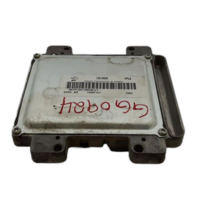

The information in this article is provided for general reference and educational purposes only. Vehicle specifications, procedures, and part compatibility can vary by production date, trim level, and region. Always consult your vehicle's factory service manual and verify part numbers before purchasing or performing repairs. Safety-critical components such as airbags, seat belts, and braking systems should be installed by a qualified professional.
- 🧭 Diagnostic Flowchart
- 🎬 Helpful Videos
- 🛍️ Shop This Part
- What Does P2771 Mean?
- Can I Drive With P2771?
- Common Causes
- Symptoms
- Common Fixes & Costs
- DIY vs Professional
- Used vs. New Parts: Buying Guide
- What Happens If You Wait — Timeline
- Cost of Not Fixing It
- Diagnosis Steps
- When This Code Triggers (Freeze-Frame Conditions)
- Related Codes
- Climate & Environmental Factors
- How to Talk to a Mechanic About This Code
- Where to Take It: Dealer vs Independent vs Chain
- When to Walk Away From the Repair
- What Scan Tool You Need for This Code
- How to Clear the Code After You Fix It
- Will This Fail Emissions / State Inspection?
- Most Commonly Affected Vehicles
- Manufacturer-Specific Notes
- Real Owner Stories
- 2011 Chevrolet Silverado 1500 at 110K miles
- 2009 GMC Sierra at 85K miles
- 2012 Dodge Ram 2500 at 130K miles
- How to Prevent This Code From Triggering
- Frequently Asked Questions
- What is the most common fix for code P2771?
- Can a bad ground cause code P2771?
- What are the biggest mistakes when diagnosing P2771?
- Can my driving habits cause a P2771 code?
- Is it safe to drive with code P2771?
- How much does it cost to fix P2771?
- Will clearing the code fix the problem?
- What does a flashing 'Service 4WD' light mean?
- Key Takeaways
- 🎟️ Get 5% Off