

P2797 on 2008-2013 Chevrolet Tahoe Hybrid: Auxiliary Pump Circuit Causes and Fixes
On a 2008-2013 Tahoe Hybrid, this code almost always points to a wiring issue between the hybrid control module and the auxiliary transmission pump, not a failed pump. The fix is typically repairing the damaged wiring harness, a task best left to professionals familiar with hybrid systems. This issue is common across all GM 2-Mode Hybrid trucks from this era.
- P2797 on a Tahoe indicates a problem with the auxiliary transmission pump circuit, and it almost certainly means your vehicle is a Hybrid model.
- Do not immediately assume the expensive auxiliary pump has failed. The most likely cause is a much cheaper-to-fix wiring or connector issue.
- This code is often accompanied by P0C2B; they should be diagnosed together following the guidance in TSB #PIP4873A or later versions.
- Driving with this code is risky and can lead to significant transmission damage or leave you stranded.
What's Unique About the 2008-2013 Chevrolet TAHOE

The 2008-2013 Tahoe Hybrid uses a complex 2-Mode (2ML70) hybrid transmission that is fundamentally different from the standard automatic in non-hybrid models. This system relies on an electric auxiliary pump to keep the transmission's clutches engaged with hydraulic pressure when the 6.0L V8 engine is off. A failure in this specific circuit can cause immediate drivability problems unique to this hybrid powertrain, leading GM to issue specific service bulletins to address common diagnostic errors. The wiring harness for the pump is a known weak point, prone to chafing and corrosion where it runs near the transmission and engine block.
Diagnostic Flowchart

Tap your situation to follow the diagnostic path that matches what you're seeing on this vehicle.
Symptoms You May Notice

- Check Engine Light is on
- Hybrid system warning messages on the dash
- Jerking or harsh lurching when the vehicle switches from engine to electric power (or vice-versa).
- A noticeable lull or slip followed by a kick or harsh engagement when accelerating from a stop.
- Hesitation or failure to accelerate from a stop after the engine has shut off.
- The 'Auto-Stop' feature is disabled
- Audible clicking or whining noises from the transmission area, especially during Auto-Stop transitions.
- Vehicle may refuse to move forward from a stop.
- Replacing the auxiliary transmission fluid pump without first performing a thorough inspection of the wiring harness and connectors. GM issued TSB #PIP4873A specifically to prevent this common and costly misdiagnosis.
Most Likely Causes

- Damaged Wiring or Connectors 🔴 High Probability The wiring harness between the Hybrid Powertrain Control Module (HPCM) and the auxiliary pump is highly susceptible to corrosion, chafing, and heat damage. Common chafe points are where the harness routes near the ECM/TCM bracket, the upper control arm, and the shock tower.
How to confirm: Follow GM Technical Service Bulletin #PIP4873A (or later revisions). Visually inspect the entire wiring harness, especially near the transmission bellhousing and engine block. Test circuit integrity (voltage, ground, and continuity) between the HPCM and the pump module. Wiggling the harness while monitoring scan tool data can help identify intermittent faults.
Typical fix: Repair the specific damaged section of the wiring harness and seal the connectors with dielectric grease. In some cases, a pigtail connector or harness section may need to be replaced.
Est. part cost: $10-$100 - Faulty Auxiliary Transmission Fluid Pump Control Module 🟡 Medium Probability → Shop Transmission Assembly Early versions of the control module were known to be failure-prone. GM released updated modules and adapter harnesses to improve reliability.
How to confirm: If the wiring and connectors are confirmed to be in perfect condition per the TSB, the module itself becomes the next suspect. A scan tool may show a loss of communication with the module. TSB PIP5403A notes that modules with a date code of 089-11-XXXX or older are suspect if the concern is intermittent.
Typical fix: Replace the auxiliary transmission fluid pump control module. If upgrading from an early design, new adapter harnesses are also required.
Est. part cost: $150-$400 - Failed Auxiliary Transmission Fluid Pump ⚪ Low Probability → Shop Transmission Assembly
How to confirm: This should only be considered after wiring and the control module have been definitively ruled out. The pump can be commanded ON with a diagnostic scan tool to check for operation, though a wiring fault can prevent this test from being conclusive.
Typical fix: Replace the auxiliary transmission fluid pump assembly, which is located inside the transmission.
Est. part cost: $250-$550
Rare But Worth Checking
- Internal Transmission Clutch Failure: → Shop Transmission Assembly
Diagnosis Steps
- Verify the vehicle is a Hybrid model, as this code is specific to the 2ML70 (RPO M99) transmission.
- Scan all vehicle control modules for DTCs. Note if P2797 is present with P0C2B, which is highly likely.
- Obtain and follow the diagnostic procedure outlined in the latest version of GM Technical Service Bulletin #PIP4873 (e.g., PIP4873A, B, C, or D).
- DO NOT replace the auxiliary pump or its module initially. The primary instruction is to inspect the wiring first.
- Perform a detailed visual inspection of the wiring harness and connectors between the Hybrid Powertrain Control Module (HPCM) and the auxiliary transmission fluid pump control module. Pay close attention to areas where the harness can rub against the engine block, transmission case, or chassis brackets.
- Check for corroded pins or poor terminal tension at the module connector and the main harness pass-through connectors near the battery.
- Perform electrical tests (continuity, resistance, voltage drop) on the power, ground, and communication circuits identified in the service manual to confirm the integrity of the wiring.
- If wiring and connections are confirmed good, check the date code on the auxiliary pump control module. TSBs suggest modules made before 2011 are more prone to failure.
- If wiring is good and the module is an older design, replacing the module and any necessary adapter harnesses is the next logical step.
- Only after ruling out wiring and the control module should the auxiliary pump itself be considered the cause.
- After repairs, clear all DTCs and perform a lengthy road test, ensuring multiple 'Auto-Stop' cycles complete successfully to verify the fix.
Parts You'll Likely Need
- Wiring Repair Supplies — Per TSB #PIP4873A, the most common cause is a fault in the wiring harness, requiring repair rather than component replacement.
Trusted brands: Delphi, ACDelco
OEM price range: $20-$100
Aftermarket price range: $10-$50 - Auxiliary Transmission Fluid Pump Control Module
(OEM #24261817)— This is the next most likely cause if the wiring is confirmed to be good. This is the updated module part number.
Trusted brands: ACDelco
OEM price range: $200-$400
Aftermarket price range: $150-$300 - Auxiliary Pump Module Adapter Harnesses
(OEM #24259589 and 24259590)— Required when updating an older-style control module to the newer, more reliable version (24261817).
Trusted brands: ACDelco
OEM price range: $50-$100
Related Codes That Often Appear With This One
- P0C2B — This code, for 'Auxiliary Transmission Fluid Pump Control Module Feedback Signal', almost always sets with P2797. TSB #PIP4873A directly addresses diagnosing these two codes together as they point to the same underlying wiring or module issue.
- P0AC4 — This code, 'Hybrid Powertrain Control Module Requested MIL', is a general code indicating the hybrid control module has detected a fault and turned on the Check Engine Light. It will be present with more specific codes like P2797.
Technical Service Bulletins (TSBs) & Recalls
- PIP4873A: States that when diagnosing DTC P0C2B with or without P2797, technicians should not replace the auxiliary transmission fluid pump. Instead, they should inspect the wiring between the HPCM and the pump module for faults. If wiring is OK, suspect the module.
- PIP5403A: A later TSB that provides more detailed diagnostic steps for the 'bump/jerk' condition associated with P2797/P0C2B. It advises checking the module's date code and provides guidance on when to suspect the module versus an internal clutch issue.
Platform-Specific Known Issues
- A known issue on this platform is the misdiagnosis of code P2797 (often with P0C2B) as a failed auxiliary pump. GM released TSB #PIP4873A to guide technicians to inspect and repair the wiring harness first, as this is the most frequent point of failure.
- The wiring harness is particularly vulnerable to chafing against the ECM/TCM bracket and the driver's side upper control arm, leading to shorts or open circuits.
Mechanic-Grade Diagnostic Values
- LIN Bus Voltage (Dark Green wire at module connector) — expected: Fluctuating voltage, typically between 7V and 11V with key on.. Failure: A steady 0V indicates a short to ground or an open circuit. A steady 12V indicates a short to power.
- Auxiliary Pump Speed (via GDS2 Scan Tool) — expected: 3000-4000 RPM when commanded ON.. Failure: 0 RPM or an erratic reading when the pump is commanded ON suggests a circuit, module, or pump motor fault.
Hidden / Shadow Codes Worth Checking
- N/A: For this specific fault, there are no documented 'shadow codes' in the traditional sense. The next level of diagnostic detail comes from monitoring specific data PIDs with a dealer-level scan tool like the GM GDS2. Parameters like 'Aux. Trans. Fluid Pump Fault Status 1/2' and the commanded vs. actual pump speed provide the critical information that basic scanners cannot see. (see via GM GDS2 (Global Diagnostic System 2) or equivalent high-end scan tool.)
Scan Tool Commands That Help
- GM GDS2 / Tech2Win: Auxiliary Transmission Fluid Pump On/Off (or Speed Control) — This bidirectional control is the primary active test. A technician commands the pump ON and watches the 'Auxiliary Pump Speed' PID. If the pump is commanded ON but the speed reads 0 or is erratic, it confirms a fault exists in the system (wiring, module, or pump), allowing for targeted circuit testing.
Wiring & Ground Locations

- T19 Module Connector — The Auxiliary Transmission Fluid Pump Control Module is located under the 12V battery tray in the engine bay.. This is the main connector to test the power, ground, and communication circuits for the pump system. Pin 1 (Red/White) is battery power, Pin 2 (Black) is ground, and Pin 3 (Dark Green) is the LIN Bus communication line to the HPCM.
- G107 — On the left side of the engine block, typically below the ignition coil bracket.. This is the primary ground point for the Auxiliary Transmission Fluid Pump Control Module (via circuit 5060, the Black wire). A loose or corroded connection here will cause a loss of module function and set P2797/P0C2B.
- F3UA Fuse (15A) — Located in the Underhood Fuse Block on the left side of the engine compartment.. This fuse supplies battery power to the Auxiliary Transmission Fluid Pump Control Module via the Red/White wire (circuit 2340). A blown fuse will cut all power to the module.
Real Owner Repair Stories
- Tahoe Yukon Forum members (2009 Cadillac Escalade Hybrid (identical 2ML70 powertrain)) — P2797 and P0C2B codes with harsh shifting during auto-stop transitions.
❌ Tried (didn't work) Initial replacement of the Auxiliary Transmission Fluid Pump Control Module did not solve the problem.
✅ What actually fixed it A broken Dark Green (LIN Bus communication) wire was found inside the wiring loom near the driver's side front shock tower. The wire had chafed through. Repairing this single wire resolved all symptoms and codes.
OEM Part Supersession History
24247742, 24253291→24261817— The original modules were prone to intermittent failure. The updated 24261817 module is more robust.
Heads up: When replacing an original module (typically on 2008-2009 models) with the updated 24261817, two adapter harnesses are required: P/N 24259589 and 24259590.
Model Year Variations Within This Range
- 2008-2010: Vehicles in these years were originally equipped with the older, less reliable auxiliary pump control module. TSB PIP5403A specifically notes that modules with a date code of '089-11-XXXX' (March 30, 2011) or older are suspect and should be replaced if wiring is confirmed good and the issue is intermittent. Later models came from the factory with the updated module.
We Have This Part in Stock
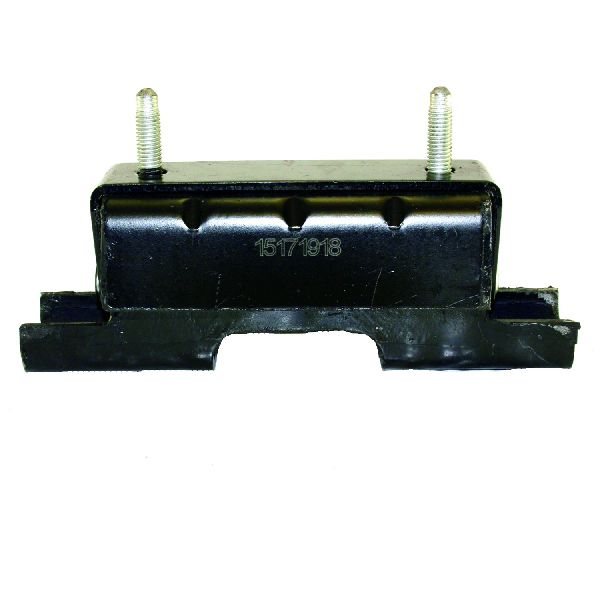
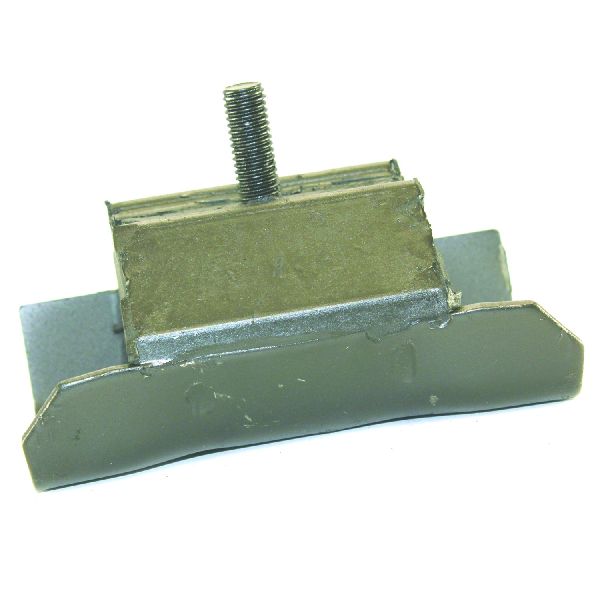

The information in this article is provided for general reference and educational purposes only. Vehicle specifications, procedures, and part compatibility can vary by production date, trim level, and region. Always consult your vehicle's factory service manual and verify part numbers before purchasing or performing repairs. Safety-critical components such as airbags, seat belts, and braking systems should be installed by a qualified professional.
- Chevrolet TAHOE:
- 🧭 Diagnostic Flowchart
- 🛍️ Shop This Part
- What's Unique About the 2008-2013 Chevrolet TAHOE
- Symptoms You May Notice
- Most Likely Causes
- Rare But Worth Checking
- Diagnosis Steps
- Parts You'll Likely Need
- Related Codes That Often Appear With This One
- Technical Service Bulletins (TSBs) & Recalls
- Platform-Specific Known Issues
- Mechanic-Grade Diagnostic Values
- Hidden / Shadow Codes Worth Checking
- Scan Tool Commands That Help
- Wiring & Ground Locations
- Real Owner Repair Stories
- OEM Part Supersession History
- Model Year Variations Within This Range
- 🎟️ Get 5% Off