

P2800 on 2019-2023 Chevrolet Silverado 6L80/6L90: Internal Mode Switch Causes and Fixes
On a Silverado with a 6L80/6L90 transmission, P2800 almost always points to a failed Internal Mode Switch (IMS). This part is inside the transmission pan, making replacement a labor-intensive job. Expect a shop repair to cost between $500 and $900, with the part itself being around $50-$100.
- P2800 on a 2019-2023 Silverado with a 6L80/90 transmission means a fault with the Internal Mode Switch (IMS).
- Symptoms are severe and affect safety, including no-start conditions and limp mode. Do not continue to drive.
- Before starting an expensive repair, check GM TSB 19-NA-228 and ensure the main TCM connector is fully seated, as this can cause the code for free.
- The most likely fix is replacing the IMS, which is a complex, labor-intensive job inside the transmission pan that is not recommended for a DIY beginner.
- When replacing the IMS, you must also replace the transmission filter and fluid.
What's Unique About the 2019-2023 Chevrolet Silverado
Unlike many vehicles where the range sensor is an easily accessible part on the outside of the transmission, GM integrated it into the 6L80/6L90 as an Internal Mode Switch (IMS). This design choice means the transmission pan and fluid must be drained, and the valve body may need to be accessed just to replace the sensor. This significantly increases the labor time and complexity compared to a typical external sensor replacement.
Generation note: The 2019 model year includes both the carry-over third-generation 'LD' model (K2XX platform) and the new fourth-generation model (T1 platform). Both could be equipped with the 6L80 transmission. This issue is specific to the 6L80/6L90 transmission itself, so the diagnosis and repair apply to any Silverado from this period that uses it.
Symptoms You May Notice
- Check Engine Light is on
- Gear position indicator on the dashboard is blank or incorrect
- Vehicle will not crank or start when in Park, but may start in Neutral
- Transmission is stuck in one gear (Limp Mode)
- Harsh or erratic shifting
- Reverse lights do not work
- "Shift to Park" message on the Driver Information Center (DIC) even when in Park
- Replacing the entire valve body or transmission when only the relatively inexpensive Internal Mode Switch has failed.
Most Likely Causes
- Failed Internal Mode Switch (IMS) 🔴 High Probability The IMS is located inside the transmission, where it is subjected to constant heat and exposure to transmission fluid, which can lead to internal electronic failure over time. The part is a known failure point across many GM models using this transmission.
How to confirm: After confirming the external wiring is intact, a diagnostic scan tool showing an invalid or static signal for the 'B' circuit when shifting gears points to a failed IMS. The ultimate confirmation is replacement.
Typical fix: Drop the transmission pan, drain the fluid, remove and replace the Internal Mode Switch on the valve body. A new transmission filter and fluid are required. The new part may require a programming/relearn procedure.
Est. part cost: $50-$100 - Improperly Seated TCM Connector 🟡 Medium Probability GM issued Technical Service Bulletin (TSB) 19-NA-228 for 2019-2020 new-body-style Silverados, indicating the main Transmission Control Module (TCM) connector may not be fully seated, causing poor connections and various transmission codes, including those related to the range sensor.
How to confirm: Visually inspect the large electrical connector at the TCM. Check if it appears crooked or not fully latched. Disconnect and reconnect it, ensuring the locking lever engages properly.
Typical fix: Reseat the TCM connector securely. This requires no parts and should be the first physical check performed.
Est. part cost: $0 - Wiring or Connector Damage ⚪ Low Probability While the sensor is internal, the wiring harness leading to the transmission can still be damaged by road debris, heat from the exhaust, or corrosion at the main case connector.
How to confirm: Visually inspect the main transmission harness and connector for any signs of physical damage, melting, or corrosion. Perform a continuity test on the relevant wires if damage is suspected.
Typical fix: Repair the damaged section of the wiring harness or clean/replace the connector.
Est. part cost: $10-$50
Rare But Worth Checking
- Failed Transmission Control Module (TCM): → Shop Transmission Assembly This is rare and should only be considered after all other possibilities, including the IMS and wiring, have been definitively ruled out. The TCM is integrated into the valve body on these transmissions, making replacement very expensive.
Diagnosis Steps
- Verify Code and Symptoms: Use an OBD-II scanner to confirm P2800 is present. Note any other codes, especially P0700, P182F, or P1825, as these strongly point to the IMS.
- Check for TSBs: Specifically investigate TSB #19-NA-228. Locate the Transmission Control Module (TCM) and inspect its main electrical connector. Ensure it is fully seated, latched, and not crooked. Reseat it as a first step, as this costs nothing.
- Scan Tool Live Data: Monitor the live data for the Transmission Range Sensor circuits (A, B, C, P). As you move the shifter through each gear (P, R, N, D, L), you should see the voltage or state change for each circuit. If circuit 'B' is static, shows 'Invalid', or doesn't change, the problem is almost certainly the sensor or its wiring.
- Inspect External Harness: Perform a visual inspection of the wiring harness leading to the transmission case connector. Look for any obvious signs of damage, melting from exhaust contact, or corrosion in the pins.
- Plan for IMS Replacement: If the external checks pass and the scan tool data points to a sensor failure, the Internal Mode Switch is the highly probable cause. This requires dropping the transmission pan for access.
- Replace IMS: If undertaking the repair, drain the transmission fluid, remove the pan, and locate the IMS on the valve body. Disconnect and replace the switch. It is highly recommended to also replace the transmission filter at this time.
- Reassemble and Refill: Install the new filter, reinstall the pan with a new gasket, and refill with the correct specification of automatic transmission fluid (ACDelco DEXRON VI, GM Part #19417577).
- Clear Codes and Test: Clear the diagnostic codes. Some sources indicate the new switch may require a programming or setup procedure with a capable scan tool to ensure proper operation. Test drive to confirm the fix.
Parts You'll Likely Need
- Internal Mode Switch (IMS)
(OEM #24258550)— This is the sensor that fails, causing the P2800 code on this platform.
Trusted brands: ACDelco
OEM price range: $50-$100
Aftermarket price range: $40-$80 - Transmission Filter Kit
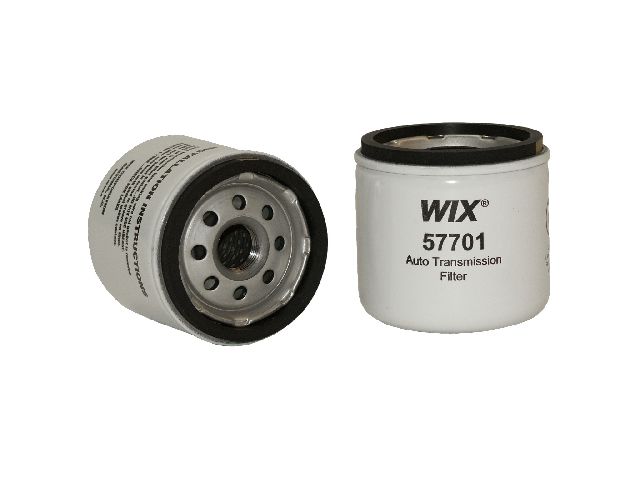
(OEM #24229616 (Filter), 24229611 (Seal))— The filter must be removed to access the IMS and should always be replaced whenever the transmission pan is dropped.
Trusted brands: ACDelco, Wix, ATP
OEM price range: $20-$40
Aftermarket price range: $15-$30 - Automatic Transmission Fluid
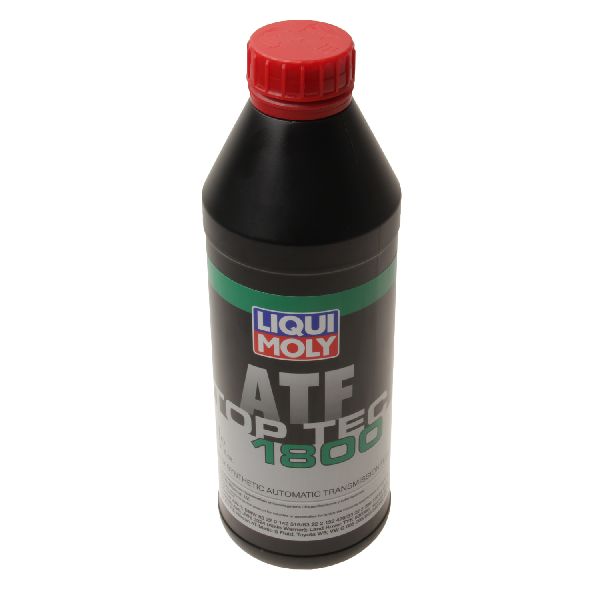
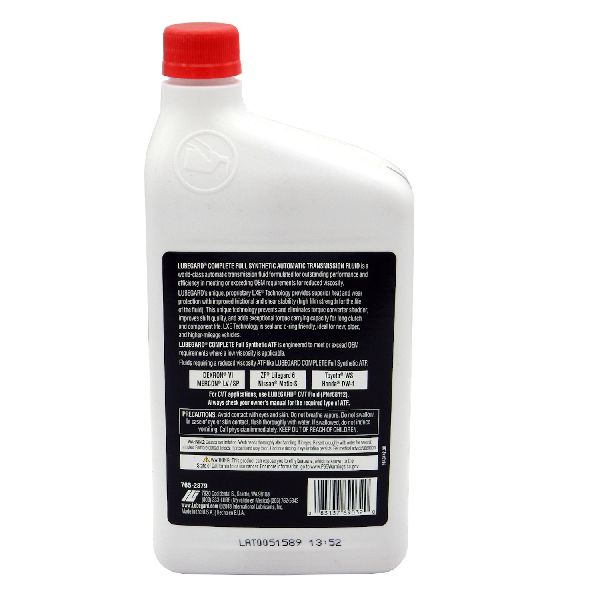
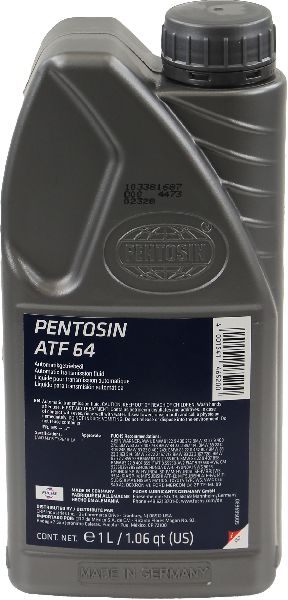
(OEM #19417577 (ACDelco DEXRON VI))— The transmission fluid must be drained to perform the repair and will need to be replaced. Check owner's manual for capacity, but expect 6-8 quarts for a pan drop.
Trusted brands: ACDelco DEXRON VI
OEM price range: $10-$15 per quart
Aftermarket price range: $8-$12 per quart
Related Codes That Often Appear With This One
- P0700 — P0700 is a generic code indicating the Transmission Control Module (TCM) has detected a fault and has requested the Check Engine Light to be turned on. It will almost always be present with a specific transmission code like P2800.
- P182F — This is a GM-specific code for 'Internal Mode Switch Circuit C High Voltage'. Like P2800, it points directly to a fault within the IMS, just on a different internal circuit. Seeing them together strongly condemns the IMS.
- P1825 — Another GM-specific code for 'Internal Mode Switch Invalid Range'. This code is frequently associated with a failed IMS and similar symptoms.
Technical Service Bulletins (TSBs) & Recalls
- 19-NA-228: Malfunction Indicator Lamp (MIL) Illuminated, Shift to Park Message on Drivers Information Center (DIC), Unable to Turn Off Ignition and/or Discharged Battery - Multiple DTCs Set. This TSB points to a potentially unseated TCM connector as a cause for various transmission codes. The bulletin notes that due to the connector design, it's unlikely for more than one circuit to be affected at a time.
Platform-Specific Known Issues
- GM TSB #19-NA-228 addresses improperly seated TCM connectors on 2019-2020 models, which can cause this type of fault code. This should be checked before attempting more invasive repairs.
Mechanic-Grade Diagnostic Values
- Internal Mode Switch (IMS) Signal Logic — expected: The IMS sends a combination of High (12V) and Low (0V) signals to the TCM to indicate gear position. The exact combination of High/Low states for each gear can be found in a service manual's 'Internal Mode Switch Logic' table.. Failure: On a scan tool, if one of the IMS signal circuits (like the 'B' circuit for P2800) is stuck either High or Low and does not change as the shifter is moved, it indicates a fault in the switch or its wiring.
- Mainline Pressure vs. EPC Command — expected: Using a pressure gauge on the transmission's mainline port and a scan tool to monitor EPC command, the actual pressure should track the commanded pressure as you control it with the scan tool's bidirectional function.. Failure: If commanded pressure changes but actual pressure does not, or if pressure is consistently low even when commanding high pressure, it points to a hydraulic issue (pump, valve body, seals) rather than just the IMS.
Scan Tool Commands That Help
- GM GDS2 / Tech2Win: Service Fast Learn Adapts — This procedure is required after replacing the Internal Mode Switch or the entire valve body/TCM assembly. It allows the TCM to relearn clutch fill volumes and shift timing. Failure to perform this can result in harsh shifts or future damage.
- GM GDS2 / Tech2Win: Module Setup > Transmission Control Module — This menu in the dealer scan tool provides access to various setup and relearn functions, including the fast learn adapts, which are critical after component replacement.
- GM GDS2 / Tech2Win: Transmission Bi-Directional Controls (EPC Solenoid) — To diagnose if a pressure-related problem is hydraulic or electronic. A technician can command the Electronic Pressure Control (EPC) solenoid to increase or decrease pressure and watch a mechanical gauge to see if the transmission responds. This helps differentiate a bad solenoid/TCM from a bad pump or internal leak.
Wiring & Ground Locations
- K71 TCM Connector — The main 16-pin electrical connector on the side of the transmission case.. This is the primary connection point for all electronic signals to and from the transmission. TSB 19-NA-228 specifically calls out that this connector may not be fully seated from the factory, causing codes like P2800. It is also a common point for corrosion or pin damage.
- G110 / G114 — On 2019-2020 models, these are key ground connections. GM issued engineering information (PIE0548) to investigate loose connections at these points.. A loose ground at G110 (Body Harness) or G114 (Engine Harness) can cause a host of seemingly unrelated electrical issues and communication codes, which could potentially manifest as a transmission fault.
- G218 — Located on the passenger-side A-pillar frame, behind the kick panel.. This is a major body ground. On T1 platform trucks, factory paint under the ground lug can create poor contact, leading to network instability and a flood of communication codes (U-codes), which are often seen alongside module-specific codes like P2800. Cleaning this ground to bare metal is a common fix for widespread electrical gremlins.
- TCM Connector Pin 12 — Pin 12 (Pink Wire) on the 16-pin K71 TCM connector.. This pin provides switched ignition power to the TCM. A poor connection or break in this specific wire near the connector is a known issue that can cause a loss of power to the TCM, resulting in various transmission codes and limp mode.
Real Owner Repair Stories
- SpoolStreet Forums (Vehicle not specified, but with an internally-mounted TCM (similar architecture to 6L80).) — Transmission issues after dropping the valve body.
❌ Tried (didn't work) Initial reassembly of the valve body.
✅ What actually fixed it The user discovered they had accidentally bent and broken one of the small, brittle pins on the TCM itself where the internal harness connects. The fix required either a very delicate repair of the pin or replacement of the entire expensive TCM/valve body assembly.
OEM Part Supersession History
24224216, 24237149, 24242727, 24242938, 24246427→24258550— Standard part evolution, likely for improved reliability or manufacturing process changes.
Heads up: Using the latest part number (24258550) is recommended as it incorporates all previous revisions.
Model Year Variations Within This Range
- 2019 (Early Production): Per TSB 19-NA-142, 6L80/6L90 transmissions manufactured before February 1, 2019 (date code 19032) may have been filled with a fluid that requires a fluid exchange to a newer spec fluid. This doesn't directly cause P2800 but is a critical service note for any work on early 2019 models.
- 2019-2020: TSB 19-NA-228 regarding the unseated TCM connector is specifically for 2019-2020 models. While possible on other years, it was most prevalent during this period.
Diagnostic Flowchart
Other Known Issues on This Vehicle
Issues unrelated to this code that are worth knowing about as an owner of this generation:
- V8 Engine Lifter Failure (AFM/DFM) 🔴 High — Widespread across 5.3L (L84) and 6.2L (L87) engines, often occurring under 100,000 miles, with some failures reported as early as 20,000 miles. A class-action lawsuit alleges the issue stems from the Active/Dynamic Fuel Management system. (Ref: GM Service Update N212353840 acknowledged issues with valve lifters in 2021 models.)
- Transmission Shudder/Harsh Shifting (8-Speed & 10-Speed) 🟠 Medium → Shop Transmission Assembly — Very common on vehicles equipped with the 8L90 and 10L80 transmissions, often described as driving over rumble strips. The issue is related to torque converter clutch performance and fluid contamination. (Ref: TSB 18-NA-355 and 19-NA-121 prescribe a specific fluid flush with Mobil 1 Synthetic LV ATF HP as a first step.)
- Infotainment System Black Screen / Glitches 🟡 Low — Frequently reported issue where the infotainment screen goes blank, freezes, or audio cuts out. It can be intermittent. Owners report temporary fixes like restarting the truck or disconnecting the battery. (Ref: Recall N242435631 was issued to address a software issue in the Serial Data Gateway Module that could cause battery drain and was also intended to help with infotainment stability.)
- Frame Wax Coating Peeling / Corrosion 🟡 Low — Owners may notice the protective wax coating on the frame peeling, exposing the metal underneath to surface rust. This is primarily a cosmetic issue in most cases but is a common complaint. (Ref: TSB 19-NA-255 addresses this specific condition, describing it and showing examples.)
Used vs. New Parts: Buying Guide for This Vehicle
When a used part is the smart pick: For this specific repair, sourcing a used Internal Mode Switch (IMS) is generally not recommended. It is a relatively low-cost electronic part that is labor-intensive to access. The risk of a used part failing shortly after installation outweighs the small cost savings. It makes more sense to use a new OEM or high-quality aftermarket part.
Donor-vehicle mileage cap: roughly under 30000 miles for the part to have meaningful remaining life.
What to inspect on the donor part:
- Verify the part is from the correct transmission (6L80/6L90).
- Inspect for any physical damage, cracks, or signs of overheating.
- Ensure all connector pins are straight and clean.
OEM-only on this vehicle (don't cheap out):
- Internal Mode Switch (IMS) - Strongly recommended to use OEM (ACDelco) due to the high labor cost of replacement. A failed aftermarket part would be costly to replace again.
- Transmission Control Module (TCM) - If the entire valve body/TCM needs replacement, only an OEM unit should be used, as it requires specific programming to the vehicle's VIN.
Brands owners have reported issues with on this vehicle:
- Unbranded or generic IMS sensors from online marketplaces are a high risk due to the labor involved in the repair.
Real Owner Stories
Aggregated from forums and TSBs cited above. Mileages and costs reflect what owners reported in those sources.
2019 Chevrolet Silverado 1500 6L80
Symptoms: Experienced transmission problems early in the vehicle's life; noted that the 6-speed transmission was still being used in the new body style trucks and having issues.
What fixed it: The context identifies TSB #19-NA-228 as the primary fix for 2019 models with these symptoms, involving reseating the TCM connector.
Source hint: GM-Trucks.com Forum: 2019 Silverado1500 6 speed transmission problems
2019-2020 Chevrolet Silverado
Symptoms: Malfunction Indicator Lamp (MIL) illuminated, 'Shift to Park' message on the DIC, unable to turn off ignition, and/or discharged battery.
What fixed it: Reseating the main Transmission Control Module (TCM) connector, which may be crooked or not fully latched.
Source hint: TSB 19-NA-228
Chevrolet Silverado 6L80 / 6L90
Symptoms: Diagnostic scan tool showing an invalid or static signal for the 'B' circuit when shifting gears; gear position indicator blank.
What fixed it: Dropped the transmission pan, drained fluid, and replaced the Internal Mode Switch (IMS) on the valve body.
Source hint: YouTube: How to Replace the Range Sensor on a 6l80 6l90 Chevrolet / Chevy Silverado by 'Codemans auto'
Related OBD-II Codes
Frequently Asked Questions
My 2019 Silverado shows a 'Shift to Park' message and won't turn off. Is there a TSB for this?
Can I fix the P2800 code on my 6L80 transmission without replacing the whole valve body?
Why does my Silverado start in Neutral but not in Park when the P2800 code is active?
What specific transmission fluid should I use when refilling my 2019-2023 Silverado 6L80 after an IMS repair?
Is the P2800 code related to the 'rumble strip' shudder common in newer Silverados?
Helpful Videos
We Have This Part in Stock

The information in this article is provided for general reference and educational purposes only. Vehicle specifications, procedures, and part compatibility can vary by production date, trim level, and region. Always consult your vehicle's factory service manual and verify part numbers before purchasing or performing repairs. Safety-critical components such as airbags, seat belts, and braking systems should be installed by a qualified professional.
- Chevrolet Silverado:
- 🧭 Diagnostic Flowchart
- 🎬 Helpful Videos
- 🛍️ Shop This Part
- What's Unique About the 2019-2023 Chevrolet Silverado
- Symptoms You May Notice
- Most Likely Causes
- Rare But Worth Checking
- Diagnosis Steps
- Parts You'll Likely Need
- Related Codes That Often Appear With This One
- Technical Service Bulletins (TSBs) & Recalls
- Platform-Specific Known Issues
- Mechanic-Grade Diagnostic Values
- Scan Tool Commands That Help
- Wiring & Ground Locations
- Real Owner Repair Stories
- OEM Part Supersession History
- Model Year Variations Within This Range
- Other Known Issues on This Vehicle
- Used vs. New Parts: Buying Guide for This Vehicle
- Real Owner Stories
- 2019 Chevrolet Silverado 1500 6L80
- 2019-2020 Chevrolet Silverado
- Chevrolet Silverado 6L80 / 6L90
- Related OBD-II Codes
- Frequently Asked Questions
- 🎟️ Get 5% Off