

P2800 on 2013-2018 Ford C-MAX: Transmission Range Sensor 'B' Circuit Causes and Fixes
On a 2013-2018 Ford C-MAX, P2800 is most often caused by water intrusion and corrosion in specific electrical connectors, as noted in Ford TSB #SSM 47790. Before replacing the Transmission Range Sensor, inspect connectors C134, C140, C144, C1651, C1717, and C1812 for damage. This is a known platform issue affecting the C-MAX, Fusion Hybrid, and MKZ Hybrid. The most commonly implicated connectors are located in the driver-side footwell and under the hood.
- For P2800 on a 2013-2018 Ford C-MAX, suspect water-damaged electrical connectors before suspecting a bad sensor.
- Reference Ford TSB #SSM 47790 and inspect connectors C134, C140, C144, C1651, C1717, and C1812 first.
- Do not drive the vehicle with this code, as it may not start or could shift unpredictably.
- Ensure the separate shifter cable bushing recall (22S43) has been completed on your vehicle, as it is another critical transmission-related safety issue.
What's Unique About the 2013-2018 Ford C-MAX
For the Ford C-MAX and its platform mates (Fusion Hybrid, MKZ Hybrid), the story of P2800 is less about the sensor itself and more about the vehicle's susceptibility to water intrusion. Ford issued a Technical Service Bulletin (TSB #SSM 47790) specifically for the 2013-2018 C-MAX Hybrid, linking this code to water damage in several key electrical connectors. This means that unlike in many other vehicles where the sensor is the first suspect, on the C-MAX, the wiring and connectors—particularly those in the driver-side kick panel and under the cowl—are the most probable cause of the fault. Forum discussions frequently mention water leaks in the footwells and boot area.
Diagnostic Flowchart
Tap your situation to follow the diagnostic path that matches what you're seeing on this vehicle.
Symptoms You May Notice
- Check Engine Light is illuminated
- Vehicle will not start, especially when in Park
- Engine may only start in Neutral
- 'Stop Safely Now' warning message on the dash
- Incorrect gear displayed on the dashboard (or no gear displayed)
- Transmission may enter 'limp mode,' limiting vehicle speed
- Delayed or harsh transmission engagement
- Backup lights may not work
- Replacing the Transmission Range Sensor without first inspecting the wiring and connectors for water damage. Given TSB #SSM 47790, the connectors are the most likely point of failure on a C-MAX.
- Replacing the entire transmission. This code points to an electrical circuit issue, not an internal mechanical failure of the transmission.
Most Likely Causes
- Water Intrusion and Corrosion in Electrical Connectors 🔴 High Probability As identified in Ford TSB #SSM 47790, the C-MAX platform is prone to water leaks that affect specific electrical connectors, leading to multiple electrical faults, including P2800. Forum users report water sources including clogged cowl drains, leaking windshield seals, and improperly sealed roof rack fittings, which allow water into the cabin and engine bay.
How to confirm: Visually inspect connectors C134, C140, C144, C1651, C1717 (PHEV only), and C1812 for signs of green or white corrosion, moisture, or backed-out pins. Connector C134 is frequently cited and is located in the driver-side kick panel area. Other connectors are located under the hood near the cowl and on the transmission itself. This requires removing interior trim panels and potentially the cowl cover.
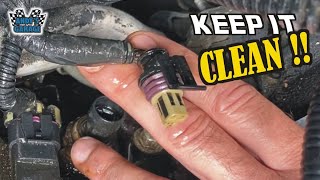
Typical fix: Clean the corroded connector pins and terminals using a specialized electrical contact cleaner 🎬 Watch: Pro tips for cleaning corroded electrical connectors and a small brush. If corrosion is severe, the connector and a section of the wiring (a 'pigtail') may need to be replaced. After repair, apply dielectric grease to the connector seals to prevent future moisture intrusion and address the source of the water leak.
Est. part cost: $10-$50 - Faulty Transmission Range Sensor (TRS) 🟡 Medium Probability → Shop Transmission Assembly
How to confirm: If the wiring and connectors are confirmed to be clean and functional, the sensor itself is the next suspect. Diagnosis involves using a multimeter or scan tool to verify the sensor's voltage output as the gear selector is moved through each position. An incorrect or absent signal indicates a failed sensor. The sensor is located on the outside of the transmission case.
Typical fix: Replace the Transmission Range Sensor. The sensor is located on the outside of the transmission where the shift linkage attaches. Access may require removing the driver-side wheel and fender liner.
Est. part cost: $150-$275 - Damaged Wiring Harness ⚪ Low Probability
How to confirm: Perform a continuity test on the wires between the TRS and the Transmission Control Module (TCM). Check for opens (breaks) or shorts to ground in the harness. Pay close attention to areas where the harness may rub against the chassis or engine components.
Typical fix: Repair or replace the damaged section of the wiring harness.
Est. part cost: $20-$100
Rare But Worth Checking
- Faulty Powertrain Control Module (PCM) or Transmission Control Module (TCM): → Shop Engine Control Module (ECM) This is the least likely cause and should only be considered after all other possibilities (wiring, connectors, and sensor) have been exhaustively ruled out. Module failure is rare.
Diagnosis Steps
- Scan the vehicle for all diagnostic trouble codes. Note any other codes that appear alongside P2800, especially those listed in TSB #SSM 47790, as they strongly point to a shared wiring fault.
- Begin by inspecting the known problem areas for water intrusion. Pull back the driver-side carpet and remove the kick panel to access connector C134. Check for any signs of moisture or corrosion.
- Locate and carefully inspect all other electrical connectors mentioned in TSB #SSM 47790: C140, C144, C1651, C1717 (Energi/PHEV models only), and C1812. Check for any signs of water damage, green/white corrosion, or loose pins.
- If corrosion is found, disconnect the battery, clean the connector terminals with electrical contact cleaner and a small brush, and apply dielectric grease before reconnecting. If damage is severe, the connector and terminals may need to be replaced with a pigtail kit.
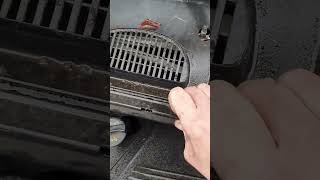
- Find and repair the source of the water leak. Common areas include clogged cowl/scuttle drains 🎬 See how water enters the bulkhead through clogged drains below the windshield, a bad windshield seal, or leaking roof rack mounts.
- If all specified connectors are clean and dry, inspect the Transmission Range Sensor (TRS) itself and its direct connector for any obvious damage or corrosion.
- Using a scan tool with live data capability, monitor the TRS parameter while moving the shifter through all gears. Check if the computer's reading matches the shifter's physical position.
- If a scan tool is not available, use a multimeter to test the voltage and resistance of the 'B' circuit at the sensor connector, comparing the readings to the vehicle's service manual specifications for each gear position.
- If the sensor and connectors test good, perform a continuity check on the wiring harness between the TRS and the TCM to check for breaks or shorts.
- As a final step, if all wiring and components are confirmed to be good, the issue may lie with the TCM, but this is highly unlikely.
Parts You'll Likely Need
- Electrical Connector Pigtail — If corrosion from water intrusion is severe, the connector itself will need to be cut out and a new one spliced in. The specific pigtail needed depends on which connector is damaged.
Trusted brands: Motorcraft, Dorman
OEM price range: $30-$60
Aftermarket price range: $15-$40 - Transmission Range Sensor
(OEM #DG9Z-7H557-A)— If the wiring and connectors are confirmed to be good, the sensor itself is the next most likely part to have failed.
Trusted brands: Motorcraft
OEM price range: $170-$275
Aftermarket price range: $100-$180
Related Codes That Often Appear With This One
- P2802 — Transmission Range Sensor 'B' Circuit Low. This is another code related to the same circuit, often appearing with P2800. It is also mentioned in TSB #SSM 47790.
- P26C3, P26CA, P26D0 — These codes relate to the engine coolant pumps. They are listed alongside P2800 in TSB #SSM 47790 as common codes resulting from the same water intrusion issue in the electrical connectors.
- U019F, U0284 — These are communication codes. They are also listed in TSB #SSM 47790 as being caused by the same water intrusion problem that triggers P2800.
- P0705 — This is a general code for a Transmission Range Sensor circuit malfunction. P2800 is a more specific version of this fault, pointing to the 'B' circuit.
Technical Service Bulletins (TSBs) & Recalls
- SSM 47790 - Multiple drivability or electrical concerns due to water intrusion in various connectors.
Platform-Specific Known Issues
- TSB SSM 47790: Ford identified that multiple electrical and drivability concerns, including code P2800, can be caused by water entry or corrosion in connectors C134, C140, C144, C1651, C1717, and C1812 on 2013-2018 C-MAX HEV/PHEV models. The same TSB applies to 2013-2019 Fusion and MKZ hybrids.
- Recall 22S43 - Shifter Cable Bushing: While not a direct cause of the P2800 electrical code, these vehicles were recalled for a bushing that can degrade and detach, preventing the transmission from going into the selected gear and potentially causing a rollaway risk. Owners should ensure this recall has been performed.
- Common Water Leak Points: Owners on forums report water entering the cabin through clogged scuttle panel drains (under the windshield wipers), poorly sealed windshields, and leaking roof rack mounts. This water then pools in the driver's footwell, damaging connector C134.
Scan Tool Commands That Help
- Ford IDS (Integrated Diagnostic Software): Datalogger - TR PIDs (TR, TR1, TR2, TR3, TR4, TR3V, TR_F) — To monitor the live data from the Transmission Range Sensor circuits while moving the shifter. This helps verify if the PCM is receiving the correct position signal or if it's intermittent or incorrect, which is crucial for diagnosing if the fault is with the sensor, wiring, or module.
- Ford IDS (Integrated Diagnostic Software): Self-Test (KOEO/KOER) — To retrieve all diagnostic trouble codes from the PCM and TCM. This is the first step to see if P2800 is accompanied by other related codes mentioned in TSBs, which would strengthen the diagnosis of a wiring or connector issue.
- High-End Bidirectional Scanner: Transmission Range Sensor Test / Read Input Status — To command the PCM/TCM to report the gear position signal it is currently receiving. If the scan tool shows 'No Signal' or an incorrect gear despite the sensor and wiring testing good, it points towards a potential control module fault.
Wiring & Ground Locations
- C134 — In the driver-side footwell, behind the kick panel. It is a large, body harness inline connector.. This is one of the primary connectors mentioned in TSB SSM 47790. It is highly susceptible to water damage from leaks originating from the cowl, windshield, or A-pillar, causing corrosion that directly leads to the P2800 code.
- C1812 — Located on the transmission housing, connecting the main vehicle harness to the transmission components, including the Transmission Range Sensor (TRS).. Also mentioned in TSB SSM 47790, this connector is a critical junction for the TRS signals. Water intrusion under the hood can affect this connector, causing the P2800 fault. It should be inspected for corrosion along with the cabin connectors.
- G104 — Located on the rear of the transmission.. This is a primary ground point for several components on or near the transmission. A loose or corroded ground here can cause erratic voltage and signal issues for sensors like the TRS, potentially triggering a P2800 code.
- OBD-II Port — Under the driver's side dashboard, below the light switch, behind a small pull-down panel.. This is the data link connector required to connect a scan tool to read the P2800 code and monitor live data during diagnosis. Fuses for this port are located in the passenger footwell fuse box and the rear fuse box in the trunk.
- 12V Battery — Located in the trunk, under the cargo floor on the right (passenger) side.. The 12V battery must be disconnected before performing any work on corroded electrical connectors to prevent short circuits and ensure safety. Jump start points are located under the hood.
Real Owner Repair Stories
- Ford C-Max Hybrid Forum user (2013 Ford C-MAX Hybrid) — Vehicle would not start, displaying 'Stop Safely Now' message. Multiple codes present including P2800 and others related to water intrusion mentioned in TSB SSM 47790.
❌ Tried (didn't work) Initial diagnosis pointed towards a failed transmission or sensor.
✅ What actually fixed it The user found significant water and corrosion in connector C134, located in the driver's side kick panel. After disconnecting the battery, they thoroughly cleaned the pins and female connectors within C134 using electrical contact cleaner and a small brush. After reassembling and applying dielectric grease, all error codes cleared and the vehicle started and drove normally. The water leak was traced back to clogged cowl drains.
OEM Part Supersession History
DG9Z-7H557-A→No supersession found.— This part number appears to be the current and only OEM number for the specified vehicle range.
Heads up: This part is listed for the C-Max, Fusion, and MKZ with the HF35 transmission.
Helpful Videos
We Have This Part in Stock


The information in this article is provided for general reference and educational purposes only. Vehicle specifications, procedures, and part compatibility can vary by production date, trim level, and region. Always consult your vehicle's factory service manual and verify part numbers before purchasing or performing repairs. Safety-critical components such as airbags, seat belts, and braking systems should be installed by a qualified professional.
- Ford C-MAX:
- 🧭 Diagnostic Flowchart
- 🎬 Helpful Videos
- 🛍️ Shop This Part
- What's Unique About the 2013-2018 Ford C-MAX
- Symptoms You May Notice
- Most Likely Causes
- Rare But Worth Checking
- Diagnosis Steps
- Parts You'll Likely Need
- Related Codes That Often Appear With This One
- Technical Service Bulletins (TSBs) & Recalls
- Platform-Specific Known Issues
- Scan Tool Commands That Help
- Wiring & Ground Locations
- Real Owner Repair Stories
- OEM Part Supersession History
- 🎟️ Get 5% Off