

P2800 on 2007-2017 Toyota Camry: Transmission Range Sensor 'B' Circuit Fixes
This code means the Transmission Range Sensor, or neutral safety switch, has a circuit fault. The most common fix is replacing the sensor itself, which is located on the outside of the transmission. Expect to pay $40-$120 for the part, but be aware that precise alignment is critical to avoid safety issues. Before replacing, check for corroded wiring and verify proper sensor adjustment, as these are also common, cheaper fixes.
- P2800 points directly to a problem with the Transmission Range Sensor circuit, which acts as the car's neutral safety switch.
- Symptoms are severe and include the engine not starting or the transmission being stuck in limp mode.
- The most likely cause is a faulty sensor (OEM Part #84540-33010), but corroded wiring or improper adjustment are also frequent culprits that should be checked first.
- Proper alignment of the new sensor is critical for safety and function.
- This issue is common across several Toyota and Lexus models that use the U660E transmission.
What's Unique About the 2007-2017 Toyota Camry
On the Toyota Camry with the U660E transmission, the Transmission Range Sensor is mounted externally on the transmission case, where the shift linkage connects. This location makes it highly susceptible to corrosion from road salt and moisture, a common failure point noted on many Toyota models. The key challenge for this platform is not just replacing the part, but performing the critical alignment procedure. This often involves using a 5mm pin or drill bit to lock the sensor in the correct neutral position before tightening the mounting bolts to ensure the car will start and the gear display is accurate.
Generation note: This guide covers the Toyota Camry XV40 (2007-2011) and XV50 (2012-2017) generations, both of which used the U660E 6-speed automatic transmission, primarily with the 3.5L 2GR-FE V6 engine. The cause and fix for P2800 are consistent across these generations as the sensor design (Part No. 84540-33010) and external mounting location are similar.
Symptoms You May Notice
- Engine will not crank or start, or only starts in Neutral.
- Check Engine Light is on.
- Gear position indicator on the dashboard is blank, incorrect, or flashes.
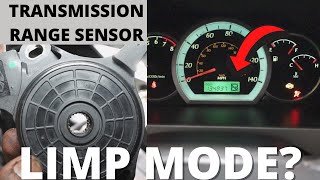
- Transmission enters 'limp mode,' often getting stuck in a single gear.
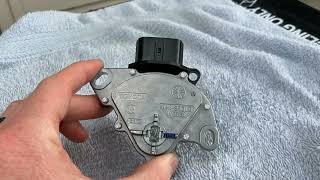
- Reverse/backup lights do not work. 🎬 Watch: Step-by-step guide to replacing the switch and fixing backup lights.
- Harsh or delayed transmission engagement.
- Key may become stuck in the ignition.
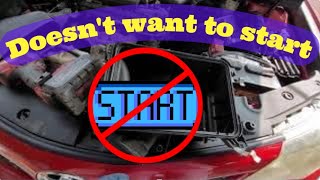
- Replacing the starter motor when the engine doesn't crank. The no-crank condition is often a symptom of the P2800 code, as the computer disables the starter for safety. 🎬 See how a faulty sensor causes a no-crank condition.
- Condemning the entire transmission. This is an electronic control issue, not typically a sign of internal mechanical transmission failure.
- Replacing the sensor when only a shift linkage adjustment was needed. A Reddit user reported fixing a no-start-in-park issue by adjusting the shift linkage after initially suspecting the neutral safety switch.
Most Likely Causes
- Faulty Transmission Range Sensor (Neutral Safety Switch) 🔴 High Probability → Shop Transmission Assembly The sensor is mounted externally on the transmission, exposing it to heat, water, and road grime, which leads to internal wear and corrosion over time. This is a known failure point on many Toyota trucks and cars.
How to confirm: After checking wiring, use a multimeter to test resistance across the sensor's pins in each gear position. Compare readings to the factory service manual specifications. An out-of-spec reading or an 'Invalid' signal on a scan tool's live data confirms a bad sensor.
Typical fix: Replace the Transmission Range Sensor and perform the correct alignment procedure. The most common OEM part number is 84540-33010, which was later superseded by 84540-07010.
Est. part cost: $40 - $120 - Damaged or Corroded Wiring/Connector 🟡 Medium Probability The sensor's location under the vehicle makes the harness connector a collection point for moisture and road salt, leading to corrosion (often visible as green crust) on the pins. This is cited as a primary cause of P2800 codes.
How to confirm: Unplug the sensor's electrical connector and visually inspect the pins and sockets for corrosion, moisture, or bent pins. Perform a 'wiggle test' on the harness while monitoring live data to check for intermittent connection loss.
Typical fix: Clean the connector terminals with an electrical contact cleaner and apply dielectric grease to prevent future moisture intrusion. If damage is severe, the connector pigtail may need to be replaced.
Est. part cost: $5 - $30 - Misadjusted Transmission Range Sensor or Shift Linkage ⚪ Low Probability → Shop Transmission Assembly Vibrations or previous incorrect repairs can cause the sensor's alignment to shift or the linkage to develop play. A loose or stretched shift cable can also prevent the sensor from reporting the correct gear.
How to confirm: Use a scan tool to view the live data for the transmission range. If the gear reported by the sensor does not match the physical position of the gear selector (e.g., shows 'Reverse' when in 'Neutral'), an adjustment is needed. Some owners have fixed no-start issues, initially suspecting a bad sensor, by simply adjusting the linkage.
Typical fix: Loosen the sensor's mounting bolts and rotate it until it is properly aligned (often by inserting a pin in the alignment hole 🎬 Watch: How to replace and align the sensor without special tools. while the transmission is in Neutral), then retighten. Adjust shift cable tension if necessary.
Est. part cost: $0
Rare But Worth Checking
- Faulty Transmission Control Module (TCM) or Powertrain Control Module (PCM): → Shop Engine Control Module (ECM) This is extremely rare. Only consider this after you have definitively ruled out the sensor, wiring, and adjustment. The module is the last link in the chain.
Diagnosis Steps
- Scan for Codes: Read the trouble codes with an OBD-II scanner to confirm P2800 is present and note any other codes like P0705.
- Check Live Data: Use a scanner to observe the live data from the Transmission Range Sensor. Check if the gear position displayed on the scanner matches the actual gear selected. An 'Invalid' or incorrect reading points to the sensor or its circuit.
- Visual Inspection: Raise the vehicle safely. Locate the Transmission Range Sensor on the side of the transmission where the shift cable attaches. Visually inspect the sensor, its connector, and the wiring harness for any signs of physical damage, corrosion (green crust), or loose connections.
- Test the Circuit: Disconnect the sensor. Check for the correct reference voltage (usually 5V or 12V) and a good ground at the connector using a multimeter.
- Test the Sensor: If the wiring is okay, test the sensor itself. Using a multimeter and the vehicle's service manual, check the resistance values at the sensor's pins for each gear position. If the readings are out of specification, the sensor is bad.
- Check Adjustment: If the sensor and wiring test good, check the sensor's alignment. Ensure the shift linkage is not loose or damaged. A common fix is to loosen the sensor, place the transaxle in Neutral, insert an alignment pin/drill bit, and then retighten the bolts.
- Repair and Verify: Based on the findings, replace the faulty component (usually the sensor or cleaning the connector). Crucially, ensure the new sensor is perfectly aligned according to manufacturer procedure before tightening the bolts. Clear the codes and perform a test drive, ensuring the car starts only in Park and Neutral and that the reverse lights work correctly, to verify the fix was successful.
Parts You'll Likely Need
- Transmission Range Sensor (Neutral Safety Switch)
(OEM #84540-33010 (superseded by 84540-07010))— This sensor is the most common point of failure for this code due to its external location and internal wear.
Trusted brands: Aisin, Denso, Standard Motor Products (SMP), Beck/Arnley
OEM price range: $90-$190
Aftermarket price range: $40-$120
Related Codes That Often Appear With This One
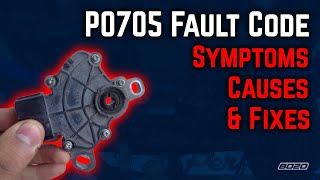
- P0705 — P0705 is a general code for a Transmission Range Sensor Circuit Malfunction. P2800 is a more specific fault for the 'B' circuit, and they can sometimes appear together if the sensor has multiple electrical failures.
Technical Service Bulletins (TSBs) & Recalls
- No specific TSB for P2800 on this platform was found in public databases. Related TSBs for the U660E transmission, such as TC007-07 and T-SB-0061-08, address shift quality issues like flares and shudders, not this specific circuit fault.
Mechanic-Grade Diagnostic Values
- Voltage between TRS connector terminals and body ground (at the ECU/ECM) — expected: Battery positive voltage should be present at specific terminals corresponding to the selected gear (R, D, 2, L), and absent at the NSW terminal when in Park or Neutral.. Failure: No voltage when a gear is selected, or voltage present at the NSW terminal when not in P or N, indicates a fault in the switch or wiring.
Scan Tool Commands That Help
- Toyota Techstream: Data List Monitoring (SHIFT D POS, PNP, REVERSE, etc.) — Use this to see the exact gear position signal the ECU is receiving from the sensor in real-time. This can instantly confirm if the sensor's reported position matches the physical gear selector, helping differentiate between a bad sensor and a misadjustment.
- Toyota Techstream: Utility -> A/T Code Reset — After replacing a major transmission component like the valve body or the entire transaxle, this function is used to reset the transaxle compensation code (adaptive learn values). While not typically required for just a TRS replacement, it's a critical step for more invasive repairs that might be performed concurrently.
Wiring & Ground Locations
- TRS Connector (at the switch) — Externally on the U660E transmission case, where the manual shift lever and cable attach.. This is the primary point for inspection. It's exposed to road grime and moisture, making corrosion on its pins a high-probability cause for the P2800 circuit fault.
- ECU/ECM Connector — Typically located in the engine bay or behind the glove box, depending on the model year.. This is the termination point for the TRS signals. Back-probing terminals here (such as NSW, R, D, 2, L) allows a technician to verify the entire circuit's integrity from the switch to the computer.
Real Owner Repair Stories
- CarKiller Community Forum (2012 Toyota Camry SE V6) — No-crank, no-start condition after replacing the alternator. Key fob stopped working, dash lights would come on but no power to windows or radio. Security light was flashing.
❌ Tried (didn't work) Tried multiple online reset procedures., Connected two different Autel scanners which could not communicate with the ECU to perform a reset.
✅ What actually fixed it The owner discovered a blown alternator fuse that was difficult to access and inspect. Once this main fuse was replaced, all systems returned to normal, the car started, and even the radio presets were retained. - YouTube - M.T MOBILES (2008 Toyota Camry) — Lost communication with the transmission control module, harsh engagement, and no communication with the TCM via scan tool.
❌ Tried (didn't work) Scanning for codes initially showed 'lost communication with transmission control'.
✅ What actually fixed it The technician found corrosion and bent pins on the transmission control unit's main connector socket. After cleaning the connector and straightening the pins, communication was restored and the transmission engaged properly.
OEM Part Supersession History
84540-33010→84540-07010— Standard part revision and consolidation by the manufacturer.
Heads up: The new part number (84540-07010) is a direct replacement for the old one and is fully compatible with vehicles that originally used 84540-33010.
Diagnostic Flowchart
Other Known Issues on This Vehicle
Issues unrelated to this code that are worth knowing about as an owner of this generation:
- U660E Transmission Hesitation and Shift Flare 🟠 Medium → Shop Transmission Assembly — Very common, especially in earlier models (2007-2009). Can manifest as a shudder under light load or a flare (RPMs jump) between shifts. (Ref: Multiple TSBs exist, including TC007-07 and T-SB-0061-08, which involve a TCM reflash or, in some cases, torque converter or transmission replacement.)
- Excessive Oil Consumption (2AZ-FE Engine) 🔴 High — Widespread on 2007-2009 Camrys with the 2.4L 4-cylinder (2AZ-FE) engine. Caused by defective piston rings. Can lead to engine damage if oil level is not monitored closely. (Ref: Toyota issued Warranty Enhancement Program ZE7, extending the warranty to 10 years or 150,000 miles for this specific issue, involving an oil consumption test and potential piston/ring replacement.)
- Melting / Sticky Dashboard 🟡 Low — Extremely common on 2007-2011 Camrys, especially in warmer climates. The dashboard surface becomes shiny, sticky, and can melt or crack under sun exposure. (Ref: Toyota issued Warranty Enhancement Program ZE6, which extended the warranty to cover the replacement of the dashboard panel.)
Used vs. New Parts: Buying Guide for This Vehicle
When a used part is the smart pick: A used Transmission Range Sensor from a junkyard can be a cost-effective option for this repair, as it is an external, bolt-on component that does not require internal transmission work. It is a good candidate for a used part if budget is a primary concern.
Donor-vehicle mileage cap: roughly under 80000 miles for the part to have meaningful remaining life.
What to inspect on the donor part:
- Visually inspect the electrical connector pins for any signs of corrosion (green or white powder) or physical damage.
- Check the plastic housing for cracks or signs of extreme heat exposure.
- If possible, verify the donor vehicle was from a dry, non-salt-belt region to minimize the risk of internal corrosion.
- Ensure the manual lever arm is not bent and moves freely through its range.
OEM-only on this vehicle (don't cheap out):
- Transmission Control Module (TCM) - Due to the need for potential programming and the high cost of misdiagnosis, a new or professionally remanufactured and tested OEM unit is strongly recommended if this rare failure occurs.
Aftermarket brands forum-validated for this vehicle:
- Aisin (often the OEM supplier)
- Denso
- Standard Motor Products (SMP)
- Beck/Arnley
Brands owners have reported issues with on this vehicle:
- No-name, unbranded sensors from online marketplaces should be avoided, as their internal contacts may wear prematurely, leading to a repeat failure.
Real Owner Stories
Aggregated from forums and TSBs cited above. Mileages and costs reflect what owners reported in those sources.
1999 Toyota Camry
Symptoms: The vehicle had a no-start condition. The owner initially suspected the neutral safety switch was faulty.
What fixed it: An adjustment to the shift linkage rather than replacing the sensor.
Cost: $0-$0
Source hint: Reddit r/MechanicAdvice - A user with a 1999 Camry reported a no-start condition and initially suspected the neutral safety switch. The final, and much cheaper, solution was an adjustment to the shift linkage.
Related OBD-II Codes
Frequently Asked Questions
Which specific part number should I buy for my Camry's Transmission Range Sensor?
Do TSBs TC007-07 or T-SB-0061-08 address the P2800 code on my U660E transmission?
My 2009 Camry won't start and I suspect the Neutral Safety Switch. Is there a cheaper fix?
Why is my Camry's gear position indicator blank or flashing?
Can I use a used sensor from a junkyard to fix this?
Is the P2800 code related to the 'melting dashboard' warranty extension (ZE6)?
Helpful Videos
We Have This Part in Stock

The information in this article is provided for general reference and educational purposes only. Vehicle specifications, procedures, and part compatibility can vary by production date, trim level, and region. Always consult your vehicle's factory service manual and verify part numbers before purchasing or performing repairs. Safety-critical components such as airbags, seat belts, and braking systems should be installed by a qualified professional.
- Toyota Camry:
- 🧭 Diagnostic Flowchart
- 🎬 Helpful Videos
- 🛍️ Shop This Part
- What's Unique About the 2007-2017 Toyota Camry
- Symptoms You May Notice
- Most Likely Causes
- Rare But Worth Checking
- Diagnosis Steps
- Parts You'll Likely Need
- Related Codes That Often Appear With This One
- Technical Service Bulletins (TSBs) & Recalls
- Mechanic-Grade Diagnostic Values
- Scan Tool Commands That Help
- Wiring & Ground Locations
- Real Owner Repair Stories
- OEM Part Supersession History
- Other Known Issues on This Vehicle
- Used vs. New Parts: Buying Guide for This Vehicle
- Real Owner Stories
- 1999 Toyota Camry
- Related OBD-II Codes
- Frequently Asked Questions
- 🎟️ Get 5% Off