

P2859 on 2018-2021 Nissan KICKS: Clutch 'A' Pressure Performance Guide
P2859 on a Nissan KICKS indicates a serious internal problem with the Continuously Variable Transmission (CVT), specifically 'Clutch A Pressure'. This is not a simple fix; it often requires professional diagnosis following Nissan's specific bulletins and frequently results in a full CVT replacement costing several thousand dollars. Forum users and technicians often refer to this as a 'death code' for the transmission.
- P2859 is a serious transmission code for the 2018-2021 Nissan KICKS, indicating an internal CVT pressure problem.
- Do not ignore this code. Seek immediate professional diagnosis from a qualified technician familiar with Nissan CVTs.
- The diagnosis must be guided by Nissan's own Technical Service Bulletins to be accurate.
- Be prepared for a high repair cost. The most common and reliable fix is a complete CVT replacement, which can cost between $4,000 and $8,000.
What's Unique About the 2018-2021 Nissan KICKS

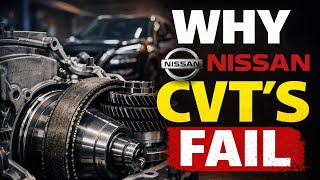
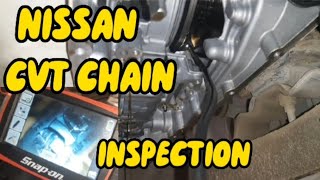
The 2018-2021 Nissan KICKS uses a Jatco Continuously Variable Transmission (CVT), a technology common across Nissan's lineup that has a well-documented history of issues. 🎬 Watch: An expert explanation of why these Nissan CVTs fail. Nissan has issued multiple Technical Service Bulletins (TSBs) for various models addressing CVT judder, hesitation, and pressure circuit faults like P2859. For the KICKS, this code is a known issue that points directly to the complex internal mechanics of the CVT, rather than a simple external sensor failure. The diagnostic path is highly specific and outlined in manufacturer bulletins, which often require a borescope inspection of the CVT belt 🎬 See how to perform a borescope inspection for belt damage. before condemning the valve body or the entire unit.
Diagnostic Flowchart

Tap your situation to follow the diagnostic path that matches what you're seeing on this vehicle.
Symptoms You May Notice

- Check Engine Light (MIL) is illuminated
- Hesitation or lack of power during acceleration.
- Vehicle may enter a 'limp mode' with reduced power
- Transmission judder, shudder, or vibration.
- Jerking at higher speeds.
- Stalling when shifting into Drive.
- Whining noise from the transmission.
- Replacing external vehicle speed sensors when the fault is internal to the transmission.
- Performing a simple fluid change and assuming the problem is fixed, without addressing the underlying mechanical wear that caused the code.
- Replacing the CVT valve body without first performing the TSB-mandated inspection of the oil pan for debris and the CVT belt for damage. A Reddit user with a 2015 Sentra and code P2859 replaced the valve body only to have the exact same problem persist, ultimately being told they needed a new transmission.
Most Likely Causes

- Internal CVT Failure (Planetary Gearbox / CVT Belt & Pulley Assembly) 🔴 High Probability The Jatco CVT in this vehicle has a history of premature wear and internal component failure. The TSBs issued by Nissan for this and similar codes often lead to a full transmission replacement. Forum consensus from technicians and owners is that P2859 is a 'death code for the planetary gearbox' and that by the time the code appears, significant mechanical damage has already occurred.
How to confirm: A technician must follow the specific diagnostic flowchart in Nissan TSBs like NTB22-021. This involves checking for specific code combinations, dropping the oil pan to check for metal debris, and performing a borescope inspection of the CVT belt for slippage marks. Evidence of debris or belt damage confirms the need for a full replacement.
Typical fix: Replacement of the entire CVT assembly.
Est. part cost: $3500-$7000+ - Low or Degraded CVT Fluid 🟡 Medium Probability CVT operation is highly dependent on fluid condition and level. Old, contaminated, or low fluid can cause hydraulic pressure issues, leading to clutch performance codes.
How to confirm: Check the CVT fluid level and condition according to the factory service manual. The fluid should be clean, at the correct level, and not smell burnt. This is often the first step, but rarely the ultimate solution for this code.
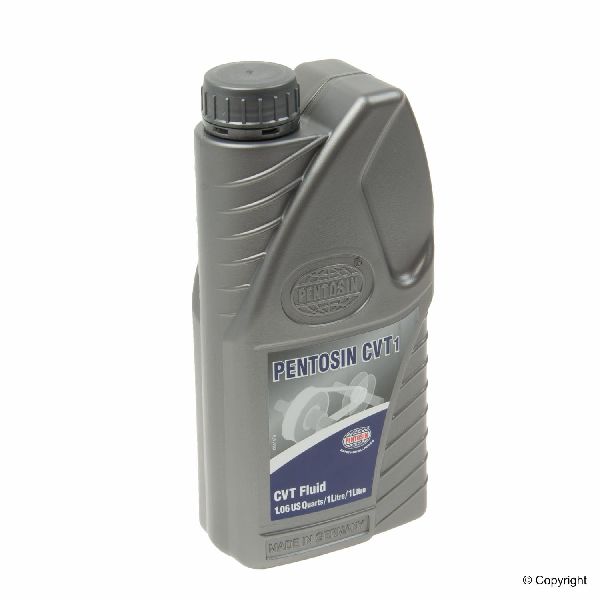
Typical fix: Perform a CVT fluid drain and fill using only Nissan NS-3 CVT fluid. This is often attempted first, but may not solve an underlying mechanical issue. If the code returns, the problem is more severe.
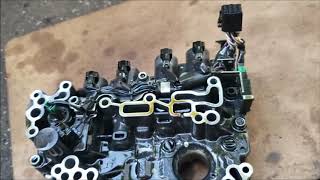
Est. part cost: $100-$200 - Faulty CVT Control Valve Assembly (Valve Body) ⚪ Low Probability → Shop Transmission Valve Body The valve body is the hydraulic control center of the CVT. Its solenoids and passages can become clogged or fail, leading to pressure-related codes. However, for P2859, TSBs often direct to replace the valve body only if a borescope inspection shows the main CVT belt is undamaged.
How to confirm: Requires advanced diagnostics per TSB NTB22-021, including pressure testing and a borescope inspection. If no debris is in the pan and the belt is confirmed to be in good condition, the valve body is condemned.
Typical fix: Replacement of the CVT valve body assembly and reprogramming. Many owners report this fix failing because underlying mechanical damage was the true cause.
Est. part cost: $800-$1500
Rare But Worth Checking
- Transmission Control Module (TCM) Failure: → Shop Transmission Assembly While less common than mechanical failure, a faulty TCM can misinterpret sensor data or fail to command the solenoids correctly. This is usually the last item to be considered after all mechanical and hydraulic causes are ruled out, as per the TSB diagnostic flow.
Diagnosis Steps

- Verify the code P2859 and any other stored codes with a professional-grade OBD-II scanner capable of reading Nissan-specific transmission codes.
- Obtain the relevant Nissan Technical Service Bulletin (TSB), such as NTB22-021, for the specific diagnostic procedure.
- Check the level and condition of the CVT fluid. The fluid must be Nissan CVT Fluid NS-3. Burnt smell or visible metal debris in the fluid indicates severe internal damage and likely necessitates a full CVT replacement.
- If the fluid is low or dirty, a fluid exchange may be attempted, but be aware this is unlikely to solve the problem if the code is already present.
- Follow the TSB diagnostic flowchart. This will involve raising the vehicle, draining the fluid, and removing the oil pan to inspect the magnets for debris. Fine metallic sludge is normal; chunks of metal are not.
- If no significant debris is found, the TSB directs a visual inspection of the CVT belt using a borescope through the pan opening. Evidence of belt slippage (scuffing, damage) condemns the entire CVT assembly.
- If and only if the belt inspection passes, the TSB may direct the replacement of the CVT control valve body.
- In a forum post on NICOclub regarding a Nissan Versa, a user with code P2859 was told by a dealer that it was a 'death code for the planetary gearbox,' with a 95% chance of requiring a full replacement, a sentiment echoed on Reddit.
Parts You'll Likely Need
- CVT Assembly
(OEM #31020-50X1A (Replaced by 31020-50X5A))— This is the most common and definitive fix for P2859, as the code typically indicates significant internal wear or failure that is not serviceable in individual pieces.
Trusted brands: Nissan (OEM)
OEM price range: $3800 - $7000
Aftermarket price range: $3500-$5000 (Used/Remanufactured) - CVT Control Valve Assembly
(OEM #31705-50X0B (Replaced by 31705-50X0E); 31705-50X5B (Replaced by 31705-50X5C))— Replaced only if TSB diagnostics rule out damage to the main CVT belt/pulleys. Often misdiagnosed as the sole problem.
Trusted brands: Nissan (OEM)
OEM price range: $850 - $1900 - Nissan CVT Fluid NS-3
(OEM #999MP-NS300P)— This specific fluid is required for any service related to the CVT, including top-offs, fluid changes, or a full assembly replacement.
Trusted brands: Nissan (OEM)
OEM price range: $20-$25 per quart
Related Codes That Often Appear With This One
- P2857 — Also a 'Clutch A Pressure' code, indicating a related fault in the same hydraulic circuit. Listed in the same TSBs.
- P2858 — A 'Clutch B Pressure' code. When seen with P2859, it points to a more widespread hydraulic control issue within the CVT.
- P285A — Another 'Clutch B Pressure' code, often grouped with P2859 in Nissan TSBs, suggesting a comprehensive CVT internal failure.
- P17F1 — A 'CVT Judder' code. Its presence alongside P2859 strongly indicates a mechanical failure causing both a pressure fault and a drivability issue.
Technical Service Bulletins (TSBs) & Recalls
- NTB22-021: The primary and most current TSB. Outlines the full diagnostic flowchart, including code checks, pan inspection for debris, and borescope inspection of the CVT belt. P2859 is a key code in this bulletin.
- NTB19-040 Series (a, b, c, H): An evolving series of bulletins for MIL ON with various CVT codes, including P2859, on Kicks and other models. These bulletins detail the diagnostic steps that lead to either a valve body or full CVT replacement.
Platform-Specific Known Issues
- The 2018-2021 Nissan KICKS is part of a larger group of Nissan vehicles equipped with Jatco CVTs (specifically the Jatco CVT7 WR, model JF020E) that have been subject to customer complaints, warranty extensions on other models, and technical service bulletins for issues like judder, hesitation, and premature failure.
- Code P2859 is explicitly mentioned in multiple TSBs (NTB22-021, NTB19-040 series) as an indicator of an internal CVT problem, often seen with other pressure and judder codes. The diagnostic procedure is very specific, requiring inspection for metal debris and a borescope check of the CVT belt before a final repair decision is made.
Mechanic-Grade Diagnostic Values
- Pressure Control (PC) Solenoid Resistance — expected: 3 - 9 Ohms. Failure: A reading outside this range indicates a faulty solenoid coil.
- Nissan CONSULT-III Live Data: 'CL A PRES' vs 'CL A TRGT PRES' — expected: The actual pressure ('CL A PRES') should closely match the target pressure ('CL A TRGT PRES') commanded by the TCM.. Failure: A significant and persistent deviation between the actual and target pressure values confirms a hydraulic circuit performance issue.
Scan Tool Commands That Help
- Nissan CONSULT-III plus: WRITE IP CHARA - REPLACEMENT AT/CVT — This function is mandatory after replacing the entire CVT assembly or the control valve (valve body). It writes the specific calibration data for the new unit to the TCM. Failure to perform this step will result in improper operation and may cause new fault codes.
- Nissan CONSULT-III plus: CLUTCH POINT LEARNING — This relearn procedure is required after replacing the control valve (valve body) but is not performed if the entire CVT is replaced. It allows the TCM to adapt to the engagement points of the new clutches/solenoids.
Wiring & Ground Locations
- Main Transmission Harness Connector (e.g., F125) — On the top or side of the transaxle case where the main vehicle harness connects to the transmission.. This is the primary electrical interface for all solenoids and sensors within the CVT. Checking for corrosion, bent pins, or damage at this connector is a crucial step before condemning internal components.
- Engine/Transmission Ground (e.g., F10) — Typically found on the left side of the engine compartment, bolted to the chassis or engine block.. A poor ground connection for the TCM or transmission can cause erratic sensor readings and incorrect solenoid operation, potentially mimicking an internal hydraulic fault. Verifying this ground is clean and tight is a fundamental electrical diagnostic step.
Real Owner Repair Stories
- YouTube video by user TryFixinIt (2014 Nissan Sentra (uses a similar Jatco CVT)) — Car stuck in 1st gear, Check Engine Light on with code P2859.
❌ Tried (didn't work) The video series documents an attempt to fix the code by removing, cleaning, and reinstalling the solenoids and valve body.
✅ What actually fixed it The comments section of the video reveals the ultimate outcome: the valve body work did not fix the problem. The owner eventually had to replace the entire CVT transmission. This supports the TSB guidance that P2859 often requires a full assembly replacement. - Reddit user SupaDave71 in r/NissanKicks (2018 Nissan Kicks, 144k miles) — Not specified, but resulted in CVT failure.
❌ Tried (didn't work) Owner notes they never changed the CVT fluid.
✅ What actually fixed it The entire CVT was replaced at a cost of $6,000. This story highlights the high cost of failure and reinforces that these transmissions can fail at higher mileage.
OEM Part Supersession History
31705-50X0B→31705-50X0E— Internal improvements to address reliability issues.
Heads up: Applies to earlier models in the 2018-2021 range. Using the wrong version can cause performance issues.31705-50X5B→31705-50X5C— Internal improvements for later production models.
Heads up: This valve body is for later models within the generation and is not interchangeable with the earlier 31705-50X0B/E parts.31020-50X1A→31020-50X5A— Updated CVT assembly with revised internal components to improve durability and address common failure points.
Model Year Variations Within This Range
- 2018-Early 2020: These models typically use the CVT Control Valve Assembly starting with part number 31705-50X0B (or its revision 31705-50X0E).
- Late 2020-2021: Later models may use a different valve body assembly, such as 31705-50X5B (or its revision 31705-50X5C). It is critical to verify the correct part number by VIN before ordering, as they are not interchangeable.
Helpful Videos


We Have This Part in Stock




The information in this article is provided for general reference and educational purposes only. Vehicle specifications, procedures, and part compatibility can vary by production date, trim level, and region. Always consult your vehicle's factory service manual and verify part numbers before purchasing or performing repairs. Safety-critical components such as airbags, seat belts, and braking systems should be installed by a qualified professional.
- Nissan KICKS:
- 🧭 Diagnostic Flowchart
- 🎬 Helpful Videos
- 🛍️ Shop This Part
- What's Unique About the 2018-2021 Nissan KICKS
- Symptoms You May Notice
- Most Likely Causes
- Rare But Worth Checking
- Diagnosis Steps
- Parts You'll Likely Need
- Related Codes That Often Appear With This One
- Technical Service Bulletins (TSBs) & Recalls
- Platform-Specific Known Issues
- Mechanic-Grade Diagnostic Values
- Scan Tool Commands That Help
- Wiring & Ground Locations
- Real Owner Repair Stories
- OEM Part Supersession History
- Model Year Variations Within This Range
- 🎟️ Get 5% Off