

OBD-II Code P3009: High Voltage Leak Detected
What P3009 means, why it triggers, and how to fix it
- Code P3009 indicates a critical high-voltage leak exceeding 200V, requiring immediate vehicle shutdown to prevent electrical fires or lethal shocks.
- Perform a 2-minute Key-On/Key-Off test before buying parts to isolate whether the leak is in the battery, inverter, or transaxle.
- Do not attempt DIY repairs on the orange high-voltage cables without Class 0 (1000V) insulated gloves and proper training.
- Replacing the high-voltage battery costs $1,800 to $4,000, but on older models, simply changing contaminated transaxle fluid for $150 often resolves the code.
What Does P3009 Mean?
The P3009 code means your car's computer detected a dangerous electrical leak in the high-voltage system. This system is completely isolated from the car's metal frame (chassis ground). The code triggers when high voltage shorts to the vehicle's chassis due to insulation breakdown. This is an electrical leak, not a fluid leak.
Technical definition: The SAE/ISO definition for P3009 is "High Voltage Leak Detected." The hybrid control module (ECU) continuously monitors insulation resistance between the high-voltage circuits and the vehicle chassis. If resistance drops below a safe threshold (typically in the megaohm range), the computer stores this fault code to prevent electrical shock or fire.
Can I Drive With P3009?
No — Do Not Drive. Do not drive the vehicle. This code indicates a critical electrical leak in the high-voltage hybrid system. Most newer vehicles prevent restarting once the fault is confirmed to avoid risk, meaning you will be stranded after your current drive. Continuing to drive risks sudden shutdowns, damage to expensive components, and poses a severe safety hazard to occupants and technicians.
Common Causes
- Hybrid Battery Pack Insulation Breakdown (Very Common) — Over time, battery modules leak small amounts of conductive electrolyte, creating a path for high voltage to short to the metal battery case. This is frequently accelerated by a clogged battery cooling fan, which causes the pack to overheat and degrades module seals.
- Contaminated Transaxle Fluid (Common) — On older hybrids (like the Gen 1 Prius), the transaxle fluid absorbs moisture over thousands of miles. This makes the fluid electrically conductive, creating a path for electricity to leak from the motor windings to the case.
- Degraded High-Voltage Wiring (Common) — The thick, orange high-voltage cables running between the battery, inverter, and transaxle suffer insulation wear from heat, vibration, or rodent damage, causing a direct short to the chassis.
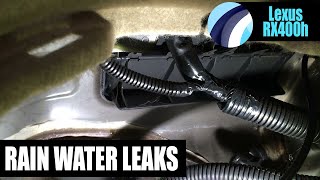
- Water Intrusion (Common) — Water from heavy rain, deep puddles, or clogged sunroof drains (notably on Lexus RX models) 🎬 Watch: How to detect and fix water leaks in Lexus hybrids. pools in the battery compartment or inverter connections, causing an immediate insulation failure.
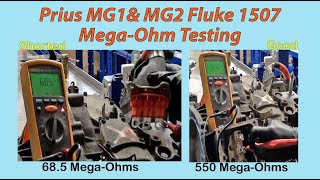
- Faulty Hybrid Transaxle Assembly (Less Common) — The internal insulation on the electric motor-generators (MG1/MG2) inside the transaxle breaks down from age or overheating, shorting the windings to the transaxle case.
- Faulty Electric A/C Compressor (Less Common) — The air conditioning compressor on many hybrids uses high voltage. An internal short circuit within the compressor causes a high-voltage leak to ground (often identified by sub-code 611 on Toyota/Lexus).
- Faulty Inverter/Converter Assembly (Rare) — The inverter develops internal shorts, or the DC-DC converter fails, bridging the high-voltage system to the 12V chassis ground.
Symptoms
- Hybrid System Warning Light On — The master warning light (red triangle) and a "Check Hybrid System" message appear immediately on the dashboard.
- Vehicle Will Not Start or Enter 'Ready' Mode — The hybrid system disables itself as a safety precaution once a leak is detected, preventing the car from starting.
- Sudden Hybrid System Shutdown — The vehicle shuts down unexpectedly while driving to prevent electrical damage or fire.
- Burning Smell from Battery Area — A severe leak within the battery pack produces a burning plastic or acidic smell, and the battery area feels hot.
Diagnostic Flowchart
Tap your situation to follow the diagnostic path that matches what you're seeing on this code.
Common Fixes & Costs
- Replace High-Voltage Hybrid Battery — Parts: $1500-$3000, Labor: $300-$600, ~2.5 hr book time (Professional)
- Change Transaxle Fluid — Parts: $50-$90, Labor: $120-$180, ~0.8 hr book time (DIY)
- Clean Battery Terminals and Case — Parts: $20-$100, Labor: $500-$950, ~4 hr book time (Advanced)
- Replace Hybrid Transaxle Assembly — Parts: $1200-$2800, Labor: $700-$1200, ~6.5 hr book time (Professional)
- Replace Inverter/Converter Assembly — Parts: $600-$1800, Labor: $300-$600, ~2 hr book time (Professional)
Used vs. New Parts: Buying Guide
When a used part is worth it: A remanufactured hybrid battery is ideal for vehicles over 10 years old where a new OEM battery exceeds the car's total value.
Donor-vehicle mileage cap: roughly under 100000 miles for the part to have meaningful remaining life.
Donor quality checklist:
- Verify the exact part number, as different model years use incompatible batteries.
- Choose a remanufactured supplier that performs individual cell load-testing and balancing.
- Demand a minimum 1-year warranty on remanufactured packs.
Decision logic:
- If Vehicle is under 8 years old or 100,000 miles → Check if the battery is covered by the federal hybrid component warranty before paying out of pocket.
- If You plan to keep the vehicle for 3+ years → A new OEM battery offers the best long-term reliability.
- If Budget is the primary concern and the vehicle is older → A remanufactured battery from a reputable source saves thousands.
Warranty tradeoff: Used salvage batteries offer 30-90 day warranties. Remanufactured batteries offer 1-year to lifetime warranties. New OEM batteries carry a 1-3 year warranty.
Worst-case if a used part fails: $500-$1000 in repeat labor if a cheap used battery fails prematurely.
What Happens If You Wait — Timeline
- 0-3 months: Intermittent fault. The warning light appears on humid days but clears when dry. The car remains drivable. (MPG impact: 0%% · Added cost: $0)
- 3-6 months: Persistent fault. The warning light stays on. Newer models refuse to enter 'Ready' mode, requiring a tow. (MPG impact: 0-5%% · Added cost: $100-$300 (Towing cost))
- 6-12 months: Component degradation. The continuous electrical leak drains battery modules unevenly and stresses the inverter. (MPG impact: 5-10%% · Added cost: $500-$1,500 (Inverter damage))
- 12+ months: Cascading failure. The leaking battery shorts completely, or the transaxle motor windings burn out. High risk of sudden shutdown. (MPG impact: 10-25%+% · Added cost: $2,000-$5,000+ (Battery or transaxle replacement))
Cost of Not Fixing It
- Immediate: Vehicle refuses to start or shuts down while driving, stranding the driver. (Added cost: $100-$300 (Towing))
- Weeks to Months: Persistent high-voltage leaks destroy the inverter/converter or hybrid control ECU due to unintended voltage paths. (Added cost: $800-$2500)
- Long-Term: Catastrophic failure of the high-voltage battery or transaxle, posing a severe fire risk. (Added cost: $2000-$5000+)
Diagnosis Steps
- Safety First: Disable the High-Voltage System
Wear Class 0 (1000V) insulated gloves. Remove the high-voltage service plug. Wait exactly 10 minutes for the high-voltage capacitors in the inverter to discharge completely before touching any orange cables.
Tools: Class 0 insulated gloves (Intermediate) - Isolate the Leak with a Key-On/Key-Off Test
Clear the code. Turn the ignition to 'ON' but do NOT make the car 'READY'. Wait 2 minutes. If P3009 returns, the leak is inside the high-voltage battery assembly (main relays are open). If it does not return, proceed to step 3.
Tools: OBD-II scanner (Intermediate) - Isolate the Drivetrain Components
Start the car to 'READY' mode and immediately shift to Neutral. Wait 2 minutes. If the code returns, the leak is in the high-voltage cables or inverter. If not, shift into Drive. If the code appears now, the fault is in the transaxle motor windings.
Tools: OBD-II scanner (Intermediate) - Perform an Insulation Resistance Test (Megger Test)
Use a megohmmeter to apply 500V to each component (battery, inverter, motor windings) individually. A healthy component reads over 100 MΩ. A reading near zero indicates the exact location of the direct short.
Tools: Megohmmeter, Class 0 insulated gloves (Professional) - Visually Inspect the High-Voltage Battery
With the service plug removed, open the hybrid battery cover. Look for white/bluish corrosion on terminals, moisture, or leaking fluid from the battery modules.
Tools: Hand tools, flashlight, Class 0 insulated gloves (Advanced) - Check Transaxle Fluid Condition
Drain a small amount of transaxle fluid. If it is dark, watery, or contaminated, it has become conductive and requires immediate replacement.
Tools: Socket set, drain pan (Intermediate) - Check A/C System and Battery Cooling Fan
Use a bidirectional scanner to command the hybrid battery cooling fan to activate. Inspect the high-voltage A/C compressor wiring for damage. Disconnect the A/C compressor and re-test to see if the code clears.
Tools: Bidirectional OBD-II Scanner, Class 0 insulated gloves (Advanced)
When This Code Triggers (Freeze-Frame Conditions)
- Vehicle State: Key ON, Engine OFF (KOEO) or READY (The isolation fault check runs continuously when the hybrid system is active. The fault triggers immediately upon startup or while driving.)
- Ambient Temperature/Humidity: High humidity (High humidity or moisture lowers the resistance of existing contamination, frequently triggering the fault.)
- Time After Startup: 1-5 minutes (The ECU requires a short period to monitor isolation resistance. If the code appears within minutes of turning the key on (before 'READY'), the leak is inside the battery pack.)
- System Voltage: 200-400V (The fault logs when insulation resistance drops below a safe threshold relative to the high-voltage system's operating voltage.)
Related Codes
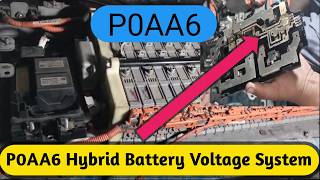
- P0AA6 — The modern equivalent of P3009. P0AA6 includes a 3-digit 'information code' (e.g., 526, 611, 612) that pinpoints the leak's location, which P3009 lacks.
- P3000 — A general 'Battery Control System' fault. It acts as a master code indicating the hybrid ECU detected a fault, almost always triggering alongside P3009.
- P0A7F — Indicates 'Hybrid Battery Pack Deterioration' (capacity loss). While a leaking module (P3009) causes deterioration, you can have P0A7F without a voltage leak.
Climate & Environmental Factors
- High Humidity: High ambient humidity lowers the resistance of existing electrolyte dust or corrosion on battery bus bars, creating a conductive path. The fault often appears only on rainy days.
- Water Intrusion: Direct water contact from heavy rain or car washes causes an immediate insulation fault if it enters the battery or inverter. Common on vehicles with failing body seals.
- Road Salt: In the Salt Belt, accelerated corrosion of the high-voltage battery case and cable connectors creates pathways for voltage leaks.
How to Talk to a Mechanic About This Code
Say this: "I have a P3009 high-voltage leak code. I need you to perform an isolation test to determine if the fault is in the battery, inverter, or transaxle before quoting repairs. Please also pull the P0AA6 information codes."
This proves you understand P3009 has multiple causes and expect a methodical diagnosis, preventing the shop from immediately quoting a $4,000 battery replacement without testing.
Avoid saying:
- 'Just fix whatever's wrong'
- 'My hybrid warning light is on, can you look at it?'
- 'My friend said it's the battery, how much to replace it?'
Questions to ask before authorizing the repair:
- What were the results of the isolation test?
- What were the megohmmeter insulation resistance readings for the battery, inverter, and transaxle?
- What was the 3-digit information code (e.g., 611, 612, 613)?
- Did you inspect the battery cooling fan for blockages?
Where to Take It: Dealer vs Independent vs Chain
- Dealer:
Safe but expensive. Best for warranty work, but poor for budget-conscious owners.
Best for: Vehicles under the 8-year/100,000-mile federal hybrid warranty.
Downsides: Highest labor rates., Will only replace entire assemblies (e.g., $4,000 battery) rather than performing component-level repairs. (Typical cost: +50% vs. baseline) - Independent Shop:
Best Fit. A dedicated hybrid shop offers dealer-level expertise with flexible, affordable repair solutions.
Best for: Out-of-warranty vehicles., Owners seeking remanufactured parts or component-level fixes.
Downsides: Must be a verified hybrid specialist. General mechanics lack the megohmmeter required for diagnosis. (Typical cost: +0% vs. baseline) - Chain Shop:
AVOID. They cannot diagnose or repair this code safely.
Best for: Oil changes and tires.
Downsides: Technicians lack high-voltage training and safety equipment. (Typical cost: -10% vs. baseline)
When to Walk Away From the Repair
If the estimated repair cost exceeds 50% of the car's current private-party market value, consider selling the car as-is.
- Car worth $4500, fix is $2800: Walk away. The repair is over 60% of the car's value.
- Car worth $12000, fix is $3500: Fix it. The repair is under 30% of the vehicle's value.
What Scan Tool You Need for This Code
Minimum: A tool that reads manufacturer-specific hybrid system codes and live data, specifically P0AA6 sub-codes.
A basic $20 reader only shows P3009, providing zero direction on where the leak is. Diagnosis requires isolating the fault to the battery, A/C, or transaxle.
Budget: Dr. Prius App + Veepeak OBD2 Adapter (~$90) — Reads detailed hybrid fault codes, monitors battery block health, and performs diagnostic tests.
Mid-range: Foxwell NT809BT (~$380) — Offers bidirectional control to command cooling fans and access all hybrid modules.
Professional: Autel MaxiSys MS909EV (~$3000-4600) — Performs dealer-level high-voltage system analysis, guided component tests, and integrates with insulation testers.
Rent vs buy: Buy the Dr. Prius app setup. A standard auto parts store rental scanner cannot read the sub-codes required for this diagnosis.
How to Clear the Code After You Fix It
- Reconnect all high-voltage and 12V components.
- Use a compatible OBD-II scan tool to erase the P3009 fault code from the Hybrid Control ECU.
- Perform a complete drive cycle to reset readiness monitors.
Drive cycle (~30 minutes): Start the vehicle and idle for 5 minutes. Drive for 20 minutes with a mix of stop-and-go city traffic and steady highway speeds over 40 mph. Allow the vehicle to cool down completely.
Readiness monitors affected: Hybrid/EV Battery System, Comprehensive Component Monitor
Before emissions retest: drive at least 100 miles to fully set monitors.
Watch out for:
- Clearing the code without fixing the insulation leak causes the code to return immediately.
- Disconnecting the 12V battery resets all readiness monitors, resulting in an automatic emissions test failure until a full drive cycle is completed.
Will This Fail Emissions / State Inspection?
Yes — this code typically fails an OBD-II emissions inspection.
- California: An active P3009 is an automatic failure. All OBD readiness monitors must be set to 'Ready', requiring 50-100 miles of driving post-repair.
- New York: The annual safety inspection includes an OBD-II scan. P3009 results in an immediate failure.
- Texas: In emissions-testing counties (Harris, Dallas, Travis), an illuminated check engine light from P3009 is an automatic failure.
Most Commonly Affected Vehicles
- Toyota Prius (Gen 1) (2001-2003) — Extremely common due to aging battery packs and conductive transaxle fluid. Lacks sub-codes, making manual megger diagnosis essential.
- Toyota Prius (Early Gen 2) (2004-2008) — Subject to TSB T-SB-0306-08 for an internal transaxle fault causing this code alongside info codes 526 and 613.
- Ford Escape Hybrid (2005-2012) — Highly susceptible to hybrid battery cooling fan failures. Overheating degrades battery insulation, leading directly to this fault.
- Lexus RX 400h / RX 450h (2006-2015) — Known for water intrusion from clogged sunroof drains or failed tailgate seals. Water pools in the battery compartment, triggering the isolation fault.
- Honda Civic Hybrid (2003-2005) — Prone to age-related battery degradation and insulation faults. Highly sensitive to humidity.
Manufacturer-Specific Notes
- Toyota: On 2001-2003 Prius, P3009 lacks sub-codes, requiring a megohmmeter for diagnosis. For 2004-2008 Prius, TSB T-SB-0306-08 addresses P3009/P0AA6 pointing to an internal transaxle fault requiring replacement.
- Honda: This code is highly sensitive to humidity, often appearing only on rainy days as moisture worsens a minor insulation leak. Visual inspection for corrosion is mandatory.
- Lexus: On RX400h/RX450h, P3009 is frequently caused by water intrusion. Technicians must check for water leaks from sunroof drains and roof rails per TSB L-SB-0019-09 before condemning the battery.
- Ford: On the Escape Hybrid, always verify the battery cooling fans and MECS pump. Cooling system failure is the primary root cause for battery overheating and subsequent P3009 codes.
Real Owner Stories
2003 Toyota Prius at 281K miles - The Transaxle Fluid Fix
The Malfunction Indicator Light illuminated with code P3009, though the car drove normally.
Outcome: Replacing the moisture-saturated, conductive transaxle fluid restored insulation resistance to normal. The P3009 code cleared and did not return.
Lesson: On high-mileage Gen 1 Prius models, never overlook the transaxle fluid. A catastrophic electrical code is sometimes fixed by a simple $150 fluid change.
Gen 1 Prius with 107K miles - The Misdiagnosis
The 'Red Triangle' appeared with P3009. Two mechanics diagnosed a failed high-voltage battery.
Outcome: The P3009 code returned immediately after installation. Further isolation testing proved the leak was actually in the inverter. The owner was stuck with a new battery and the original problem.
Lesson: P3009 does not automatically mean 'replace the battery.' Insist your mechanic performs isolation tests to prove the leak's location before authorizing expensive parts.
2002 Toyota Prius with 160K miles - The Intermittent Humidity Fault
The P3009 warning light came on intermittently, usually during rain, but the car drove fine.
Outcome: The leaked electrolyte shorted to the frame only when humidity created a conductive path. The owner replaced the battery pack for $1,800, resolving the issue.
Lesson: Intermittent P3009 codes are heavily linked to high humidity. The fault is real and will eventually become permanent.
How to Prevent This Code From Triggering
- Clean the Hybrid Battery Cooling Fan and Filter (Inspect every 10,000 miles; clean as needed.) — A clogged fan overheats the battery pack, accelerating the degradation of module seals and causing the electrolyte leaks that trigger P3009.
- Change the Transaxle Fluid (Every 60,000 miles.) — Hybrid transaxle fluid absorbs moisture over time, becoming electrically conductive and creating a path for high-voltage leaks.
- Clear Sunroof Drains (Seasonally.) — Prevents water from backing up and pooling in the rear battery compartment, a primary cause of insulation failure on Lexus hybrids.
Frequently Asked Questions
Is a P3009 code dangerous?
Yes. It signifies a breach in the safety insulation of a system carrying over 200 volts, which is lethal. Do not touch any orange cables without Class 0 insulated gloves.
Can I just clear the code and keep driving?
No. Most vehicles disable the starting sequence once this code sets. If it does start, you risk a sudden shutdown while driving or an electrical fire.
The warning light went off. Can I ignore the P3009 code now?
No. Intermittent P3009 codes indicate a fault sensitive to humidity or temperature. The insulation breakdown still exists and will return, likely stranding you.
What are common misdiagnosis mistakes with a P3009 code?
Mechanics often assume the expensive hybrid battery failed without testing. A proper diagnosis requires isolating the fault to rule out cheaper causes like contaminated transaxle fluid or a faulty A/C compressor.
My mechanic wants to replace the whole hybrid battery for $4,000. Is that my only option?
Not always. If the leak is internal to the battery, cleaning corroded bus bars sometimes fixes it. Independent hybrid specialists offer module-level repairs that dealers will not.
Could rain or a car wash have caused this?
Yes. If there is a weak point in the system's insulation, water intrusion causes an immediate electrical leak. This is a known issue on Lexus RX hybrids.
What is a 'megger' and why does my mechanic need one?
A megohmmeter (megger) applies 500V-1000V to test insulation quality, which a regular multimeter cannot do. It is the only tool that definitively locates a high-voltage leak.
Can a bad 12V battery cause a P3009 code?
No. A bad 12V battery causes bizarre electronic issues, but it will not cause a physical high-voltage leak. However, always ensure the 12V battery is healthy before diagnosing hybrid codes.
Key Takeaways
- Code P3009 indicates a critical high-voltage leak exceeding 200V, requiring immediate vehicle shutdown to prevent electrical fires or lethal shocks.
- Perform a 2-minute Key-On/Key-Off test before buying parts to isolate whether the leak is in the battery, inverter, or transaxle.
- Do not attempt DIY repairs on the orange high-voltage cables without Class 0 (1000V) insulated gloves and proper training.
- Replacing the high-voltage battery costs $1,800 to $4,000, but on older models, simply changing contaminated transaxle fluid for $150 often resolves the code.
Helpful Videos

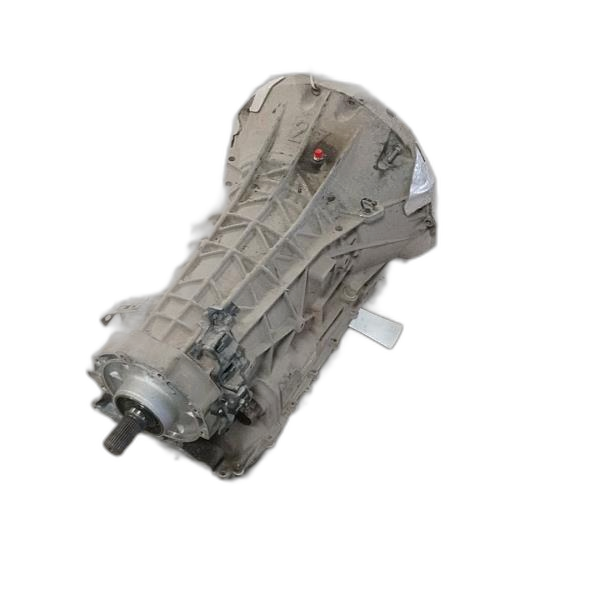
Shop the Parts Behind P3009
Below are the parts most often responsible for code P3009, ranked by how frequently each one is the actual culprit (per the diagnosis above). Tap any to see what we have for your vehicle.



The information in this article is provided for general reference and educational purposes only. Vehicle specifications, procedures, and part compatibility can vary by production date, trim level, and region. Always consult your vehicle's factory service manual and verify part numbers before purchasing or performing repairs. Safety-critical components such as airbags, seat belts, and braking systems should be installed by a qualified professional.
- 🧭 Diagnostic Flowchart
- 🎬 Helpful Videos
- 🛍️ Shop This Part
- What Does P3009 Mean?
- Can I Drive With P3009?
- Common Causes
- Symptoms
- Common Fixes & Costs
- Used vs. New Parts: Buying Guide
- What Happens If You Wait — Timeline
- Cost of Not Fixing It
- Diagnosis Steps
- When This Code Triggers (Freeze-Frame Conditions)
- Related Codes
- Climate & Environmental Factors
- How to Talk to a Mechanic About This Code
- Where to Take It: Dealer vs Independent vs Chain
- When to Walk Away From the Repair
- What Scan Tool You Need for This Code
- How to Clear the Code After You Fix It
- Will This Fail Emissions / State Inspection?
- Most Commonly Affected Vehicles
- Manufacturer-Specific Notes
- Real Owner Stories
- 2003 Toyota Prius at 281K miles - The Transaxle Fluid Fix
- Gen 1 Prius with 107K miles - The Misdiagnosis
- 2002 Toyota Prius with 160K miles - The Intermittent Humidity Fault
- How to Prevent This Code From Triggering
- Frequently Asked Questions
- Is a P3009 code dangerous?
- Can I just clear the code and keep driving?
- The warning light went off. Can I ignore the P3009 code now?
- What are common misdiagnosis mistakes with a P3009 code?
- My mechanic wants to replace the whole hybrid battery for $4,000. Is that my only option?
- Could rain or a car wash have caused this?
- What is a 'megger' and why does my mechanic need one?
- Can a bad 12V battery cause a P3009 code?
- Key Takeaways
- 🎟️ Get 5% Off