

P3032 on 2016 Dodge Charger: Barometric Pressure Sensor Plausibility Issues and Fixes
On a 2016 Dodge Charger, code P3032 almost always indicates a problem with the Powertrain Control Module (PCM). The most likely fix is a PCM software update from a dealership, as specified in TSBs #18-062-17 and #18-032-16 REV. A. If that doesn't work, the PCM itself has likely failed due to an internal barometric sensor fault and will need to be replaced and programmed.
- P3032 on a 2016 Dodge Charger means the PCM's internal barometric pressure sensor reading is illogical.
- DO NOT replace any external sensors. The fault lies within the Powertrain Control Module (PCM).
- The first and most likely solution is a PCM software update performed by a dealership or qualified shop, as per TSBs #18-062-17 and #18-032-16 REV. A.
- If a software update doesn't fix the code, the PCM itself has failed and needs to be replaced and programmed.
- This is not a DIY-friendly repair due to the need for specialized programming tools like wiTECH.
What's Unique About the 2016-2016 Dodge CHARGER
On this generation of Dodge Charger, the barometric pressure sensor is not a separate, replaceable part located on the engine. Instead, its function is integrated directly into the Powertrain Control Module (PCM). This is a critical distinction because it means a P3032 code cannot be fixed by swapping a simple, inexpensive external sensor. The problem lies within the PCM's software or its internal hardware, making diagnosis and repair a more complex, professional-level task requiring dealer-level tools.
Diagnostic Flowchart
Tap your situation to follow the diagnostic path that matches what you're seeing on this vehicle.
Symptoms You May Notice
- Check Engine Light is on
- Reduced engine performance
- Hesitation during acceleration
- Poor fuel economy
- Rough or unstable idle
- Vehicle may exhibit a stumble at wide-open throttle.
- Replacing the Manifold Absolute Pressure (MAP) sensor. While the MAP sensor's reading is used to check the BARO sensor's plausibility, the fault code P3032 specifically points to the BARO function, which is internal to the PCM on this vehicle. Replacing the external MAP sensor will not fix this code.
Most Likely Causes
- Outdated Powertrain Control Module (PCM) Software 🔴 High Probability → Shop Engine Control Module (ECM) Manufacturer Technical Service Bulletins (TSBs) #18-062-17 and #18-032-16 REV. A explicitly list P3032 as one of several codes that can be resolved with a PCM software update. This indicates a known software glitch where the PCM misinterprets sensor data, triggering false codes.
How to confirm: A Dodge dealership or a qualified shop with a wiTECH scan tool must check for available PCM calibration updates for the vehicle's VIN. The TSBs are the primary diagnostic path before any hardware replacement.
Typical fix: Flashing the PCM with the latest manufacturer-provided software. This procedure takes approximately 1 hour of labor at a dealership.
Est. part cost: $0 - Internal Failure of the Powertrain Control Module (PCM) 🟡 Medium Probability → Shop Engine Control Module (ECM) The barometric pressure sensor is integrated into the PCM. If a software update does not resolve the code, the internal circuitry of the sensor has likely failed, condemning the entire module. This is a diagnosis of exclusion.
How to confirm: This is confirmed after a PCM reflash has been performed and the code returns. A high-level scan tool can be used with the key on, engine off to compare the live BARO reading to the local atmospheric pressure; a significant deviation points to an internal PCM fault.
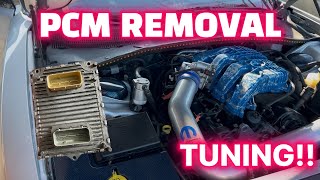
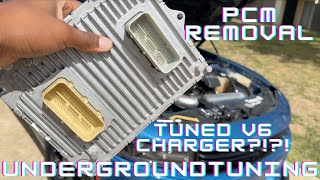
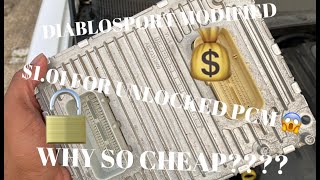
Typical fix: Replace the Powertrain Control Module and have it programmed to the vehicle's VIN. This can be done at a dealership or by purchasing a pre-programmed unit from a specialized vendor. 🎬 Watch: Tips for swapping in an unlocked or pre-programmed PCM
Est. part cost: $500-$900 - Wiring or Connector Issue at the PCM ⚪ Low Probability While less common than software or internal failure, corrosion, pushed-back pins, or damage to the main PCM connectors can disrupt sensor readings and power, potentially triggering plausibility codes. This is a general electrical failure point, not specific to this code.
How to confirm: Visually inspect the PCM connectors for any signs of corrosion, water intrusion, or physical damage. Check for good pin tension on the connector terminals. A multimeter can be used to check for proper voltage and ground at the PCM.
Typical fix: Clean the connectors with electronics cleaner and apply dielectric grease, or repair the damaged section of the wiring harness.
Est. part cost: $5-$50
Diagnosis Steps
- Verify the code P3032 with a quality OBD-II scanner. Check for any other codes, especially P2227, P2299, P0441, and P0335.
- CRITICAL STEP: Contact a Dodge dealership or use a professional service to check for Technical Service Bulletins (TSBs) related to your VIN. Specifically reference TSBs #18-062-17 and #18-032-16 REV. A.
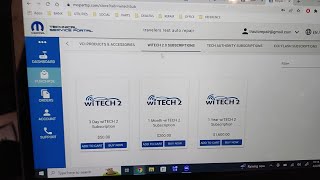
- Have the dealership or a qualified shop perform a PCM software update (reflash). This is the most common fix and should be done before any parts are replaced. The process requires a stable power supply to the vehicle and a wiTECH scan tool. 🎬 See this walkthrough on how to remove the PCM 🎬 Watch: Professional guide to PCM programming and reflashing with wiTech
- If the code returns after the reflash, perform a thorough visual inspection of the PCM connectors and nearby wiring harness for any signs of damage, corrosion, or loose pins.
- Using a high-level scan tool with the key on and engine off, compare the BARO reading to the MAP sensor reading. They should be nearly identical. Also, compare the BARO reading to the actual atmospheric pressure for your altitude (e.g., using a weather app). An incorrect reading that does not match the local pressure points to an internal PCM fault.
- If the software is up-to-date, wiring is intact, and the BARO reading is still implausible, the PCM is defective and must be replaced.
- When replacing the PCM, ensure the new unit is programmed with the vehicle's VIN and correct calibration file. This can be done by the dealer or by vendors who sell pre-programmed modules.
Parts You'll Likely Need
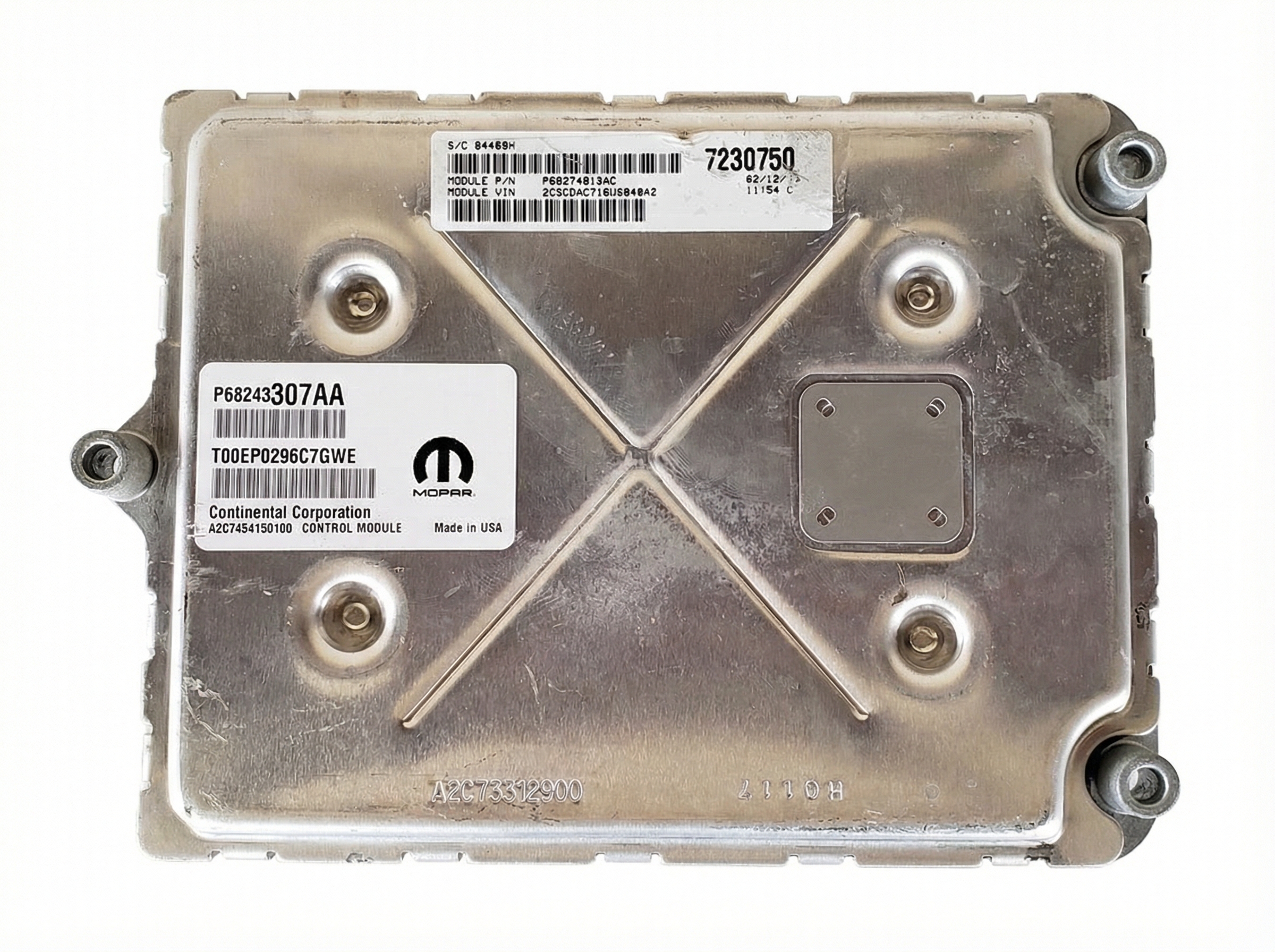
- Powertrain Control Module (PCM)
(OEM #68243307AA (Example for 5.7L AWD, VIN specific))— This is the required fix if a software update does not resolve the issue, as the faulty barometric pressure sensor is integrated into the PCM. Part number is specific to the vehicle's VIN and options.
Trusted brands: Mopar (OEM), Cardone (Remanufactured), Flagship One (Remanufactured)
OEM price range: $700-$900
Aftermarket price range: $400-$700 (Remanufactured)
Related Codes That Often Appear With This One
- P2227 — This code means 'Barometric Pressure Circuit Performance.' It is directly related to P3032 and is often listed in the same TSBs. Seeing both codes together strongly points to a fault with the BARO sensor function within the PCM.
- P2299 — This code for 'Brake Pedal Position/Accelerator Pedal Position Incompatible' is also mentioned in the TSBs alongside P3032, indicating it can be part of a group of false codes set by the outdated PCM software.
- P0441 — Also listed in TSB #18-062-17, this 'Evap Purge System Performance' code can be another symptom of the same PCM software issue.
- P0335 — This 'Crankshaft Position Sensor Circuit' code is another fault mentioned in TSBs #18-062-17 and #18-032-16 REV. A that can be erroneously triggered by the PCM software glitch.
Technical Service Bulletins (TSBs) & Recalls
- 18-062-17: Lists P3032 as one of several codes that can be resolved by a PCM software update for 2016 LD platform (Charger) vehicles.
- 18-032-16 REV. A: Also lists P3032 as a code that can be fixed with a PCM reflash, reinforcing that this is a known software issue for 2016 LD platform vehicles.
Platform-Specific Known Issues
- The integration of the barometric pressure sensor into the PCM is the most significant issue for this platform regarding code P3032. This design choice turns a potential simple sensor fix into a more complex and expensive software or module replacement.
- On high-performance models like the Hellcat, specific TSBs strongly advise against replacing the PCM without first consulting the factory, highlighting how prevalent software-related false codes are on this platform.
Mechanic-Grade Diagnostic Values
- BARO vs. MAP Sensor Reading (Key-On, Engine-Off) — expected: The BARO and MAP sensor readings should be nearly identical (within ~0.5 PSI or ~1.0 inHg of each other). At sea level, this value should be around 14.7 PSI or 29.9 inHg. The reading will decrease with higher altitude.. Failure: A significant difference between the BARO and MAP sensor readings, or a BARO reading that is illogical for the vehicle's altitude (e.g., 10 PSI at sea level), points to a fault with the internal PCM BARO sensor.
Hidden / Shadow Codes Worth Checking
- Mode 6, Test ID $A2-$A9 (example): While not a hidden code in the traditional sense, Mode 6 data can reveal misfire counts and other system test results before they are severe enough to set a Diagnostic Trouble Code (DTC). For FCA vehicles, specific Test IDs (TIDs) and Component IDs (CIDs) correspond to specific non-continuous monitor tests. A technician can use this data to see if the BARO plausibility test is on the verge of failing, even if P3032 is not currently active. (see via A professional scan tool with Mode 6 capability is required. The specific TID/CID for the BARO sensor plausibility test would need to be referenced from manufacturer service information.)
Scan Tool Commands That Help
- wiTECH 2.0: Flash ECU — This is the primary function used to perform the software update specified in TSBs #18-062-17 and #18-032-16 REV. A. The tool connects to FCA's network, verifies the VIN, and downloads the correct calibration file to resolve the software glitch causing the P3032 code.
- wiTECH 2.0: View/Clear All DTCs — This command should be used after the reflash procedure is complete to ensure no new codes were set during the process and to clear the original P3032 fault.
Wiring & Ground Locations
- PCM Ground Wires — On some Dodge V8 platforms, the main PCM ground wires (often black/tan) are secured to a grounding point on top of the alternator bracket.. A poor or corroded ground connection at this point can introduce electrical noise or voltage offsets, causing the sensitive internal PCM circuitry, including the barometric sensor, to produce implausible readings and trigger the P3032 code. This should be inspected for cleanliness and tightness before condemning the PCM.
OEM Part Supersession History
68243307AA→68243307AB— Software/calibration updates or minor hardware revision.
Heads up: The letters at the end of the part number indicate calibration and revision level. While a newer revision (like AB) will replace an older one (AA), it is critical that any replacement PCM is programmed with the vehicle's specific VIN and configuration.
Helpful Videos
We Have This Part in Stock

The information in this article is provided for general reference and educational purposes only. Vehicle specifications, procedures, and part compatibility can vary by production date, trim level, and region. Always consult your vehicle's factory service manual and verify part numbers before purchasing or performing repairs. Safety-critical components such as airbags, seat belts, and braking systems should be installed by a qualified professional.
- Dodge CHARGER:
- 🧭 Diagnostic Flowchart
- 🎬 Helpful Videos
- 🛍️ Shop This Part
- What's Unique About the 2016-2016 Dodge CHARGER
- Symptoms You May Notice
- Most Likely Causes
- Diagnosis Steps
- Parts You'll Likely Need
- Related Codes That Often Appear With This One
- Technical Service Bulletins (TSBs) & Recalls
- Platform-Specific Known Issues
- Mechanic-Grade Diagnostic Values
- Hidden / Shadow Codes Worth Checking
- Scan Tool Commands That Help
- Wiring & Ground Locations
- OEM Part Supersession History
- 🎟️ Get 5% Off