

P3075 on 2020-2022 Buick Encore GX: Engine Coolant Flow Too Low
Code P3075 on a 2020-2022 Buick Encore GX means 'Engine Coolant Flow Too Low'. It is most often caused by low coolant level due to a leak or air trapped in the system. The first step is to check for leaks and properly bleed the cooling system before considering part replacement.
- P3075 means the engine's electric coolant pump is not moving enough coolant, usually due to a low coolant level or air in the system.
- Do not immediately replace the water pump. The most common fix is finding and repairing a coolant leak and then properly bleeding the system.
- Check the coolant level in the reservoir first. If it's low, you have a leak.
- Known weak points include the upper radiator inlet hose seal and cracks in the plastic coolant expansion tank.
- This issue also affects the 2021+ Chevrolet Trailblazer with the same 1.3L engine.
- Driving with this code can lead to engine overheating, which can cause severe damage. Address the issue promptly.
What's Unique About the 2020-2022 Buick ENCORE GX

The Buick Encore GX with the 1.3L (RPO code L3T) engine uses a modern, computer-controlled electric water pump instead of a traditional belt-driven one. This allows for more precise temperature management but also introduces a unique diagnostic routine where the ECM actively tests the pump's performance. GM has issued a specific Technical Service Bulletin (TSB 21-NA-257) for this exact code on this platform and its sibling, the Chevrolet Trailblazer, indicating it's a known issue with a defined diagnostic path that prioritizes checking for leaks and air pockets before condemning the pump.
Diagnostic Flowchart
Tap your situation to follow the diagnostic path that matches what you're seeing on this vehicle.
Symptoms You May Notice

- Check Engine Light (Malfunction Indicator Lamp, MIL) is on.
- Engine overheating, especially at idle or in traffic.
- Engine may enter a reduced power mode.
- Low coolant level in the reservoir.
- Visible coolant leaks (pink/orange fluid) under the vehicle.
- Gurgling sounds from the dashboard area as air moves through the heater core.
- Replacing the coolant pump immediately without checking for leaks or air in the system. GM TSBs explicitly warn against this, stating the pump should only be replaced if the code returns after other repairs are made.
Most Likely Causes

- Low Engine Coolant or Air in System 🔴 High Probability → Shop Engine Coolant / Antifreeze The system is sensitive to air pockets, and various plastic components can develop slow leaks over time. TSB 21-NA-257 explicitly identifies low coolant or trapped air as the primary cause for P3075.
How to confirm: Visually inspect the coolant reservoir to see if the level is below the 'min' mark. A cooling system pressure test is the definitive way to check for leaks.
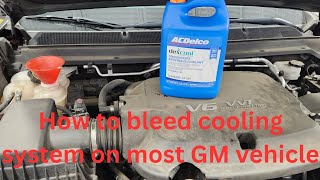
Typical fix: If a leak is found, the leaking component (e.g., hose, radiator, reservoir tank) must be repaired or replaced. Then, the system must be refilled and properly bled of all air using the manufacturer's specified procedure, often with a vacuum-fill tool 🎬 Watch: How to properly bleed the cooling system on GM vehicles and a scan tool bleed function.
Est. part cost: $25-$50 for coolant, plus cost of leaking part if applicable. - Leaking Radiator Inlet Hose 🟡 Medium Probability → Shop Radiator A separate GM document (PIT6494) notes that the seal on the upper radiator hose quick-connect fitting can degrade, causing a slow leak that leads to low coolant levels and P3075.
How to confirm: Inspect the upper radiator hose connection at the radiator for signs of pink/orange coolant residue or active leakage. The area may look crusty or stained. The bulletin notes a failed lip seal will show material flattening.
Typical fix: Replace the radiator inlet hose assembly. The seal is typically not serviced separately. The service bulletin warns not to use any lubricants on the new hose connection.
Est. part cost: $50-$100 - Cracked Coolant Reservoir (Expansion Tank) 🟡 Medium Probability → Shop Engine Coolant Reservoir The plastic coolant reservoir is subjected to constant heat cycles and can develop hairline cracks, leading to slow coolant loss. This is a common failure point on many modern vehicles, including the Encore GX and its platform mates.
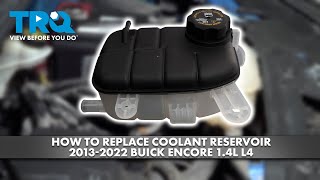
How to confirm: Carefully inspect the reservoir tank for fine cracks, especially around the seams and hose connections. 🎬 See this walkthrough on replacing a cracked coolant reservoir tank A pressure test will often reveal leaks from the tank that are not visible otherwise.
Typical fix: Replace the coolant reservoir. OEM part numbers include 13530506, 13537034, and 13545831.
Est. part cost: $40-$80 - Failing Electric Coolant Pump ⚪ Low Probability → Shop Engine Water Pump While less common than leaks, the pump can fail internally. TSB 21-NA-257 explicitly states to only replace the pump if the code returns for a second time after verifying the system is full, bled, and leak-free.
How to confirm: This is a process of elimination. If there are absolutely no leaks (confirmed with a pressure test), the system has been properly vacuum-bled, and the code P3075 returns, the pump is the likely culprit.
Typical fix: Replace the electric engine coolant pump assembly.
Est. part cost: $250-$450
Rare But Worth Checking
- Software Anomaly: An older TSB (19-NA-149) for other GM models with similar systems mentioned a software anomaly as a possible cause, fixed by an ECM reprogram. While TSB 21-NA-257 for the Encore GX supersedes this for this specific model, it highlights that software logic is involved in the diagnosis.
Diagnosis Steps

- Verify the code P3075 is present using an OBD-II scanner.
- Check the engine coolant level in the reservoir. If it is low, top it off with the correct type of coolant (DEX-COOL compatible orange/pink fluid).
- Visually inspect the engine bay for any signs of coolant leaks. Pay close attention to the radiator, all hoses and their connections, the coolant reservoir tank, and the water pump housing.
- If no obvious leaks are seen, perform a cooling system pressure test to find any hidden leaks. Check the radiator inlet hose quick-connect and the seams of the expansion tank carefully.
- Repair any leaks found by replacing the faulty component (e.g., hose, clamp, radiator, reservoir).
- After repairs, or if no leaks were found, perform a cooling system drain and fill using a vacuum-fill tool to prevent air pockets. Follow the specific GM service procedure, which may require a scan tool to run the 'Coolant Air Bleeding' function.
- Clear the DTC P3075 and drive the vehicle to allow the ECM's internal diagnostic to run again. Use a scan tool like GDS2 to confirm the P3075 diagnostic test has run and passed.
- If the code returns after confirming the system is full, properly bled, and free of leaks, the electric coolant pump is likely faulty and should be replaced. TSB 21-NA-257 advises this is the procedure for a second occurrence of the code.
Parts You'll Likely Need
- Engine Coolant / Antifreeze
(OEM #12346290 (Concentrate), 12378390 (50/50 Pre-Mix))— Required to top off or refill the system after a leak or air bleeding procedure.
Trusted brands: ACDelco
OEM price range: $25-$40 per gallon
Aftermarket price range: $20-$35 per gallon - Radiator Inlet Hose
(OEM #42735431)— A known failure point for leaks at the quick-connect seal, which can cause a low coolant condition and trigger P3075.
Trusted brands: ACDelco, Gates
OEM price range: $70-$120
Aftermarket price range: $50-$90 - Electric Engine Coolant Pump
(OEM #12718625 (may supersede to other numbers like 12707765, 25208565))— This is the final step if no leaks are found and the system is properly bled, but the code persists after the first repair attempt.
Trusted brands: ACDelco
OEM price range: $350-$500
Aftermarket price range: $250-$400 - Coolant Expansion Tank / Reservoir
(OEM #13530506 / 13537034 / 13545831)— The plastic tank can develop hairline cracks from heat cycles, causing slow leaks that are hard to spot but lead to low coolant levels.
Trusted brands: ACDelco
OEM price range: $60-$90
Aftermarket price range: $40-$70
Related Codes That Often Appear With This One
- P06DD (Engine Oil Pressure Control Solenoid Valve Stuck Off)
- P0299 (Turbocharger Underboost)
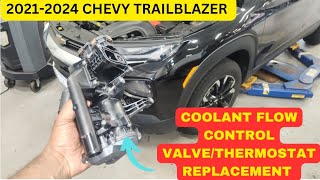
- P0128 (Coolant Thermostat Below Regulating Temperature) 🎬 Watch: How to replace the coolant flow control valve and thermostat
Technical Service Bulletins (TSBs) & Recalls

- 21-NA-257: Malfunction Indicator Lamp (MIL) Illuminated - DTC P3075 Set.
- 19-NA-149: Malfunction Indicator Lamp (MIL) Illuminated with DTC P3075 Set (for other GM models, provides context).
- PIT6494: (Referenced in Pass 1) Notes leaking radiator inlet hose seal.
- PIP5650: (Referenced in Pass 1) Corroborates diagnostic logic.
Platform-Specific Known Issues
- GM Technical Service Bulletin 21-NA-257 directly addresses DTC P3075 on the 2020-2022 Encore GX and 2021+ Chevrolet Trailblazer. It outlines a specific diagnostic procedure that starts with checking for low coolant or air in the system before replacing any parts.
- The bulletin explicitly states that if the code returns for a second time after a leak has been repaired and the system has been bled, only then should the electric coolant pump be replaced.
- A legal filing regarding a 2022 Chevrolet Trailblazer details a case where the vehicle experienced overheating, coolant leaks, and codes P3075, P06DD, and P0299, corroborating the link between this code and physical coolant loss.
Mechanic-Grade Diagnostic Values
- ECM Intrusive Diagnostic Test for Coolant Pump — expected: The ECM commands the coolant pump to approximately 4000 RPM for 15 seconds and monitors the AC current draw. The current should be within a specific, expected range.. Failure: If the cooling system is low on coolant or has air pockets, the pump will have less resistance and its AC current feedback will be lower than the expected range, triggering DTC P3075.
Scan Tool Commands That Help
- GDS2 / Professional Scan Tool: Coolant Air Bleeding / Automated Bleed Procedure — After any cooling system repair or refill to properly purge air from the system. TSBs indicate that P3075 may reset after a refill until all air is purged, making this procedure critical.
- GDS2 / Professional Scan Tool: Electric Water Pump Test — To manually command the pump to run, allowing a technician to verify its operation and potentially check for flow without waiting for the ECM's automatic test cycle.
- GDS2: Diagnostic Test Status Check — After a repair and road test, a technician should use the scan tool to confirm that the P3075 diagnostic test has 'run and passed' during the current drive cycle before returning the vehicle to the customer.
OEM Part Supersession History
12701699, 12707765, 12712268→12718625, which was later superseded by 25208565— Not officially stated, but frequent supersessions on a critical component like an electric water pump often point to design revisions aimed at improving reliability and preventing premature failure.
Heads up: No known incompatibilities. Always use the latest available part number for replacement to ensure the most recent design improvements are incorporated.
Helpful Videos
Used OEM Parts in Stock
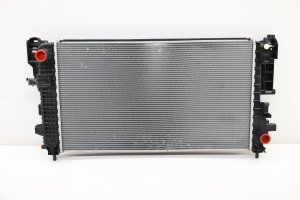
New Aftermarket Parts Available


The information in this article is provided for general reference and educational purposes only. Vehicle specifications, procedures, and part compatibility can vary by production date, trim level, and region. Always consult your vehicle's factory service manual and verify part numbers before purchasing or performing repairs. Safety-critical components such as airbags, seat belts, and braking systems should be installed by a qualified professional.
- Buick ENCORE GX:
- 🧭 Diagnostic Flowchart
- 🎬 Helpful Videos
- 🛍️ Shop This Part
- What's Unique About the 2020-2022 Buick ENCORE GX
- Symptoms You May Notice
- Most Likely Causes
- Rare But Worth Checking
- Diagnosis Steps
- Parts You'll Likely Need
- Related Codes That Often Appear With This One
- Technical Service Bulletins (TSBs) & Recalls
- Platform-Specific Known Issues
- Mechanic-Grade Diagnostic Values
- Scan Tool Commands That Help
- OEM Part Supersession History
- 🎟️ Get 5% Off