

P3075 on 2019-2022 Cadillac XT4: Engine Coolant Flow Too Low Fixes
This code is almost always caused by a low coolant level or air trapped in the cooling system. The fix is to find and repair any leaks, then properly bleed the system. A special bleeding procedure may be required. Do not replace the electric coolant pump unless all other possibilities have been exhausted.
- Do not immediately assume the coolant pump has failed. The problem is far more likely to be a simple coolant leak or air in the system.
- Start by checking the coolant level. If it is low, you have a leak that must be found and fixed.
- A cooling system pressure test is the most effective way to find leaks. Pay special attention to the upper radiator hose connection.
- If the system has been recently serviced, it may just need to be properly bled to remove trapped air. This may require running the engine to temperature and road testing.
- Always use the manufacturer-specified DEX-COOL antifreeze when refilling the system.
What's Unique About the 2019-2022 Cadillac XT4

The Cadillac XT4 with the 2.0L LSY engine uses a sophisticated cooling system with an electric coolant pump instead of a traditional belt-driven one. This system is highly sensitive to air pockets, which can get trapped during a coolant flush or if the level drops due to a leak. General Motors has issued multiple Technical Service Bulletins (TSBs) acknowledging this sensitivity and providing specific diagnostic and bleeding procedures to resolve the P3075 code, explicitly warning technicians not to replace the pump as a first step.
Diagnostic Flowchart

Tap your situation to follow the diagnostic path that matches what you're seeing on this vehicle.
Symptoms You May Notice

- Check Engine Light (Malfunction Indicator Lamp) is on
- Engine may run hot or overheat
- Low coolant level warning message
- Visible coolant leak under the vehicle
- Poor heater performance
- Message in the driver information center such as 'reduced acceleration drive with care 🎬 Watch: Diagnosing reduced engine power and common fault codes.'.
- Engine cooling fan runs for an extended period after the engine is turned off.
- Replacing the electric coolant pump without first checking for leaks or air in the system. TSBs from GM explicitly state to pressure test the cooling system and perform the bleed procedure before considering pump replacement.
Most Likely Causes

- Air Trapped in the Cooling System 🔴 High Probability This often occurs after a coolant service (drain and fill) if the system is not bled correctly. The system's design is sensitive to air pockets, which impede flow and trigger the code. The code may even set immediately after a service until all air is purged.
How to confirm: If the code appeared shortly after a coolant service, this is the most likely cause. A technician can use a special vacuum-fill tool or follow the specific GM bleeding procedure, which involves running the engine to operating temperature and road testing to purge the air.
Typical fix: Perform the manufacturer-specified cooling system bleeding procedure to remove all trapped air. This may involve running the engine, letting it cool, and re-checking levels multiple times.
Est. part cost: $0 - Low Engine Coolant Level 🔴 High Probability → Shop Engine Coolant / Antifreeze Leaks can develop over time. A known issue involves a degraded seal on the upper radiator inlet hose quick-connect fitting, as detailed in GM bulletin PIT6494. This can cause a slow leak that eventually triggers the code.
How to confirm: Visually inspect the coolant reservoir. If it's low, perform a cooling system pressure test to locate the source of the leak. Pay close attention to the upper radiator inlet hose connection.
Typical fix: Find and repair the source of the coolant leak. This could be a hose, the radiator, or a gasket. After repair, refill and bleed the system properly.
Est. part cost: $20-$300 (depending on the source of the leak)
Rare But Worth Checking
- Failing Electric Coolant Pump: → Shop Engine Water Pump TSBs specifically advise against replacing the pump as a first step. However, if the system is confirmed to be full, free of air, has no leaks, and the code returns for a second time after being cleared, the pump itself may be failing internally and require replacement.
- ECM Software Anomaly: A TSB for some 2019 GM models with a different engine (2.7L L3B) mentions that a software update may be required to correct a false P3075 code. While less common for the LSY, it's a possibility that should be checked by a dealer if other diagnostics fail.
Diagnosis Steps

- Verify the code with an OBD-II scanner.
- Check the engine coolant level in the reservoir. If low, top it off with the correct type of coolant (ACDelco DEX-COOL).
- Perform a cooling system pressure test to check for any external leaks. Pay close attention to hoses, the radiator, and specifically the upper radiator inlet hose quick-connect fitting.
- Repair any leaks found during the pressure test.
- If no leaks are found, or after a repair, perform the GM-specific cooling system draining and filling procedure. This involves filling the system, running the engine with the heat on high to reach operating temperature, and allowing the system to purge air. It may be necessary to clear the code and road test the vehicle to fully purge any remaining air.
- Clear the DTC and road test the vehicle. The diagnostic for P3075 runs once per ignition cycle when conditions are met.
- If the code returns after verifying the system is full and properly bled, further diagnosis of the coolant pump's wiring and the pump itself is necessary. GM guidance suggests replacing the pump if the code returns a second time after these steps have been performed.
Parts You'll Likely Need
- Engine Coolant / Antifreeze
(OEM #12346290)— Required to top off or refill the system after a repair or bleeding procedure. Must be the correct GM-specified DEX-COOL type.
Trusted brands: ACDelco
OEM price range: $20-$30
Aftermarket price range: $15-$25 - Radiator Inlet Hose
(OEM #85165353)— A degraded seal on the upper radiator inlet hose is a known potential source of leaks that can cause this code, as noted in TSB PIT6494.
Trusted brands: ACDelco, Gates
OEM price range: $35-$60
Aftermarket price range: $30-$60 - Electric Engine Coolant Pump
(OEM #12724522)— This is a last resort. It should only be replaced if all other diagnostic steps (checking for leaks, bleeding the system) fail to resolve the code on a repeat visit.
Trusted brands: ACDelco
OEM price range: $250-$400
Aftermarket price range: $180-$300
Related Codes That Often Appear With This One
- P3076 — P3076 is 'Engine Coolant Pump High Current Performance.' Both P3075 and P3076 are related to coolant flow and pump performance diagnostics, and the TSBs often mention them together.
Technical Service Bulletins (TSBs) & Recalls
- 21-NA-257: Malfunction Indicator Lamp (MIL) Illuminated - DTC P3075 Set. Outlines the diagnostic procedure, focusing on checking for leaks and properly bleeding the system before replacing any parts. It lists numerous affected GM vehicles with LSY, L3B, and L3T engines.
- PIP5650B: Diagnostic Tip: Possible DTC P3075 That May Be Set Current or History. States the cause is likely low coolant or air trapped in the system and explicitly warns against replacing the coolant pump prematurely.
- PIT6494: Malfunction Indicator Lamp (MIL) DTC P3075- Radiator Inlet Hose Coolant Leak. Identifies a potential cause of low coolant as a degraded seal on the upper radiator inlet hose quick-connect fitting.
Platform-Specific Known Issues
- GM has issued multiple Technical Service Bulletins (TSBs), including #21-NA-257 and #PIP5650B, that directly address this code. They emphasize that the cause is likely low coolant or air in the system, not a faulty pump.
- The diagnostic procedure for this code involves the ECM running an intrusive test on the coolant pump for 15 seconds at ~4000 RPM, checking its electrical current draw to infer coolant flow.
- TSB PIT6494 identifies a specific leak point at the upper radiator inlet hose quick-connect fitting due to a degraded seal.
Mechanic-Grade Diagnostic Values
- ECM Intrusive Diagnostic Test — expected: The ECM commands the electric coolant pump to ~4000 RPM for 15 seconds and measures the AC current draw.. Failure: If the measured AC current is lower than the expected range, it implies the pump is moving air or is in a low-coolant state, triggering P3075.
- Cooling System Pressure — expected: System should hold pressure according to manufacturer specifications (typically around 110 kPa / 16 psi).. Failure: A drop in pressure indicates a coolant leak that must be repaired.
Scan Tool Commands That Help
- GDS2 (GM Global Diagnostic System 2): Confirm P3075 has run and passed — After performing a repair (fixing a leak, bleeding the system), this function is used to manually run the ECM's intrusive test and confirm that the fault does not return before giving the vehicle back to the customer.
- GDS2 (GM Global Diagnostic System 2): Cooling System Bleed Procedure — When refilling the cooling system after a repair, the GDS2 can automate the bleed procedure by actuating the coolant pump and valves to effectively purge trapped air, which is a primary cause of P3075.
Wiring & Ground Locations
- Intake Manifold Area Harnessing — To access related cooling components like the coolant flow control valve located under the intake manifold, a main wiring harness that runs across the front of the intake must be unplugged and moved. Several sensor connectors are also located on and under the intake manifold.. While not the pump itself, accessing the complex cooling system in this area for diagnosis or repair requires careful manipulation of these harnesses. Knowing their location is critical for related jobs that may be performed when diagnosing flow issues.
"I Checked Everything" — The Actual Cause
- In cases of overheating or potential low flow where a cooling system pressure test finds no leaks and bleeding procedures do not resolve the issue, the cause may be an inaccurate Engine Coolant Temperature (ECT) sensor located in the coolant pump outlet pipe. According to GM TSB PIP5839A, this sensor can fail and read a cooler temperature than actual, causing the main Coolant Control Valve (CCV) to not open sufficiently. This restricts flow to the radiator and can cause overheating or trigger flow-related DTCs, even with no leaks or air in the system.
OEM Part Supersession History
12724522→12738953— Standard part revision or manufacturer change.
Heads up: The new part number 12738953 also replaces several older part numbers, including 55506790, 55515497, 55510113, and 55508939, indicating it is the current service replacement for a wide range of vehicles.
Model Year Variations Within This Range
- 2019: For some 2019 GM models (specifically with the 2.7L L3B engine, but relevant as a pattern), TSB 19-NA-149 indicates that the first step for a P3075 code should be to verify the ECM has the latest software, as a software anomaly could be the cause. This is less emphasized for later years or the LSY engine but remains a key first check for 2019 models if other diagnostics fail.
Helpful Videos
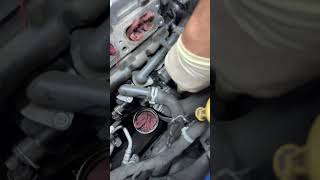

Used OEM Parts in Stock
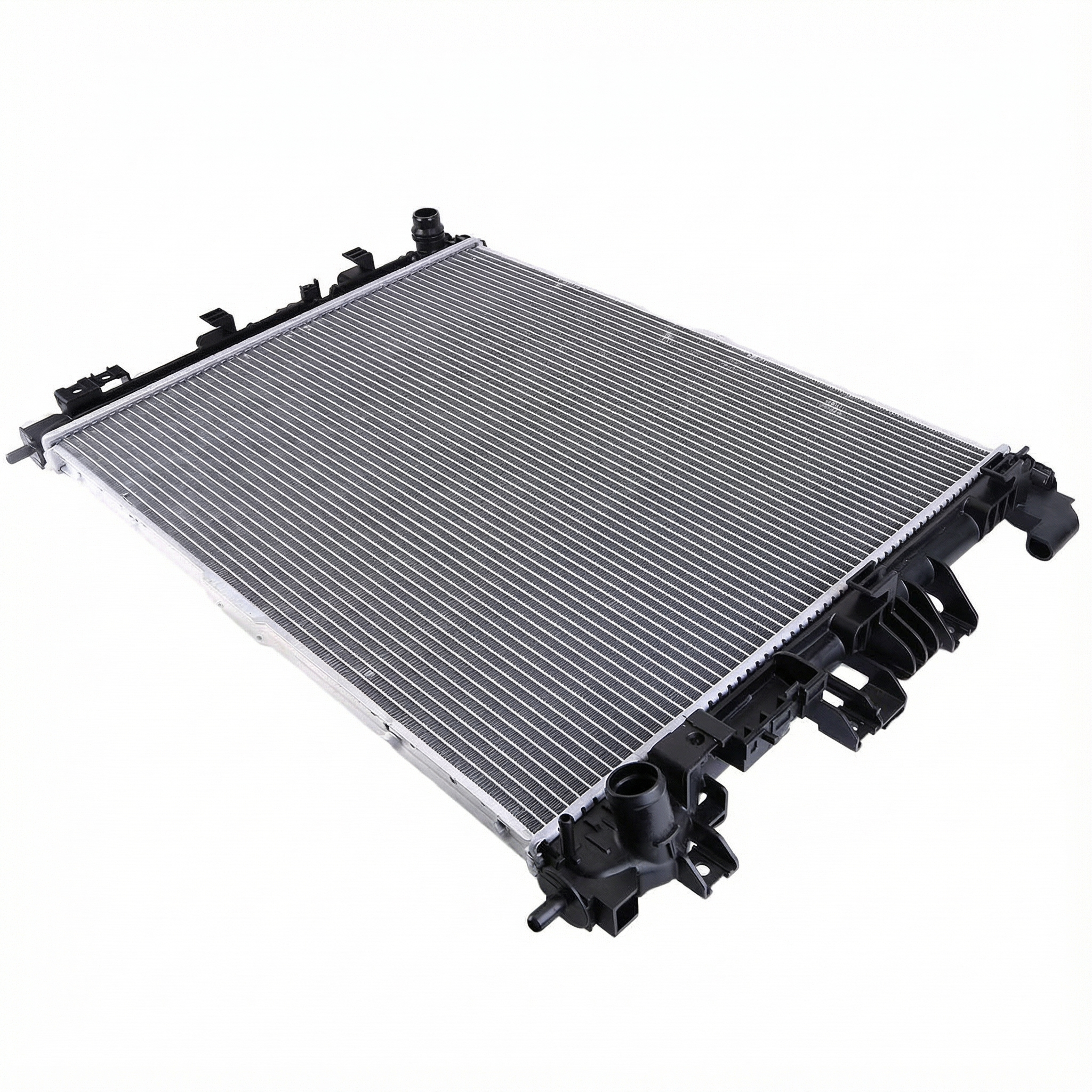
New Aftermarket Parts Available

The information in this article is provided for general reference and educational purposes only. Vehicle specifications, procedures, and part compatibility can vary by production date, trim level, and region. Always consult your vehicle's factory service manual and verify part numbers before purchasing or performing repairs. Safety-critical components such as airbags, seat belts, and braking systems should be installed by a qualified professional.
- Cadillac XT4:
- 🧭 Diagnostic Flowchart
- 🎬 Helpful Videos
- 🛍️ Shop This Part
- What's Unique About the 2019-2022 Cadillac XT4
- Symptoms You May Notice
- Most Likely Causes
- Rare But Worth Checking
- Diagnosis Steps
- Parts You'll Likely Need
- Related Codes That Often Appear With This One
- Technical Service Bulletins (TSBs) & Recalls
- Platform-Specific Known Issues
- Mechanic-Grade Diagnostic Values
- Scan Tool Commands That Help
- Wiring & Ground Locations
- "I Checked Everything" — The Actual Cause
- OEM Part Supersession History
- Model Year Variations Within This Range
- 🎟️ Get 5% Off