

P3075 on 2020-2022 Cadillac XT5: Engine Coolant Flow Too Low Causes and Fixes
For the 2020-2022 Cadillac XT5, code P3075 almost always indicates a coolant leak or air trapped in the cooling system. Before replacing any parts, find and fix the leak, then properly bleed the system. The coolant pump is rarely the initial cause.
- P3075 on your XT5 means there's a problem with coolant flow, not necessarily the coolant pump itself.
- The most common cause is a simple coolant leak or air trapped in the system.
- Always perform a cooling system pressure test to find leaks before considering any part replacement. Check the upper radiator hose connection closely.
- Follow the proper bleeding procedure after any cooling system repair. Be aware the code might reappear once as the last of the air works its way out.
- Do not replace the engine coolant pump unless the code returns for a second time after all other possibilities have been ruled out, as per GM's own service information.
What's Unique About the 2020-2022 Cadillac XT5
Unlike many vehicles where a coolant flow code points directly to a bad water pump, on this GM platform, the issue is so frequently caused by leaks or air pockets that General Motors issued a specific technical service bulletin (TSB #21-NA-257) instructing technicians NOT to replace the coolant pump initially. The diagnostic logic is to always suspect a system integrity issue (leaks or air) before condemning the pump, which saves time and money on unnecessary repairs.
Diagnostic Flowchart
Tap your situation to follow the diagnostic path that matches what you're seeing on this vehicle.
Symptoms You May Notice
- Check Engine Light (Malfunction Indicator Lamp) is on
- Engine may run hotter than normal, though not always to the point of overheating
- Coolant level may be visibly low in the reservoir
- Engine cooling fan may run more than usual or after the engine is turned off.
- Driver Information Center (DIC) may display a message like 'Reduced Acceleration, Drive with Care'.
- In some cases, coolant in the reservoir may appear brown, chunky, or contaminated.
- Replacing the engine coolant pump immediately. The official GM service bulletins advise against this, as the problem is most often a leak or air in the system, not a faulty pump.
Most Likely Causes
- Low Engine Coolant Level (due to a leak) 🔴 High Probability → Shop Engine Coolant / Antifreeze Leaks can develop from various places. GM bulletin PIT6494 specifically identifies a degraded upper radiator inlet hose seal as a potential culprit. Other common leak points include radiator hoses, the radiator itself, or the water pump housing. A separate, rare issue on some 2021 models involved an obstructed engine coolant inlet pipe that could also lead to a leak.
How to confirm: Visually inspect for coolant drips or stains under the vehicle, particularly around the upper radiator hose connection. Perform a cooling system pressure test to see if the system holds pressure. A drop in pressure indicates a leak.
Typical fix: Locate and repair the source of the leak. This may involve replacing a hose, clamp, seal, or the radiator. If the inlet hose seal is the cause, the entire hose assembly is typically replaced.
Est. part cost: $20-$400 - Air Trapped in the Cooling System 🔴 High Probability This is common after the cooling system has been serviced or if a leak has allowed air to enter. These systems can be sensitive and require a specific, thorough bleeding procedure to purge all air.
How to confirm: This is often a diagnosis by exclusion. If there are no leaks but the code persists, improper bleeding is the likely cause. The code may even reset once after a repair until all air is purged.
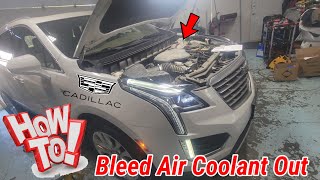
Typical fix: Perform the manufacturer-specified cooling system draining and filling procedure, which includes steps to properly bleed all air from the system. This may require a road test to fully purge any remaining air.
Est. part cost: $25-$50 (for new coolant) - Outdated Engine Control Module (ECM) Software 🟡 Medium Probability → Shop Engine Control Module (ECM) An earlier TSB (#19-NA-149) for similar GM engines noted that a software anomaly could cause this code to set incorrectly. The bulletin advises checking for software updates as a preliminary step.
How to confirm: A GM dealer or a shop with a subscription to GM's Service Information (SI) can check the current software calibration and see if an update is available.
Typical fix: Reprogram the ECM with the latest software available from GM.
Est. part cost: $0-$200 (may be covered under warranty)
Rare But Worth Checking
- Failing Engine Coolant Pump Assembly: → Shop Engine Water Pump GM TSBs explicitly state to only replace the coolant pump if the code returns for a second time AFTER verifying no leaks, no air in the system, and the software is up to date. Replaced pumps are often returned to GM's Warranty Parts Center for analysis.
Diagnosis Steps
- Check the coolant level in the reservoir. If it is low, top it off with the correct DEX-COOL coolant and check for obvious leaks.
- Using a scan tool, check if any ECM software updates are available, as recommended by TSB 19-NA-149.
- Perform a cooling system pressure test to check for leaks. Visually inspect all hoses, the radiator, and the water pump area for signs of coolant residue. Pay close attention to the upper radiator inlet hose connection.
- If a leak is found, repair it. This may involve replacing a hose, clamp, or other component.
- After any repairs, perform the complete cooling system draining, filling, and bleeding procedure as specified by the manufacturer to ensure no air is trapped.
- Clear the DTC and drive the vehicle to see if the code returns. Note that TSBs mention that P3075 may reset once or twice as the last bits of air are purged from the system. A road test at operating temperature is recommended.
- If, and only if, the code P3075 returns for a second time after confirming there are no leaks and the system is properly bled, should you consider replacing the engine coolant pump assembly.
Parts You'll Likely Need
- Engine Coolant / Antifreeze
(OEM #GM 12346290 (ACDelco 10-101))— Required to refill the system after repairing a leak or bleeding the system to remove air. Must be a DEX-COOL compatible coolant.
Trusted brands: ACDelco
OEM price range: $25-$40 (per gallon)
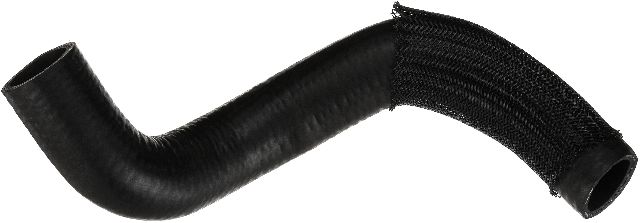
Aftermarket price range: $20-$35 (per gallon) - Radiator Inlet Hose
(OEM #Varies by specific model year. Verify with VIN.)— A degraded seal on the upper radiator inlet hose is a specific cause of leaks identified by GM that can lead to code P3075.
Trusted brands: ACDelco, Gates
OEM price range: $50-$100
Aftermarket price range: $25-$60 - Engine Coolant Pump
(OEM #GM 12701867 (Verify with VIN))— This is the last resort part to replace only after all other diagnostic steps have been completed, per GM service bulletins.
Trusted brands: ACDelco
OEM price range: $250-$400
Aftermarket price range: $150-$250
Related Codes That Often Appear With This One
- P3076 — P3076 is a related diagnostic trouble code for coolant flow that can be set under similar conditions, as noted in GM service documents.
Technical Service Bulletins (TSBs) & Recalls
- 21-NA-257: Malfunction Indicator Lamp (MIL) Illuminated - DTC P3075 Set. This is the primary document defining the cause as low coolant or air in the system and outlining the diagnostic procedure.
- 19-NA-149: Malfunction Indicator Lamp (MIL) Illuminated with DTC P3075 Set. An earlier bulletin that also mentions a possible software anomaly as a cause.
- PIT6494: Coolant Leak from Upper Radiator Inlet Hose and/or DTC P3075. This bulletin identifies a degraded seal on the upper radiator hose as a specific source of leaks causing this code.
- N202321920: Service update for a small number of 2021 models concerning a potentially obstructed engine coolant inlet pipe that could lead to a leak.
Platform-Specific Known Issues
- GM issued Technical Service Bulletin #21-NA-257 specifically to address DTC P3075 on the 2020 XT5 (among other models), directing technicians to check for leaks and air in the system before replacing the coolant pump.
- GM Service Update N202321920 was issued for a small number of 2021 XT4 and XT5 models for a potential coolant inlet pipe obstruction that could cause a leak.
Mechanic-Grade Diagnostic Values
- Engine Coolant Pump AC Current Feedback during ECM Intrusive Test — expected: The ECM commands the pump to ~4000 RPM for 15 seconds and expects to see a specific AC current draw. The exact amperage is not published, but the diagnostic compares the measured value to a calibrated range.. Failure: A current reading that is lower than the expected range will set DTC P3075. This indicates pump cavitation due to air in the system or low coolant, not necessarily an electrical failure of the pump motor.
Hidden / Shadow Codes Worth Checking
- U0672: Lost Communication with Electric Engine Coolant Pump. While P3075 indicates a performance issue (low current draw), U0672 indicates a total loss of electrical communication. (see via A professional scan tool like the GM MDI2 with GDS2 software. TSB PIP5863B for the related Chevy Blazer points to checking the wiring harness connector at the pump for a bad connection before replacing the pump when this code is present.)
Scan Tool Commands That Help
- GDS2 (GM Global Diagnostic System 2): Diagnostic Test Status Check — After performing repairs and bleeding the system, a technician should use GDS2 to confirm that the P3075 intrusive diagnostic test has 'run and passed' during the current drive cycle before returning the vehicle to the customer.
- GDS2 (GM Global Diagnostic System 2): Coolant Pump Control — To manually command the electric coolant pump ON/OFF or to a specific speed. This bidirectional control allows a technician to verify the pump's electrical operation and listen for abnormal noises without waiting for the ECM's automatic test cycle.
- GDS2 (GM Global Diagnostic System 2): Coolant System Bleed Procedure / Learn Function — After replacing a cooling system component like the pump or radiator, a specific service function is often required to cycle the pump and valves to properly bleed all air from the system. A similar function, 'Engine Cooling Control Valve Learn', exists for related components, suggesting a pump-specific procedure is also likely.
Wiring & Ground Locations
- F53 — In the underhood fuse block.. This fuse supplies power to the electric coolant pump. If the pump is inoperative or code U0672 is present, checking this fuse is a primary electrical diagnostic step.
- G1xx Series Grounds (e.g., G103, G108) — Engine bay, typically on the cylinder head, engine block, or frame rail near the front of the vehicle.. The electric coolant pump requires a solid ground connection to operate correctly. A loose or corroded ground in the G1xx series, which serves the engine components, could cause intermittent operation or communication faults (like U0672) that might be misdiagnosed as a failed pump.
Real Owner Repair Stories
- Reddit user on r/Vauxhall (2021 Vauxhall Insignia (European GM platform sharing similar engine tech)) — A dashboard warning for low coolant appeared, followed by the check engine light with code P3075.
✅ What actually fixed it Adding the correct coolant to the reservoir resolved the issue and the check engine light did not immediately return, confirming the code was triggered by the low coolant level.
OEM Part Supersession History
GM 12701867 / ACDelco 251-791→GM 12738953 (for 2022+ models, likely backwards compatible)— Unknown, but part number changes often indicate an improvement in design or manufacturing to address a known weakness.
Heads up: The original ACDelco part number 251-791 is now listed as discontinued by suppliers. When replacing the pump, it is critical to verify the latest correct part number for the specific vehicle's VIN, but be aware that the part has been updated.
Helpful Videos
Used OEM Parts in Stock
New Aftermarket Parts Available


The information in this article is provided for general reference and educational purposes only. Vehicle specifications, procedures, and part compatibility can vary by production date, trim level, and region. Always consult your vehicle's factory service manual and verify part numbers before purchasing or performing repairs. Safety-critical components such as airbags, seat belts, and braking systems should be installed by a qualified professional.
- Cadillac XT5:
- 🧭 Diagnostic Flowchart
- 🎬 Helpful Videos
- 🛍️ Shop This Part
- What's Unique About the 2020-2022 Cadillac XT5
- Symptoms You May Notice
- Most Likely Causes
- Rare But Worth Checking
- Diagnosis Steps
- Parts You'll Likely Need
- Related Codes That Often Appear With This One
- Technical Service Bulletins (TSBs) & Recalls
- Platform-Specific Known Issues
- Mechanic-Grade Diagnostic Values
- Hidden / Shadow Codes Worth Checking
- Scan Tool Commands That Help
- Wiring & Ground Locations
- Real Owner Repair Stories
- OEM Part Supersession History
- 🎟️ Get 5% Off