

P3075 on 2020-2022 GMC Acadia 2.0L: Engine Coolant Flow Too Low Causes and Fixes
On a 2020-2022 GMC Acadia with the 2.0L Turbo engine, code P3075 is almost always caused by air in the cooling system or a low coolant level from a leak, not a bad water pump. Common leak points include radiator hose quick-connect fittings. The fix is to find and repair the leak, then have a professional properly bleed the cooling system using a vacuum tool. Replacing the pump is rarely the correct first step.
- P3075 on your Acadia 2.0L almost always means you have a coolant leak or air in the system.
- Do not replace the water pump first. This is expensive and unlikely to fix the problem.
- The correct first step is to have a mechanic perform a cooling system pressure test to find any leaks, paying close attention to hose quick-connect fittings.
- After fixing leaks, the system must be professionally bled with a vacuum tool to remove all air.
- Check your coolant level regularly. If it's low, it's an early warning that this code might appear.
What's Unique About the 2020-2022 Gmc ACADIA
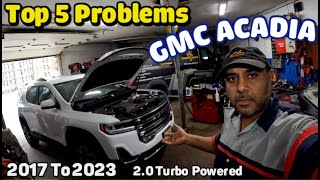
🎬 Watch: Common problems to look for on this Acadia generation.
For this specific generation of Acadia with the 2.0L LSY engine, General Motors issued Technical Service Bulletin #21-NA-257 to address this exact code across numerous vehicles using this engine. The bulletin explicitly warns technicians *not* to replace the coolant pump as the first step. The issue is so commonly related to air pockets or leaks that GM created a specific diagnostic and repair procedure focusing on finding leaks and properly bleeding the system before considering pump replacement. Another TSB for related platforms, PIT6494, identifies a degraded radiator inlet hose quick-connect seal as a specific known failure point causing coolant loss. The LSY engine uses a sophisticated 'Active Thermal Management' system with an electric, variable-speed water pump and multiple coolant flow control valves instead of a traditional thermostat, making it highly sensitive to air pockets and proper coolant level.
Diagnostic Flowchart

Tap your situation to follow the diagnostic path that matches what you're seeing on this vehicle.
Symptoms You May Notice

- Check Engine Light (Malfunction Indicator Lamp) is on.
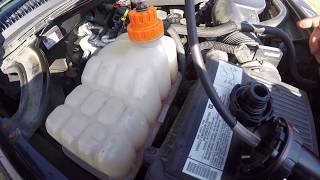
- Low coolant level in the overflow reservoir.
- Driver Information Center message such as "Reduced Acceleration Drive With Care".
- Engine cooling fan runs for an extended time after the engine is turned off.
- Visible coolant leaks or smell of coolant around the engine bay, particularly near hose connections.
- Puddle of pink/orange coolant under the vehicle.
- Coolant in reservoir appears brown and chunky (indicating possible contamination or severe degradation).
- Replacing the electric coolant pump before checking for leaks or air in the system. The official GM service bulletin explicitly advises against this, as it is rarely the root cause.
Most Likely Causes

- Air Trapped in the Cooling System 🔴 High Probability These cooling systems are sensitive to air pockets, and improper filling after service is a common trigger for this code.
How to confirm: The code appears after recent cooling system service or if no external leaks are found. A technician can confirm by performing the GM-specified vacuum bleeding procedure.
Typical fix: Professionally bleed the cooling system using a vacuum-fill tool to remove all trapped air.
Est. part cost: $0 - External Coolant Leak 🔴 High Probability → Shop Engine Coolant / Antifreeze Leaks can develop at various points, leading to a low coolant level that triggers the code. A degraded radiator inlet hose quick-connect seal has been noted in TSB PIT6494 as a specific failure point on similar GM models. Forum users report leaks from these same 'newfangled' quick-connect fittings.
How to confirm: A technician will perform a cooling system pressure test. This involves pressurizing the system and watching for a drop in pressure, which indicates a leak. 🎬 See how to perform a professional cooling system pressure test. The leak source can then be located visually, paying close attention to all hose connections.
Typical fix: Repair the source of the leak. This often involves replacing a complete hose assembly, as the seals in the quick-connect fittings are not always serviced separately. Then, refill and bleed the system.
Est. part cost: $20-$500
Rare But Worth Checking
- Failed Electric Coolant Pump Assembly: → Shop Engine Water Pump This should only be considered after all leaks have been repaired and the system has been properly bled, per GM TSB #21-NA-257. If the P3075 code returns for a second time after these steps, the pump itself is the likely culprit and should be replaced.
Diagnosis Steps
- Verify the presence of code P3075 with an OBD-II scanner.
- Visually inspect the coolant reservoir. If it is low, top it off with the correct type of coolant (DEX-COOL for GM vehicles) and see if the light stays off.
- Carefully inspect the engine bay for any obvious signs of coolant leaks (puddles, pink/orange residue, sweet smell), paying special attention to the radiator hose quick-connect fittings.
- Perform a cooling system pressure test to identify any leaks that are not immediately visible. This is the most critical step.
- Repair any leaks found during the pressure test. This could involve replacing hoses, seals, or other components.
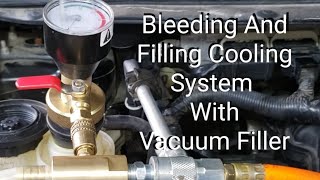
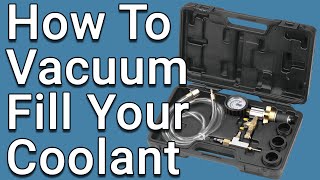
- Once all leaks are repaired, perform a full cooling system drain, fill, and bleed procedure using a vacuum-fill tool to ensure no air is trapped.
- Clear the DTC and road test the vehicle to allow the ECM's self-test to run. Note that the code may reset once until all residual air is purged. Clear the code again and re-test.
- If the code returns for a second time after the above steps have been completed correctly, the electric coolant pump assembly is the likely failure point and should be replaced.
Parts You'll Likely Need
- Coolant System Bleed / Vacuum Refill — This is a labor-based fix. Air trapped in the system is the most common cause of P3075, and a professional bleed is the required correction.
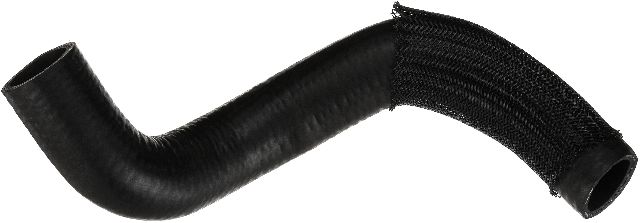
- Radiator Hose — A leaking hose, particularly at the quick-connect seal, is a common source of coolant loss that leads to this code. The specific hose will depend on the location of the leak found during a pressure test.
Trusted brands: ACDelco, Gates
OEM price range: $50-$150
Aftermarket price range: $20-$80 - Electric Coolant Pump
(OEM #12724522)— This is the part to replace only if the code returns after leaks are fixed and the system is properly bled.
Trusted brands: ACDelco
OEM price range: $400-$600
Aftermarket price range: $160-$450
Technical Service Bulletins (TSBs) & Recalls
- 21-NA-257: Malfunction Indicator Lamp (MIL) Illuminated - DTC P3075 Set. This is the primary document outlining the cause and fix for this exact vehicle and code, warning against premature pump replacement.
- PIT6494: Radiator Inlet Hose Coolant Leak. While for a different model, it describes a highly relevant failure mode (leaking quick-connect seal) that causes coolant loss and can set code P3075.
Platform-Specific Known Issues
- GM Technical Service Bulletin 21-NA-257 was issued specifically to address this code, indicating it's a known issue across many models with the LSY engine. The primary cause is identified as low coolant or air in the system, not a faulty pump.
- TSB PIT6494 for related platforms points to a degraded seal in the radiator inlet hose quick-connect fitting as a specific, documented cause of coolant leaks that can trigger P3075.
Mechanic-Grade Diagnostic Values
- Electric Coolant Pump Intrusive Test — expected: The ECM commands the pump to ~4000 RPM for 15 seconds and expects to see a specific AC current draw.. Failure: If the pump motor AC current feedback is lower than expected, it indicates a lack of coolant to move (air or low level), triggering P3075.
Scan Tool Commands That Help
- GDS2 (GM Diagnostic Software): Confirm P3075 has run and passed — After performing a repair (fixing a leak and bleeding the system), a technician must use this function to verify the intrusive diagnostic test has executed and no fault is detected before releasing the vehicle. This ensures the repair is complete and the code will not immediately return.
- GDS2 (GM Diagnostic Software): Cooling System Draining and Filling Procedure — This guided function in the service software provides the step-by-step process for properly bleeding the complex Active Thermal Management system, which is critical to preventing P3075 from reoccurring after a repair.
Wiring & Ground Locations
- F53 Underhood Fuse Block — In the main fuse block in the engine compartment.. This fuse, labeled 'Coolant Pump', supplies power to the electric coolant pump. While a blown fuse is not a common cause for P3075 (which is a performance code, not a circuit code), checking it is a basic electrical diagnostic step if the pump is suspected to be completely inoperative.
Real Owner Repair Stories
- Reddit r/MechanicAdvice (2024 GMC Acadia, 4500 miles) — Check Engine Light on, 'reduced acceleration drive with care' message, DTC P3075, low coolant level, brown and chunky coolant, cooling fan running after engine off.
❌ Tried (didn't work) The owner took the vehicle directly to the dealer for diagnosis.
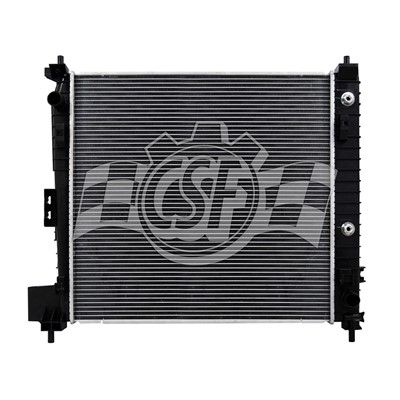
✅ What actually fixed it The dealer ordered a list of parts including a new radiator, various hoses, clamps, and seals, indicating a significant leak was found. The resolution was a comprehensive repair of the cooling system leak, not just a pump replacement.
OEM Part Supersession History
55508939, 55515497→12724522— Part number consolidation and potential design updates over the model years.
Helpful Videos
Used OEM Parts in Stock
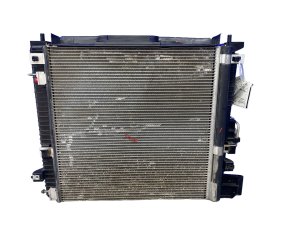
New Aftermarket Parts Available



The information in this article is provided for general reference and educational purposes only. Vehicle specifications, procedures, and part compatibility can vary by production date, trim level, and region. Always consult your vehicle's factory service manual and verify part numbers before purchasing or performing repairs. Safety-critical components such as airbags, seat belts, and braking systems should be installed by a qualified professional.
- Gmc ACADIA:
- 🧭 Diagnostic Flowchart
- 🎬 Helpful Videos
- 🛍️ Shop This Part
- What's Unique About the 2020-2022 Gmc ACADIA
- Symptoms You May Notice
- Most Likely Causes
- Rare But Worth Checking
- Diagnosis Steps
- Parts You'll Likely Need
- Technical Service Bulletins (TSBs) & Recalls
- Platform-Specific Known Issues
- Mechanic-Grade Diagnostic Values
- Scan Tool Commands That Help
- Wiring & Ground Locations
- Real Owner Repair Stories
- OEM Part Supersession History
- 🎟️ Get 5% Off