

OBD-II Code P3101: Intake Manifold Flap Motor Fault
What P3101 means, why it triggers, and how to fix it
What Does P3101 Mean?

P3101 indicates an electrical problem with the intake manifold flap motor (V157). This small door in the air intake helps the engine shut off smoothly and manages exhaust gas recirculation (EGR) flow. The engine computer detects an open or shorted circuit, meaning the motor cannot receive or send correct signals. While famous on Volkswagen and Audi diesels, this code means entirely different things on Toyota, BMW, or Nissan vehicles.
Technical definition: The official SAE/ISO definition for P3101, primarily used by Volkswagen and Audi, is "Motor for Intake Manifold Flap (V157): Open or Short to Ground". This indicates a specific electrical fault detected by the Engine Control Module (ECM) in the circuit for the intake manifold flap actuator. 🎬 Watch: A professional guide to diagnosing the V157 motor. On other manufacturers, this code refers to different systems, such as "Engine System Malfunction" on Toyota hybrids, an oil pressure sensor fault on BMWs, or an EV system communication error on a Nissan Leaf.
Can I Drive With P3101?

Yes, But With Caution. Yes, but you will experience poor acceleration and a distinct shudder when shutting the engine off. Address this promptly. The failing flap motor often shorts out and blows a 10-amp fuse shared with the radiator cooling fans. This disables your fans and causes severe engine overheating, potentially warping the cylinder head and costing over $2,000 in repairs. In rare cases, the electrical fault causes the engine to stall unexpectedly at low speeds.
Common Causes

- Failed Intake Manifold Flap Motor (V157) (Very Common) — The small electric motor (VAG part V157) that operates the flap fails internally. The plastic gears inside strip out over time, the motor seizes from wear, or the internal electronics burn out, causing an open or short circuit.
- Oil Contamination in Motor Connector (Common) — Oil from a leaking EGR valve, crankcase ventilation system, or a failing turbocharger oil seal seeps into the flap motor's electrical connector. This oil saturates and shorts out the sensitive electronics, causing the fault.
- Blown Shared Fuse (10A) (Common) — The intake flap motor shares a 10-amp fuse with the engine's radiator fans. When the motor fails and draws excessive electrical current, it blows this fuse. This triggers the P3101 code and disables the cooling fans.
- Heavy Carbon Buildup (Less Common) — Soot and carbon from the EGR system build up around the flap, physically jamming it. When the motor tries to move the stuck flap, it strains, draws excessive current, and burns out.
- Damaged Wiring or Connectors (Less Common) — The wiring harness leading to the intake flap motor frays, breaks, or corrodes due to engine heat and vibration. A bad connection at the plug, such as a bent or corroded pin, causes the open circuit error.
- Failed Oil Pressure Sensor (BMW Specific) (Rare) — On BMW N20/N55 engines, code '1C3101' indicates a faulty engine oil pressure and temperature sensor sending implausible readings, such as high pressure before the engine starts.
- Faulty Engine Control Module (ECM) (Very Rare) — The driver circuit within the computer that controls the flap motor fails, sending an incorrect signal. Consider this only after exhaustively ruling out the motor and wiring.
Symptoms

- Check Engine Light is On — The Malfunction Indicator Lamp (MIL) on the dashboard illuminates immediately upon detecting the fault.
- Engine Shudders Violently When Shutting Off — Instead of turning off smoothly, the engine shakes or shudders. The V157 flap fails to close during shutdown 🎬 Watch: See how a healthy V157 motor should cycle. to cut off the air supply.
- Cooling Fans Not Working / Engine Overheating — If the flap motor shorts out and blows its shared 10-amp fuse, the radiator cooling fans lose power, causing the engine to overheat in stop-and-go traffic.
- Poor Acceleration or Power Loss — The car feels sluggish, bogs down, or lacks power when trying to accelerate at highway speeds above 60 mph.
- Flashing Glow Plug Light — On diesel models, this fault is accompanied by a flashing glow plug light on the dashboard in addition to the Check Engine Light.
- Engine Stalls or Dies While Driving — A severe electrical short in the V157 motor disrupts the engine's control system, causing the engine to shut down unexpectedly at low speeds.
Common Fixes & Costs
- Replace Intake Flap Motor (V157) and Blown Fuse 🎬 See this step-by-step replacement walkthrough for the 2.0 TDI. — Parts: $155-$355, Labor: $150-$225, ~1.2 hr book time (Intermediate)
- Replace Intake Flap Motor and Leaking EGR Valve — Parts: $350-$450, Labor: $375-$450, ~2.8 hr book time (Professional)
- Clean Carbon from Intake Manifold and Flap — Parts: $20-$50, Labor: $600-$750, ~4.5 hr book time (Professional)
- Repair Damaged Wiring or Clean Connector — Parts: $5-$25, Labor: $150-$300, ~1.5 hr book time (Intermediate)
- Replace 12V Battery and Clear Codes (Nissan Leaf) — Parts: $150-$250, Labor: $0-$100, ~0.5 hr book time (DIY)
Used vs. New Parts: Buying Guide
When a used part is worth it: Because the V157 motor fails due to internal wear (plastic gears, electronics), buying a used part is not recommended. The savings are minimal compared to the risk of the used part failing quickly. It only makes sense if the budget is extremely tight and the part comes from a verifiable low-mileage donor.
Donor-vehicle mileage cap: roughly under 50000 miles for the part to have meaningful remaining life.
Donor quality checklist:
- Verify the exact part number, as several revisions exist (e.g., 03L128063T supersedes 'R', 'K', 'G').
- Inspect the electrical connector for any signs of oil contamination, which indicates it was on an engine with a leak.
- Avoid parts with visible corrosion or damage to the housing or actuator arm.
Decision logic:
- If The cost of a new aftermarket part (e.g., Pierburg, Febi) is under $250 → Buy new. The warranty and assurance of fresh internal components are worth the cost.
- If The vehicle is high-mileage (>150k miles) and you plan to sell it soon → A low-cost used part is a justifiable short-term gamble, but expect a limited lifespan.
- If The part has a known wear-out failure mode like this one (internal plastic gears and motor brushes) → Strongly favor a new part from a reputable OEM or aftermarket brand.
Warranty tradeoff: Used parts offer a 30-90 day warranty at best. New aftermarket parts come with a 1-2 year warranty. A new OEM part provides the longest peace of mind but at the highest cost.
Worst-case if a used part fails: 300-500 if a used part fails soon after installation, as you pay for the replacement part and labor a second time.
What Happens If You Wait — Timeline
- 0-1 month: Code P3101 is set, and the Check Engine Light comes on. The primary symptom is a noticeable shudder when the engine is turned off. Performance and MPG are generally unaffected. (MPG impact: 0-1%% · Added cost: $0)
- 1-3 months: The internal motor failure progresses to a dead short. It draws excessive current, blowing the 10A fuse shared with the radiator fans. The cooling fans are disabled, and the engine temperature spikes in traffic. (MPG impact: 1-3%% · Added cost: $0-$50)
- 3-6 months (if driven with overheating): Repeatedly driving in traffic with non-functional cooling fans causes severe engine overheating. This heat warps the cylinder head or blows the head gasket, leading to coolant and oil mixing. (MPG impact: 5-10%% · Added cost: $1500-$3000)
- 6+ months (worst-case scenario): A catastrophic overheating event occurs, causing the cylinder head to crack or the engine block to warp beyond repair. The engine requires a complete replacement. (MPG impact: N/A% · Added cost: $5000-$8000)
Cost of Not Fixing It
- Immediate: Engine shudders during shutdown. Annoying, but not directly damaging. (Added cost: 0)
- 0-1 month: If the motor shorts and blows the shared fuse, the radiator fans fail, leading to engine overheating in traffic. This warps the cylinder head or blows the head gasket. (Added cost: 1500-3000)
- 1-6 months: Continued driving with a malfunctioning flap accelerates carbon buildup in the intake manifold, reducing performance and fuel economy. (Added cost: 600-750)
- 6+ months: Severe overheating from disabled fans leads to catastrophic engine failure, requiring a complete engine replacement. (Added cost: 5000-8000)
Diagnosis Steps
- Read the Fault Codes
Use an OBD-II scanner to confirm P3101 is the active code. Look for related codes like P0691 (Fan 1 Control Circuit Short to Ground), which confirms the shared fuse is blown.
Tools: OBD-II Scanner (Beginner) - Check the 10A Cooling Fan Fuse
Locate the engine bay fuse box. Find the 10A fuse for the engine control components or radiator fans (often slot F8 on VWs). Pull the fuse and check if the metal strip inside is broken. A blown fuse confirms the V157 motor has shorted internally.
Tools: Fuse Puller or Pliers (Beginner) - Visually Inspect the Flap Motor Connector
Locate the intake manifold flap motor (V157). Unplug its electrical connector and inspect for engine oil inside the connector or on the pins. Oil wicking into the electronics is a primary failure mode.
Tools: Flashlight (Beginner) - Observe Flap Actuation on Engine Shutdown
Have a helper turn the engine on and then off while you watch the actuator arm on the flap motor. You must see it move as the engine is turned off. If it doesn't move, the motor is dead or the flap is seized.
Tools: None (Intermediate) - Check for a Mechanically Seized Flap
With the engine off, remove the three T30 Torx bolts holding the motor to the intake manifold. Try to move the flap plate inside the manifold with your finger. It must move freely. If it is stuck, it is jammed with carbon.
Tools: Torx Socket Set (T30) (Intermediate) - Perform an Output Test with a Scan Tool
Use an advanced scan tool (like VCDS) to run an "Output Test" on the V157 motor. This commands the motor to cycle on demand. If the motor clicks, buzzes, or fails to move, replace it.
Tools: Advanced Bi-Directional Scan Tool (Advanced) - Check for Power and Ground at the Connector
With the motor unplugged and the ignition on, use a multimeter to verify power and ground. On the V157's 4-pin connector, check for 12V+ between Pin 1 and Pin 4. A lack of voltage points to a wiring or ECM issue.
Tools: Multimeter (Advanced) - Test the Motor's Internal Resistance
With the motor unplugged, set your multimeter to measure resistance (Ohms). Check the resistance between Pins 1 and 4. An open circuit (infinite resistance) means a break inside the motor, and zero resistance indicates a direct short.
Tools: Multimeter (Advanced) - Analyze Scan Tool Live Data
Using VCDS, go to Engine -> Measuring Blocks -> Group 121. Observe the specified vs. actual position. A healthy motor shows the actual value closely tracking the specified value as it cycles. A large discrepancy indicates a fault.
Tools: Advanced Bi-Directional Scan Tool (Advanced) - Test BMW Oil Pressure Sensor
For BMW code 1C3101, with the ignition on but engine off, use a scan tool to read the oil pressure sensor's live data. A healthy sensor reads 0 PSI. A reading significantly above zero confirms a faulty sensor.
Tools: Scan Tool with Live Data, Multimeter (Advanced)
When This Code Triggers (Freeze-Frame Conditions)
- Engine Coolant Temp: Below 122°F (50°C) (During a cold start, when the ECU performs initial system checks.)
- RPM: 0 RPM (Ignition On, Engine Off) (The ECU tests the flap motor by cycling it when the ignition is turned on before the engine starts.)
- Vehicle Speed: 0 mph (The code sets during the engine shutdown sequence, where the flap is commanded to close to prevent shudder.)
- Engine Load: N/A (The fault is detected during a self-test at key-on or key-off, rather than under a specific load condition.)
How to Clear the Code After You Fix It
- Use an OBD-II scan tool to clear the fault codes after the repair is complete.
- For VW/Audi, perform a 'Basic Setting' of the new V157 motor using an advanced scan tool like VCDS (Group 03, Block 060).
- Perform a complete drive cycle to ensure all readiness monitors are set to 'Ready'.
Drive cycle (~20 minutes): A common VW drive cycle involves a cold start (coolant temp below 122°F), a 2-3 minute idle, 7 minutes of driving at 45-55 mph, followed by 5 minutes of cruising at 60-65 mph, and a final 3-minute idle before shutdown.
Readiness monitors affected: EGR System, Oxygen Sensor (O2S), Catalyst (CAT), EVAP System
Before emissions retest: drive at least 50 miles to fully set monitors.
Watch out for:
- Clearing the code without fixing the shorted motor results in the code returning immediately.
- Failing to perform the Basic Setting/Adaptation for a new V157 motor on a VW/Audi causes it to function improperly and re-trigger a fault.
- Not allowing the vehicle to cool down completely before starting the drive cycle prevents the O2 sensor heater monitor from running.
Will This Fail Emissions / State Inspection?
Yes — this code typically fails an OBD-II emissions inspection.
- California: An active Check Engine Light results in an automatic smog check failure. After repairs, a full drive cycle is required to set all readiness monitors before a re-test is possible.
- New York: The NYS DMV inspection includes an OBD-II scan. An illuminated Malfunction Indicator Lamp (MIL) for a code like P3101 is an automatic failure.
- Texas: In counties requiring emissions testing, an active P3101 code causes an automatic failure. The vehicle's computer must report the MIL status as 'OFF' and have the required readiness monitors set to 'Ready'.
Real Owner Stories
2006 VW Touran 2.0 TDI with multiple codes
The owner bought the car with a known electrical issue. While driving, the engine management light and glow plug light came on, and a scan revealed P3102 (No Signal from V157) and a fan control circuit code.
What they tried:
- The owner replaced a faulty crankshaft sensor, which cleared one code, but the P3102 and fan circuit codes remained.
- Upon inspecting the V157 motor, he found the flap was completely seized and would not move.
- He replaced the V157 motor, but the codes persisted. Further investigation revealed a blown 10-amp fuse in the engine bay shared by the V157 motor and the cooling fans.
Outcome: After replacing both the seized V157 motor and the blown 10A fuse, all fault codes cleared, and both the intake flap and the cooling fans began working correctly.
Lesson: A P3101 or P3102 code is frequently linked to a blown fuse. The seized motor draws too much current and blows the fuse, disabling the cooling fans. Always check the fuse first, but understand you must replace the faulty motor to prevent the new fuse from blowing.
2008 VW Touareg 2.5 TDI with oil contamination
An engine management light came on, and a scan showed code P3101. A warranty service center diagnosed an oil-flooded throttle control valve (V157) caused by a leaking EGR valve.
What they tried:
- A second mechanic confirmed the V157 motor's electrical connector was full of oil, bubbling out when unplugged.
- The mechanic disassembled and cleaned both the V157 motor and the EGR valve with a solvent, clearing out all oil and carbon.
- After reassembly, the code cleared but returned on a road test. The mechanic suspected a leaking turbocharger oil seal was the true source of the oil.
Outcome: Cleaning the V157 motor provided only a temporary solution. The code returned because the root cause of the oil leak was not addressed.
Lesson: If the V157 connector is full of oil, you must identify the source of the leak. It is usually a leaking EGR valve or a failing turbocharger seal. Cleaning or replacing the V157 motor without fixing the oil leak guarantees a repeat failure.
2015 BMW F30 with N55 Engine and a shadow code
The owner experienced no symptoms, but a scan revealed a recurring shadow code: '1C3101 - Engine oil pressure sensor, plausibility: pressure before engine start too high'.
What they tried:
- The owner suspected an oil overfill from a recent oil change but ruled it out.
- Forum members suggested the oil pressure sensor itself was the likely culprit, as they are known to fail and send implausible readings.
- Another user with the same code reported their sensor was leaking oil through its body into the electrical connector.
Outcome: The diagnosis pointed to a failing oil pressure sensor. The fix required replacing the sensor and cleaning oil from the electrical connector.
Lesson: On a BMW, P3101 (manufacturer code 1C3101) has nothing to do with an intake flap. It points directly to a problem with the oil pressure sensor circuit. Inspect the sensor and its connector for leaks or damage.
Nissan Leaf with multiple warning lights and no-start condition
A Nissan Leaf owner found their car would not engage 'Drive'. Multiple warning lights illuminated, and a scan with LeafSpy showed several DTCs, including P3101.
What they tried:
- The owner posted the codes on a forum, asking if the 12V battery could be the cause.
- Community members responded that the collection of seemingly unrelated codes was a classic symptom of a dead 12V auxiliary battery.
Outcome: The consensus was that the 12V battery needed replacement. On the Leaf, a weak 12V battery causes widespread communication glitches between modules on startup, triggering 'ghost codes' like P3101.
Lesson: On a Nissan Leaf, P3101 is an 'EV System Malfunction' code. If it appears with unrelated codes and warning lights, test and replace the 12V auxiliary battery before chasing other diagnoses.
How to Prevent This Code From Triggering
- Install an Oil Catch Can (Once) — On direct-injection engines, the crankcase ventilation (PCV) system routes oil vapors into the intake. An oil catch can traps the oil before it mixes with EGR soot to form carbon deposits, keeping the intake manifold clean and preventing oil contamination of the V157 motor.
- Perform periodic 'Italian Tune-Up' (Monthly) — Frequent short trips at low RPMs contribute to carbon buildup. Driving the car at higher RPMs on the highway increases exhaust gas temperature, burning off soft carbon deposits from the intake and EGR system before they harden.
- Regularly Service the EGR System (Every 40,000-60,000 miles) — The EGR system is the primary source of soot that clogs the intake. Cleaning the EGR valve prevents it from sticking or leaking. A leaking EGR valve seal is a primary cause of oil contamination that destroys the V157 motor.
- Use Low-SAPS Engine Oil (Every oil change) — Use only the manufacturer-specified Low-SAPS (Sulphated Ash, Phosphorus, and Sulphur) engine oil. These oils produce fewer deposits when burned, reducing the rate of carbon buildup throughout the emissions system and intake manifold.
Helpful Videos
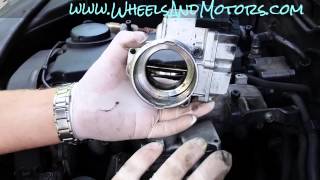
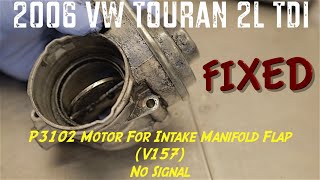

Shop the Parts Behind P3101
Below are the parts most often responsible for code P3101, ranked by how frequently each one is the actual culprit (per the diagnosis above). Tap any to see what we have for your vehicle.



The information in this article is provided for general reference and educational purposes only. Vehicle specifications, procedures, and part compatibility can vary by production date, trim level, and region. Always consult your vehicle's factory service manual and verify part numbers before purchasing or performing repairs. Safety-critical components such as airbags, seat belts, and braking systems should be installed by a qualified professional.
- 🎬 Helpful Videos
- 🛍️ Shop This Part
- What Does P3101 Mean?
- Can I Drive With P3101?
- Common Causes
- Symptoms
- Common Fixes & Costs
- Used vs. New Parts: Buying Guide
- What Happens If You Wait — Timeline
- Cost of Not Fixing It
- Diagnosis Steps
- When This Code Triggers (Freeze-Frame Conditions)
- How to Clear the Code After You Fix It
- Will This Fail Emissions / State Inspection?
- Real Owner Stories
- 2006 VW Touran 2.0 TDI with multiple codes
- 2008 VW Touareg 2.5 TDI with oil contamination
- 2015 BMW F30 with N55 Engine and a shadow code
- Nissan Leaf with multiple warning lights and no-start condition
- How to Prevent This Code From Triggering
- 🎟️ Get 5% Off