

P3190 on 2013-2018 Toyota Avalon Hybrid: 'Poor Engine Power' Causes and Fixes
On a 2013-2018 Avalon Hybrid, P3190 means the gasoline engine failed to start or run correctly. The most common cause is simply running out of fuel. If the tank has gas, the next most likely cause is a dirty Mass Air Flow (MAF) sensor, which is an easy and inexpensive cleaning job.
- P3190 means the gasoline engine failed to run properly. It is not a hybrid battery problem.
- Before any other diagnostics, put 2-3 gallons of fresh gasoline in the tank. This is the most common fix.
- If fuel isn't the issue, inspect the air intake hose for a secure connection and clean the Mass Air Flow (MAF) sensor.
- Do not repeatedly try to start the car. This will drain the high-voltage battery, leaving you stranded and making diagnosis more difficult and expensive.
What's Unique About the 2013-2018 Toyota Avalon Hybrid
The 2013-2018 Avalon Hybrid uses the same reliable 2AR-FXE powertrain found in the Camry Hybrid and Lexus ES300h. This engine was purpose-built for hybrid duty, designed to handle frequent start-stop cycles that can cause wear in conventional engines. For this code, the platform's behavior is straightforward: the hybrid system is very sensitive to the gasoline engine's performance. Any failure of the engine to start immediately and run smoothly will trigger this code to protect the high-voltage battery from 🎬 Watch: Diagnosing P3190 and P0A0F no-start codes being drained by repeated failed start attempts. The most frequent 'gotcha' for owners is running out of gas, as the car can still move briefly on battery power, masking the empty tank.
Symptoms You May Notice
- "Check Hybrid System" message on the dashboard
- Engine fails to start or stalls immediately after starting.
- Vehicle will not go into 'Ready' mode
- Vehicle operates only in electric (EV) mode for a very short time before shutting down
- Master Warning Light (red triangle) is illuminated
- Engine runs rough or vibrates excessively
- Replacing the high-voltage hybrid battery. P3190 is an engine performance code, not a hybrid battery code. Repeatedly trying to start the car can drain the HV battery, causing secondary battery codes (like P0A80) and leading to a costly and incorrect diagnosis. The low HV battery is a symptom of the engine not running, not the cause of the problem.
Most Likely Causes
- Out of Fuel 🔴 High Probability The vehicle can run silently on the hybrid battery for a short distance, which can make an owner unaware that the gasoline engine is off because the tank is empty. Fuel gauges can also become less accurate over time.
How to confirm: Check the fuel gauge. If it shows low or empty, add at least 2-3 gallons of fresh gasoline. This is the number one cause.
Typical fix: Refill the fuel tank.
Est. part cost: $10-$20 (for fuel) - Dirty Mass Air Flow (MAF) Sensor 🟡 Medium Probability → Shop Fuel Injection Air Flow Meter Oil from aftermarket air filters or fine dust can coat the delicate sensor wires, causing incorrect air measurement and preventing the engine from starting.
How to confirm: Disconnect the sensor's electrical connector, located on the air filter housing. If the engine then starts and idles (though poorly), the MAF is almost certainly the culprit. Visually inspect the sensor wires for a film of dirt or oil.
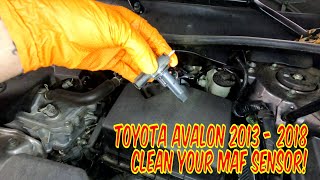
Typical fix: Clean the sensor with a dedicated MAF sensor cleaner spray. Do not touch the wires. Let it dry completely before reinstalling. 🎬 See how to locate and clean the MAF sensor
Est. part cost: $10-$15 (for cleaner) - Loose or Disconnected Air Intake Hose 🟡 Medium Probability This often occurs after an air filter replacement or other service where the airbox was opened. The large hose between the air filter box and the throttle body can be left loose or completely disconnected, creating a massive vacuum leak.
How to confirm: Visually inspect the entire air intake tract from the air filter box to the engine. Ensure all clamps are tight and hoses are properly seated.
Typical fix: Reconnect the hose and tighten the clamp.
Est. part cost: $0 - Failed In-Tank Fuel Pump ⚪ Low Probability → Shop Fuel Pump
How to confirm: With the ignition on, listen for a humming sound from the rear seat area, which indicates the pump is priming. For a definitive test, connect a fuel pressure gauge to the fuel rail; pressure should meet the manufacturer's specification. A technician can also observe fuel pump command and current draw with a scan tool.
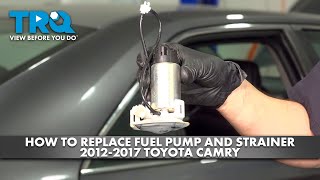
Typical fix: Replace the fuel pump assembly, which is located inside the fuel tank under the rear seat. 🎬 Watch: Step-by-step fuel pump replacement guide
Est. part cost: $200-$450 - Dirty Throttle Body ⚪ Low Probability → Shop Fuel Injection Throttle Body
How to confirm: Remove the air intake hose connected to the throttle body and inspect the throttle plate and bore for heavy carbon buildup, which can restrict airflow at idle.
Typical fix: Clean the throttle body bore and plate with a dedicated throttle body cleaner and a soft cloth. Do not force the plate open on an electronic throttle body; turn the ignition on to have a helper press the gas pedal.
Est. part cost: $10-$15 (for cleaner)
Rare But Worth Checking
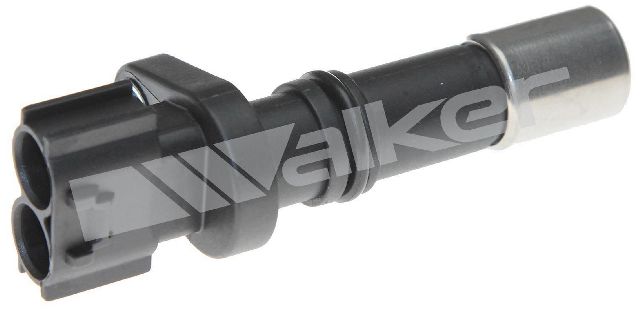
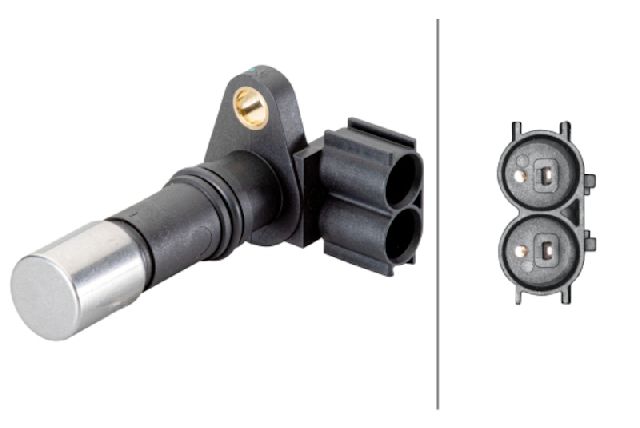
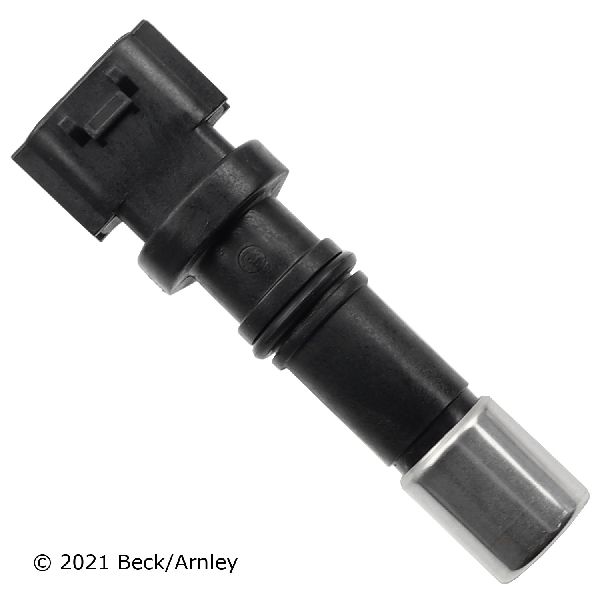
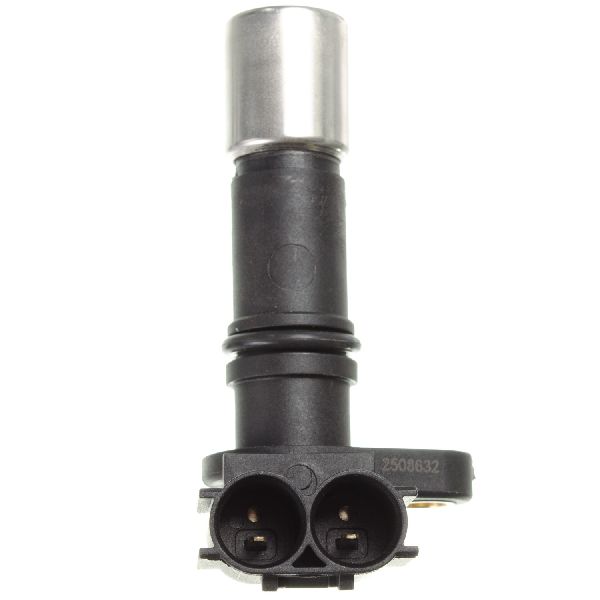
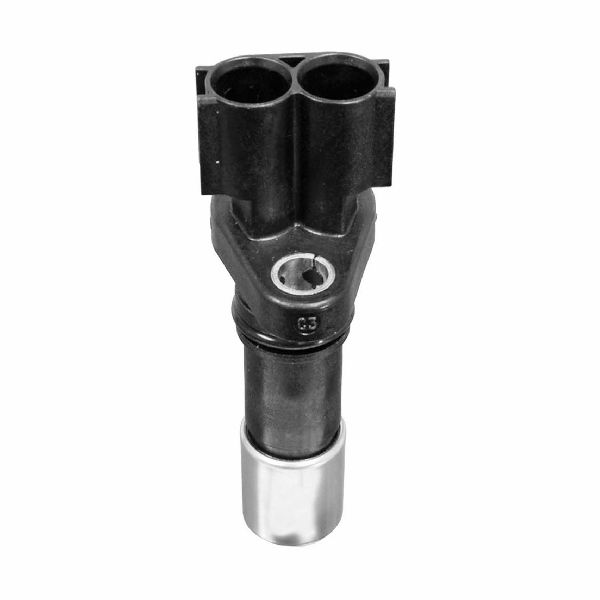
- Failed Crankshaft Position Sensor: While not as common as fuel or air issues, a failed crankshaft sensor will prevent the engine from starting by not sending a rotational signal to the ECU, leading directly to a P3190 or P3191 code.
- Clogged Fuel Injectors: Poor quality fuel or high mileage can lead to clogged injectors, preventing proper fuel delivery to one or more cylinders. This can cause a rough run condition that is severe enough to trigger P3190.
- Engine Mechanical Failure: In very rare cases, a severe internal issue like low compression, incorrect timing chain position, or a jumped timing chain could prevent the engine from starting and set this code.
Diagnosis Steps
- Verify the fuel level. Add 2-3 gallons of fresh fuel, even if the gauge doesn't read empty. This is the most common fix and the first thing you should do.
- Scan for all OBD-II codes. Pay close attention to companion codes like P0A0F, P0101, or P3191, as they provide valuable clues. Freeze frame data can show the engine conditions when the fault occurred.
- Inspect the entire air intake system. Check that the air filter is clean and that the intake tube is securely clamped at both the airbox and the throttle body. A leak here is a common cause after recent service.
- Inspect and clean the Mass Air Flow (MAF) sensor. Unplug it, remove the two screws holding it in, and spray it thoroughly with dedicated MAF sensor cleaner. Let it dry completely before reinstalling.
- As a quick test, you can try to start the engine with the MAF sensor unplugged. If it starts and runs (even poorly), this strongly points to a faulty MAF sensor.
- Inspect the throttle body for carbon buildup. If dirty, clean it with throttle body cleaner.
- If the engine still won't start, check for fuel pressure. Listen for the pump to prime when the car is turned on. If possible, use a fuel pressure gauge to verify correct pressure.
- Check for spark. Use a spark tester to confirm that the ignition coils are firing.
- If all else fails, the issue may be more complex, such as a failed crankshaft sensor, clogged fuel injectors, or an ECU problem, and may require professional diagnosis.
Parts You'll Likely Need
- Mass Air Flow (MAF) Sensor Cleaner — Often, the MAF sensor is just dirty, not broken. Cleaning it is a cheap and effective first step before replacing any parts.
Trusted brands: CRC, WD-40 Specialist
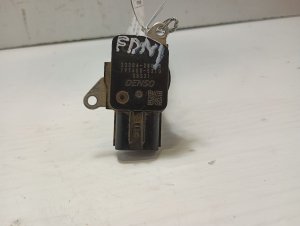
Aftermarket price range: $10-$15 - Mass Air Flow (MAF) Sensor
(OEM #22204-37010)— If cleaning the sensor does not resolve the issue, the sensor itself may have failed. Denso is the original equipment manufacturer.
Trusted brands: Denso, Hitachi
OEM price range: $120-$160
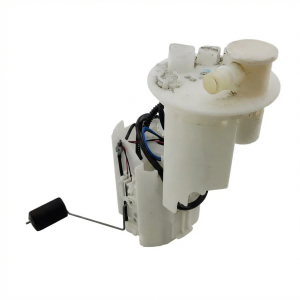
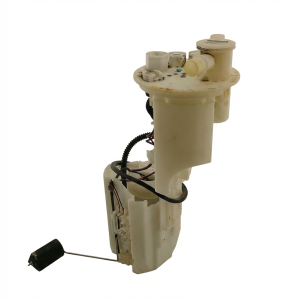
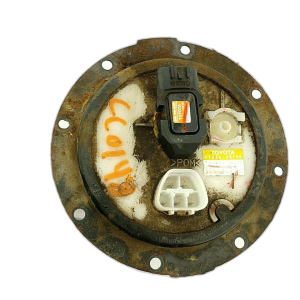
Aftermarket price range: $50-$90 - Fuel Pump Assembly
(OEM #77020-06305)— If the vehicle is confirmed to have fuel but is not getting pressure to the engine, the in-tank fuel pump is a likely culprit. Denso is the OEM supplier.
Trusted brands: Denso, Aisin
OEM price range: $350-$500
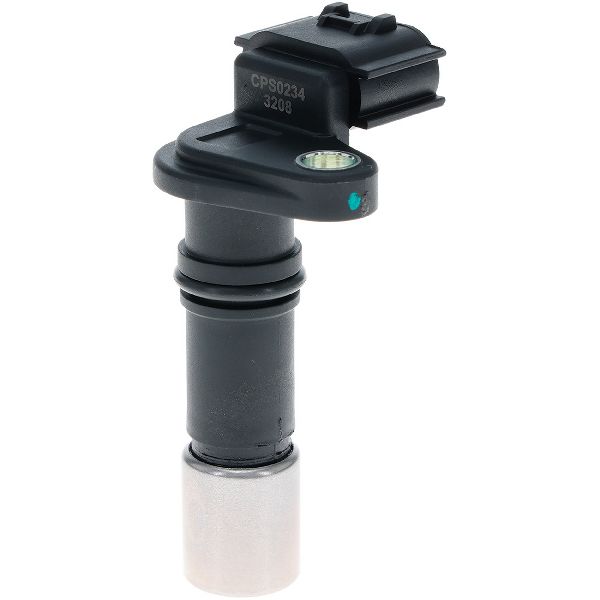
Aftermarket price range: $150-$300 - Crankshaft Position Sensor
(OEM #90080-19024)— If fuel and air systems are confirmed to be working, this sensor's failure can prevent the ECU from timing spark and fuel injection, causing a no-start condition.
Trusted brands: Denso
Related Codes That Often Appear With This One
- P0A0F — This code means 'Engine Failed to Start' and is often set alongside P3190 as it describes the event that led to the 'Poor Engine Power' detection.
- P3191 — A more specific version of P0A0F, this Toyota code for 'Engine Does Not Start' is a very common companion to P3190.
- P0101 — This code for 'Mass Air Flow Sensor Range/Performance' points directly to a dirty or faulty MAF sensor, a primary cause of P3190.
- P0171 — 'System Too Lean' can be triggered by a vacuum leak (like a disconnected intake hose) or a fuel delivery problem, both of which are root causes for P3190.
- P3193 — This code for 'Fuel Run Out' is set when the system determines the engine stalled due to an empty fuel tank, often appearing with P3190.
Mechanic-Grade Diagnostic Values
- Low-Side Fuel Pressure — expected: 304 to 343 kPa (44 to 50 psi). Failure: Pressure below this range indicates a failing fuel pump or clogged filter.
- Mass Air Flow (MAF) Sensor Reading at Idle — expected: 2 to 7 grams/second (g/s). Failure: Readings significantly outside this range, or readings that do not increase with RPM, suggest a faulty or dirty sensor.
- Mass Air Flow (MAF) Sensor Reading at 2500 RPM — expected: 15 to 25 grams/second (g/s). Failure: A reading that does not increase linearly from idle or falls outside this range indicates a problem.
- Crankshaft Position Sensor Resistance — expected: 985 to 1,600 Ω (Cold); 1,265 to 1,890 Ω (Hot). Failure: A reading outside this range indicates a failed sensor.
Scan Tool Commands That Help
- Toyota Techstream: Active Test: Control the Fuel Pump / Speed — This command, found under the 'Powertrain / Engine and ECT' menu, manually activates the fuel pump. It is crucial for diagnosing a no-start condition to confirm the pump is functional and to prime the fuel system after running out of fuel or replacing components. In some cases, simply running this utility multiple times has restored fuel pressure.
Wiring & Ground Locations
- 12V Auxiliary Battery — Located in the trunk, concealed by a plastic cover on the passenger side in the rear quarter panel well.. While P3190 is an engine code, a weak 12V battery can cause various electronic issues, including problems with the engine control systems. Ensuring the 12V battery is healthy is a fundamental step in diagnosis.
- Engine Ground Points — A key ground point for the engine control system is located on the left fender apron, down from the main fuse box.. A loose or corroded ground connection for the ECM or related sensors (like the MAF or crankshaft sensor) can cause erratic signals or a complete loss of function, directly leading to a no-start condition and P3190.
Real Owner Repair Stories
- Torque News article citing a personal experience (Toyota Prius (similar hybrid system)) — Car would not start, displaying codes P0A0F and P3190.
❌ Tried (didn't work) Initial diagnosis pointed towards complex sensor or ECU issues.
✅ What actually fixed it Found physical debris (a dead bee) inside the MAF sensor housing. Removing the debris with tweezers and cleaning the sensor with MAF cleaner resolved the codes and restored normal operation. - YouTube user comment (Toyota Prius (similar hybrid system)) — P3190 and P0A0F codes, no-start condition after replacing the fuel pump.
❌ Tried (didn't work) Replacing the fuel pump.
✅ What actually fixed it The issue was finally resolved after replacing the Camshaft sensor, two Coolant Temperature sensors, and the Crankshaft sensor. The car started immediately after these parts were replaced.
OEM Part Supersession History
77020-06305→77020-06306— Standard part revision and update by the manufacturer.22204-28010→22204-37010— Part update for newer model years, but remains backward compatible.
Diagnostic Flowchart
Other Known Issues on This Vehicle
Issues unrelated to this code that are worth knowing about as an owner of this generation:
- Minor Oil Consumption 🟠 Medium — More common on higher-mileage (100k+ miles) vehicles or those with neglected maintenance. Sticking piston rings from infrequent oil changes are a primary cause.
- Water Pump Leak/Failure 🟡 Low — Considered a weak point, though not extremely common. May fail before 100,000 miles, presenting as a coolant leak or rattling noise.
- Cold Start VVT Rattle 🟡 Low — A brief rattling noise from the engine on cold starts may indicate noisy VVTi cam phasers. It is generally not considered a critical failure but can be addressed by replacing the phasers.
- Airbag ECU Malfunction Recall 🔴 High — Affects 2012-2018 models. The airbag ECU can malfunction in a crash, potentially disabling airbag and seatbelt pretensioner deployment. (Ref: Recall 20V024000)
- Front Sway Bar Bushing Squeak 🟡 Low — A common issue, especially in cold weather, causing a squeaking noise from the front suspension. Updated bushings and brackets are available to fix it.
Used vs. New Parts: Buying Guide for This Vehicle
When a used part is the smart pick: For this repair, obtaining used parts is generally not recommended for electronic components like sensors. However, larger mechanical assemblies like the air filter housing or intake ducting are perfectly suitable to source from a salvage yard if they are physically damaged.
Donor-vehicle mileage cap: roughly under 80000 miles for the part to have meaningful remaining life.
What to inspect on the donor part:
- For any electronic part, verify the donor vehicle was not in a flood.
- Check for a clear return policy from the salvage yard.
- For MAF sensors, visually inspect the sensor elements for physical damage or contamination before purchase, though this is difficult.
- For fuel pumps, there is no reliable way to inspect a used unit; it is a high-risk purchase.
OEM-only on this vehicle (don't cheap out):
- Mass Air Flow (MAF) Sensor
- Crankshaft Position Sensor
- Fuel Pump Assembly
Aftermarket brands forum-validated for this vehicle:
- Denso (for MAF Sensor, Fuel Pump, Crankshaft Sensor - as they are the Original Equipment Manufacturer)
- Aisin (for Fuel Pump)
Brands owners have reported issues with on this vehicle:
- Unbranded, 'white-box' sensors from online marketplaces. These frequently have high failure rates or incorrect calibration, which can cause persistent issues or even damage to the engine.
Real Owner Stories
Aggregated from forums and TSBs cited above. Mileages and costs reflect what owners reported in those sources.
2015 Toyota Camry Hybrid 2AR-FXE
Symptoms: Engine failed to start and exhibited poor power; codes P3190 and P0A0F were present.
What fixed it: The technician traced the issue to a clogged fuel filter located within the fuel pump assembly.
Source hint: YouTube: Codes P3190 & P0A0F | Engine failed to start / engine poor power | Toyota Camry Hybrid 2015
2014 Toyota Avalon Hybrid 2AR-FXE
Symptoms: Randomly, 1-2 times a month, the vehicle won't start or get to the 'ready' state. Multiple lights and messages appear, including 'Check Hybrid System'.
What fixed it:
Source hint: youtube_comment from mr24shoe
Related OBD-II Codes
Frequently Asked Questions
My 2014 Avalon Hybrid won't enter 'Ready' mode and shows a 'Check Hybrid System' message; could this be related to the airbag recall?
Is there a specific TSB for the rattling noise I hear on cold starts in my 2015 Avalon Hybrid?
Could a dirty air filter cause the P3190 code on my 2013-2018 Avalon Hybrid?
My fuel gauge shows a quarter tank, but my Avalon Hybrid won't start and threw code P3190. Should I trust the gauge?
Can I clean the Mass Air Flow (MAF) sensor myself to fix a P3190?
Is the water pump a common failure point on the 2AR-FXE engine in the Avalon Hybrid?
Helpful Videos

Used OEM Parts in Stock
New Aftermarket Parts Available

The information in this article is provided for general reference and educational purposes only. Vehicle specifications, procedures, and part compatibility can vary by production date, trim level, and region. Always consult your vehicle's factory service manual and verify part numbers before purchasing or performing repairs. Safety-critical components such as airbags, seat belts, and braking systems should be installed by a qualified professional.
- Toyota Avalon Hybrid:
- 🧭 Diagnostic Flowchart
- 🎬 Helpful Videos
- 🛍️ Shop This Part
- What's Unique About the 2013-2018 Toyota Avalon Hybrid
- Symptoms You May Notice
- Most Likely Causes
- Rare But Worth Checking
- Diagnosis Steps
- Parts You'll Likely Need
- Related Codes That Often Appear With This One
- Mechanic-Grade Diagnostic Values
- Scan Tool Commands That Help
- Wiring & Ground Locations
- Real Owner Repair Stories
- OEM Part Supersession History
- Other Known Issues on This Vehicle
- Used vs. New Parts: Buying Guide for This Vehicle
- Real Owner Stories
- 2015 Toyota Camry Hybrid 2AR-FXE
- 2014 Toyota Avalon Hybrid 2AR-FXE
- Related OBD-II Codes
- Frequently Asked Questions
- 🎟️ Get 5% Off