

P3190 on 2012-2017 Toyota Camry Hybrid: 'Poor Engine Power' Causes and Fixes
On a 2012-2017 Camry Hybrid, P3190 means the gasoline engine failed to start or run. The most common cause is simply running out of fuel, as the car can run briefly on battery, masking the issue. If the tank is full, the next most likely culprit is a dirty Mass Air Flow (MAF) sensor, a ~$15 cleaning job with a 1/5 DIY difficulty. A loose air intake hose after a filter change is another common, simple-to-fix cause.
- P3190 means your gasoline engine failed to start or run; it is NOT a hybrid battery failure code.
- Before any other diagnosis, add 2-3 gallons of fresh gasoline to the tank. This is the most common fix.
- If fuel isn't the issue, the next step is to clean the Mass Air Flow (MAF) sensor with dedicated cleaner.
- DO NOT repeatedly try to start the car. This will drain the high-voltage battery, stranding the vehicle and leading to more complex and expensive repairs.
- This code is often accompanied by P0A0F ('Engine Failed to Start'), which is normal and points to the same underlying engine problem.
What's Unique About the 2012-2017 Toyota Camry Hybrid
The hybrid system is what makes P3190 unique on the Camry Hybrid. Because the vehicle can move using only the high-voltage battery, a driver might not immediately notice that the gasoline engine has a problem (like being out of fuel). The car will continue to operate on battery power until the battery is depleted, at which point the engine's failure to start becomes obvious, triggering the P3190 code. This sequence of events makes 'running out of fuel' a surprisingly common cause for this code on hybrids, far more so than on conventional vehicles. Repeatedly trying to start the engine without resolving the underlying issue will drain the HV battery, complicating diagnosis.
Symptoms You May Notice
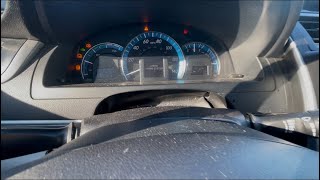
- Check Engine Light and Master Warning Light are on
- "Check Hybrid System" message on the dashboard
- Vehicle has very little or no power (limp mode)
- Gasoline engine fails to start, or starts briefly and then stalls
- Vehicle runs on battery power only until the battery is depleted
- The 'Ready' light may flash or not illuminate
- Engine may idle roughly or misfire under load
- Replacing the high-voltage hybrid battery. P3190 is a gasoline engine code, not a hybrid battery code. Draining the hybrid battery by repeatedly trying to start the car can cause secondary battery-related codes (like P0A80), leading to a misdiagnosis. The battery issue is almost always a symptom, not the cause, of P3190.
Most Likely Causes
- Empty Fuel Tank 🔴 High Probability The hybrid system can mask the engine being out of fuel by running on battery power, making it easy for a driver to be caught by surprise. The fuel gauge can also be inaccurate, leading owners to believe they have fuel when the tank is empty.
How to confirm: Do not rely solely on the fuel gauge. Add at least two gallons of fresh gasoline to the tank and attempt to start the vehicle. This is the first and most important diagnostic step.
Typical fix: Refill the fuel tank.
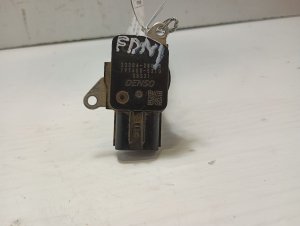
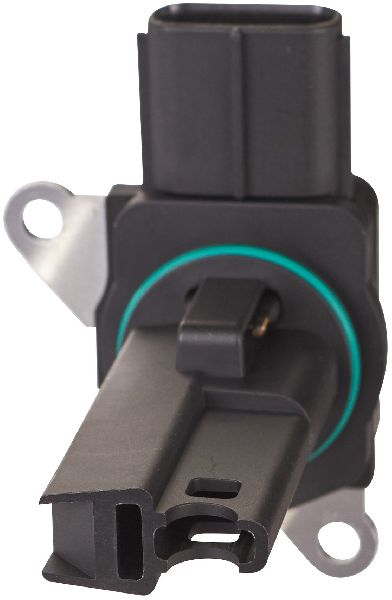
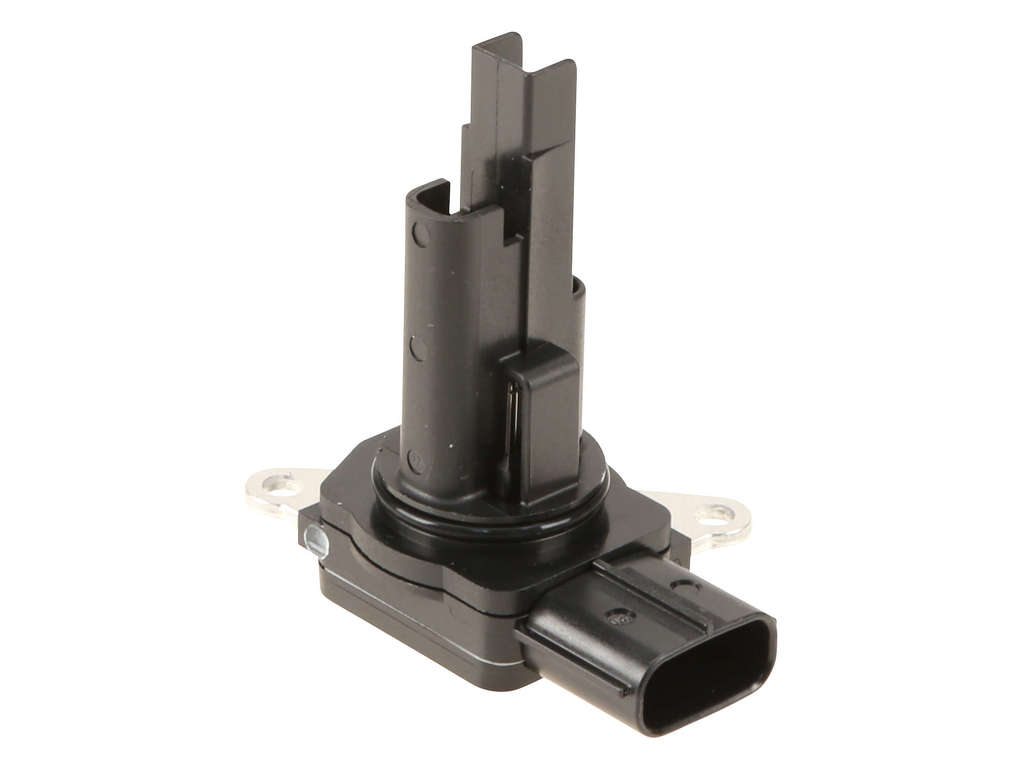
Est. part cost: $10-$15 - Dirty Mass Air Flow (MAF) Sensor 🟡 Medium Probability → Shop Fuel Injection Air Flow Meter The MAF sensor measures the amount of air entering the engine. If it's dirty, it can provide incorrect readings, leading to an improper air-fuel mixture that prevents the engine from starting. This is a very common issue on many Toyota models, often caused by an improperly seated air filter letting in unfiltered air.
How to confirm: Remove the MAF sensor from the air intake tube. Inspect the sensing wires for dirt or debris. A diagnostic test can be performed by unplugging the MAF sensor; if the engine then starts and idles (though poorly), the MAF is very likely the culprit.
Typical fix: Clean the sensor's delicate wires using only a dedicated MAF sensor cleaner spray. 🎬 Watch: Quick 1-minute MAF sensor cleaning guide Do not touch the wires. If cleaning does not resolve the issue, replace the sensor with a high-quality OEM part like Denso.
Est. part cost: $15 for cleaner, $80-$150 for a new sensor - Vacuum Leak ⚪ Low Probability A disconnected or cracked vacuum hose, particularly the PCV hose or a loose air intake tube clamp, can allow unmetered air into the engine, leaning out the air-fuel mixture and causing a no-start condition. A Reddit user reported this exact issue on their Prius after an oil change where the technician failed to properly reconnect the airbox hose to the throttle body.
How to confirm: Visually inspect all vacuum hoses connected to the intake manifold and throttle body for cracks or disconnection. Ensure the large air intake tube is securely clamped at both the airbox and the throttle body. A smoke test is the most effective way to find small, hard-to-see leaks.
Typical fix: Reconnect any disconnected hoses or replace cracked and brittle hoses. The PCV valve and its grommet may need replacement if they are the source of the leak.
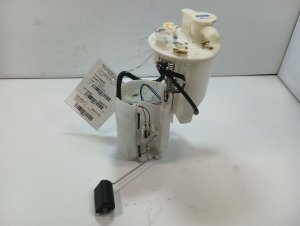
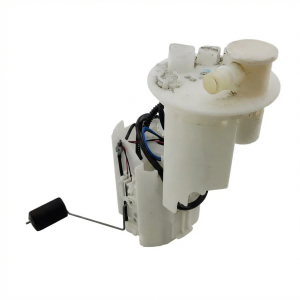
Est. part cost: $5-$50 - Weak or Failed Fuel Pump ⚪ Low Probability → Shop Fuel Pump
How to confirm: A fuel pressure test is required to confirm the pump is delivering fuel at the correct pressure. This typically requires a specialized gauge connected to the fuel line. An owner on PriusChat with code P3190 confirmed a failed fuel pump was the cause after a dealer diagnosis.
Typical fix: Replace the in-tank fuel pump assembly. This is a DIY-possible job located under the rear seat. 🎬 See how to replace the fuel pump module
Est. part cost: $200-$450
Rare But Worth Checking
- Clogged Catalytic Converter: While rare, a completely clogged catalytic converter can create enough backpressure to prevent the engine from starting or running, which can trigger a P3190 code. A YouTube repair video on a 2009 Camry Hybrid with P3190 and P0A0F identified a clogged converter as the root cause. 🎬 Watch: Diagnosing a clogged converter on a Camry Hybrid
- Faulty Engine Coolant Temperature (ECT) Sensor: An ECT sensor that is providing an incorrect reading to the ECU can cause an improper air-fuel mixture during startup, leading to this code.
- Failed Crankshaft Position Sensor: If the crankshaft position sensor fails, the ECU will not know the engine's rotational speed and will be unable to properly time spark and fuel, preventing it from starting. The genuine Toyota part number is 90080-19024.
- Dirty Throttle Body: → Shop Fuel Injection Throttle Body Heavy carbon buildup in the throttle body can restrict airflow, especially at idle, preventing the engine from starting and triggering P3190. Cleaning the throttle body is often recommended alongside cleaning the MAF sensor.
Diagnosis Steps
- Add 2-3 gallons of fresh fuel to the tank, even if the gauge shows it has fuel. This is the single most important first step.
- Scan for all Diagnostic Trouble Codes (DTCs) to see if other codes are present that can point to a specific system (e.g., P0171 for lean condition, P0101 for MAF).
- Inspect the 12V auxiliary battery to ensure it has a healthy charge (above 12.4V at rest). A weak 12V battery can cause numerous electronic issues.
- Inspect the entire air intake system, from the air filter to the throttle body. Ensure the air filter is clean and all hoses are securely connected and free of cracks. A loose intake tube after an air filter change is a common culprit.
- Locate and remove the Mass Air Flow (MAF) sensor. Carefully clean it with a dedicated MAF sensor cleaner spray. Do not touch the sensing elements. Allow it to dry completely before reinstalling.
- As a diagnostic test, unplug the MAF sensor's electrical connector and attempt to start the engine. If it starts and idles (it will run poorly), the MAF sensor is almost certainly the problem.
- Inspect the throttle body for heavy carbon buildup. If it is very dirty, clean it with throttle body cleaner and a soft cloth.
- If the above steps do not resolve the issue, more advanced diagnostics are needed, such as a fuel pressure test to check the fuel pump or a smoke test to find a hidden vacuum leak.
Parts You'll Likely Need
- Mass Air Flow (MAF) Sensor
(OEM #22204-37010)— A dirty or failed MAF sensor is a very common cause of P3190 after running out of fuel has been ruled out. The Intake Air Temperature (IAT) sensor is integrated into this part. Denso is the OEM manufacturer.
Trusted brands: Denso (OEM)
OEM price range: $120-$180
Aftermarket price range: $60-$110 - MAF Sensor Cleaner — This is the first-step fix for a suspected dirty MAF sensor and is much cheaper than replacing the part. Only use spray specifically designed for MAF sensors as other cleaners can damage the delicate elements.
Trusted brands: CRC, Liqui Moly
Aftermarket price range: $10-$20 - Fuel Pump — If the vehicle ran out of fuel, the pump may have been damaged by running dry. A weak or failed pump will not provide enough pressure to start the engine.
Trusted brands: Denso (OEM), Aisin
OEM price range: $250-$450
Aftermarket price range: $150-$250
Related Codes That Often Appear With This One
- P0A0F — This code means 'Engine Failed to Start' and is set by the Hybrid Control ECU. It is very common to see it alongside P3190, as they describe the same event from the perspective of two different control modules.
- P0171 — 'System Too Lean'. This code can be set if the root cause of the P3190 is a vacuum leak or a faulty MAF sensor, as both issues lead to an incorrect, lean air-fuel mixture.
- P3193 — 'Fuel Run Out'. This is a more specific code that may accompany P3190 if the primary cause is an empty fuel tank.
- P0101 — 'Mass Air Flow (MAF) Circuit Range/Performance'. This code points directly to a problem with the MAF sensor signal, often seen with P3190 when the sensor is dirty or failing.
Technical Service Bulletins (TSBs) & Recalls
- T-SB-0056-18: On some other Toyota Hybrid models (Highlander), a similar P3190 code could be set under high altitude/high temperature conditions, addressed by an ECM software update. While not specific to the Camry, it shows the code can be triggered by environmental factors.
Mechanic-Grade Diagnostic Values
- Low-Side Fuel Pressure — expected: 304 to 343 kPa (44 to 50 psi) at idle.. Failure: Pressure below this range indicates a weak fuel pump, clogged filter, or faulty regulator. Pressure should also remain above 147 kPa (21 psi) for 5 minutes after the engine is stopped.
- Engine Coolant Temperature (ECT) Sensor Resistance — expected: 2.0 to 3.0 kΩ at 20°C (68°F); 0.2 to 0.4 kΩ at 80°C (176°F).. Failure: Readings significantly outside these ranges can cause incorrect fuel mixture calculations for cold starts, leading to a no-start condition.
- Crankshaft Position Sensor Resistance — expected: 985 to 1,600 Ω (Cold); 1,265 to 1,890 Ω (Hot).. Failure: An out-of-spec reading or an open circuit will prevent the ECM from seeing engine rotation, resulting in a no-start.
- Fuel Injector Resistance — expected: 11.6 to 12.4 Ω at 20°C (68°F).. Failure: A reading outside this range indicates an electrical fault in the injector coil. However, this test will not identify a mechanically stuck or clogged injector.
- Scan Tool Live Data: Engine Torque Ratio — expected: The 'Estimated Engine Torque' should closely follow the 'Target Engine Torque' when the engine is commanded to run.. Failure: P3190 is set when the ratio of estimated torque to target torque is less than 20% for 6 seconds or more.
Hidden / Shadow Codes Worth Checking
- Techstream Freeze Frame Data: Not a specific code, but a critical diagnostic dataset. When P3190 is set, Techstream captures a snapshot of all sensor values at that moment. Analyzing this data is key. For example, a TSB for a similar hybrid model suggests checking the 'Low Fuel Pressure' value in the freeze frame data; a reading below 1875mmHg(abs) under certain conditions points towards a specific software update. (see via Toyota Techstream software under DTC Info / Freeze Frame Data.)
Scan Tool Commands That Help
- Toyota Techstream: Active Test: 'Control the Fuel Pump / Speed' — This is a crucial diagnostic step after running out of fuel or if a weak fuel pump is suspected. It manually activates the fuel pump without cranking the engine, allowing a technician to verify pump operation, listen for its sound, and prime the fuel rail to restore pressure. A Prius owner with P3190 fixed their no-start condition simply by running this utility several times to re-pressurize the system.
Wiring & Ground Locations
- ECM (Engine Control Module) — Inside the cabin, typically behind the glove box or under the passenger-side dashboard.. The ECM is the brain that processes all sensor inputs (MAF, Crank, ECT) and controls fuel and spark. While rare to fail, checking for clean, tight connections and verifying its power and ground sources is a valid advanced diagnostic step.
- Engine Ground Straps — Key grounds for the 2AR engine family are typically located from the valve cover to the chassis (often near the strut tower) and from the transmission case to the chassis. A poor engine ground can cause a host of bizarre electronic issues and sensor reading errors that could lead to a P3190.. A faulty ground can cause incorrect sensor readings to be sent to the ECM, leading to improper fuel and spark calculations and a no-start or poor running condition.
Real Owner Repair Stories
- YouTube video by 'Hajis Auto' (2015 Toyota Camry Hybrid) — Check Engine Light, 'Check Hybrid System' message, codes P3190 and P0A0F, loss of power.
❌ Tried (didn't work) Initial diagnosis focused on common causes like MAF or fuel pump.
✅ What actually fixed it The owner had not replaced the fuel filter in over two years. Replacing the clogged in-tank fuel filter restored fuel flow and resolved the codes. - YouTube video by 'Locker's Garage' (2009 Toyota Camry Hybrid (XV40 generation, but same codes and relevant diagnosis)) — P0A0F and P3190, 'Check Hybrid System' message, engine would not start or run.
❌ Tried (didn't work) The dealership misdiagnosed the issue and recommended replacing the expensive high-voltage battery.
✅ What actually fixed it The actual cause was a completely clogged catalytic converter, which created so much exhaust backpressure the engine could not run. Replacing the catalytic converter fixed the vehicle. - PriusChat forum user (2012 Prius (similar hybrid system logic)) — P3190 and P0A0F, no-start condition, depleted hybrid battery after multiple start attempts.
❌ Tried (didn't work) Repeatedly trying to start the car.
✅ What actually fixed it Using Toyota Techstream software, the owner activated the 'Control the Fuel Pump' utility in the Engine & ECT section. After running the pump manually a few times to pressurize the fuel system, the car started normally and the codes were cleared. - YouTube video by 'CarbuToro' (Toyota Camry Hybrid (year not specified)) — P3190, car dying on the highway, 'Check Hybrid System' message, severe misfires.
❌ Tried (didn't work) Replacing the Mass Air Flow (MAF) sensor., Replacing the fuel pump.
✅ What actually fixed it The final diagnosis was stuck-open fuel injectors. The technician noted that the long-term fuel trims were very negative, indicating the ECM was trying to pull fuel to compensate for an overly rich condition caused by the leaking injectors.
"I Checked Everything" — The Actual Cause
- A common diagnostic step for a lean condition (which can cause P3190) is a smoke test to find vacuum leaks. However, if the smoke test comes back clean, the root cause could be a completely clogged catalytic converter. This creates extreme exhaust backpressure, preventing the engine from breathing and running, but it is not a leak that a smoke test would find.
- Another cause that a smoke test would miss is a set of stuck-open or leaking fuel injectors. This would cause a rich condition, misfires, and potential no-start, triggering P3190. The issue is with fuel delivery, not unmetered air, so a smoke test would show no faults.
When the Usual Fixes Don't Work
- In one documented case, a 2009 Camry Hybrid with P3190 and P0A0F was taken to a Toyota dealer, who diagnosed a failed high-voltage battery. The owner declined the expensive repair. An independent mechanic later correctly identified the true cause as a clogged catalytic converter, which was a much cheaper fix and resolved all symptoms. This highlights how even a correct code can lead to a major misdiagnosis if edge cases aren't considered.
OEM Part Supersession History
22204-37010→22204-28010— Part update or consolidation by Toyota.
Heads up: Caution is advised. While this is an official supersession, the new part number (22204-28010) is also listed for different Toyota engines like the 2AZ-FE. Always verify the correct part number for your specific vehicle using the VIN before purchasing a superseded part to avoid compatibility issues.
Diagnostic Flowchart
Other Known Issues on This Vehicle
Issues unrelated to this code that are worth knowing about as an owner of this generation:
- Torque Converter Shudder 🟠 Medium — Reported most often on early models (2012-2014). An intermittent shudder or vibration can be felt during light acceleration. Not extremely widespread but a known complaint. (Ref: T-SB-0086-12)
- Excessive Oil Consumption 🟡 Low — Some owners of the 2AR-FXE engine have reported higher-than-expected oil consumption, potentially related to piston ring design. It is not as severe as on the older 2AZ-FE engine but worth monitoring oil levels between changes.
- HVAC (A/C) System Odor 🟡 Low — A common complaint across many Toyota models of this era. A musty or moldy smell can come from the vents upon startup, caused by moisture buildup on the evaporator core. Not a mechanical failure but an annoyance. (Ref: T-SB-0142-13)
- Intermediate Steering Shaft Clunk 🟠 Medium — Some owners report a clunking or popping noise from the steering column when turning at low speeds. This is often caused by a faulty intermediate steering shaft. (Ref: Warranty Extension POL17-05 (for some models))
- Water Pump Failure 🟠 Medium — The water pump on the 2AR-FXE can sometimes fail prematurely (before 100,000 miles), leading to coolant leaks and potential overheating. It is considered one of the few minor weak points of an otherwise very reliable engine.
Used vs. New Parts: Buying Guide for This Vehicle
When a used part is the smart pick: For this repair, obtaining a used throttle body assembly from a low-mileage donor vehicle is a reasonable choice. It is a durable mechanical part that can often be restored to full function with a thorough cleaning. A used fuel pump assembly from a verified running, low-mileage vehicle can also be a cost-effective option, as demonstrated in one owner repair story.
Donor-vehicle mileage cap: roughly under 80000 miles for the part to have meaningful remaining life.
What to inspect on the donor part:
- For a fuel pump: Verify the donor vehicle was running before being dismantled. Avoid pumps from cars that sat for a long time, as the pump can seize.
- For a throttle body: Inspect the throttle plate for heavy scoring or damage; light carbon buildup is normal and can be cleaned.
- Check for any physical damage to connectors or housings on any electronic part.
OEM-only on this vehicle (don't cheap out):
- Mass Air Flow (MAF) Sensor
- Crankshaft Position Sensor
- Engine Coolant Temperature (ECT) Sensor
Aftermarket brands forum-validated for this vehicle:
- Denso (This is the Original Equipment Manufacturer for many Toyota sensors and fuel system components; buying Denso is often equivalent to buying the genuine Toyota part without the dealer markup).
- Aisin (Another trusted OEM supplier for Toyota, particularly for fuel and water pumps).
Brands owners have reported issues with on this vehicle:
- Unbranded, generic, or 'white-box' MAF sensors and fuel pumps sold on auction sites. These are notorious for being out of specification upon arrival or failing prematurely, leading to a repeat of the P3190 code.
Real Owner Stories
Aggregated from forums and TSBs cited above. Mileages and costs reflect what owners reported in those sources.
2013-2018 Toyota Prius (Hybrid System)
Symptoms: The car ran out of gas, which then triggered the P3190 code and an engine-no-start condition.
What fixed it: Refilling the fuel tank with gasoline.
Source hint: PriusChat: Car Ran Out of Gas, now code P3190 and won't run
2013-2018 Toyota Prius (Hybrid System)
Symptoms: P3190 code and 'Check Hybrid System' message appeared immediately after an oil change.
What fixed it: Reconnecting the airbox hose to the throttle body which a technician had failed to secure.
Source hint: Reddit (r/prius): P3190 Code and "Check Hybrid System"
2013-2018 Toyota Prius (Hybrid System)
Symptoms: P3190 code was present; initial diagnosis attempts failed to resolve the issue.
What fixed it: Replacement of the in-tank fuel pump assembly located under the rear seat.
Cost: $200-$450
Source hint: PriusChat: P3190 Code - Failed Fuel Pump (Resolved)
2013-2018 Lexus ES300h (2AR-FXE)
Symptoms: Owner experienced P3190 and P0A0F codes and methodically checked fuel, spark, MAF, and exhaust.
What fixed it: Diagnosis and repair of the air/fuel delivery system (platform mate shares identical 2AR-FXE powertrain).
Source hint: ClubLexus: Lexus ES300H и ошибки P3190 и P0A0F
Related OBD-II Codes
Frequently Asked Questions
My 2012-2014 Camry Hybrid has a vibration during light acceleration; is this related to the P3190 code?
Does T-SB-0056-18 apply to my Camry Hybrid's P3190 code?
Can I trust my fuel gauge if I have a P3190 code on my 2AR-FXE engine?
Is there a simple test to see if my Mass Air Flow (MAF) sensor is causing the P3190?
I just had my oil changed and now I have a P3190 code; what should I check?
What specific cleaner should I use for the MAF sensor on my Camry Hybrid?
Helpful Videos


Used OEM Parts in Stock
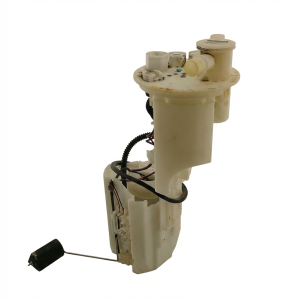
New Aftermarket Parts Available
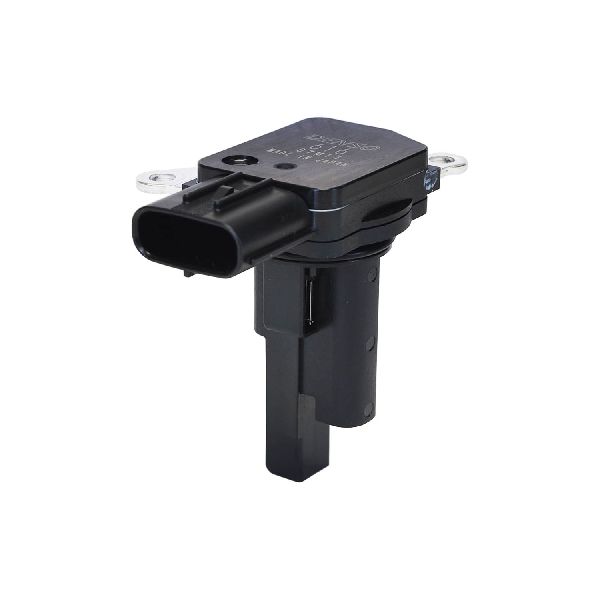

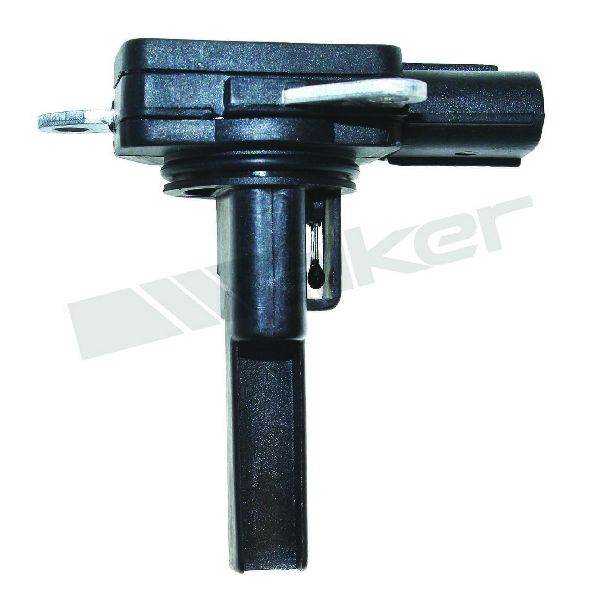

The information in this article is provided for general reference and educational purposes only. Vehicle specifications, procedures, and part compatibility can vary by production date, trim level, and region. Always consult your vehicle's factory service manual and verify part numbers before purchasing or performing repairs. Safety-critical components such as airbags, seat belts, and braking systems should be installed by a qualified professional.
- Toyota Camry Hybrid:
- 🧭 Diagnostic Flowchart
- 🎬 Helpful Videos
- 🛍️ Shop This Part
- What's Unique About the 2012-2017 Toyota Camry Hybrid
- Symptoms You May Notice
- Most Likely Causes
- Rare But Worth Checking
- Diagnosis Steps
- Parts You'll Likely Need
- Related Codes That Often Appear With This One
- Technical Service Bulletins (TSBs) & Recalls
- Mechanic-Grade Diagnostic Values
- Hidden / Shadow Codes Worth Checking
- Scan Tool Commands That Help
- Wiring & Ground Locations
- Real Owner Repair Stories
- "I Checked Everything" — The Actual Cause
- When the Usual Fixes Don't Work
- OEM Part Supersession History
- Other Known Issues on This Vehicle
- Used vs. New Parts: Buying Guide for This Vehicle
- Real Owner Stories
- 2013-2018 Toyota Prius (Hybrid System)
- 2013-2018 Toyota Prius (Hybrid System)
- 2013-2018 Toyota Prius (Hybrid System)
- 2013-2018 Lexus ES300h (2AR-FXE)
- Related OBD-II Codes
- Frequently Asked Questions
- 🎟️ Get 5% Off