

P3400 on 2015-2017 Chevrolet Corvette: Cylinder Deactivation Fault Causes and Fixes
On a 2015-2017 C7 Corvette, code P3400 indicates a problem with the Active Fuel Management (AFM) or cylinder deactivation system. The most common and serious cause is a failed AFM lifter, which can lead to a misfire, engine noise, and potential camshaft damage. Other causes include low oil pressure, a faulty oil control solenoid (part of the VLOM), or, more rarely, an ECM issue.
- P3400 on your Corvette means the Active Fuel Management (cylinder deactivation) system isn't working correctly.
- The most likely cause is a failed AFM lifter, a known weak point on this engine that can cause serious damage if ignored.
- Always check your oil level and pressure first, as the system is hydraulic and sensitive to low oil.
- Repair is not a simple DIY job; it often involves major engine work and is best left to a professional.
- For a permanent fix, many owners choose to install an 'AFM delete kit' to remove the failure-prone components entirely.
What's Unique About the 2015-2017 Chevrolet CORVETTE
The C7 Corvette's LT1 engine is known for issues with its Active Fuel Management (AFM) system. While the system is designed to improve fuel economy, the hydraulic lifters used to deactivate the cylinders are a well-documented failure point across many GM vehicles with this technology. These failures can range from a simple misfire to catastrophic engine damage requiring camshaft replacement. GM issued Technical Service Bulletin #PIP5447C for 2016-2017 models with the 8-speed transmission, acknowledging the P3400 code and initially suggesting ECM replacement if no other faults were found. As a result, many owners on forums like CorvetteForum discuss preventative measures, including disabling the AFM system with a plug-in device or a permanent tune to avoid lifter collapse.
Diagnostic Flowchart
Tap your situation to follow the diagnostic path that matches what you're seeing on this vehicle.
Symptoms You May Notice
- Check Engine Light is on
- Reduced engine performance or power
- Rough or unstable idle
- Engine misfires, sometimes triggering other codes like P0300 (Random/Multiple Cylinder Misfire)
- Noticeable decrease in fuel economy
- Engine may feel like it's hesitating or shuddering during light acceleration
- Audible ticking, chirping, or squeaking noise from the engine bay
- Replacing spark plugs or ignition coils without confirming a misfire is caused by a component failure rather than the underlying AFM mechanical issue.
- Replacing sensors like the MAF or MAP sensor, when the code is simply using their data to report that the AFM system did not perform as expected.
- Failing to inspect the oil passages and VLOM filter for sludge or debris, which can mimic a failed solenoid or lifter.
Most Likely Causes
- Failed Active Fuel Management (AFM) Lifter(s) 🔴 High Probability → Shop Engine Valve Lifter The AFM lifters on the LT1 engine are a widely documented failure point, known to collapse or become stuck due to internal pin failure or oil contamination. This can happen even at low mileage and is a known issue across many GM platforms with AFM/DFM.
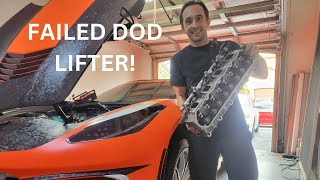
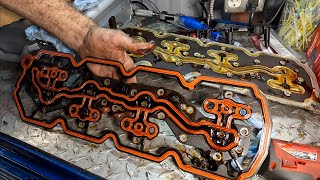
How to confirm: A technician will typically perform a compression test and use a scan tool to monitor misfire counters for the AFM cylinders (1, 4, 6, 7). A definitive diagnosis requires removing the cylinder heads for physical inspection of the lifters 🎬 Watch: A real-world example of C7 LT1 lifter failure and camshaft lobes for wear or damage. A running compression test showing pressure below 25 PSI on an affected cylinder can also indicate a collapsed lifter.
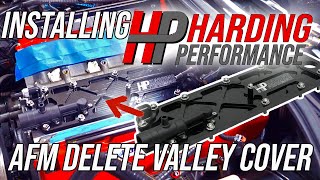
Typical fix: Replace all AFM lifters on the affected bank, or preferably all 8 AFM lifters. If the camshaft is damaged, it must also be replaced. Many owners on CorvetteForum opt for a full 'AFM/DOD delete kit' which replaces the AFM components with standard, more robust parts, but this requires a custom ECU tune. 🎬 Watch: How to install an AFM delete valley cover
Est. part cost: $400-$1200 - Low Engine Oil Level or Pressure 🟡 Medium Probability The AFM system is hydraulic and requires clean oil at the correct pressure to actuate the lifter locking pins. Low oil levels, incorrect viscosity, or sludge can prevent the system from working, leading to a P3400 code.
How to confirm: Check the engine oil level using the dipstick and verify the oil condition. A mechanic should perform a manual oil pressure test to verify correct pressure, as the dash gauge may not be accurate enough. Normal hot idle pressure for a C7 is around 28 PSI, and 35 PSI while cruising.
Typical fix: Top off or change the engine oil and filter using the manufacturer-specified grade. If pressure is still low, further diagnosis of the oil pump or for internal engine sludge is required.
Est. part cost: $50-$100 - Faulty Cylinder Deactivation Solenoid / Valve Lifter Oil Manifold (VLOM) 🟡 Medium Probability → Shop Engine Cylinder Deactivation Solenoid The VLOM, located under the intake manifold, contains four solenoids that control oil flow to the AFM lifters. These solenoids can fail electrically or become clogged with debris, preventing proper system function.
How to confirm: A technician can command the solenoids on and off with a high-end scan tool while monitoring system response and listening for an audible click. The VLOM can also be bench-tested with compressed air to check for leakage and proper operation.
Typical fix: Replace the entire Valve Lifter Oil Manifold (VLOM) assembly. It is recommended to replace the intake manifold gaskets at the same time.
Est. part cost: $150-$300 - Wiring Harness or Connector Issue ⚪ Low Probability The wiring to the deactivation solenoids is located in the engine valley, an area of high heat, which can make wires and connectors brittle over time, leading to an open or short circuit. In one documented case, a rusted pin in a major harness connector (X100) caused a no-communication issue that could present with other codes.
How to confirm: Visually inspect the wiring harness for damage. A technician can perform a continuity and resistance check on the circuit between the PCM and the VLOM connector.
Typical fix: Repair the damaged section of the wiring harness or replace the connector.
Est. part cost: $20-$100
Rare But Worth Checking
- Powertrain Control Module (PCM) Fault: This is very rare. TSB #PIP5447C suggests replacing the ECM if diagnostics show the AFM is switching normally but the code persists. However, this should only be considered after all mechanical and wiring issues have been exhaustively ruled out.
Diagnosis Steps
- Verify the Check Engine Light is on and code P3400 is present using an OBD-II scanner. Note any other codes.
- Check the engine oil level and condition. Ensure it is full, clean, and of the correct viscosity (GM dexos-approved). A hot idle pressure of around 28 PSI is normal. If low, top off, clear the code, and test drive.
- Use a scan tool to monitor live data. Check for misfire counts on all cylinders, paying close attention to the AFM cylinders (1, 4, 6, 7).
- Command the cylinder deactivation solenoids on and off using a bidirectional scan tool to check for an audible click and system response.
- If a solenoid is suspect, inspect the wiring and connector at the VLOM for damage. If the wiring is good, test the solenoid's resistance and check for power/ground.
- If solenoids and wiring are good, suspect a mechanical issue. Perform a running compression test on the affected cylinders. A reading that stays below 25 PSI regardless of AFM command state points to a failed lifter.
- If compression is low or other signs point to a lifter issue, prepare for mechanical inspection. This involves removing the intake manifold to access the VLOM and removing the cylinder heads to access the lifters and camshaft.
- Thoroughly inspect the camshaft lobes for any wear, scoring, or damage, especially on the AFM cylinders. A damaged camshaft requires replacement along with the lifters.
Parts You'll Likely Need
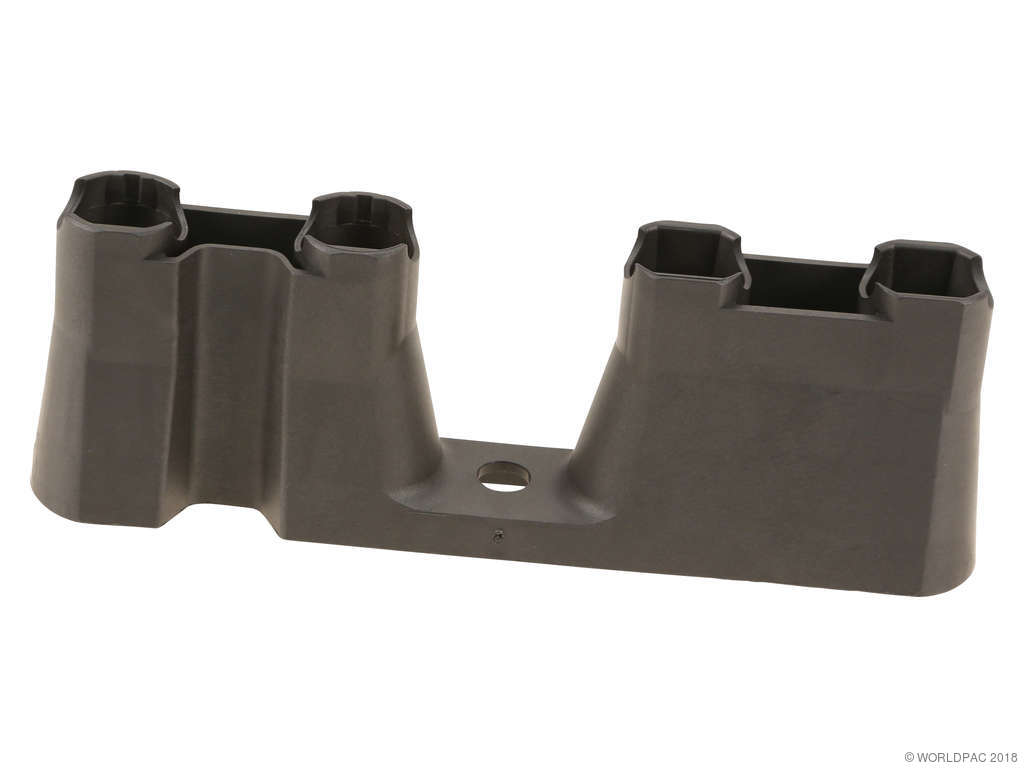
- Active Fuel Management (AFM) Lifters
(OEM #12648846)— This is the most common mechanical failure point for this code on the C7 Corvette. It is highly recommended to replace all 8 AFM lifters, not just the failed one.
Trusted brands: ACDelco, GM Genuine
OEM price range: $40-$60 per lifter
Aftermarket price range: $30-$50 per lifter - Valve Lifter Oil Manifold Assembly (VLOM)
(OEM #12670866)— This part houses the solenoids that control oil flow to the AFM lifters. It can fail electrically or become clogged. It is often replaced as a preventative measure during a lifter job.
Trusted brands: ACDelco, GM Genuine
OEM price range: $200-$300
Aftermarket price range: $150-$250 - AFM Delete Kit — For owners wanting a permanent solution to avoid future AFM lifter failures, a delete kit replaces the failure-prone components with standard, non-AFM parts (lifters, camshaft, valley cover). This is the most robust long-term fix but requires custom ECU tuning.
Trusted brands: Texas Speed, Brian Tooley Racing (BTR), DOD Delete Kits
OEM price range: N/A
Aftermarket price range: $500-$1500
Related Codes That Often Appear With This One
- P0300 — A random/multiple cylinder misfire code is common when an AFM lifter fails, as it directly impacts one or more of the deactivation cylinders (1, 4, 6, or 7).
- P3401, P3425, P3441, P3449 — These are cylinder-specific deactivation circuit codes (for cylinders 1, 4, 6, and 7 respectively). They may appear alongside P3400 to pinpoint the issue to a specific cylinder's solenoid or lifter circuit, suggesting a more localized electrical or mechanical problem.
Technical Service Bulletins (TSBs) & Recalls
- PIP5447C: P3400 setting with 8 speed only. Models: 2016-2017 Chevrolet Camaro, Corvette with 6.2L LT1. Correction instructs to follow SI diagnostics and if the system switches normally, replace the ECM.
- 15-06-01-002M: Covers engine misfire/tick noise and DTC P0300 caused by mechanically collapsed/stuck AFM lifters. Provides guidelines for replacing lifters and camshaft if necessary.
Platform-Specific Known Issues
- GM issued Technical Service Bulletin #PIP5447C for the 2016-2017 Corvette (and Camaro) with the LT1 engine and 8-speed transmission regarding a P3400 code. The bulletin's final revision instructed technicians to follow standard diagnostics, and if the system appeared to be functioning correctly, to replace the ECM.
- A broader TSB, #15-06-01-002M, covers engine misfires (P0300) that are often caused by stuck or collapsed AFM lifters in various GM V8s, including the LT1. It provides detailed instructions for inspection and replacement of lifters and the camshaft if damaged.
- A real-world repair story on CorvetteForum from user 'stevettec7' detailed an AFM lifter failure at 83k miles. The repair, which included replacing the bank 2 lifters and the VLOM at a GM dealer, cost $6,040.
- Another forum member on a Camaro6 forum (platform mate) reported a lifter failure on cylinder #7 at 51,000 miles, confirming it was a DOD/AFM lifter.
Mechanic-Grade Diagnostic Values
- Engine Oil Pressure (Hot Idle) — expected: ~28 PSI. Failure: Significantly lower pressure can prevent the AFM system from functioning.
- Engine Oil Pressure (Hot, Cruising at 70 MPH) — expected: ~35 PSI. Failure: Pressure that is too low under load can indicate oiling problems.
- Running Compression Test (AFM Cylinder) — expected: Above 25 PSI. Failure: If compression stays below 25 PSI whether the AFM solenoid is commanded on or off, it indicates a mechanically collapsed or stuck AFM lifter.
Scan Tool Commands That Help
- GDS2 (GM Global Diagnostic System 2): Cylinder Deactivation (Active Fuel Management) System Compression Test — This is a specific guided test in the GM service software to check the running compression of an AFM cylinder by commanding the solenoid on and off to diagnose a suspected collapsed lifter.
- GDS2 (GM Global Diagnostic System 2): Cylinder Deactivation (Active Fuel Management) Valve Lifter Oil Manifold Diagnosis and Testing — Used after a failed compression test to isolate a fault in the VLOM. It commands the solenoids and guides the technician in checking for leaks or malfunctions within the manifold itself.
Wiring & Ground Locations
- G103 / G104 — These are primary engine grounds for the LT1, typically located on the engine block itself, often near the motor mounts or on the cylinder heads.. A poor engine ground can cause a variety of erratic electrical issues, including incorrect sensor readings or faulty solenoid operation that could indirectly trigger a P3400 code.
- VLOM Connector — Located in the engine valley, underneath the intake manifold, connecting to the Valve Lifter Oil Manifold.. This is the direct electrical connection for the four AFM solenoids. High heat in this area can make the connector and wiring brittle, leading to open or short circuits for specific cylinders, which can cause P3400 or cylinder-specific variants.
- X100 Connector — A major harness connector, a failure point has been noted near the ECU.. A documented case on CorvetteForum showed a rusted pin in this connector caused a U0100 (Lost Communication with ECM) code, but such corrosion could also cause intermittent power or data issues for the AFM system, leading to P3400 before total communication is lost.
Real Owner Repair Stories
- Reddit user on r/Corvette (C7 Corvette Automatic) — P0300 (Random/Multiple Misfire) with a high number of misfires logged on the AFM cylinders (1, 4, 6, and 7).
❌ Tried (didn't work) The user was on their second engine block after a previous failure on cylinder 5.
✅ What actually fixed it The owner opted for a permanent mechanical fix by installing a full Brian Tooley Racing (BTR) AFM/DOD delete kit, which included a new camshaft, non-AFM lifters, and other supporting components to eliminate the failure-prone system entirely. - CorvetteForum user 'Dale002' (2014 Corvette Z51 Manual) — U0100 (Lost Communication with ECM/PCM 'A'). While not P3400 directly, the root cause is relevant to complex electrical faults.
❌ Tried (didn't work) Initial diagnosis pointed to a failed ECU.
✅ What actually fixed it The root cause was found to be a single rusted pin (#4) at the major harness connector X100. The fix involved disassembling the connector, replacing the bad pin, and cleaning any other corrosion.
OEM Part Supersession History
12576400→12648846— Part has been updated by GM over time. The 12648846 is a later revision.12648846→12698945— Part has been superseded by a newer revision from GM.
Heads up: While superseded, 12648846 is still widely sold and used as a direct replacement for the C7 LT1.
Model Year Variations Within This Range
- 2017: For the 2017 model year, GM eliminated the AFM exhaust valves on Z51 and Grand Sport models equipped with a manual transmission. The engine itself still has the AFM system (which only activates in Eco mode on manual cars), but the problematic exhaust valves intended to manage sound during V4 operation were removed.
Helpful Videos

We Have This Part in Stock


The information in this article is provided for general reference and educational purposes only. Vehicle specifications, procedures, and part compatibility can vary by production date, trim level, and region. Always consult your vehicle's factory service manual and verify part numbers before purchasing or performing repairs. Safety-critical components such as airbags, seat belts, and braking systems should be installed by a qualified professional.
- Chevrolet CORVETTE:
- 🧭 Diagnostic Flowchart
- 🎬 Helpful Videos
- 🛍️ Shop This Part
- What's Unique About the 2015-2017 Chevrolet CORVETTE
- Symptoms You May Notice
- Most Likely Causes
- Rare But Worth Checking
- Diagnosis Steps
- Parts You'll Likely Need
- Related Codes That Often Appear With This One
- Technical Service Bulletins (TSBs) & Recalls
- Platform-Specific Known Issues
- Mechanic-Grade Diagnostic Values
- Scan Tool Commands That Help
- Wiring & Ground Locations
- Real Owner Repair Stories
- OEM Part Supersession History
- Model Year Variations Within This Range
- 🎟️ Get 5% Off