

OBD-II Code P3409: Cylinder 2 Deactivation Circuit Fault
What P3409 means, why it triggers, and how to fix it for good
- P3409 indicates a complete electrical break (open circuit) between the Powertrain Control Module and the cylinder #2 deactivation solenoid.
- Check your engine oil level and condition immediately; oil pressure below 25 PSI disables the hydraulic deactivation system and triggers this code.
- Test the solenoid with a multimeter before replacing parts; a healthy solenoid reads between 10 and 15 Ohms of resistance.
- Driving with P3409 drops fuel economy by 10-15% and risks a $1,200 to $2,800 catalytic converter replacement if an unaddressed misfire dumps fuel into the exhaust.
What Does P3409 Mean?
P3409 means the Powertrain Control Module (PCM) detects an electrical break in the circuit that deactivates cylinder #2. Automakers use Cylinder Deactivation (AFM, MDS, or VCM) to shut down specific cylinders during light-load highway cruising to save fuel. This code specifically indicates an 'open' circuit—a severed connection between the PCM and the cylinder #2 deactivation solenoid.
Technical definition: The official SAE/OBD-II definition is "Cylinder 2 Deactivation/Intake Valve Control Circuit/Open". The PCM detects a complete loss of continuity in the electrical path for the cylinder #2 deactivation solenoid. The PCM sends a 12V pulse-width modulated signal to this solenoid; if the circuit fails to complete, it triggers P3409.
Can I Drive With P3409?
Yes, But With Caution. Yes, but limit driving to 100-200 miles. The system defaults to running on all cylinders, dropping fuel economy by 10-15%. Ignoring the code masks underlying issues; an unaddressed intermittent misfire dumps unburnt fuel into the exhaust, destroying the catalytic converter and causing a $1,200-$2,800 repair.
Common Causes
- Damaged or Frayed Wiring (Very Common) — The wiring harness leading to the deactivation solenoid endures intense engine heat and vibration. Wires become brittle, chafe against engine components, or melt, creating a break ('open') in the circuit. This happens frequently in V-engines where the harness sits in the hot engine valley.
- Faulty Cylinder Deactivation Solenoid (Common) — The solenoid is an electromechanical valve. The internal coil winding breaks over time, creating an open circuit and preventing activation. While solenoids also fail mechanically, P3409 specifically flags an electrical failure inside the unit.
- Low, Dirty, or Incorrect Engine Oil (Common) — The cylinder deactivation system is hydraulic and requires precise oil pressure (typically 25-30 PSI minimum) to function. Low oil levels, heavy sludge from infrequent changes, or using the wrong viscosity (e.g., 5W-30 instead of 5W-20) prevents solenoid activation and triggers circuit codes.
- Loose or Corroded Electrical Connector (Common) — The connector at the solenoid or the PCM loosens, or its pins corrode from moisture and road salt. This poor connection interrupts the 12V signal, forcing the PCM to log an open circuit.
- Clogged Solenoid Filter Screen (Common) — Solenoids feature tiny filter screens to block debris. Engine sludge clogs these screens and the surrounding oil passages, restricting flow and causing the solenoid to fail its electrical self-test.
- Failed or Sticking Valve Lifter (Less Common) — Specialized deactivating lifters fail mechanically or stick due to oil starvation. While P3409 is an electrical code, severe mechanical failure within the lifter sometimes causes erratic solenoid performance that stores circuit codes, especially in HEMI and GM V8 engines.
- Faulty Powertrain Control Module (PCM) (Rare) — The internal driver circuit within the PCM that controls the cylinder #2 solenoid fails. Rule out wiring, connectors, and the solenoid completely before replacing the PCM.
Symptoms
- Check Engine Light is On — The PCM illuminates the Malfunction Indicator Lamp (MIL) immediately upon detecting the open circuit fault.
- Rough Idle and Reduced Power — The engine runs unevenly, hesitates under light throttle, and feels sluggish. Some vehicles enter a 'Reduced Engine Power' limp mode to protect internal components.
- Audible Ticking or Clicking Noise — A failing deactivation solenoid or collapsed lifter produces a loud ticking sound that scales with engine RPM. This indicates mechanical damage requiring immediate repair.
- Decreased Fuel Economy (also visible on scanner) — The PCM disables the cylinder deactivation system entirely, forcing the engine to run on all cylinders and dropping highway gas mileage by 10-15%.
Diagnostic Flowchart
Tap your situation to follow the diagnostic path that matches what you're seeing on this code.
Common Fixes & Costs
- Replacing the Cylinder Deactivation Solenoid — Parts: $50-$150, Labor: $200-$600, ~3.5 hr book time (DIY)
- Repairing Damaged Wiring or Connector — Parts: $10-$50, Labor: $150-$300, ~1.5 hr book time (Intermediate)
- Engine Oil and Filter Change — Parts: $50-$100, Labor: $30-$50, ~0.5 hr book time (Beginner)
- Replacing VCM Oil Pressure Switch (Honda/Acura) — Parts: $40-$80, Labor: $100-$250, ~1.2 hr book time (DIY)
- Cleaning Restricted Oil Passages / Engine Flush — Parts: $30-$60, Labor: $400-$800, ~5 hr book time (Professional)
- Replacing the Powertrain Control Module (PCM) — Parts: $350-$1000, Labor: $150-$250, ~1.5 hr book time (Professional)
Used vs. New Parts: Buying Guide
When a used part is worth it: Never buy a used cylinder deactivation solenoid. The part fails frequently from internal wear and sludge. The high labor cost to access the solenoid makes installing a used part an unacceptable financial risk.
Donor-vehicle mileage cap: roughly under 20000 miles for the part to have meaningful remaining life.
Donor quality checklist:
- Verify the exact part number, including superseded versions.
- Reject parts from engines with known sludge issues.
- Inspect the electrical connector for broken locking tabs or corrosion.
Decision logic:
- If The solenoid sits under the intake manifold (e.g., HEMI V8) → Purchase a new OEM or premium aftermarket part. The $500 labor cost outweighs any savings from a used part.
- If An upgraded aftermarket version exists (e.g., metal body instead of plastic) → Purchase the upgraded aftermarket part (like Dorman 916-511XD) for superior durability.
- If The vehicle requires a replacement PCM → A refurbished, pre-programmed PCM from a reputable vendor saves $400 over a new dealership unit.
Warranty tradeoff: Used parts offer a 30-day warranty that covers the part but ignores the $500 labor cost to replace it again. New aftermarket parts provide limited lifetime warranties.
Worst-case if a used part fails: $400-$800 to repeat the labor when the used solenoid fails.
What Happens If You Wait — Timeline
- 0-2 weeks: Code P3409 stores, and the Check Engine Light illuminates. The PCM disables cylinder deactivation, forcing the engine to run on all cylinders continuously. (MPG impact: 5-10%% · Added cost: $0)
- 2 weeks - 3 months: Fuel economy drops noticeably on the highway. If the fault stems from a loose wire, the engine hesitates or stumbles as the system attempts to activate. (MPG impact: 10-15%% · Added cost: $50-$150 in wasted fuel)
- 3-8 months: An intermittent misfire forces unburnt fuel into the exhaust. This overheats the catalytic converter, melting the internal substrate and causing irreversible damage. (MPG impact: 10-15%% · Added cost: $1200-$2800 (catalytic converter replacement))
- 8+ months: If the electrical code masks a sticking lifter, the lifter collapses entirely. The collapsed lifter destroys the camshaft lobe, sending metal debris throughout the engine. (MPG impact: N/A (severe engine damage)% · Added cost: $2500-$7500+ (camshaft replacement or full engine rebuild))
Cost of Not Fixing It
- 0-1 Month: Fuel economy drops by 10-15% because the engine cannot enter fuel-saving mode. (Added cost: $20-$50 per month in extra fuel costs.)
- 1-6 Months: Unburnt fuel from an intermittent misfire overheats and destroys the catalytic converter. (Added cost: $1200-$2800 for catalytic converter replacement.)
- 6+ Months: A failing lifter collapses completely, destroying the camshaft and requiring major engine teardown. (Added cost: $2000-$7000+ for camshaft replacement or engine rebuild.)
Diagnosis Steps
- Check Engine Oil Level and Condition
Check the engine oil level and condition first. Low, old, or dirty oil causes hydraulic system faults and triggers deactivation codes. Verifying oil level saves hours of unnecessary electrical diagnostics.
Tools: Shop towel (Beginner) - Scan for All DTCs and Review Freeze Frame Data
Use an OBD-II scanner to read all stored codes. Note companion codes (e.g., P3400, P0302, P3433) for context. Review freeze frame data to identify the exact engine speed, load, and temperature when P3409 triggered.
Tools: OBD-II Scanner (Beginner) - Thorough Visual Inspection
Inspect the wiring harness for the cylinder #2 deactivation solenoid, typically located in the engine valley under the intake manifold. Look for rodent damage, chafing, melted insulation, or pushed-out connector pins.
Tools: Flashlight, Inspection mirror (Intermediate) - Check for Technical Service Bulletins (TSBs)
Search for TSBs specific to your vehicle's year, make, and engine. For example, GM TSB 17-NA-292 for 2017-2018 LGX/LGZ engines identifies known solenoid batch failures and provides the exact repair procedure.
Tools: Internet Access (Intermediate) - [PRO TIP] Test the Solenoid Resistance
Disconnect the solenoid connector. Set a digital multimeter to Ohms (Ω) and measure resistance between the two solenoid pins. A healthy solenoid reads between 10-15 Ohms. A reading of 'OL' (Open Loop) confirms a broken internal coil, requiring solenoid replacement.
Tools: Digital Multimeter (Advanced) - [PRO TIP] Test the Solenoid Circuit for Continuity
Disconnect the connectors at both the solenoid and the PCM. Set the multimeter to continuity (beep). Test the control wire between the PCM and the solenoid. A reading of 'OL' indicates a severed wire. A healthy wire shows less than 1.0 Ohm of resistance.
Tools: Digital Multimeter, Vehicle-specific wiring diagram (Advanced) - Check for Short to Ground or Power
Test each wire in the solenoid circuit for a short. Check for continuity between the control wire and a known good ground, then between the control wire and battery power. The multimeter must read 'OL'. Any continuity indicates a short circuit requiring repair.
Tools: Digital Multimeter, Vehicle-specific wiring diagram (Advanced) - [PRO TIP] Command the Solenoid with a Bi-Directional Scanner
Reconnect all wiring. Use a bi-directional scan tool to command the cylinder 2 solenoid ON and OFF with the engine running. Listen for an audible click and watch for an RPM drop. If the scanner fails to command the solenoid despite an intact circuit, the PCM driver is faulty.
Tools: Advanced Bi-Directional Scan Tool (Professional) - [PRO TIP] Verify Engine Oil Pressure
Connect a mechanical oil pressure gauge. Check pressure at idle and at 3,000 RPM at normal operating temperature. GM and Ram V8s require >25 PSI at idle and >45 PSI at higher RPMs. Low pressure indicates a failing oil pump or internal engine wear.
Tools: Mechanical Oil Pressure Gauge Set (Professional)
When This Code Triggers (Freeze-Frame Conditions)
- Engine Coolant Temp: 180-210°F (The engine must reach full operating temperature for the deactivation system to engage.)
- RPM: 1200-2800 RPM (Triggers under steady-state cruising or light-load conditions, never during heavy acceleration or idling.)
- Engine Load: 15-40% (Activates when the engine operates under a light load and requires minimal power.)
- Vehicle Speed: 45-70 mph (Occurs during steady highway driving where engine power demand remains low and consistent.)
Related Codes
- P3400 — P3400 is a generic code for 'Cylinder Deactivation System Bank 1'. P3409 pinpoints the exact failure to cylinder 2. Diagnose P3409 exclusively; fixing it clears P3400 automatically.
- P3433 — Indicates an identical open circuit fault on Cylinder 5. Seeing P3409 and P3433 together on a 2017-2018 GM V6 confirms the solenoid batch failure outlined in TSB 17-NA-292.
- P0302 — Indicates a 'Cylinder 2 Misfire'. A failed deactivation solenoid prevents the cylinder from firing correctly, triggering P0302. Resolve the P3409 electrical fault first to fix the misfire.
- P0521 — Indicates an 'Engine Oil Pressure Sensor/Switch Performance' issue. Low oil pressure disables the deactivation system and triggers P3409. Diagnose and fix P0521 before testing any electrical components.
Climate & Environmental Factors
- Cold Weather / Oil Viscosity: Cold temperatures thicken engine oil, slowing hydraulic actuation of the solenoids. Using oil thicker than the manufacturer specifies (e.g., 10W-30 instead of 5W-20) exacerbates this, triggering P3409 on cold starts.
- High Humidity / Road Salt: High humidity and winter road salt accelerate electrical connector corrosion. Solenoid connectors located in the engine valley trap moisture, degrading the pins and causing an open circuit.
How to Talk to a Mechanic About This Code
Say this: "I have a check engine light with code P3409 for the cylinder 2 deactivation circuit. I'd like to book a diagnostic appointment. Please start by checking the oil level and condition, then test the solenoid's resistance and the wiring continuity to the PCM before recommending a part replacement."
This directs the mechanic to perform a logical electrical diagnosis rather than blindly replacing the solenoid. It prevents you from paying $600 for a new solenoid when the actual problem is a $20 broken wire.
Avoid saying:
- 'My check engine light is on, can you fix it?'
- 'My car is running rough, I think it's a misfire.'
- 'Just replace the cylinder 2 deactivation solenoid.'
Questions to ask before authorizing the repair:
- Did you check for Technical Service Bulletins (TSBs) related to this code?
- What was the resistance reading on the solenoid itself? Was it between 10 and 15 Ohms?
- Did you confirm continuity on the control wire from the PCM to the solenoid connector?
- If the solenoid requires replacement and sits under the intake manifold, what is the exact total cost including new gaskets and labor?
Where to Take It: Dealer vs Independent vs Chain
- Dealer:
Use only if the vehicle is under warranty or qualifies for a specific TSB repair. Otherwise, it is unnecessarily expensive.
Best for: Vehicles still under powertrain warranty., Complex issues covered by a known TSB (like 2017-2018 GM V6 models).
Downsides: Charges $150-$250 per hour for labor., Frequently recommends replacing an entire bank of solenoids when only one fails. (Typical cost: +50% vs. baseline) - Independent Shop:
The best option for most owners. An experienced independent technician easily diagnoses the wiring, connector, or solenoid.
Best for: Out-of-warranty vehicles., Shops with ASE-certified technicians specializing in electrical diagnostics.
Downsides: Diagnostic skill varies. Vet the shop's reviews carefully., Lacks the proprietary software to program a new PCM if that rare failure occurs. (Typical cost: +0% vs. baseline) - Chain Shop:
Avoid for diagnosing P3409. The risk of misdiagnosis and paying for unnecessary parts is extremely high.
Best for: An oil change, which is the first diagnostic step.
Downsides: Technicians lack the deep electrical diagnostic skills required for circuit codes., Routinely recommends replacing the solenoid without testing the wiring. (Typical cost: -10% vs. baseline)
When to Walk Away From the Repair
If the estimated repair cost for P3409 exceeds 40-50% of your car's current private-party value, sell or trade in the vehicle.
- Car worth $12000, fix is $1400: Fix it. This covers a full HEMI MDS solenoid replacement and remains well below the threshold.
- Car worth $5000, fix is $1400: Borderline. The repair consumes nearly 30% of the car's value. Get a second opinion on the diagnosis.
- Car worth $4000, fix is $3500: Walk away. The diagnosis points to a failed lifter and destroyed camshaft. The engine is compromised.
What Scan Tool You Need for This Code
Minimum: A basic code reader displays the P3409 code but lacks the live data required to diagnose it.
A $20 code reader cannot determine if the fault lies in the solenoid, the wiring, or the PCM. P3409 requires bi-directional control to command the solenoid and test the circuit.
Budget: BlueDriver Pro (~$100) — Reads and clears the code, provides freeze frame data, and streams live data. It lacks bi-directional control, preventing you from commanding the solenoid directly.
Mid-range: Foxwell NT510 Elite (~$170) — Features bi-directional control. You can command the cylinder 2 solenoid ON and OFF, allowing you to hear it click and confirm the wiring circuit is intact.
Professional: Autel MaxiCOM MK808 (~$450) — Delivers full bi-directional control and dealership-level special functions. You can run active tests, view extensive live data, and pinpoint the exact point of failure in the circuit.
Rent vs buy: AutoZone's Loan-A-Tool program offers free basic scanners, but they lack bi-directional control. Buy a mid-range scanner to properly test the P3409 circuit yourself.
How to Clear the Code After You Fix It
- Use an OBD-II scan tool to clear all Diagnostic Trouble Codes (DTCs).
- Perform a complete OBD-II drive cycle to allow the ECU to run its self-tests.
- Verify the code does not return as 'Pending' after the drive cycle.
Drive cycle (~30 minutes): Start the engine cold (below 122°F). Idle for 3 minutes with the A/C on. Drive in stop-and-go traffic for 10 minutes. Drive at a steady 55-60 mph on the highway for 15 minutes. Allow the vehicle to cool down completely.
Readiness monitors affected: Catalyst Monitor, Evaporative System Monitor, Oxygen Sensor Monitor
Before emissions retest: drive at least 100 miles to fully set monitors.
Watch out for:
- Clearing the code with a scanner does not erase 'Permanent DTCs'; the vehicle must complete a self-test drive cycle to verify the repair.
- Disconnecting the battery resets all readiness monitors to 'Not Ready', causing an automatic emissions test failure.
- The code returns immediately upon startup if the severed wire or broken solenoid coil remains unfixed.
Will This Fail Emissions / State Inspection?
Yes — this code typically fails an OBD-II emissions inspection.
- California: An active P3409 code triggers an automatic smog check failure. If you clear the code, the test fails due to 'Not Ready' monitors until you complete a 50-100 mile drive cycle.
- New York: Vehicles fail the NYS OBD-II inspection if the Check Engine Light is illuminated. For 2001+ vehicles, having more than one readiness monitor set to 'Not Ready' also triggers a failure.
- Texas: In emissions-testing counties (Harris, Dallas, Travis), an illuminated Check Engine Light guarantees failure. Readiness monitors must read 'Ready' for the test to proceed.
Most Commonly Affected Vehicles
- Cadillac ATS, CT6, CTS, XT5 (2017-2018) — Covered by GM TSB 17-NA-292 for LGX/LGZ V6 engines. Vehicles built between 4/13/2017 and 8/7/2017 require replacement of both solenoid banks.
- Chevrolet Camaro, Colorado, Silverado 1500 (2015-2019) — V6 models fall under GM TSB 17-NA-292. Silverado 5.3L and 6.2L V8s suffer widespread AFM solenoid and lifter failures.
- GMC Acadia, Canyon, Sierra 1500 (2015-2019) — V6 models included in GM TSB 17-NA-292. Sierra V8 models share identical AFM system defects with the Chevrolet Silverado.
- Dodge / Ram / Jeep Ram 1500, Charger, Challenger, Grand Cherokee (2006-2024) — The 5.7L HEMI V8 MDS solenoids sit under the intake manifold, driving labor costs above $500. The wiring harness in the valley frequently melts or breaks.
- Honda / Acura Odyssey, Pilot, Accord / MDX (2008-2020) — VCM system codes (P3400/P3497) frequently trace to a leaking $50 VCM oil pressure switch (P/N 37240-R70-A04) rather than the main solenoid assembly.
- Ford F-150, Mustang (2018-2024) — The 5.0L Coyote V8 cylinder deactivation system integrates with the variable cam timing (Ti-VCT). Faults involve solenoids controlling oil flow for both systems.
- Volkswagen / Audi Tiguan, Atlas, Golf, Q5 (2017-2024) — Active Cylinder Technology (ACT) logs this code when the camshaft adjustment actuator fails to disengage the valves on specific cylinders.
- Chrysler 300, Aspen (2006-2023) — Shares the 5.7L HEMI MDS system with Dodge/Ram and suffers identical failures: buried solenoids, collapsed lifters, and brittle wiring harnesses.
Manufacturer-Specific Notes
- General Motors (Chevrolet, GMC, Cadillac): GM calls this Active Fuel Management (AFM). TSB 17-NA-292 dictates replacing both solenoid banks on 2017-2018 V6 engines built between 4/13/2017 and 8/7/2017. Separately, 2014+ V8 engines suffer catastrophic AFM lifter failures, prompting class-action lawsuits and extended warranty coverage for some owners.
- Chrysler / Dodge / Jeep / Ram: Known as the Multi-Displacement System (MDS). The four solenoids sit in the engine valley under the intake manifold, baking in extreme heat. The wiring harness frequently becomes brittle and snaps. Always replace all four solenoids (OEM P/N 53032152AE) simultaneously to avoid repeating the $500 labor charge.
- Honda / Acura: Variable Cylinder Management (VCM) issues rarely involve the main solenoids. The fault almost always lies with the two or three VCM oil pressure switches, which leak externally or fail internally. A class-action lawsuit extended the warranty on affected VCM components to 8 years with unlimited mileage for specific models.
- Ford: Ford integrates cylinder deactivation with its advanced variable cam timing (Ti-VCT) on the 5.0L V8. Diagnostics require analyzing VVT-related codes alongside deactivation codes, as shared oil control solenoids dictate both functions.
Real Owner Stories
2016 Ram 1500 5.7L HEMI at 110K miles
Check Engine Light illuminated with codes P3409 and P0302 (Cylinder 2 Misfire). The engine ticked loudly and idled roughly.
What they tried:
- Swapped ignition coils to rule out a spark issue, but the misfire remained on cylinder 2.
- A mechanic diagnosed the MDS system and removed the intake manifold to access the solenoids.
Outcome: One MDS solenoid failed electrically. The owner replaced all four solenoids simultaneously to save future labor costs. The $1,400 dealership repair cleared the codes permanently.
Lesson: On HEMI engines, a cylinder-specific deactivation code paired with a misfire code for the same cylinder indicates a failed MDS solenoid, not an ignition problem. Replace all four solenoids while the intake manifold is off.
2017 GMC Acadia V6 at 75K miles
Check Engine Light appeared with codes P3409 and P3433 (Cylinder 5 Deactivation Fault). The vehicle drove normally.
What they tried:
- Took the vehicle to the dealership.
- The technician referenced GM Technical Service Bulletin (TSB) 17-NA-292.
Outcome: The vehicle's build date fell within the TSB range. The dealership replaced both banks of deactivation solenoids under the powertrain warranty, saving the owner $650.
Lesson: If a 2017-2018 GM V6 shows P3409 and P3433 together, reference TSB 17-NA-292 immediately. This known defect often qualifies for warranty coverage.
2012 Honda Odyssey at 130K miles
Vehicle logged P3400 and P3497 (Bank 1 and Bank 2 VCM system codes). The engine ran rough and consumed oil.
What they tried:
- An independent shop quoted a $900 repair for the main VCM solenoid assembly.
- The owner researched the codes and identified the VCM oil pressure switch as the likely culprit.
Outcome: The owner replaced the front and rear VCM oil pressure switches (P/N 37240-R70-A04) using a 24mm deep socket. The $100 DIY repair completely resolved the codes and rough idle.
Lesson: On Honda V6 engines, VCM codes frequently stem from a leaking $50 oil pressure switch rather than the expensive solenoid assembly. Always replace the switches first.
How to Prevent This Code From Triggering
- Use full synthetic oil and change every 3,000-5,000 miles (Every 3,000-5,000 miles) — The hydraulic deactivation system requires pristine oil. Full synthetic oil resists thermal breakdown and prevents sludge from clogging the tiny solenoid filter screens. Short change intervals ensure protective additives remain active.
- Install an aftermarket AFM/MDS disabler device (One-time installation) — Plug-in OBD-II devices prevent the cylinder deactivation system from activating. This eliminates the constant cycling of solenoids and lifters, preventing mechanical wear.
- Use Top Tier certified gasoline (Every fill-up) — Top Tier fuels contain high detergent concentrations that keep combustion chambers clean. Cleaner combustion reduces soot contamination in the engine oil, slowing sludge formation.
- Ensure engine reaches full operating temperature on most drives (Daily habit) — Short trips prevent engine oil from reaching temperatures high enough to burn off moisture and fuel contaminants. Moisture accelerates the chemical reactions that create engine sludge.
Frequently Asked Questions
What is the most common mistake when fixing P3409?
The biggest mistake is replacing the solenoid without testing the wiring first. Mechanics and DIYers frequently overlook severed wires or low engine oil. Always test the circuit's resistance and continuity with a multimeter before buying parts.
Can I just disable the cylinder deactivation system?
Yes, plug-in OBD-II devices permanently disable AFM, MDS, or VCM systems to prevent future lifter failures. However, this does not fix an existing P3409 electrical code. Disabling the system also permanently reduces your highway fuel economy.
Will ignoring P3409 cause engine damage?
Yes, ignoring it leads to severe damage. A persistent misfire dumps unburnt fuel into the exhaust, destroying the catalytic converter. Furthermore, the electrical code often masks a failing lifter that will eventually destroy the camshaft.
How much does it cost to fix P3409?
Wiring repairs run $150-$300, while solenoid replacement ranges from $350 to over $800 depending on location. Engines requiring intake manifold removal (like the Ram HEMI) hit the higher end of that range. A basic diagnostic costs $100-$200.
Is the cylinder deactivation solenoid the same as a VVT solenoid?
No, but they both use PCM-controlled oil pressure to alter engine operation. The deactivation solenoid turns a cylinder off completely, while the VVT solenoid changes valve timing to improve efficiency. They are separate parts, though sometimes housed in the same assembly.
Why does this system fail so often?
These systems add complex, delicate moving parts to the hottest areas of the engine. The solenoids and lifters require pristine oil pressure to function and fail rapidly when exposed to sludge.
What does 'Circuit/Open' actually mean?
It means the PCM detects a complete break in the electrical path, like a cut wire or a flipped switch. Electricity cannot flow to the solenoid, preventing it from operating. The break exists in the wiring, a connector, or inside the solenoid itself.
Key Takeaways
- P3409 indicates a complete electrical break (open circuit) between the Powertrain Control Module and the cylinder #2 deactivation solenoid.
- Check your engine oil level and condition immediately; oil pressure below 25 PSI disables the hydraulic deactivation system and triggers this code.
- Test the solenoid with a multimeter before replacing parts; a healthy solenoid reads between 10 and 15 Ohms of resistance.
- Driving with P3409 drops fuel economy by 10-15% and risks a $1,200 to $2,800 catalytic converter replacement if an unaddressed misfire dumps fuel into the exhaust.
Shop the Parts Behind P3409
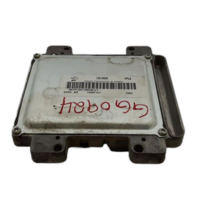
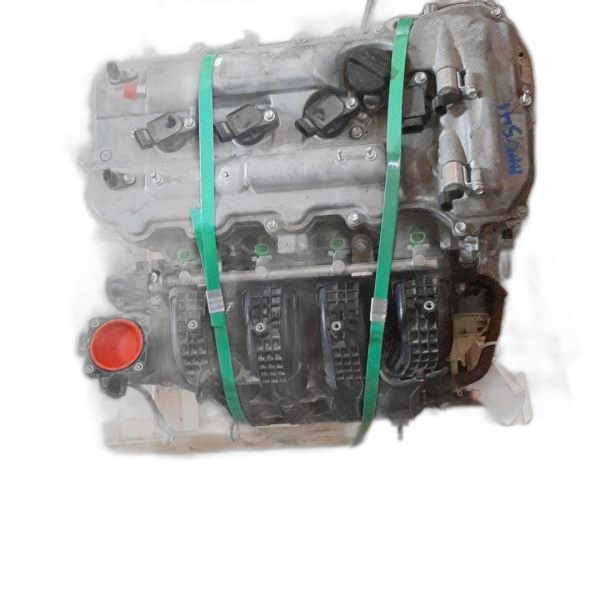
Below are the parts most often responsible for code P3409, ranked by how frequently each one is the actual culprit (per the diagnosis above). Tap any to see what we have for your vehicle.



The information in this article is provided for general reference and educational purposes only. Vehicle specifications, procedures, and part compatibility can vary by production date, trim level, and region. Always consult your vehicle's factory service manual and verify part numbers before purchasing or performing repairs. Safety-critical components such as airbags, seat belts, and braking systems should be installed by a qualified professional.
- 🧭 Diagnostic Flowchart
- 🛍️ Shop This Part
- What Does P3409 Mean?
- Can I Drive With P3409?
- Common Causes
- Symptoms
- Common Fixes & Costs
- Used vs. New Parts: Buying Guide
- What Happens If You Wait — Timeline
- Cost of Not Fixing It
- Diagnosis Steps
- When This Code Triggers (Freeze-Frame Conditions)
- Related Codes
- Climate & Environmental Factors
- How to Talk to a Mechanic About This Code
- Where to Take It: Dealer vs Independent vs Chain
- When to Walk Away From the Repair
- What Scan Tool You Need for This Code
- How to Clear the Code After You Fix It
- Will This Fail Emissions / State Inspection?
- Most Commonly Affected Vehicles
- Manufacturer-Specific Notes
- Real Owner Stories
- 2016 Ram 1500 5.7L HEMI at 110K miles
- 2017 GMC Acadia V6 at 75K miles
- 2012 Honda Odyssey at 130K miles
- How to Prevent This Code From Triggering
- Frequently Asked Questions
- What is the most common mistake when fixing P3409?
- Can I just disable the cylinder deactivation system?
- Will ignoring P3409 cause engine damage?
- How much does it cost to fix P3409?
- Is the cylinder deactivation solenoid the same as a VVT solenoid?
- Why does this system fail so often?
- What does 'Circuit/Open' actually mean?
- Key Takeaways
- 🎟️ Get 5% Off