

OBD-II Code P3426: Cylinder 4 Deactivation/Intake Valve Control Circuit Performance
What P3426 means, why it triggers, and how to fix it — The Ultimate Guide
- Check your engine oil level and condition immediately; low or dirty oil is the #1 cause of P3426 and the cheapest to fix.
- Call a dealership with your VIN to check for PCM software updates (TSBs), as a $150-$250 computer re-flash fixes this code on many 2015-2018 Ram and Ford trucks.
- Replace all four cylinder deactivation solenoids at the same time if one fails, saving you $300+ in duplicate labor costs to remove the intake manifold again.
- Stop driving immediately if you hear a rhythmic engine ticking noise; this indicates a failed lifter that will destroy your camshaft and turn a $2,500 repair into a $5,000+ engine rebuild.
What Does P3426 Mean?
P3426 indicates your Powertrain Control Module (PCM) detected a failure in the system that shuts off Cylinder 4 to save fuel. This feature, known as Cylinder Deactivation (e.g., Chrysler's MDS, GM's AFM, Honda's VCM), activates during light driving conditions like highway cruising. When the control circuit for the cylinder 4 deactivation solenoid fails to perform as commanded, the computer logs this code and illuminates the check engine light.
Technical definition: The official SAE/OBD-II definition is "Cylinder 4 Deactivation/Intake Valve Control Circuit Performance". The PCM monitors the deactivation circuit's voltage and integrity, expecting a specific change in engine airflow via the MAP sensor when the cylinder deactivates. If the expected MAP sensor pressure change fails to occur, the PCM flags the circuit performance as faulty.
Can I Drive With P3426?
Yes, But With Caution. Yes, but only for short distances to a repair shop. The vehicle's computer disables the fuel-saving cylinder deactivation system, causing reduced fuel economy, rough idle, or hesitation. If the code is accompanied by a ticking noise, it indicates a failing lifter. Continuing to drive leads to catastrophic engine damage (e.g., a destroyed camshaft), turning a $2,500 repair into a $5,000+ engine rebuild. Get the vehicle diagnosed promptly.
Common Causes
- Low, dirty, or incorrect viscosity engine oil (Very Common) — Cylinder deactivation systems are hydraulic and rely on clean oil at the correct pressure. If the oil level is low, sludgy, or the wrong viscosity, the system fails to build the pressure needed to operate the solenoids and lifters.
- Outdated Powertrain Control Module (PCM) Software (Common) — Often, the hardware is fine but the PCM monitoring logic is overly sensitive. Manufacturers (especially Ram/Chrysler/Dodge and Ford) issue Technical Service Bulletins (TSBs) to fix this exact code with a simple software update.
- Faulty Cylinder Deactivation Solenoid (Very Common) — This electronic solenoid directs oil flow to activate and deactivate the cylinder. Operating in hot oil, they are high-failure items that clog with sludge, fail electrically, or crack.
- Restricted Oil Passages (Common) — Sludge and carbon deposits build up and physically block the small oil passages feeding the deactivation solenoids and lifters. Even with a full oil level, blockages starve components of hydraulic pressure.
- Failed Deactivation Lifter / Camshaft Lobe (Less Common) — A serious mechanical failure where the special deactivation lifters collapse or get stuck. This creates a distinct 'ticking' noise (the 'Hemi Tick') and causes severe camshaft damage if ignored.
- Damaged Wiring or Poor Electrical Connection (Less Common) — The wiring harness for the solenoid is located in the hot engine valley. Heat makes wires brittle and cracks them, or oil contaminates connectors, leading to a bad signal, short, or high resistance.
- Failing Oil Pressure Sensor/Switch (Uncommon) — The PCM relies on an oil pressure sensor to confirm adequate hydraulic pressure. A faulty sensor sending an incorrect reading triggers a deactivation code even if mechanical components work correctly.
- Faulty Supporting Sensors (MAP, MAF, TP) (Uncommon) — The PCM verifies successful cylinder deactivation by cross-referencing MAP, MAF, and TP sensors. If one provides an incorrect reading, the PCM mistakenly believes the deactivation failed and triggers P3426.
Symptoms
- Check Engine Light is on — The Malfunction Indicator Lamp (MIL) illuminates on your dashboard.
- Decreased fuel economy — The PCM disables the cylinder deactivation system as a failsafe, forcing the engine to run on all cylinders constantly, consuming more fuel.
- Rough or uneven idle — The engine shakes or runs poorly at a stop if the cylinder fails to reactivate correctly or sticks in a partially deactivated state.
- Hesitation or lack of power — You experience a brief loss of power or a surge when pressing the gas pedal during light acceleration as the system attempts to switch modes.
- Engine 'ticking' noise — A rhythmic ticking or tapping sound increasing with engine RPM indicates a failing deactivation lifter, requiring immediate attention.
- Limp Mode Activation — The control module enters 'limp mode,' drastically limiting engine power and RPM to prevent further damage.
Diagnostic Flowchart
Tap your situation to follow the diagnostic path that matches what you're seeing on this code.
Common Fixes & Costs
- Engine Oil and Filter Change — Parts: $40-$100, Labor: $30-$60, ~0.5 hr book time (DIY)
- Powertrain Control Module (PCM) Software Update — Parts: $0, Labor: $150-$250, ~1.5 hr book time (Professional)
- Replace Cylinder Deactivation Solenoid
— Parts: $50-$120, Labor: $250-$600, ~3.5 hr book time
(Intermediate)
Ram/Dodge/Chrysler 5.7L/6.4L HEMI: OEM Mopar: 53032152AE, 53022298AB, 68060345AA (Alt: Dorman: 916-511, 916-511XD, 916-592XD)
Chevrolet/GMC 5.3L/6.0L/6.2L V8 (AFM): OEM ACDelco/GM: 12571609 (Alt: Dorman: 917-162)
Chevrolet/GMC 5.3L/6.2L V8 (DFM, 2019+): OEM ACDelco/GM: 12736536 (Alt: N/A) - Repair or Replace Wiring Harness/Connector — Parts: $20-$100, Labor: $150-$400, ~2.5 hr book time (Intermediate)
- Replace Failed Lifters and Camshaft
— Parts: $600-$1500+, Labor: $1500-$3000+, ~25 hr book time
(Professional)
Ram/Dodge/Chrysler 5.7L HEMI: OEM Camshaft: Mopar 53022263AF; Lifters: Mopar 53021728AE, 53021726AE, 5038785AD (Alt: Melling, EngineTech, Sealed Power)
Chevrolet/GMC 5.3L/6.2L V8 (AFM): OEM Lifters: ACDelco/GM 12648846; Guide: ACDelco 12571608 (Alt: Melling, Sealed Power, Johnson Lifters)
DIY vs Professional
- Engine Oil and Filter Change 🟢 Beginner
Tools: Wrench for drain plug, oil filter wrench, drain pan, funnel. - Powertrain Control Module (PCM) Software Update 🟢 Beginner
Tools: Manufacturer-specific diagnostic tool (e.g., wiTECH for Chrysler/Ram) and a service portal subscription. - Replace Cylinder Deactivation Solenoid 🟢 Beginner
Tools: Socket set, torque wrench, screwdrivers, trim removal tools, fuel line disconnect tool. - Repair or Replace Wiring Harness/Connector 🟢 Beginner
Tools: Multimeter, wire strippers, crimpers, soldering iron, heat shrink tubing, replacement connectors/pins. - Replace Failed Lifters and Camshaft 🟢 Beginner
Tools: Complete engine tool set, valve spring compressor, camshaft degree wheel, engine hoist, specialty tools.
Used vs. New Parts: Buying Guide
When a used part is worth it: Buying a used cylinder deactivation solenoid is never recommended. The part is a known high-failure item and the labor to access it is significant. The risk of a used part failing outweighs any cost savings.
Donor-vehicle mileage cap: roughly under 50000 miles for the part to have meaningful remaining life.
Donor quality checklist:
- If considering used, verify the donor vehicle had low mileage and was not scrapped for engine-related issues.
- Avoid parts from engines with known sludge problems.
- Ensure the part number matches exactly.
Decision logic:
- If The part is a cylinder deactivation solenoid. → Always buy a new OEM or high-quality aftermarket part with a warranty. The labor cost is too high to risk using a part with an unknown history.
- If Vehicle is high mileage (>150k miles) and budget is extremely tight. → A used solenoid is a high-risk gamble. A new aftermarket part is a better compromise between cost and reliability.
Warranty tradeoff: Salvage yard parts offer a 30-90 day warranty that does not cover labor. New aftermarket parts (e.g., Dorman) offer 1-year to limited lifetime warranties. New OEM parts carry a 1-2 year warranty honored nationwide by dealers.
Worst-case if a used part fails: $400-$800. This represents the cost of repeating the labor to replace the solenoid a second time, plus the cost of another new part.
What Happens If You Wait — Timeline
- 0-1 month: Code P3426 is set. The Check Engine Light illuminates. The PCM disables the cylinder deactivation system. No other symptoms are noticeable. (MPG impact: 5-15%% · Added cost: $20-$50 in wasted fuel.)
- 1-4 months: If caused by a sticking solenoid or sludge, performance becomes intermittent. A slight rough idle or hesitation occurs. If caused by a lifter, a faint 'ticking' noise begins on cold starts. (MPG impact: 5-15%% · Added cost: $50-$200 in wasted fuel. Risk of further damage remains low.)
- 4-8 months: Lifter failure progresses. The 'ticking' noise is persistent and audible at all times, increasing with engine speed. A P0304 misfire code appears. The lifter's roller stops spinning and grinds against the camshaft lobe. (MPG impact: 15-25%% · Added cost: $2,500. Lifters require replacement. The camshaft is sometimes salvageable if addressed immediately.)
- 8+ months: Catastrophic failure. The seized lifter completely wears down the camshaft lobe, sending metal shavings throughout the engine. The engine runs extremely rough with a loud knock and enters limp mode. (MPG impact: >25%% · Added cost: $5,000-$8,000. The camshaft and all lifters require replacement. The engine requires a full rebuild or replacement due to metal contamination.)
Cost of Not Fixing It
- 0-1 Month: The cylinder deactivation system is disabled, leading to a noticeable drop in fuel economy (1-3 MPG). (Added cost: Negligible, other than increased fuel costs.)
- 1-6 Months: If the fault is a stuck lifter causing a misfire, unburnt fuel enters the exhaust system, destroying the catalytic converter. (Added cost: $1200-$2800 for catalytic converter replacement.)
- 6+ Months: Continued operation with a failing lifter causes the lifter's roller to seize, destroying the camshaft lobe. This is a catastrophic engine failure. (Added cost: $2500-$5000+ for camshaft and lifter replacement.)
Diagnosis Steps
- Check Engine Oil Level and Condition
Pull the dipstick and check if the oil level is between the 'Full' and 'Add' marks. Note if the oil looks excessively dark, thick, or sludgy. If low, top it off with the manufacturer-specified oil type and clear the code. If the oil is old or dirty, perform a full oil and filter change. This simple step frequently resolves the code.
Tools: Rag or paper towel (Beginner) - Scan for Codes and Research TSBs
Use an OBD-II scanner to confirm P3426 and look for related codes (e.g., P3401, P3441, P0304, P0521). Search online for Technical Service Bulletins (TSBs) for your specific year, make, and model. A simple PCM software update at a dealership is often the required fix for Ram, Dodge, and Ford trucks.
Tools: OBD-II Scanner (Beginner) - Inspect the Wiring Harness and Connector
Visually inspect the wiring going to the cylinder 4 deactivation solenoid. On many V8 engines, this requires removing the intake manifold. Check for signs of chafing, melting, corrosion, or oil contamination on the harness and connector pins, especially in the engine valley.
Tools: Basic hand tools (sockets, wrenches), flashlight, inspection mirror (Intermediate) - Pro Tip: Test the Solenoid Coil Resistance
Disconnect the solenoid and set your multimeter to Ohms (Ω). Measure the resistance between the two terminals on the solenoid. Compare this to the manufacturer's specification (typically 11-12 Ohms for Chrysler/Dodge/Ram). Infinite Ohms (OL) means an open circuit; near zero means a short. In either case, replace the solenoid.
Tools: Digital Multimeter (Intermediate) - Command the Solenoid with a Scan Tool
Use a bidirectional scan tool to command the cylinder 4 deactivation solenoid on and off. Listen for an audible 'click' from the solenoid. A click indicates the electrical circuit and solenoid work, pointing towards a mechanical or oil pressure issue. No click indicates a bad solenoid or wiring fault.
Tools: Bidirectional OBD-II Scan Tool (Advanced) - Pro Tip: Verify Power and Ground at the Connector
Using a digital multimeter, backprobe the solenoid's electrical connector. With the ignition on and engine off (KOEO), one pin requires battery voltage (12.0V ± 0.5V). Verify ground circuit resistance is under 0.1 Ω. High resistance indicates a wiring problem requiring repair.
Tools: Digital Multimeter, backprobe kit (Advanced) - Pro Tip: Analyze Live Scan Tool Data
Monitor live data PIDs related to the deactivation system. Watch the solenoid command state (On/Off), actual cylinder deactivation status, and camshaft position. Verify the status changes when the PCM commands deactivation. Discrepancies point to a performance issue.
Tools: Advanced OBD-II Scan Tool (Advanced) - Check Oil Pressure
Connect a mechanical oil pressure gauge to the engine. Measure oil pressure at idle and various RPMs, comparing it to manufacturer specifications (e.g., MDS requires a minimum of 18-20 PSI at hot idle). Low oil pressure indicates a worn oil pump, incorrect oil viscosity, or internal engine issues.
Tools: Mechanical oil pressure gauge kit (Advanced) - Inspect Lifters and Camshaft
If electrical and oil pressure tests pass, and a persistent ticking noise is present, the problem is mechanical. Stop DIY diagnosis here and tow the vehicle to a professional shop to remove the cylinder head(s) and inspect the deactivation lifters and camshaft lobes for damage.
Tools: Advanced mechanical tools, engine service manual (Professional)
When This Code Triggers (Freeze-Frame Conditions)
- Engine Coolant Temp: 180-210°F (The system requires the engine to be fully warmed up to operate.)
- Engine RPM: 1200-2800 RPM (Indicates a light-load, steady-state cruise condition, not high acceleration or idling.)
- Engine Load: 20-50% (The engine is under light load, such as maintaining speed on a flat highway.)
- Vehicle Speed: 30-70 mph (Typically triggers during steady highway or city cruising speeds.)
Related Codes
- P3401, P3441, P3449 — These indicate the same fault for Cylinders 1, 6, and 7. Multiple deactivation codes appearing together indicate a systemic problem. Check for TSBs regarding a PCM update first, then suspect a widespread oil pressure issue or main wiring harness problem.
- P0304 — This is a misfire code for Cylinder 4. P3426 and P0304 appearing together is a major red flag for mechanical failure. A stuck deactivation lifter prevents proper valve operation, causing both the circuit performance fault and the misfire.
- P0521 — Indicates a problem with Engine Oil Pressure Sensor performance. Because the deactivation system depends on precise oil pressure, diagnose P0521 first; an incorrect oil pressure reading causes the PCM to set P3426.
- P0128 — Indicates the engine is not reaching proper operating temperature. The PCM disables MDS functionality if it detects a cooling issue, and software glitches link these two codes in manufacturer TSBs.
Climate & Environmental Factors
- Cold Climate / Cold Starts: Cylinder deactivation systems rely on oil pressure. In cold weather, engine oil is thicker and takes longer to reach operating pressure. This causes a delay in the solenoid's ability to actuate the lifters, triggering P3426 during the warm-up phase.
How to Talk to a Mechanic About This Code
Say this: "I have a check engine light with code P3426 for the cylinder 4 deactivation circuit. I've already checked the oil level and it's correct. I'd like to schedule a diagnostic appointment. If it's a Ram or GM, please check for any software update TSBs first. If you suspect a bad solenoid, I'd like to know the resistance reading and if you can command it with a scan tool before we replace it."
This signals you're an informed consumer. It directs the mechanic to start with the most common and cheapest fixes (oil, software), asks for specific diagnostic proof before authorizing expensive part replacement, and helps avoid misdiagnosis.
Avoid saying:
- 'My check engine light is on, can you just fix it?'
- 'I think I need a new solenoid, can you give me a price?'
- 'The internet said it's a bad lifter.'
Questions to ask before authorizing the repair:
- Did you find a TSB for a software update for my VIN?
- If the solenoid is the issue, what was its resistance reading? Did it fail the bidirectional test?
- If you're recommending solenoid replacement, what is the cost to replace all of them at the same time versus just the one?
- If you suspect a mechanical failure like a lifter, what was the oil pressure reading at hot idle?
- What is the warranty on the parts and labor for this repair?
Where to Take It: Dealer vs Independent vs Chain
- Dealer:
Recommended first stop for low-mileage Ram/Ford trucks to check for software TSBs. Best choice for major internal engine work to maintain OEM configuration.
Best for: Vehicles under powertrain warranty., Diagnosing software issues and performing TSB-related PCM updates., Complex mechanical failures like camshaft/lifter replacement where OEM parts are critical.
Downsides: Highest labor rates., Unwilling to explore non-OEM solutions like an AFM/MDS delete. (Typical cost: +50% vs. baseline) - Independent Shop:
Best fit for most common P3426 repairs on out-of-warranty vehicles, such as solenoid replacement. Ensure the shop has experience with cylinder deactivation systems.
Best for: Out-of-warranty vehicles., Common repairs like replacing deactivation solenoids, wiring harnesses, or oil pressure sensors., Performing an AFM/MDS mechanical 'delete' service for a permanent solution.
Downsides: Quality and experience with these specific systems varies widely., Cannot perform warranty work or some software updates. (Typical cost: +0% vs. baseline) - Chain Shop:
AVOID for diagnosing P3426. They are generally not equipped for the specific electrical and mechanical diagnosis this code requires. Misdiagnosis is highly probable.
Best for: Confirming the oil level and performing an oil change if needed.
Downsides: Technician skill and diagnostic equipment are highly variable., High pressure to upsell leads to misdiagnosis or unnecessary part replacement., Lacks expertise for TSBs or advanced electrical/mechanical diagnosis. (Typical cost: -10% vs. baseline)
When to Walk Away From the Repair
If the estimated repair cost for a major mechanical failure (like lifters and camshaft) exceeds 50% of the car's private-party value, it's time to seriously consider selling or trading in the vehicle.
- Car worth $15000, fix is $800: Fix it. A solenoid replacement is well below the threshold and a common repair.
- Car worth $8000, fix is $5000: Walk away. The repair cost for a new camshaft and lifters is over 60% of the vehicle's value. This money is better put toward a replacement vehicle.
- Car worth $25000, fix is $5000: Borderline. The repair is 20% of the vehicle's value, but it's a major engine repair. Consider the vehicle's overall condition and long-term plans before proceeding.
What Scan Tool You Need for This Code
Minimum: A code reader that reads engine trouble codes and shows live data PIDs for oil pressure and engine RPM.
A basic $20 code reader only confirms the P3426 code. It cannot distinguish between an electrical, mechanical, or oil pressure issue. Proper diagnosis requires live data and bidirectional component testing.
Budget: BlueDriver Pro (~$99) — Connects to your smartphone to read codes from all modules, graph live data (like oil pressure), and access freeze frame data. A good starting point for DIY diagnosis.
Mid-range: Autel MaxiCOM MK808S / Foxwell NT809 (~$350) — Tablet-style scanners offering full-system diagnostics and bidirectional control. This allows you to command the deactivation solenoid on and off, a key diagnostic step for P3426.
Professional: Launch X431 series / Autel MS906 series (~$900-1500) — Offers full professional-level bidirectional controls, ECU coding, and access to manufacturer-specific data and tests. Equivalent to dealership diagnostic capabilities.
Rent vs buy: Auto parts stores scan codes for free using basic readers. To properly diagnose P3426, which requires bidirectional tests, you must buy a mid-range scanner or take the vehicle to a professional shop.
How to Clear the Code After You Fix It
- Use an OBD-II scan tool to clear the P3426 code.
- Reconnect the battery if it was disconnected for the repair.
- Perform a complete OBD-II drive cycle to allow readiness monitors to run.
Drive cycle (~30 minutes): To complete a drive cycle and run internal self-tests: 1. Cold start the vehicle and idle for 2-3 minutes. 2. Drive in stop-and-go city traffic for 10-15 minutes, including several accelerations and decelerations. 3. Drive at a steady highway speed (55-65 mph) for 10-15 minutes. 4. Let the vehicle cool down completely overnight to allow the EVAP monitor to run.
Readiness monitors affected: Catalyst Monitor, O2 Sensor Monitor, EVAP System Monitor
Before emissions retest: drive at least 100 miles to fully set monitors.
Watch out for:
- Simply clearing the code with a scanner does not fix the underlying problem; the code returns.
- Disconnecting the battery clears the code but resets all emissions readiness monitors, which must be 'Ready' to pass a smog test.
Will This Fail Emissions / State Inspection?
Yes — this code typically fails an OBD-II emissions inspection.
- California: An illuminated Check Engine Light is an automatic failure. After repair, readiness monitors must be 'Ready'. You must drive 100-200 miles through several drive cycles before retesting.
- New York: The NYS DMV inspection includes an OBD-II scan. An active P3426 code causes an automatic failure.
- Texas: In the 17 counties requiring emissions testing, an illuminated Check Engine Light results in a failed inspection. The vehicle cannot be registered until repaired.
Most Commonly Affected Vehicles
- Ram 1500, 2500, 3500 with 5.7L or 6.4L HEMI V8 (2006-2022) — Extremely common issue due to failed MDS solenoids and PCM software glitches. For 2015-2018 models, check TSBs #18-036-20, #18-082-16, and #18-002-15, which resolve the code with a software update.
- Chevrolet / GMC Silverado, Sierra, Tahoe, Suburban, Yukon with V8 (2007-2021) — Prone to Active Fuel Management (AFM) system issues, particularly failed lifters causing this code, misfires, and engine ticking. Lifter failure is a well-documented weak point.
- Dodge / Chrysler Charger, Challenger, 300, Durango, Aspen with HEMI V8 (2006-2022) — Shares the problematic MDS with Ram trucks, leading to frequent solenoid failures and software faults. Always check for PCM updates first.
- Jeep Grand Cherokee, Commander with HEMI V8 (2006-2022) — Uses the same MDS technology as Chrysler products, suffering from identical solenoid and lifter failures. Oil sludge blocking solenoid screens is a frequent cause.
- Ford F-150, Mustang GT with 5.0L V8 (2021-2023) — Ford introduced cylinder deactivation on the Gen 4 5.0L Coyote V8 in 2021. TSB 21-2158 fixes P3426 and other deactivation codes with a PCM reprogram for 2021 F-150s built on or before 04/23/2021.
- Honda / Acura Odyssey, Pilot, Accord with V6 (2008-2017) — The Variable Cylinder Management (VCM) system causes oil consumption and fouled spark plugs, triggering functionally similar codes like P3400 and P3497. The root cause is often oil pressure switches on the cylinder heads.
- Volkswagen / Audi Models with 4.0T V8 (e.g., S6, S7, S8, RS7) (2012-Present) — These engines use a 'Cylinder on Demand' (COD) system. Faults in electro-hydraulic actuators or control circuits trigger this code, often misdiagnosed as turbocharger issues.
- Cadillac / GM Escalade, CTS, DTS with V8/V6 engines (2007-Present) — Cadillacs with AFM suffer from the same lifter failure issues as Chevrolet/GMC, manifesting as a P3426 code.
Manufacturer-Specific Notes
- Chrysler / Dodge / Ram: Always check for a PCM software update first. TSBs (like 18-036-20) advise dealers to re-flash the computer to correct overly sensitive monitoring logic that falsely triggers P3426. This is the most common and cheapest fix.
- General Motors (Chevrolet / GMC): On GM's AFM/DFM engines, this code is often a precursor to a collapsed lifter, resulting in engine ticking and camshaft damage. An ongoing class-action lawsuit alleges this is a widespread defect in 2014-present V8 engines. GM provides some owners with extended warranty coverage after a documented failure.
- Honda / Acura: Honda uses codes P3400 and P3497, but the root cause is similar. A class-action lawsuit regarding VCM issues on 2008-2013 V6 models resulted in an 8-year warranty extension to cover repairs for oil consumption or misfires.
- Ford: On the 5.0L Coyote engine (2021+), cylinder deactivation is controlled by solenoids acting on a lash adjuster and rocker arm assembly. Failures are electrical (solenoid) or mechanical (rocker arm). TSB software updates are the common first diagnostic step.
Real Owner Stories
2018 Ram 2500 with 6.4L HEMI at 1,100 miles
Check engine light illuminated during the first month of ownership. No audible symptoms were present, but P3426 was stored alongside P3402, P3442, and P3450 for the other MDS cylinders.
What they tried:
- Scanned the codes and found faults for all four MDS cylinders (1, 4, 6, 7).
Outcome: A dealership performed a PCM software update prescribed by Technical Service Bulletin (TSB) #18-036-20. The monitoring logic was too sensitive; no parts required replacement.
Lesson: On modern Ram/Dodge/Chrysler vehicles, multiple MDS codes on a low-mileage truck dictate checking for a software update TSB first. It is the most common and cheapest fix.
2019 GMC Sierra with 5.3L V8 at 63,000 miles
The truck developed a persistent engine ticking noise, followed by P3426 and a misfire code P0304. The engine ran rough at idle.
What they tried:
- Took the truck to a local dealership for diagnosis. The initial quote to replace the lifters on one side was $4,000.
Outcome: The dealership confirmed a failed AFM lifter on cylinder 4. The owner opted for an independent shop to perform a permanent AFM mechanical delete for a similar cost, ensuring higher long-term reliability.
Lesson: A ticking noise combined with P3426 on a GM V8 is a classic sign of a failed AFM lifter. Do not ignore it. Camshaft damage escalates the repair cost dramatically.
2013 Dodge Durango with 5.7L HEMI at 167,000 miles
The check engine light illuminated with codes for the MDS solenoid circuits. The owner cleared the codes, but they returned immediately.
What they tried:
- Cleared codes with a handheld scanner.
- Suspected a bad MDS solenoid and prepared to replace it.
Outcome: Inspection revealed the wiring harness connecting the MDS solenoids under the intake manifold had brittle, heat-rotted insulation, causing a short. The fix required replacing the entire MDS jumper harness and one burned-out solenoid.
Lesson: Never assume the solenoid has failed. The wiring harness in the hot engine valley is a common failure point. Inspect the harness and connectors for damage before replacing expensive parts.
How to Prevent This Code From Triggering
- Use high-quality full synthetic engine oil of the correct viscosity. (Every oil change) — The hydraulic deactivation system is extremely sensitive to oil quality. Full synthetic oil resists breakdown and sludge formation, keeping tiny passages clear. Incorrect viscosity starves components of pressure.
- Reduce oil change intervals to 3,000-5,000 miles. (Ongoing) — Short trips, towing, and excessive idling degrade oil faster than the vehicle's oil life monitor indicates. Frequent changes prevent the sludge that causes MDS/AFM components to stick and fail.
- Perform an engine oil flush before an oil change on higher-mileage vehicles. (Every 30,000 miles) — A quality oil flush additive dissolves existing sludge and varnish from lifter mechanisms and oil passages that a standard drain-and-fill misses, restoring function to sticking components.
- Allow the engine to warm up for 30-60 seconds before driving. (Daily habit) — Cold oil is thick and flows poorly through small deactivation system passages. Allowing the engine to build oil pressure and temperature before applying load ensures proper lubrication.
- For GM owners, install an AFM/DFM Disabler. (One-time install) — This electronic plug-in device prevents the engine from entering 4-cylinder mode. Keeping all cylinders firing prevents the constant cycling of failure-prone AFM lifters, the root cause of camshaft failures.
Frequently Asked Questions
Can I just change my oil to fix code P3426?
Yes, a simple oil change often fixes P3426. The hydraulic deactivation system fails if engine oil is low, dirty, or the wrong viscosity. Always check your oil level and condition first.
What is an MDS solenoid and why does it fail?
The MDS solenoid is an electronic valve controlling oil flow to deactivate the cylinder. It fails due to extreme heat in the engine valley, oil sludge clogs, or cracked plastic housings. Upgraded aftermarket metal housings are available.
Will driving with P3426 damage my engine?
Yes. If the root cause is a failing lifter (indicated by a ticking noise), continuing to drive destroys the camshaft. Stop driving immediately to prevent a $5,000+ engine rebuild.
Is it worth replacing all the deactivation solenoids at once?
Yes. Solenoids are located under the intake manifold, making labor expensive. Since all solenoids share the same age and wear, replacing all four simultaneously prevents paying for the same 3.5-hour labor job twice.
What are the most common misdiagnoses for P3426?
The biggest mistake is replacing the solenoid without checking the basics. Low oil, dirty oil, or an outdated PCM software glitch (fixable via TSB) are frequent culprits. Always verify oil condition and check for TSBs first.
Can I just disable the cylinder deactivation system permanently?
Yes. You can use an electronic OBD-II disabler to keep the engine in V8 mode permanently. Alternatively, a mechanical delete kit physically replaces the deactivation lifters and camshaft with standard components for a permanent, albeit expensive, fix.
What is the 'Hemi Tick' and how does it relate to P3426?
The 'Hemi Tick' is a rhythmic engine noise often caused by a failing MDS lifter or worn camshaft lobe. A failed lifter triggers P3426 and misfire codes like P0304. If you hear this tick with P3426, tow the vehicle to a shop immediately.
Can a weak battery cause code P3426?
Yes. Deactivation solenoids require stable voltage to operate correctly. A weak battery or failing alternator causing low system voltage (below 12.4V) triggers performance codes like P3426.
Key Takeaways
- Check your engine oil level and condition immediately; low or dirty oil is the #1 cause of P3426 and the cheapest to fix.
- Call a dealership with your VIN to check for PCM software updates (TSBs), as a $150-$250 computer re-flash fixes this code on many 2015-2018 Ram and Ford trucks.
- Replace all four cylinder deactivation solenoids at the same time if one fails, saving you $300+ in duplicate labor costs to remove the intake manifold again.
- Stop driving immediately if you hear a rhythmic engine ticking noise; this indicates a failed lifter that will destroy your camshaft and turn a $2,500 repair into a $5,000+ engine rebuild.
Shop the Parts Behind P3426
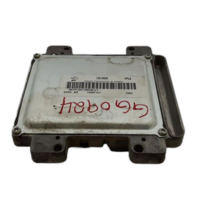
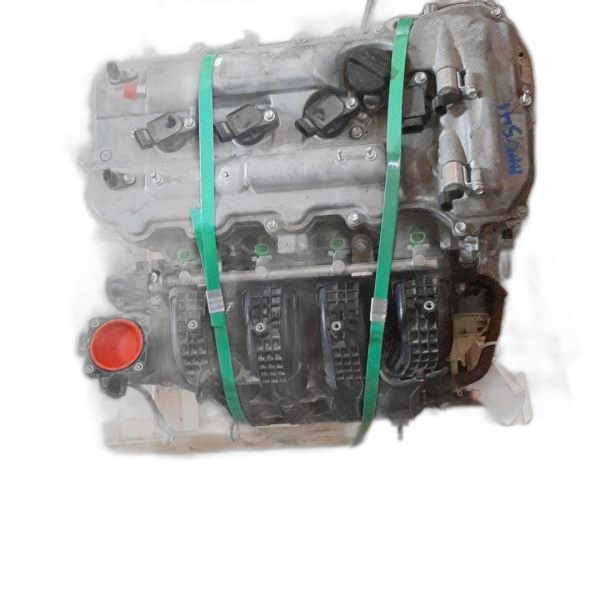
Below are the parts most often responsible for code P3426, ranked by how frequently each one is the actual culprit (per the diagnosis above). Tap any to see what we have for your vehicle.


The information in this article is provided for general reference and educational purposes only. Vehicle specifications, procedures, and part compatibility can vary by production date, trim level, and region. Always consult your vehicle's factory service manual and verify part numbers before purchasing or performing repairs. Safety-critical components such as airbags, seat belts, and braking systems should be installed by a qualified professional.
- 🧭 Diagnostic Flowchart
- 🛍️ Shop This Part
- What Does P3426 Mean?
- Can I Drive With P3426?
- Common Causes
- Symptoms
- Common Fixes & Costs
- DIY vs Professional
- Used vs. New Parts: Buying Guide
- What Happens If You Wait — Timeline
- Cost of Not Fixing It
- Diagnosis Steps
- When This Code Triggers (Freeze-Frame Conditions)
- Related Codes
- Climate & Environmental Factors
- How to Talk to a Mechanic About This Code
- Where to Take It: Dealer vs Independent vs Chain
- When to Walk Away From the Repair
- What Scan Tool You Need for This Code
- How to Clear the Code After You Fix It
- Will This Fail Emissions / State Inspection?
- Most Commonly Affected Vehicles
- Manufacturer-Specific Notes
- Real Owner Stories
- 2018 Ram 2500 with 6.4L HEMI at 1,100 miles
- 2019 GMC Sierra with 5.3L V8 at 63,000 miles
- 2013 Dodge Durango with 5.7L HEMI at 167,000 miles
- How to Prevent This Code From Triggering
- Frequently Asked Questions
- Can I just change my oil to fix code P3426?
- What is an MDS solenoid and why does it fail?
- Will driving with P3426 damage my engine?
- Is it worth replacing all the deactivation solenoids at once?
- What are the most common misdiagnoses for P3426?
- Can I just disable the cylinder deactivation system permanently?
- What is the 'Hemi Tick' and how does it relate to P3426?
- Can a weak battery cause code P3426?
- Key Takeaways
- 🎟️ Get 5% Off