

OBD-II Code P3912: Cylinder 12 Deactivation/Intake Valve Control Circuit High
What P3912 means, why it triggers, and how to fix it
- P3912 triggers when the engine computer detects high voltage in the cylinder 12 deactivation circuit, instantly disabling fuel-saving modes.
- This code means two entirely different things: a V12 gasoline engine deactivation failure, or a clogged DEF dosing pump on PACCAR/DAF diesel trucks.
- Check the engine oil first on gasoline vehicles; low fluid levels or incorrect viscosity cause 80% of hydraulic deactivation faults.
- On PACCAR MX-11 and MX-13 engines, P3912 guarantees a clogged DEF dosing screen per TSB E222, requiring a $1,500+ pump and doser replacement.
- Driving with an active P3912 and a resulting misfire dumps raw fuel into the exhaust, destroying catalytic converters and adding $1,500 to $3,000 per bank to your repair bill.
What Does P3912 Mean?
P3912 means the engine computer (ECU) detects a high-voltage short in the system that shuts off cylinder #12 to save fuel. The 'Circuit High' designation indicates excessive voltage in the electrical circuit, preventing proper operation. The vehicle immediately disables its fuel-saving mode, running on all cylinders constantly and reducing fuel economy.
Technical definition: The SAE/ISO definition for P3912 is "Cylinder 12 Deactivation/Intake Valve Control Circuit High". The Powertrain Control Module (PCM) detects voltage in the cylinder 12 deactivation solenoid control circuit exceeding the specified maximum threshold, typically caused by a short to a 5V or 12V power source.
Can I Drive With P3912?
Yes, But With Caution. You can drive the vehicle, but address it promptly. The engine runs inefficiently, reducing gas mileage. A persistent misfire allows unburnt fuel into the exhaust, destroying the catalytic converters. This adds $1,500 to $3,000+ per converter to the repair bill. Limit driving until diagnosed.
Common Causes
- DEF System Component Failure (PACCAR/DAF Trucks Only) (Very Common) — On PACCAR MX-11/MX-13 and DAF engines, this code means 'DEF Pump Unable to Prime'. A corroding DEF tank heater element sheds debris, plugging the DEF dosing valve inlet screen per TSB E222.
- Low, Dirty, or Incorrect Viscosity Engine Oil (Very Common) — The hydraulic cylinder deactivation system requires clean oil at precise pressures. Low oil levels, degraded oil, or incorrect viscosity (e.g., 10W-40 instead of 5W-20) prevents the solenoids and lifters from operating.
- Faulty Cylinder Deactivation Solenoid (Common) — This electro-hydraulic valve directs oil flow. It fails electrically (internal coil shorts) or mechanically (sticks open/closed). An internal electrical short directly triggers a 'Circuit High' fault. 🎬 See this guide on repairing cylinder deactivation solenoids.
- Wiring Harness or Connector Damage (Common) — Engine heat and vibration crack wire insulation, causing a short circuit against a hot engine part or another wire. Corrosion or moisture in the connector also creates an unintended voltage path.
- Clogged Oil Passages (Oil Sludge) (Less Common) — Infrequent oil changes create internal engine sludge. This sludge blocks the microscopic oil passages feeding the deactivation solenoids and lifters, starving them of required hydraulic pressure.
- Failed Deactivation Valve Lifter (Less Common) — The solenoid sends oil to a collapsible lifter. This mechanical part gets stuck in the activated or deactivated position, causing persistent misfires and severe camshaft damage.
- PCM Software Glitch (Rare) — Early implementations of cylinder deactivation feature overly sensitive PCM monitoring logic. Manufacturers like Audi issue Technical Service Bulletins (TSBs) to update the software and prevent false codes.
- Faulty Powertrain Control Module (PCM) (Very Rare) — The internal driver circuit within the PCM that controls the solenoid fails. Rule out all wiring, solenoid, and oil issues before condemning the PCM.
Symptoms
- Check Engine Light is On — The PCM illuminates the Malfunction Indicator Lamp (MIL) the moment the voltage spike is detected.
- Poor Fuel Economy — The cylinder deactivation system is disabled. The engine runs on all 12 cylinders constantly, increasing fuel consumption by 3-7%.
- Engine Runs Rough or Misfires — A stuck lifter causes the engine to shake, hesitate, or run poorly, often triggering a specific misfire code for cylinder 12 (P0312).
- Noticeable Loss of Power — The vehicle feels sluggish or unresponsive during light acceleration when the system attempts to engage.
- Change in Engine or Exhaust Sound — The engine tone or exhaust note changes because the engine no longer switches between 6-cylinder and 12-cylinder modes.
Common Fixes & Costs
- Clean/Replace DEF Dosing Valve/Pump (PACCAR) — Parts: $800-$1,200, Labor: $300-$500, ~1.6 hr book time (Professional)
- Change Engine Oil and Filter — Parts: $70-$200, Labor: $50-$120, ~0.8 hr book time (DIY)
- Replace Cylinder Deactivation Solenoid — Parts: $70-$250, Labor: $200-$1,200, ~6 hr book time (Intermediate)
- Repair Wiring or Connector — Parts: $20-$100, Labor: $200-$500, ~3 hr book time (Intermediate)
- Replace Deactivation Lifters and Camshaft — Parts: $500-$1,500, Labor: $2,000-$7,500+, ~30 hr book time (Professional)
- Replace Powertrain Control Module (PCM) — Parts: $800-$2,500, Labor: $200-$500, ~2.5 hr book time (Professional)
Used vs. New Parts: Buying Guide
When a used part is worth it: For a high-labor part like a deactivation solenoid on a V12, buying used rarely makes sense. The risk of a premature failure outweighs the small savings on the part. The labor cost to replace it a second time is significant.
Donor-vehicle mileage cap: roughly under 50000 miles for the part to have meaningful remaining life.
Donor quality checklist:
- Verify the part number exactly; electronic components are rarely interchangeable.
- Avoid solenoids from engines that suffered from oil sludge or major mechanical failure.
- Ensure a warranty period longer than 90 days.
Decision logic:
- If Labor to access the part is high (>4 hours) → Always buy a new OEM or high-quality aftermarket part. The reliability is worth the extra cost.
- If The part is easily accessible (<1 hour labor) AND a used part is less than 50% of the new price → A used part from a low-mileage vehicle is a reasonable budget option.
- If The part is a PACCAR DEF pump assembly → Favor a new or remanufactured unit from a reputable brand to ensure a clean filter screen.
Warranty tradeoff: Used parts typically offer a 30-90 day warranty on the part only. New aftermarket parts carry a 1-year to limited lifetime warranty. A new OEM part installed by a dealer includes a 12-24 month warranty on parts and labor.
Worst-case if a used part fails: $500-$1500 if a used solenoid fails after installation, representing the repeated labor cost.
Cost of Not Fixing It
- 0-1 month: Guaranteed reduction in fuel economy (3-7% or more) as the cylinder deactivation system remains disabled. No immediate risk of damage. (Added cost: $20-$60 per month in extra fuel costs.)
- 1-6 months: If the fault causes a constant misfire, unburnt fuel enters the exhaust and overheats the catalytic converter, leading to its failure. (Added cost: $1,500-$4,700 per damaged catalytic converter.)
- 6+ months: Continued operation with a failed mechanical lifter scores and damages the camshaft lobe, requiring a major engine-out repair. (Added cost: $4,000-$9,000+ in labor and parts.)
Diagnosis Steps
- Scan for Other Codes
Use an OBD-II scanner to check for related codes. Misfire codes (P0312), general system faults (P3400), or DEF codes on trucks (P050E) dictate the entire diagnostic path.
Tools: OBD-II Scanner (Beginner) - Check Engine Oil Level, Condition, and Viscosity
Ensure the oil is full, clean, and the exact viscosity specified in the owner's manual. Incorrect or low oil is the primary cause of hydraulic system faults on gasoline engines.
Tools: Rag, Owner's Manual (Beginner) - Inspect the Wiring and Connector
Visually inspect the wiring harness for the cylinder 12 deactivation solenoid. Look for chafed, melted, or frayed wires. Unplug the connector and check for green corrosion, moisture, or bent pins.
Tools: Flashlight, Mirror (Beginner) - Command the Solenoid On/Off (Pro Tip)
Use a bi-directional scan tool to command the solenoid to activate and deactivate. Listen for an audible 'click' from the solenoid. No click confirms a bad solenoid or an open/short in the circuit.
Tools: Advanced Bi-directional Scan Tool (Advanced) - Test the Solenoid Circuit for High Voltage
With the key on, engine off, unplug the solenoid connector. Set a multimeter to DC Volts. Connect the black lead to ground and probe the control wire with the red lead. A reading above 0 volts indicates a short to a power source in the harness.
Tools: Digital Multimeter, Vehicle-specific Wiring Diagram (Intermediate) - Test the Solenoid's Resistance (Bench Test)
Remove the solenoid. Set a multimeter to Ohms (Ω) and touch the probes to the two electrical terminals. Most deactivation solenoids read between 10 and 15 Ohms. A reading near zero confirms an internal short.
Tools: Digital Multimeter, Service Manual (Intermediate) - Check Oil Pressure (Pro Tip)
Connect a mechanical oil pressure gauge. Cylinder deactivation systems require minimum oil pressure (often 25-55 PSI at hot idle) to function. Low pressure points to a worn oil pump or internal engine wear, not a faulty solenoid.
Tools: Mechanical Oil Pressure Gauge, Service Manual (Advanced) - Analyze Control Circuit with Oscilloscope (Pro Tip)
Connect an oscilloscope to the solenoid's control wire. When the PCM commands the solenoid on, look for a clean square wave dropping from battery voltage to near zero. A noisy waveform indicates a failing driver inside the PCM.
Tools: Automotive Oscilloscope, Service Manual (Advanced) - Inspect Mechanical Lifters
If electrical tests pass, the problem is mechanical. Remove the valve covers and cylinder head to inspect for collapsed or stuck deactivation lifters.
Tools: Mechanic's Tool Set, Torque Wrench, Service Manual (Professional)
When This Code Triggers (Freeze-Frame Conditions)
- Engine Coolant Temp: 180-220°F (82-104°C) (The system only activates when the engine is fully warmed up to ensure proper oil viscosity.)
- RPM: 1200-3000 RPM (Cylinder deactivation engages during low to moderate engine speeds under light load.)
- Engine Load: 20-50% (The fault logs during steady-state cruising or gentle acceleration when the PCM attempts to engage the fuel-saving mode.)
- Vehicle Speed: 30-70 mph (50-115 km/h) (This code sets during highway or arterial road cruising, not during idle or heavy acceleration.)
Related Codes
- P0312 — Indicates 'Cylinder 12 Misfire Detected'. If the deactivation system fails and leaves the valves closed, no combustion occurs, triggering this misfire code. Fixing P3912 resolves P0312.
- P3400 — A general code for 'Cylinder Deactivation System'. P3400 indicates a system-wide problem, while P3912 pinpoints the exact fault (Circuit High) on cylinder #12.
- P3913 — The direct opposite code: 'Cylinder 12 Deactivation/Intake Valve Control Circuit Low'. P3912 means voltage is too high (short to power), while P3913 means voltage is too low (open circuit or short to ground).
- P050E — On PACCAR trucks, P050E ('Cold Start DEF Temperature Too Low') accompanies P3912. A failing heater element causes debris (triggering P3912) and fails to heat the fluid properly (triggering P050E).
Climate & Environmental Factors
- Cold Weather: For PACCAR trucks, Diesel Exhaust Fluid (DEF) freezes at 12°F (-11°C). A failed DEF tank heater sheds corrosive material (triggering P3912) and fails to thaw frozen DEF. For gasoline engines, cold weather thickens engine oil, delaying the hydraulic pressure buildup needed for deactivation.
- High Humidity / Moisture: Moisture accelerates corrosion on electrical connectors and wiring harnesses. This compromises insulation and creates unintended electrical paths, leading to 'Circuit High' faults.
How to Clear the Code After You Fix It
- Use an OBD-II scan tool to clear the diagnostic trouble codes.
- Ensure the fuel tank is between 30% and 70% full for the EVAP monitor to run.
- Perform a complete drive cycle to allow all readiness monitors to set.
Drive cycle (~30 minutes): A complete drive cycle includes a cold start (engine off for 6-8 hours), 3 minutes of idling, 15 minutes of mixed city driving with smooth stops, followed by 10 minutes of steady highway driving between 50-60 mph.
Readiness monitors affected: Catalyst Monitor, Oxygen (O2) Sensor Monitor, EVAP System Monitor, Misfire Monitor
Before emissions retest: drive at least 100 miles to fully set monitors.
Watch out for:
- Clearing the code resets all emissions readiness monitors. The vehicle fails an emissions test until they read 'Ready'.
- The code returns immediately if the underlying electrical short or mechanical failure is not repaired.
- The EVAP monitor requires specific fuel levels and ambient temperatures to set.
Will This Fail Emissions / State Inspection?
Yes — this code typically fails an OBD-II emissions inspection.
- California: An illuminated Check Engine Light is an automatic failure of the smog check. All required readiness monitors must be set to 'Ready' before a retest.
- New York: An active P3912 code causes the vehicle to fail the OBD-II emissions portion of the NYS inspection.
- Texas: In the 17 counties requiring emissions testing, a vehicle with an active P3912 code automatically fails the OBD-II test.
Most Commonly Affected Vehicles
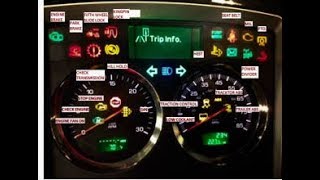
- PACCAR MX-11, MX-13 Engines (in Kenworth/Peterbilt trucks) (2017-2018) — P3912 indicates a clogged DEF dosing valve screen due to a corroding DEF heater. Addressed by TSB E222. 🎬 Watch: How to diagnose Paccar MX DEF system issues. The fix requires replacing the DEF pump module and doser.
- Aston Martin DB9, DBS, Rapide, V12 Vantage (2004-2018) — Faults link to oil pressure, solenoids, or complex wiring. Repair costs are exceptionally high due to labor rates and engine accessibility.
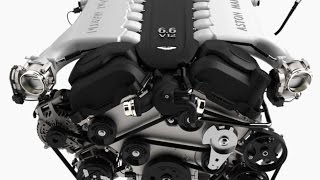
- Mercedes-Benz S600, SL600, CL600, S65 AMG (2003-2020) — V12 models with Active Cylinder Control (ACC) experience solenoid failures. Solenoids are labor-intensive to access under the valve covers. 🎬 Watch: Diagnosing misfires on a Mercedes-Benz V12 engine.
- BMW 760i/Li (2002-2015) — BMW V12 engines suffer from solenoid and wiring issues common to high-end German cylinder deactivation systems.
- Audi A8L W12 (2012-2017) — TSB 24CH updates the ECM software to prevent false faults on the 'Cylinder on Demand' (COD) system.
- Lamborghini Aventador (2013-2022) — The Cylinder Deactivation System (CDS) shuts down one entire bank of 6 cylinders under light load in 'Strada' mode.
- Ferrari FF, 812 Superfast, GTC4Lusso (2011-2024) — Variable displacement faults are rare but require specialist diagnostics due to proprietary systems.
- Rolls-Royce Phantom, Ghost, Cullinan (2003-2024) — Utilizing BMW-derived V12 engines, these vehicles share vulnerabilities in solenoids, wiring, and oil pressure.
Manufacturer-Specific Notes
- PACCAR (Kenworth, Peterbilt): On 2017-2018 MX-11 and MX-13 diesel engines, P3912 is a DEF system fault, not an engine cylinder fault. TSB E222 states corrosion from the DEF heater clogs the dosing screen, preventing the pump from priming. Replace the pump and doser assemblies.
- Dodge/Chrysler/Jeep (Hemi V8): Similar codes in the P34xx range (e.g., P3401, P3441) are extremely common on Hemi V8 engines with the Multi-Displacement System (MDS). The cause is frequently a failed MDS solenoid or a collapsed lifter.
- Honda/Acura (V6): Honda's J-Series V6 engines with Variable Cylinder Management (VCM) log similar codes like P3400 and P3497. Problems are oil-related, leading to fouled spark plugs and excessive oil consumption.
- Audi/VW: On engines with 'Cylinder on Demand' (COD), software glitches incorrectly trigger faults. Audi released multiple TSBs (e.g., 24CH for the W12) to update ECM software and improve monitoring logic.
Frequently Asked Questions
What is cylinder deactivation?
It is a fuel-saving technology that temporarily shuts down some engine cylinders during light-load conditions. This allows a V12 engine to run as a V6, reducing fuel consumption and emissions.
My diesel truck has code P3912. Is it a cylinder issue?
No. On heavy-duty trucks with PACCAR MX or DAF engines, this code indicates the Diesel Exhaust Fluid (DEF) pump is unable to prime. It is most often caused by a clogged filter screen in the dosing valve.
What are the most common misdiagnosis mistakes for P3912?
For trucks, it is assuming it is an engine cylinder problem. For cars, it is seeing the resulting P0312 misfire code and replacing the spark plug and coil without investigating the deactivation system. Another error is replacing the solenoid when the actual problem is low oil pressure or a wiring short.
What's the difference between 'Circuit High' (P3912) and 'Circuit Low' (P3913)?
They are opposite electrical faults. 'Circuit High' (P3912) means the computer sees unexpectedly high voltage, suggesting a short circuit to a power source. 'Circuit Low' (P3913) means the voltage is too low, suggesting a broken wire or a short to ground.
Can I fix P3912 myself?
An oil change is a simple DIY fix if dirty oil is the cause. However, diagnosing electrical shorts, replacing lifters, or accessing solenoids on V12 engines requires professional tools and expertise.
Does cylinder deactivation cause long-term engine damage?
It increases the risk of specific failures. The added complexity of deactivation lifters, solenoids, and oil pressure controls creates more potential failure points. Some systems cause issues with camshaft wear, oil consumption, and lifter collapse over time.
Can cylinder deactivation be permanently disabled?
On some vehicles, yes. Aftermarket OBD-II plug-in devices or custom ECU tunes disable the system on many GM and Dodge vehicles. On exotics like Lamborghini, the system is only active in specific driving modes.
Why does engine oil affect an electronic part?
The deactivation solenoid is an electro-hydraulic valve. The electrical coil opens a valve to direct high-pressure engine oil, which physically moves the mechanical lifters. If the oil is dirty, low, or the wrong viscosity, this hydraulic function fails.
Key Takeaways
- P3912 triggers when the engine computer detects high voltage in the cylinder 12 deactivation circuit, instantly disabling fuel-saving modes.
- This code means two entirely different things: a V12 gasoline engine deactivation failure, or a clogged DEF dosing pump on PACCAR/DAF diesel trucks.
- Check the engine oil first on gasoline vehicles; low fluid levels or incorrect viscosity cause 80% of hydraulic deactivation faults.
- On PACCAR MX-11 and MX-13 engines, P3912 guarantees a clogged DEF dosing screen per TSB E222, requiring a $1,500+ pump and doser replacement.
- Driving with an active P3912 and a resulting misfire dumps raw fuel into the exhaust, destroying catalytic converters and adding $1,500 to $3,000 per bank to your repair bill.
Helpful Videos

Shop the Parts Behind P3912
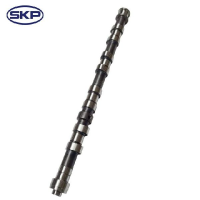
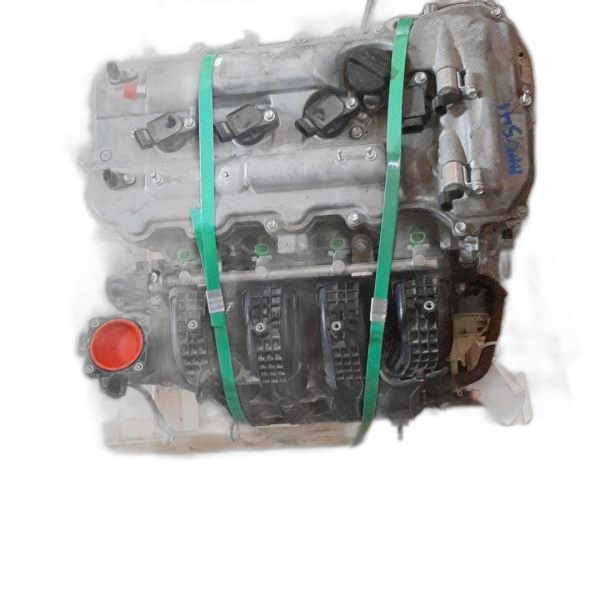
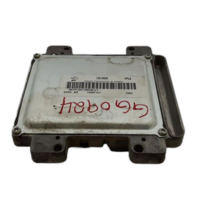
Below are the parts most often responsible for code P3912, ranked by how frequently each one is the actual culprit (per the diagnosis above). Tap any to see what we have for your vehicle.



The information in this article is provided for general reference and educational purposes only. Vehicle specifications, procedures, and part compatibility can vary by production date, trim level, and region. Always consult your vehicle's factory service manual and verify part numbers before purchasing or performing repairs. Safety-critical components such as airbags, seat belts, and braking systems should be installed by a qualified professional.
- 🎬 Helpful Videos
- 🛍️ Shop This Part
- What Does P3912 Mean?
- Can I Drive With P3912?
- Common Causes
- Symptoms
- Common Fixes & Costs
- Used vs. New Parts: Buying Guide
- Cost of Not Fixing It
- Diagnosis Steps
- When This Code Triggers (Freeze-Frame Conditions)
- Related Codes
- Climate & Environmental Factors
- How to Clear the Code After You Fix It
- Will This Fail Emissions / State Inspection?
- Most Commonly Affected Vehicles
- Manufacturer-Specific Notes
- Frequently Asked Questions
- What is cylinder deactivation?
- My diesel truck has code P3912. Is it a cylinder issue?
- What are the most common misdiagnosis mistakes for P3912?
- What's the difference between 'Circuit High' (P3912) and 'Circuit Low' (P3913)?
- Can I fix P3912 myself?
- Does cylinder deactivation cause long-term engine damage?
- Can cylinder deactivation be permanently disabled?
- Why does engine oil affect an electronic part?
- Key Takeaways
- 🎟️ Get 5% Off